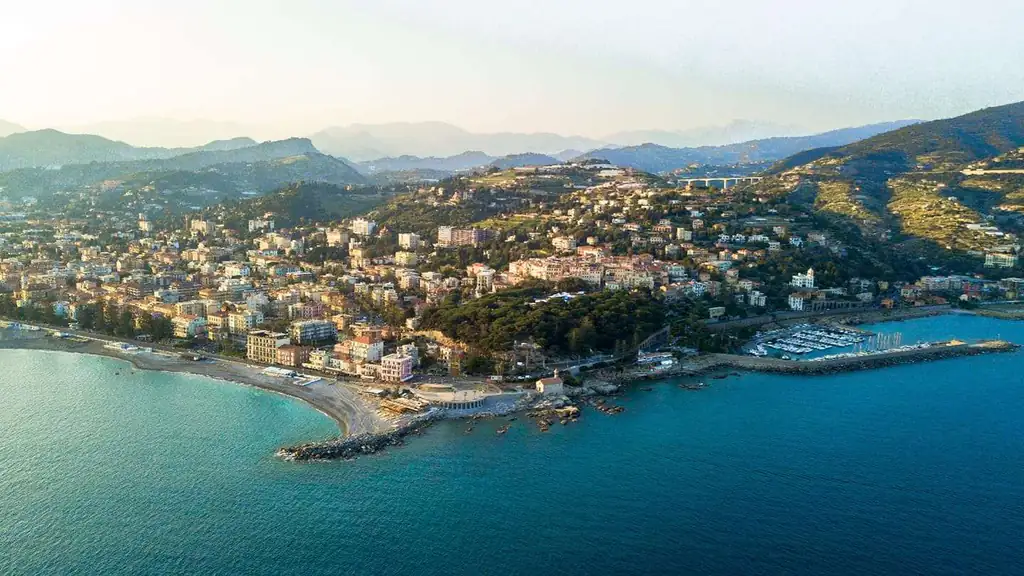
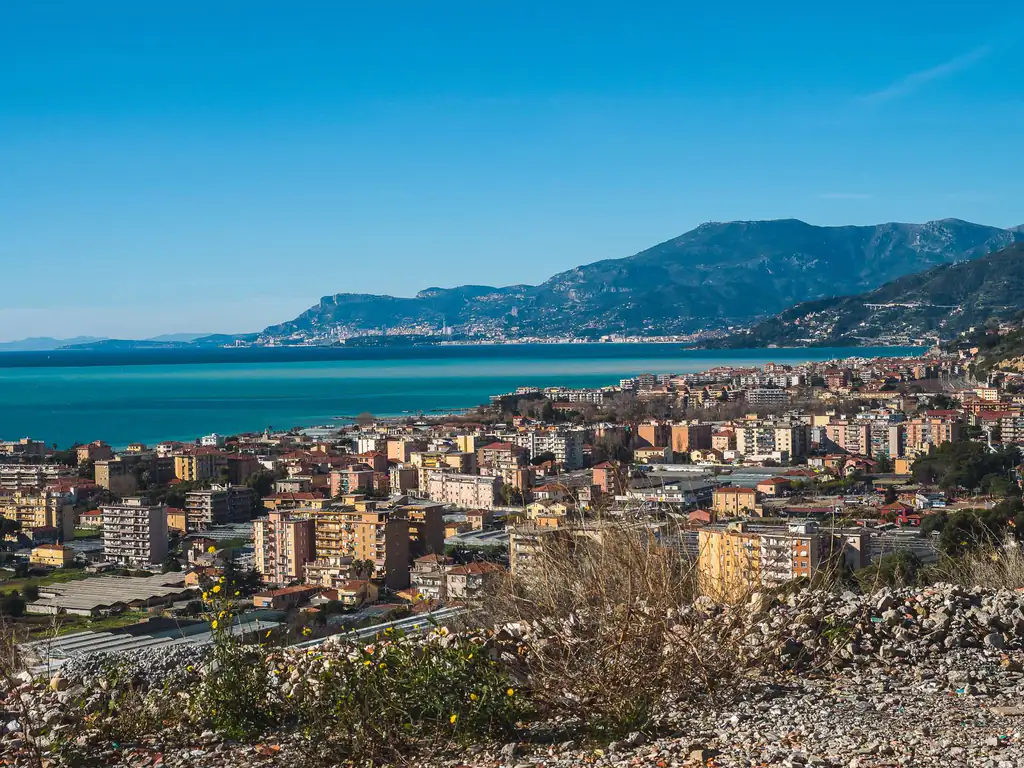
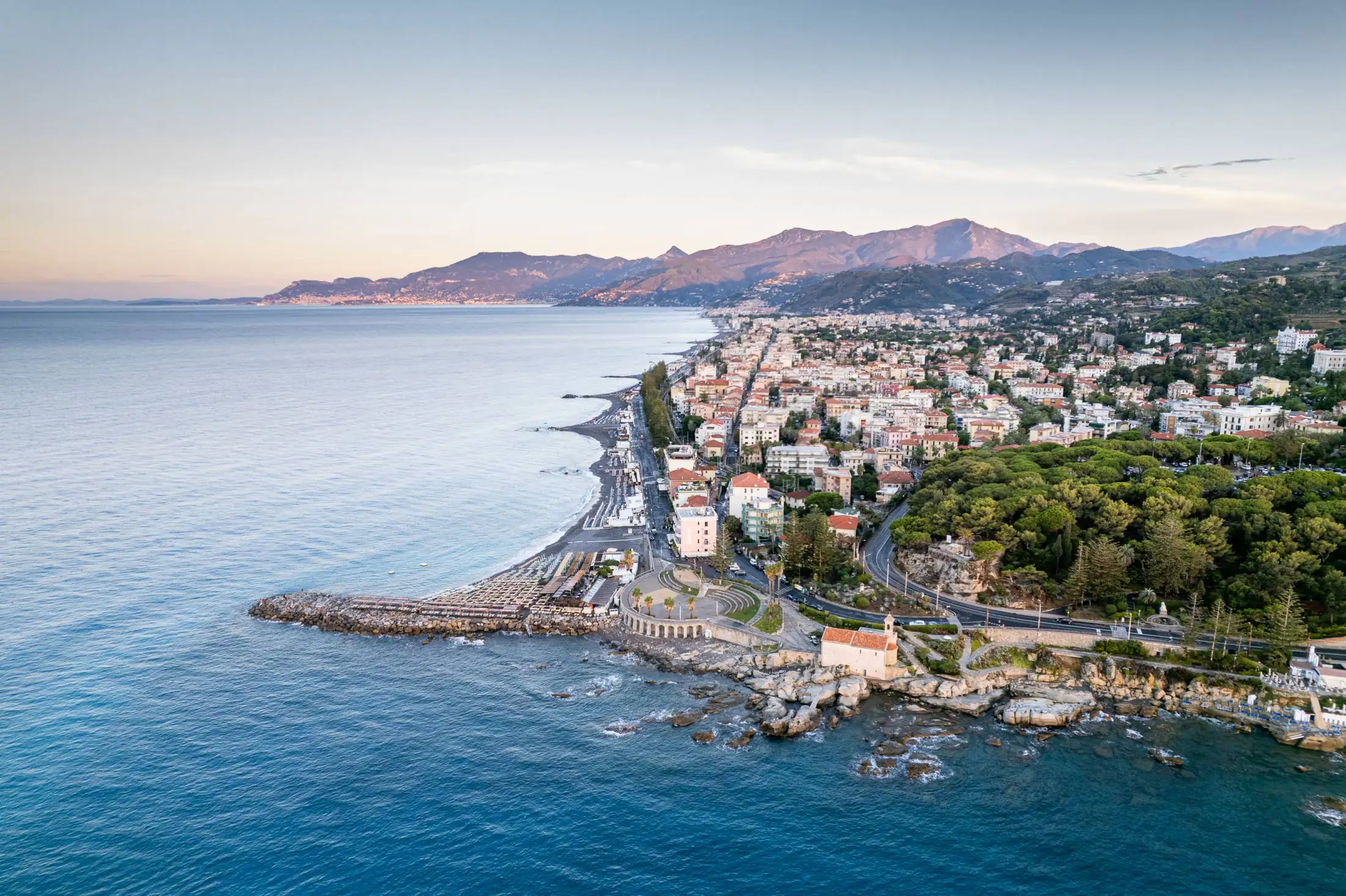
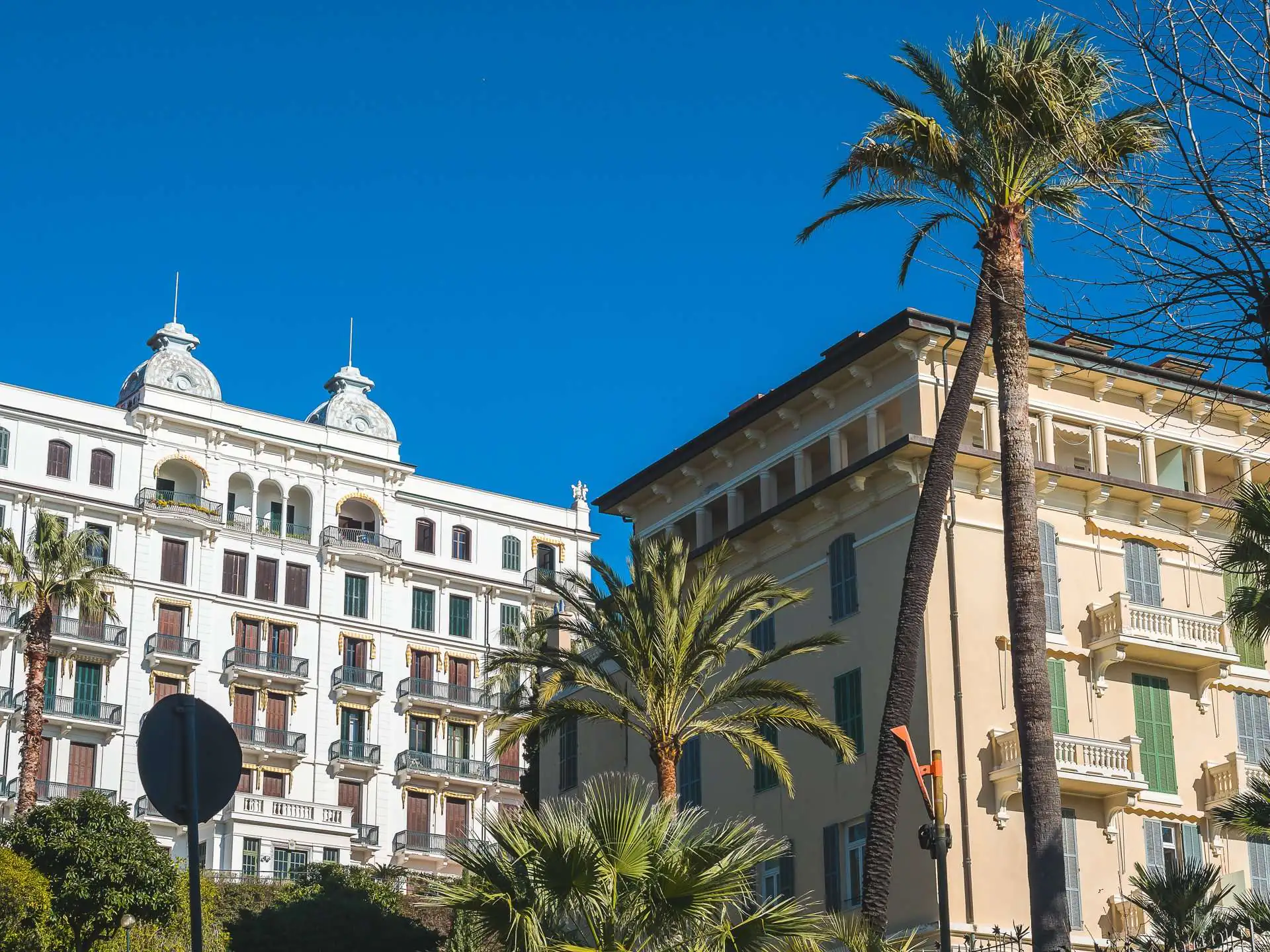
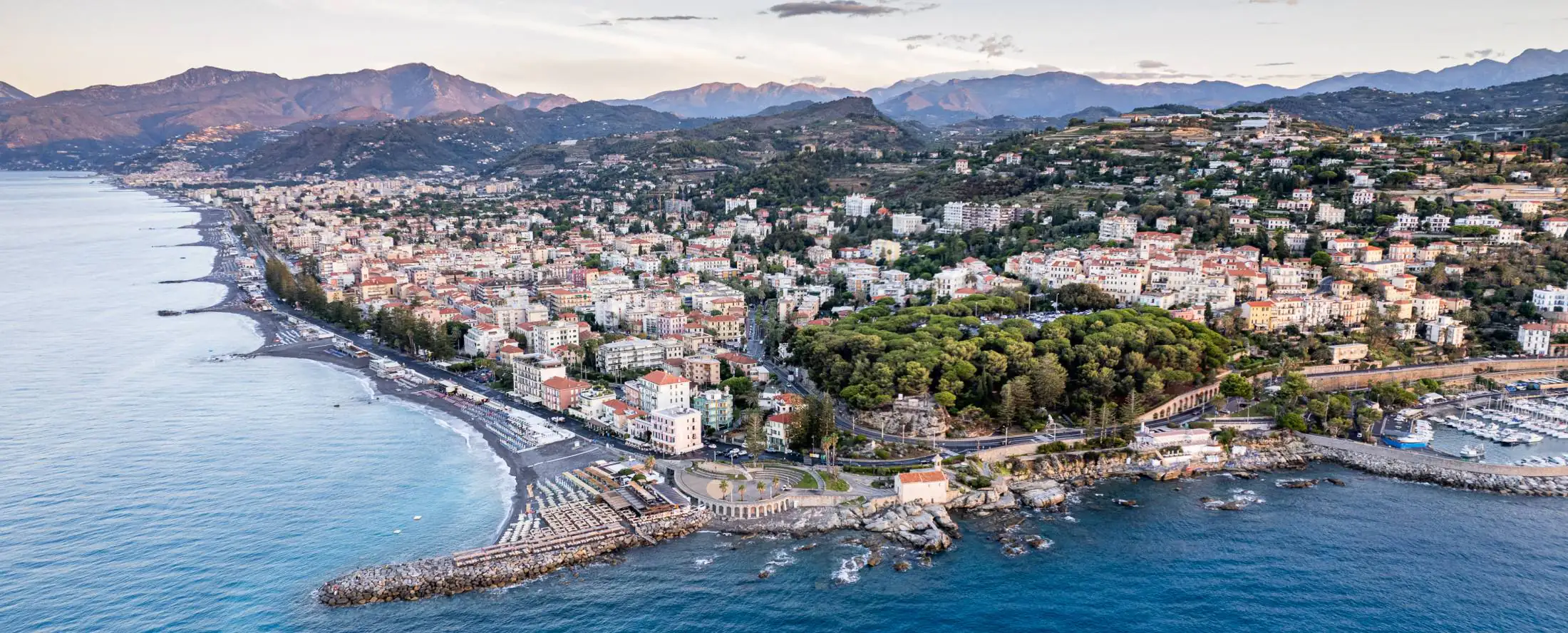
Bordighera is the city of palms on the Riviera di Ponente: a fortified medieval village on the Capo, a seafront promenade more than two kilometres long, 19th-century villas and gardens built by the English colony, and a light that in 1884 kept Claude Monet here for almost three months. It lies in the province of Imperia, between Sanremo and the French border, five kilometres from Ventimiglia and less than half an hour from Menton.
It is a town on a human scale, elegant but never showy, perfect for a weekend or a longer holiday. The climate is one of the mildest in Italy: the mountains behind it block the cold northerly winds and the January average is around 10 degrees, which is why for a century Bordighera was the winter destination of the English, Germans and Russians. Awarded the Blue Flag in 2025 and 2026, it is also a convenient base for the hill villages inland, such as Dolceacqua and Apricale, and for the Côte d’Azur.
Its official history begins on 2 September 1470, when a group of families from Borghetto San Nicolò decided to refound the village on the headland of the Capo. Four centuries later the English arrived, drawn by Giovanni Ruffini’s novel “Doctor Antonio” (1855): they built hotels, villas, an Anglican church, a library and the first museum on the Riviera di Ponente. Their mark is still visible in every street.
By Italian Riviera editorial team·Updated on ·15 min read
Where is Bordighera?
Bordighera is in Liguria (Riviera di Ponente, Riviera dei Fiori, province of Imperia).
In Bordighera the beauty is spread all over town: you discover it by walking through the old village, the Capo and via Romana, looking up at an Art Nouveau villa or a fig tree twenty metres tall. Here are the places not to miss, from the Capo heading east.
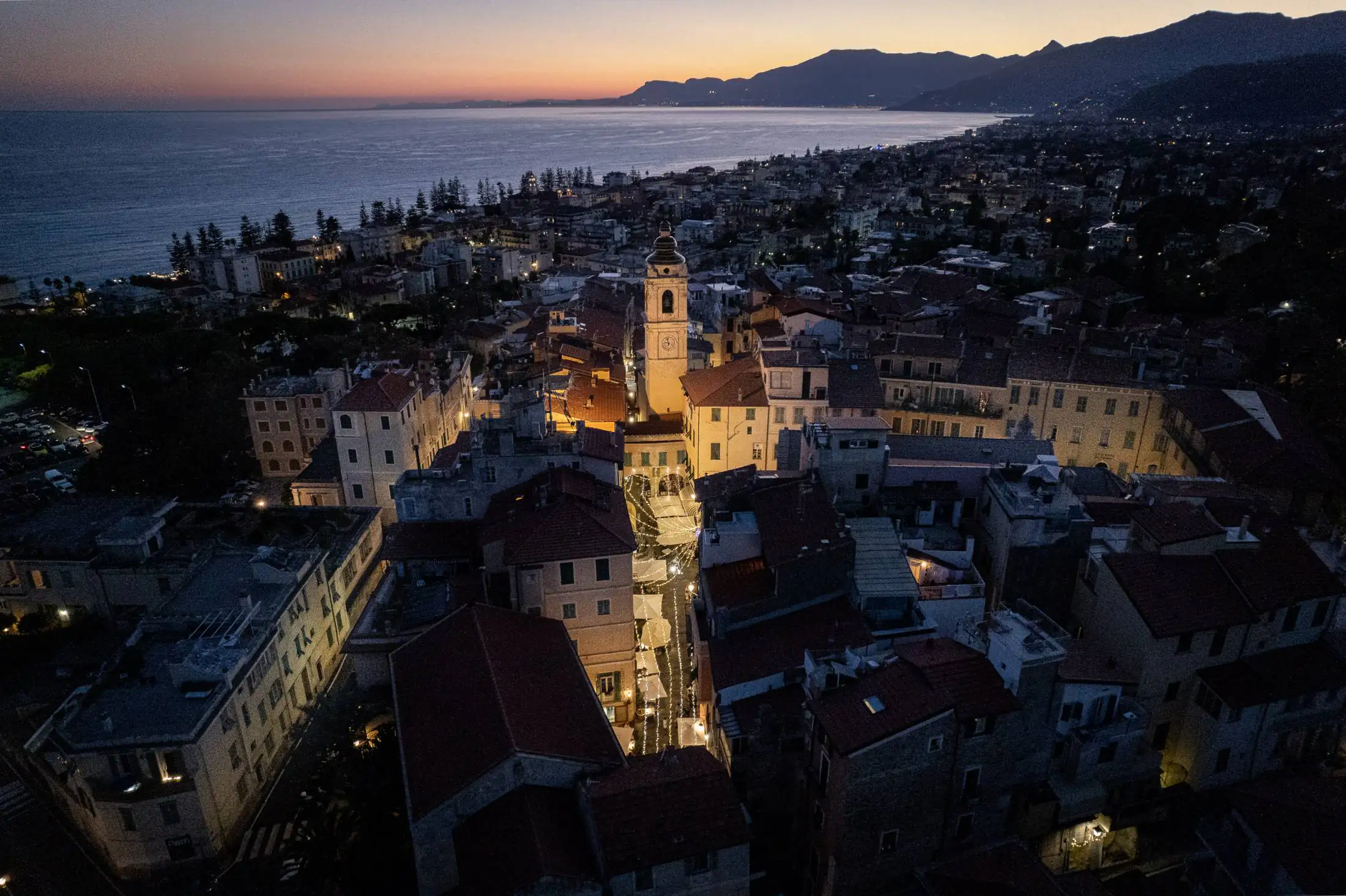
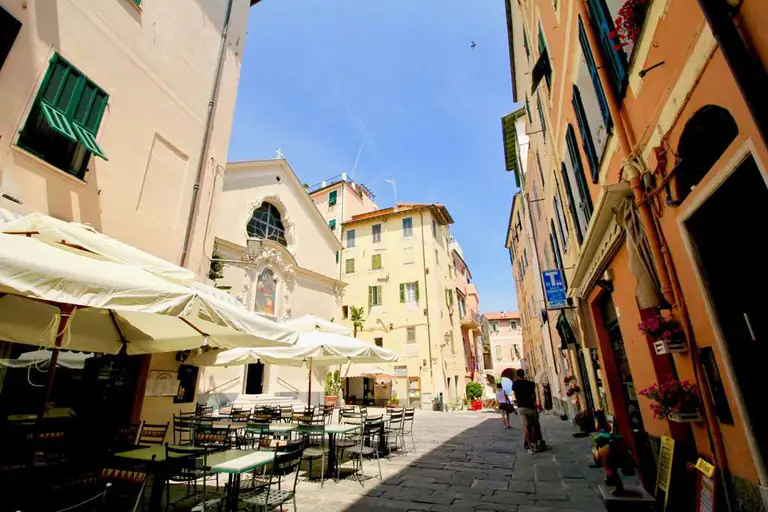
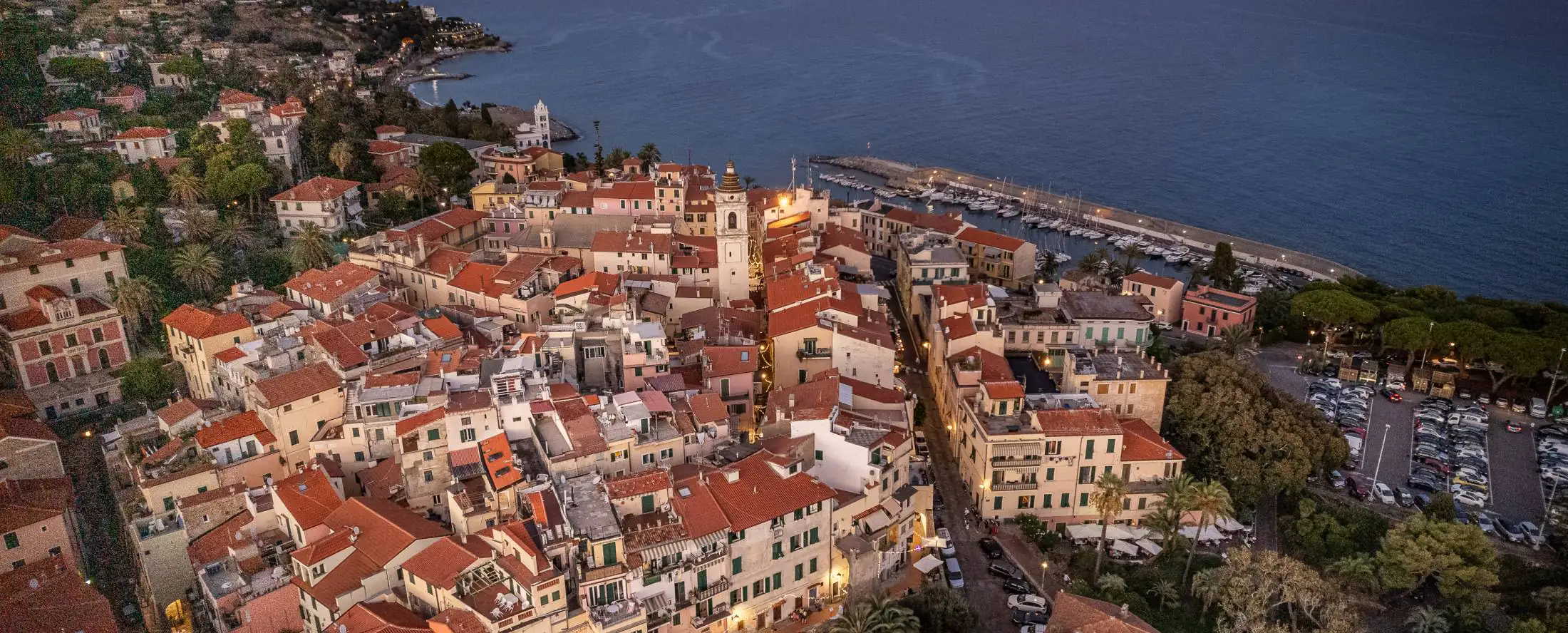
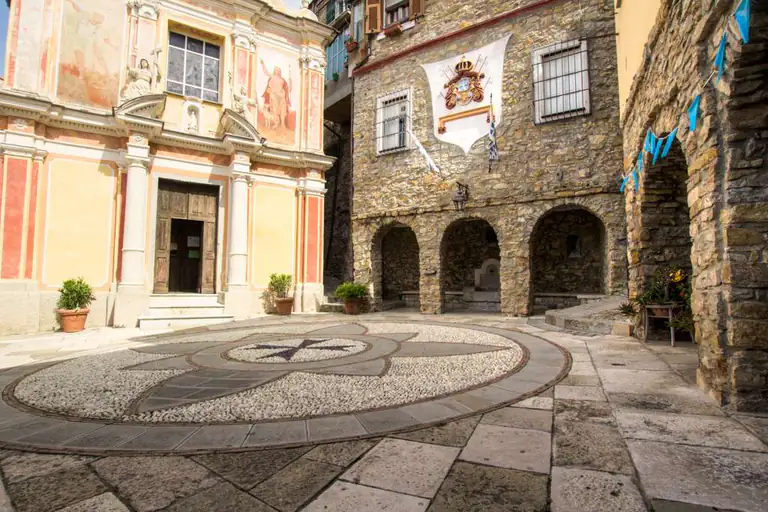
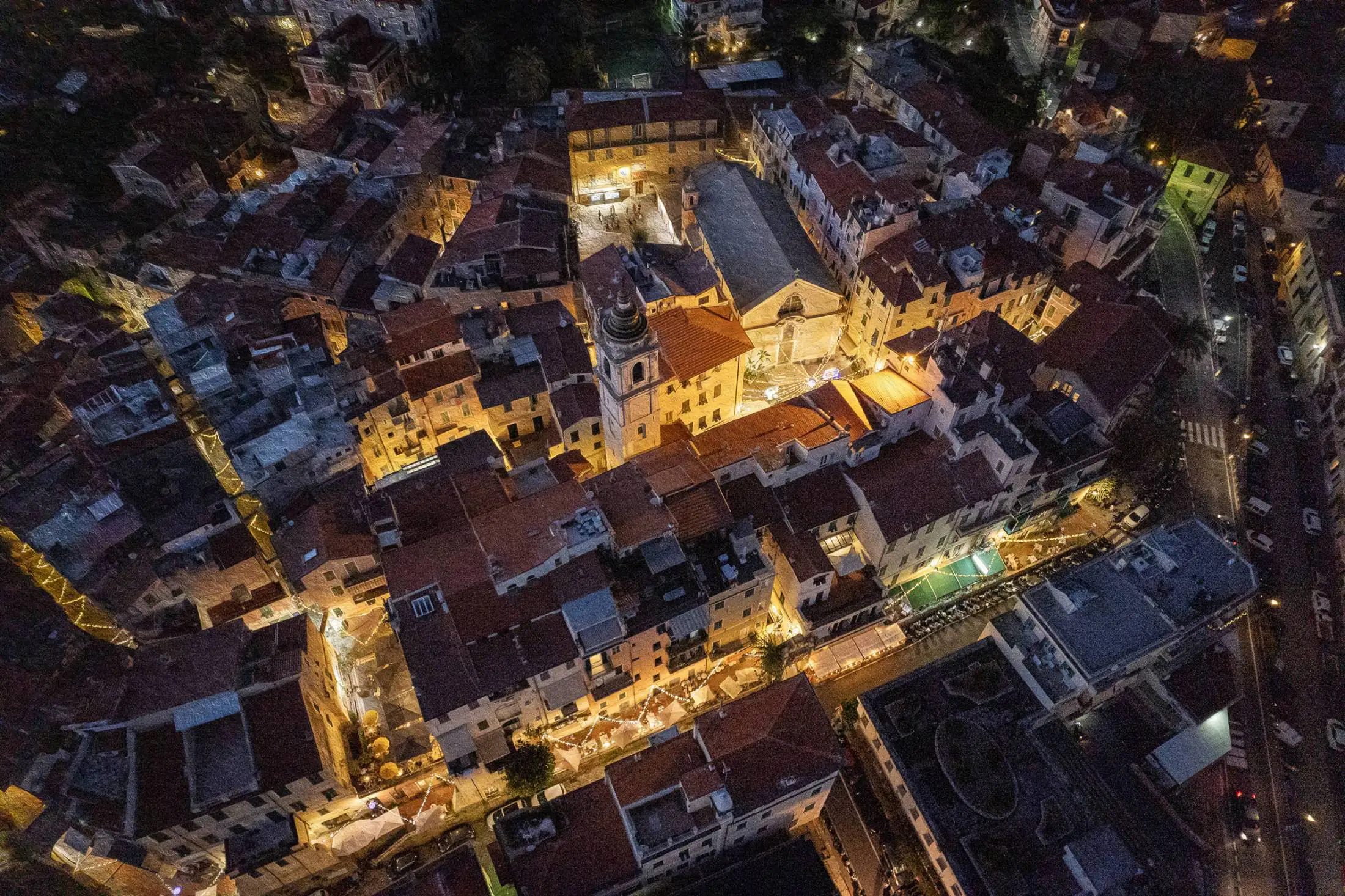
The medieval village stands on the hill of the Capo, enclosed by 15th-century walls reinforced in the 16th century, with an irregular pentagonal layout. You enter through the old gates and lose yourself in a maze of carruggi (narrow lanes), arches and small squares up to the parish church of Santa Maria Maddalena, consecrated in 1617, whose altar and statue of the saint were sculpted by Domenico Parodi. The village is a limited traffic zone all year round: you explore it on foot, by day for the little shops and in the evening for the restaurants in the squares.
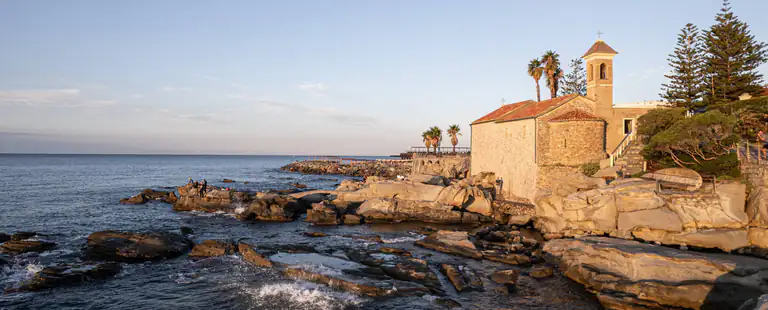
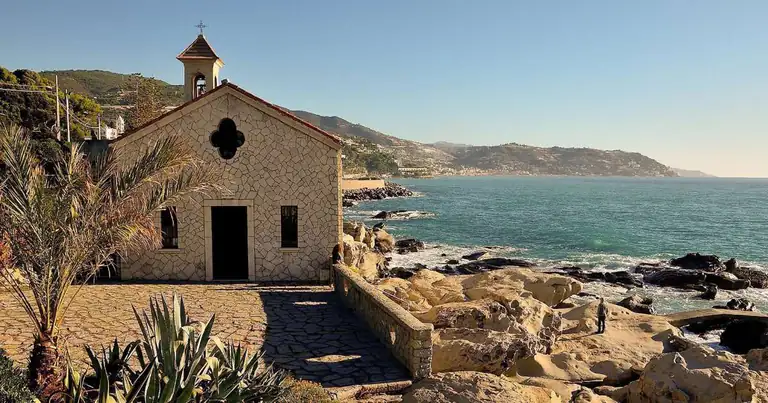
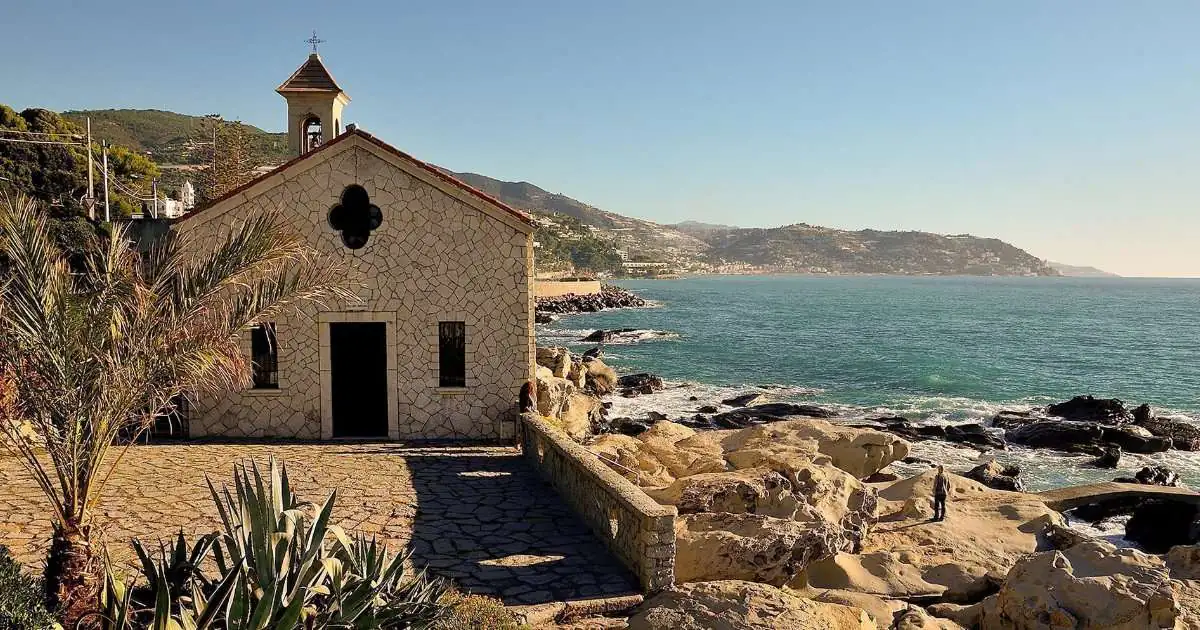
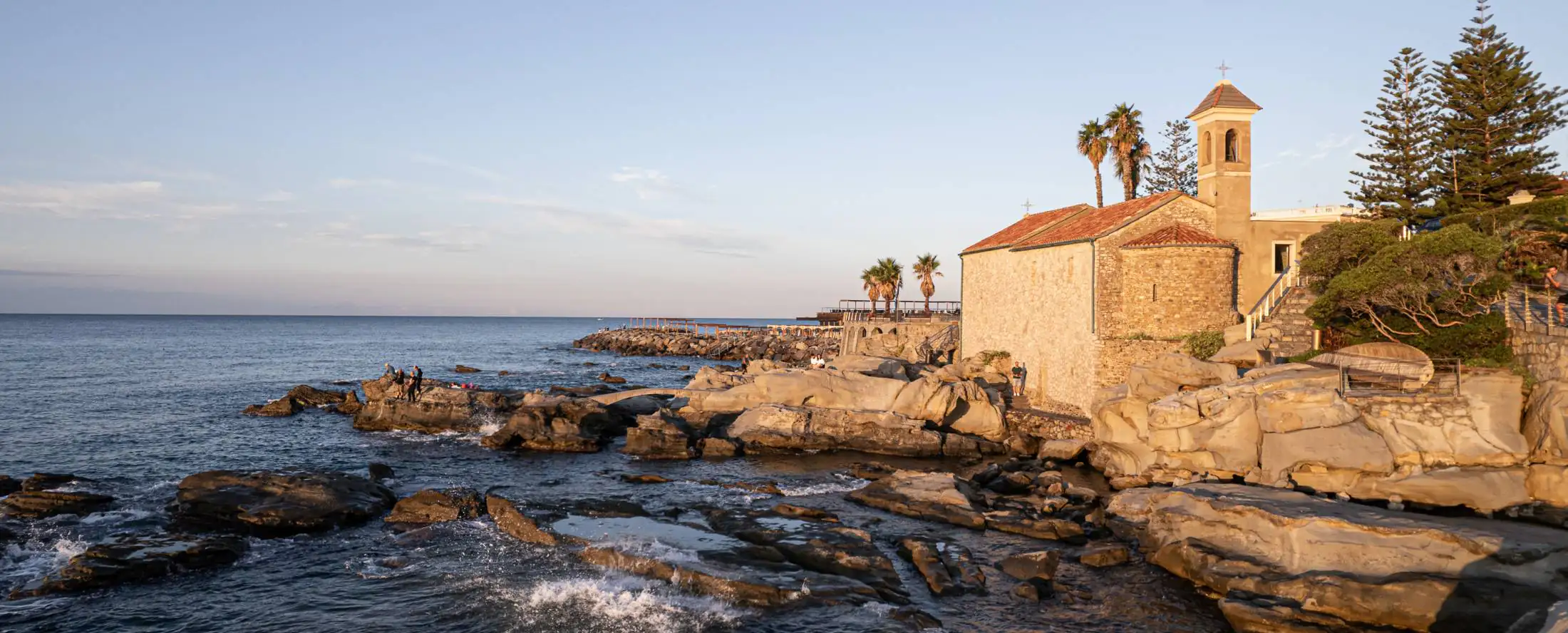
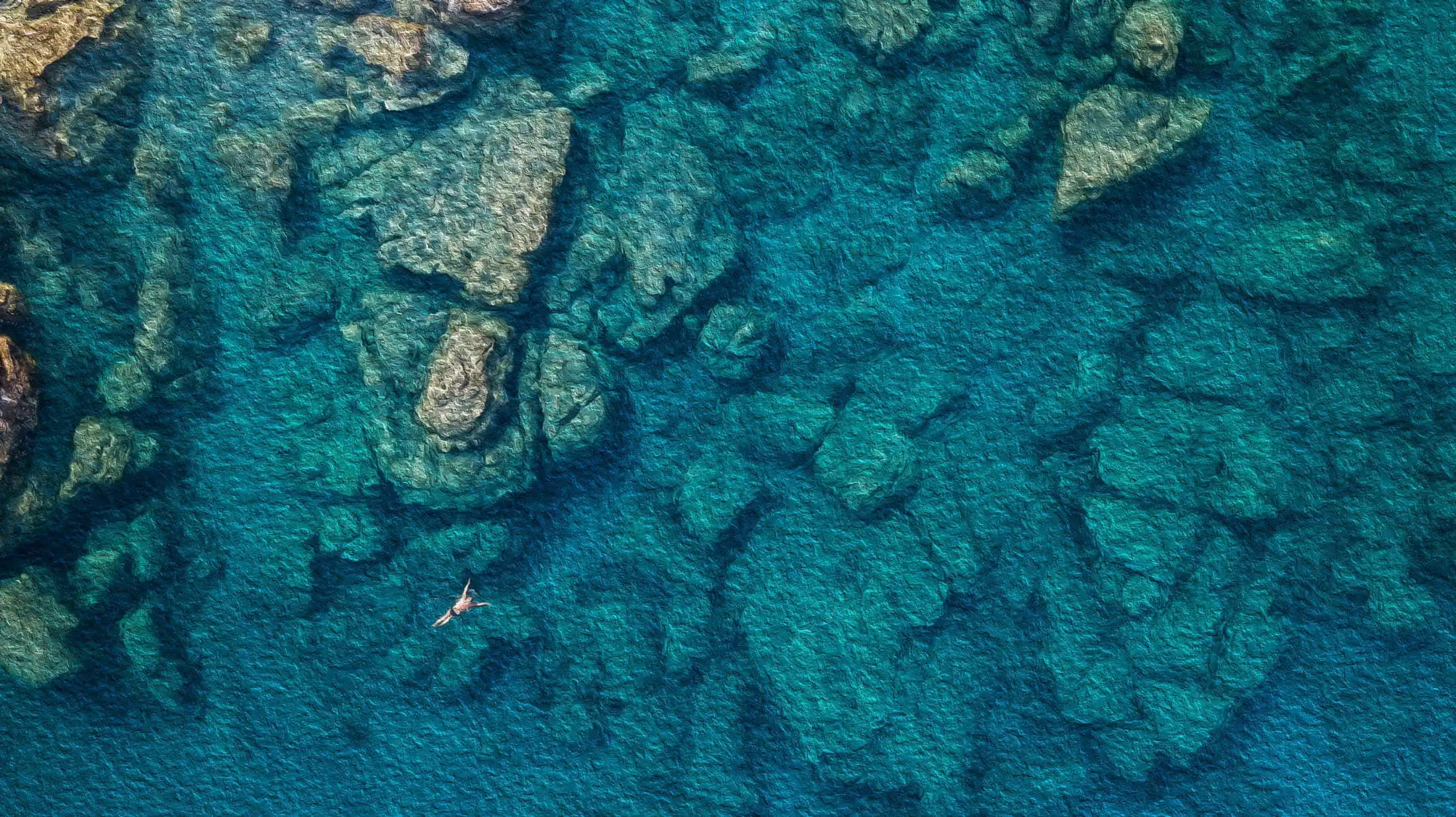
On the rocks of the Capo, at the southernmost point of Liguria, stands the small Romanesque church of Sant’Ampelio, dating from the 11th century. Legend has it that Ampelio, a hermit who came from Egypt in the 5th century, lived in a cave among the rocks and brought the first date palm seeds to Bordighera. The two-apsed crypt holds the stone said to have been his bed. Around the church, the rocks are the locals’ favourite spot for diving in and snorkelling.
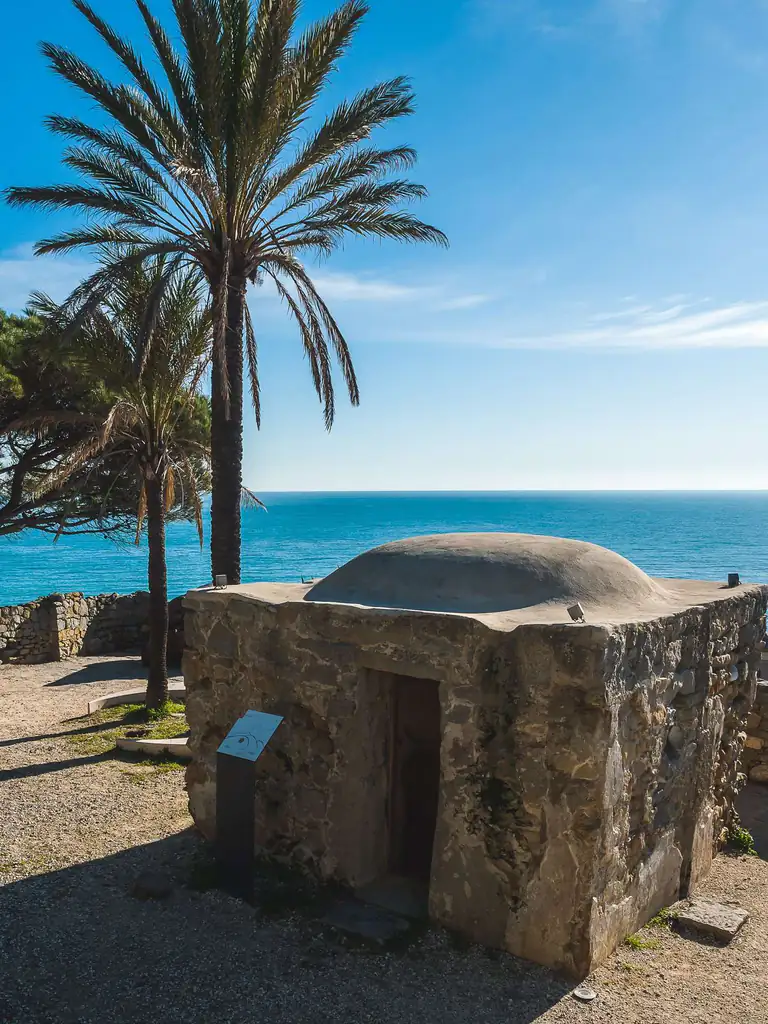
Above Sant’Ampelio, the Spianata del Capo is a viewpoint among pines and palms looking along the coast as far as Menton and the Principality of Monaco. Here you will find the Marabutto, an old powder magazine whose dome recalls the tombs of Muslim holy men, hence the name. Next to it are three old cannons that the locals have nicknamed, in dialect, Butafoegu, Tiralogni and Cagastrasse.
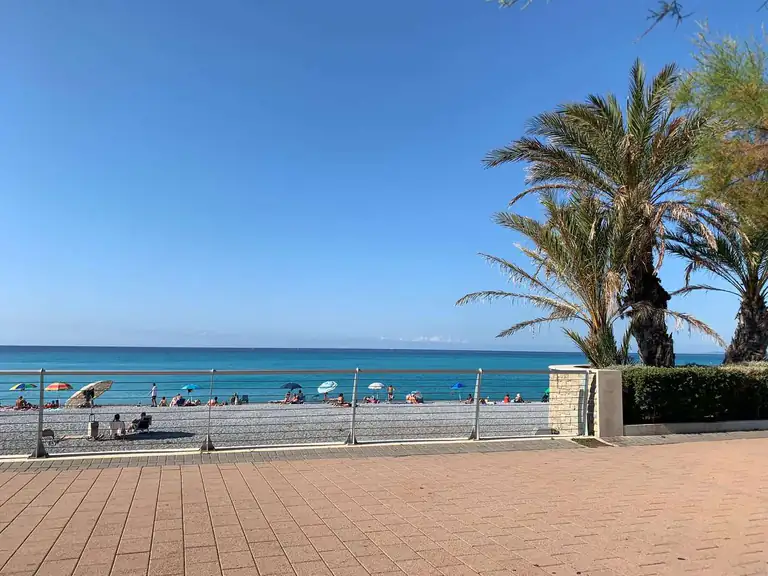
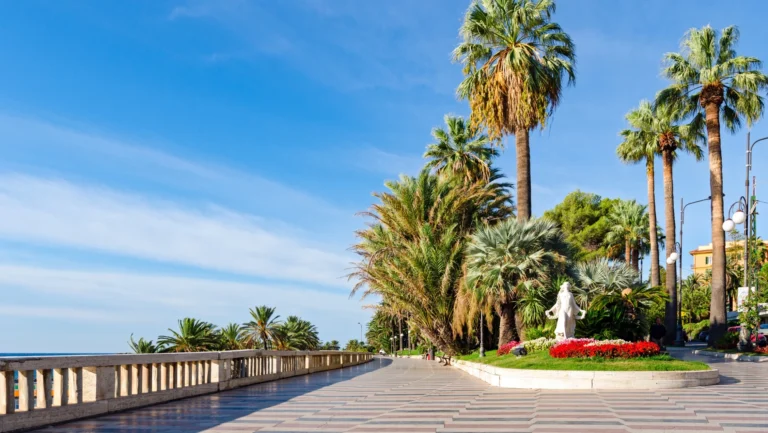
The pedestrian promenade runs for more than two kilometres between the Capo and the beach of Rattaconigli, in the shade of palms, pines and araucarias, with bathing establishments on one side and gardens on the other. It is named after Argentina because it was inaugurated by Evita Perón, who visited Bordighera in July 1947. It is the favourite walk for a morning run and for sunset.
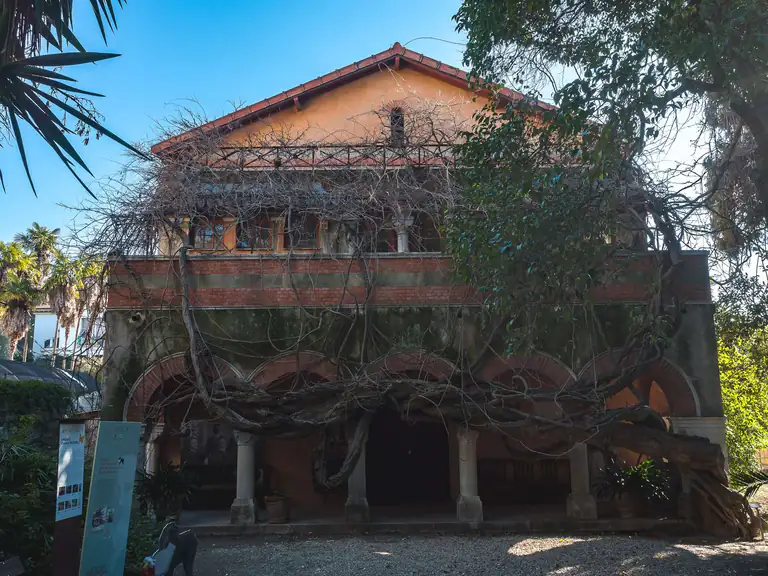
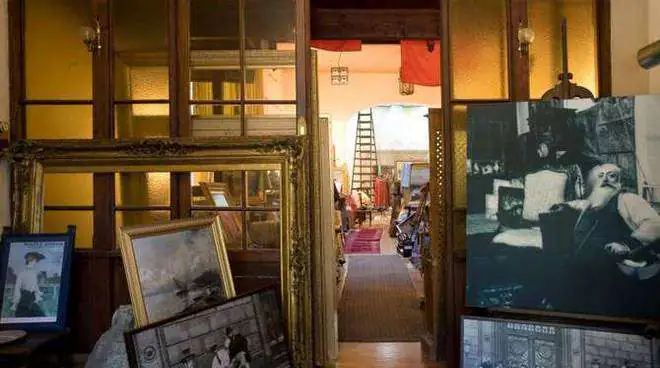
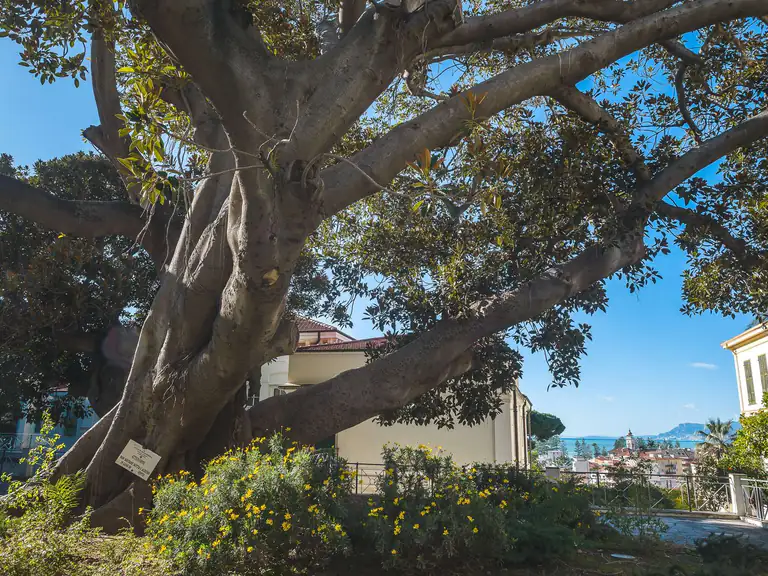
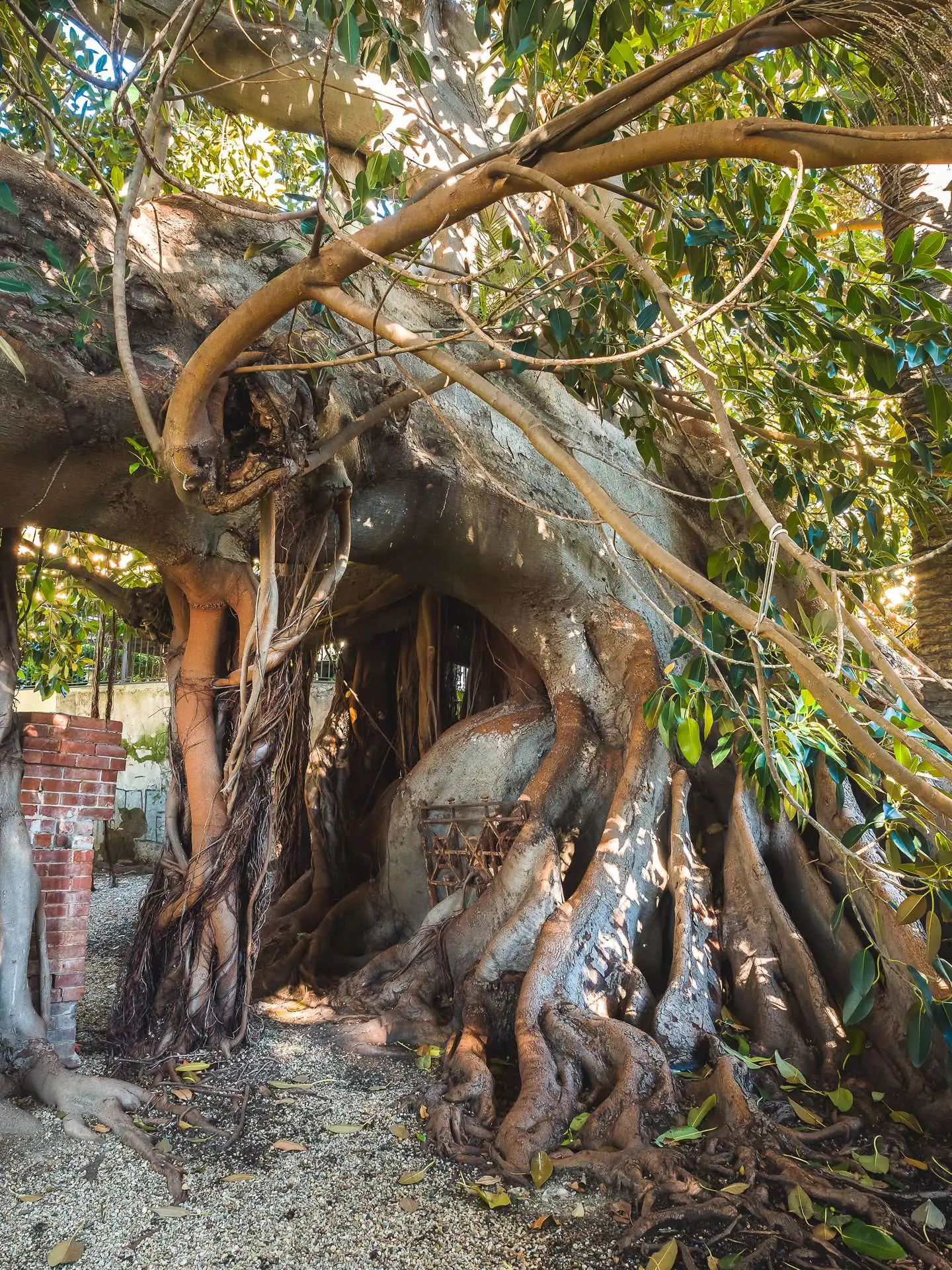
On via Romana, in a building covered in climbing plants, is the museum founded in 1888 by the English Reverend Clarence Bicknell, botanist, archaeologist and Esperantist: it is the oldest museum on the Riviera di Ponente. It holds his natural history collections, casts of the rock engravings of the Vallée des Merveilles and a rich library. In the garden there is a monumental Ficus macrophylla. Today it is the seat of the International Institute of Ligurian Studies.
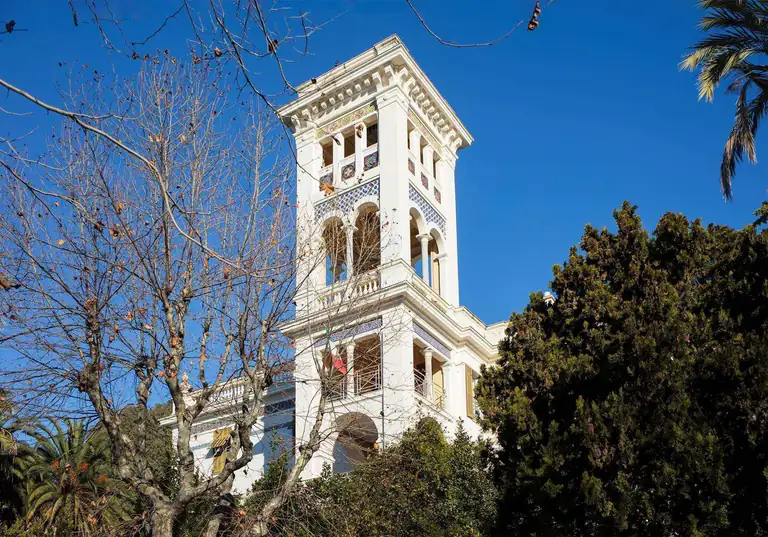
One of the most beautiful villas on via Romana, designed by Charles Garnier for the banker Raphaël Bischoffsheim and built between 1873 and 1875. In 1879 Queen Margherita of Savoy stayed here, and she bought it in 1914. Monet painted it in 1884. Today it is privately owned and can be admired from the outside.
Charles Garnier, the architect of the Paris Opéra and the Monte-Carlo Casino, chose Bordighera as his home: in 1871 he bought a plot of land at Arziglia and built his villa there, with its turret and colourful ceramics. In Bordighera he also designed the Town Hall (1886). Since 1954 the villa has belonged to the Sisters of St Joseph of Aosta and can be visited only on request.
Above the centre, the villa was the home of the painter Pompeo Mariani (1857–1927), who opened his studio “La Specola” here. In the park you can still recognise the spots where Monet set up his easel in 1884. The villa is the seat of the foundation dedicated to the painter and can be visited by appointment.
The large villa built between 1914 and 1916 for Queen Margherita, who died here on 4 January 1926, overlooks via Romana with its park. From 2011 to 2014 it housed the museum of the Terruzzi collection, which then closed. Today it has no opening hours: it opens only for official events, such as the one planned for 5 December 2026 to mark the centenary of Monet’s death.
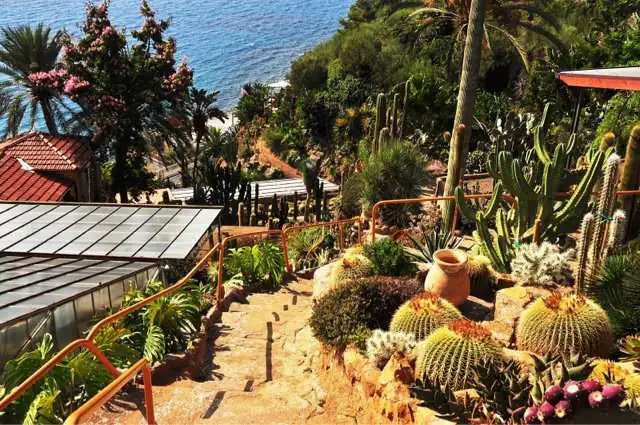
On the road towards Sanremo, on a terrace high above the sea, the Pallanca family’s garden holds one of the most important collections of cacti and succulents in Europe, spread over about ten thousand square metres. It is open from Tuesday to Sunday, with an annual closure from 5 November to 5 December.
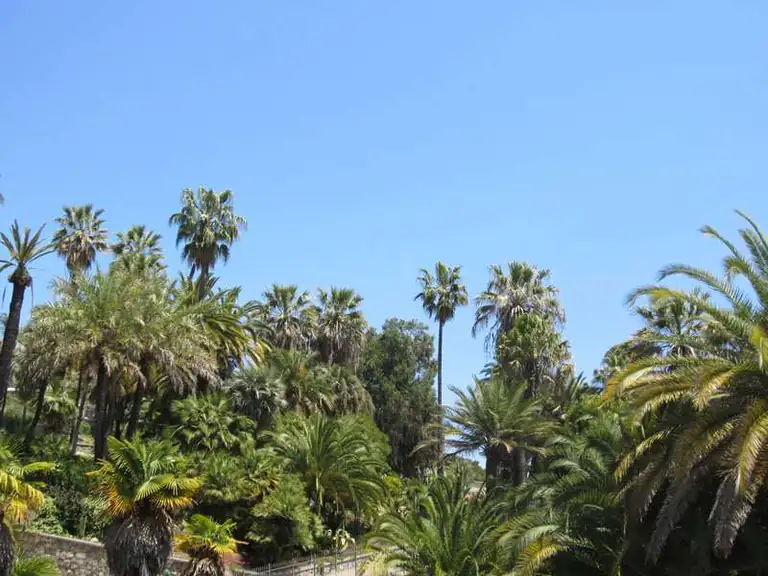
The town is an open-air botanical garden. The Giardini Lowe, donated to the town in 1902, open onto the seafront; the Giardini Monet preserve part of the Giardino Moreno painted by the artist; the palm grove of Bordighera, described at the end of the 19th century as the northernmost in the world, can be seen as you climb towards the old village. Among the most famous trees are the centuries-old fig trees in the centre, more than twenty metres tall.
From the old village a path follows the Beodo, the old channel that carried water from the Sasso valley to the olive mills and vegetable gardens of Bordighera. It is an easy walk among olive groves, palms and dry-stone walls, which Monet walked and painted several times.
Former Anglican church and International Civic Library
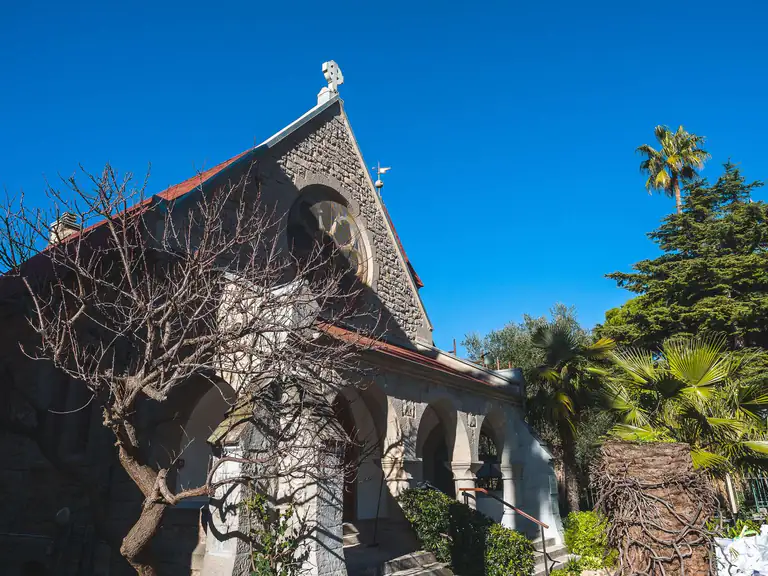
The neo-Gothic Anglican church on via Regina Vittoria, where Bicknell arrived as chaplain in 1878, has been restored by the town council and is now a cultural centre for concerts, exhibitions and talks. On via Romana, the International Civic Library grew out of the library founded by the English in 1880 and holds about sixty thousand volumes.
Sea
Beaches in Bordighera
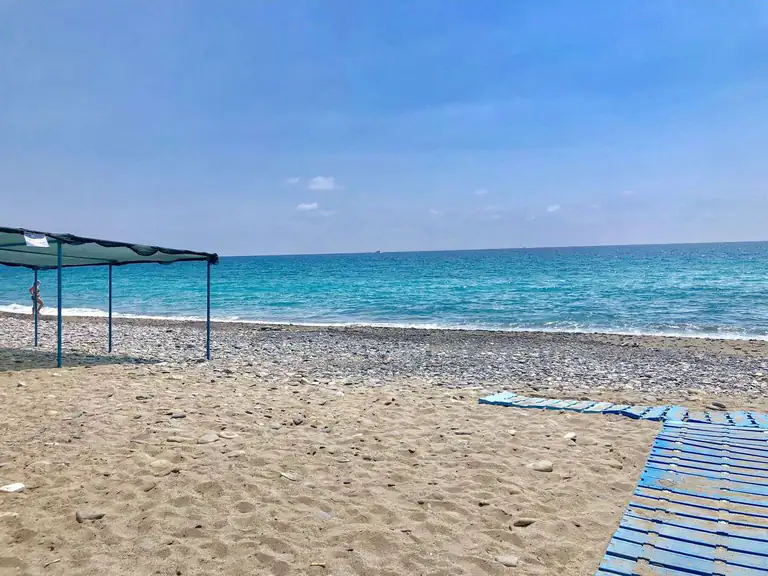
Bordighera has held the Blue Flag in 2025 and 2026. The beaches are made of small round pebbles and, in some stretches, coarse sand, with very clear water and a seabed that slopes gently. Along the Lungomare Argentina, equipped bathing establishments alternate with stretches of free beach; the bathing season runs from 1 May to 30 September. To check the sea live before you go, see the Bordighera webcams.
At the western end, Bordighera’s widest beach is mostly free, with a few bars that host evenings with music in summer. It is the choice of families looking for space.
Lungomare Argentina beaches
Beach clubs
Between the station and the Capo the promenade is pedestrian and you reach the beach through underpasses from the centre. This is where most of the bathing establishments are, such as Amarea, Bagni Kursaal, Bagni Corallo, Lido Beach, Maoma Beach, San Marco Beach and Sant’Ampelio Beach, with free stretches in between. Some establishments accept dogs.
Rocks of Sant'Ampelio
Rocks
Below the little church on the Capo the water is crystal clear and the rocky seabed is the best in town for snorkelling. You swim from the rocks: bring water shoes and take care when the sea is rough.
Arziglia beach
SandPebbles
East of the harbour, the old fishermen’s beach is a strip of about three hundred metres of sand and pebbles, free and quieter than the beaches in the centre. Near the marina, swimming is forbidden within two hundred metres of the harbour mouth.
Where to stay
Where to stay in Bordighera
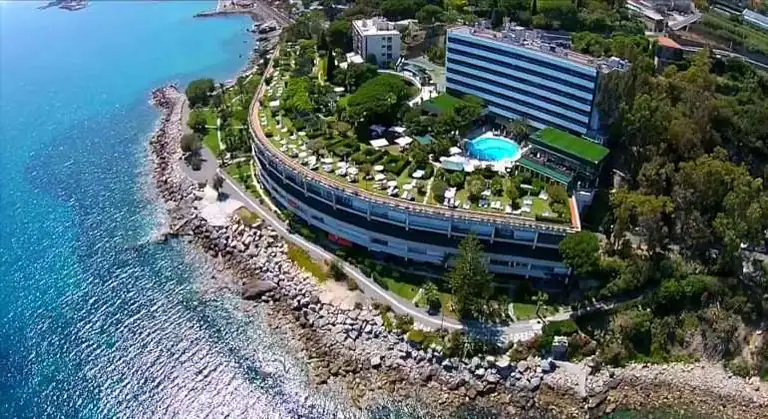
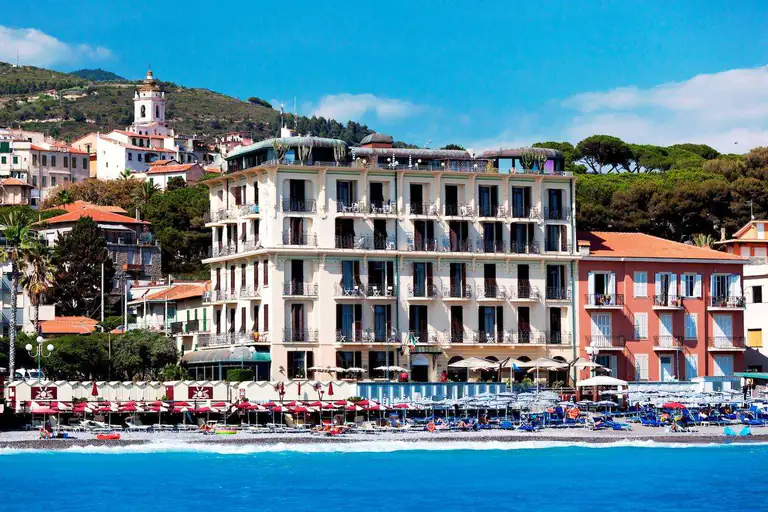
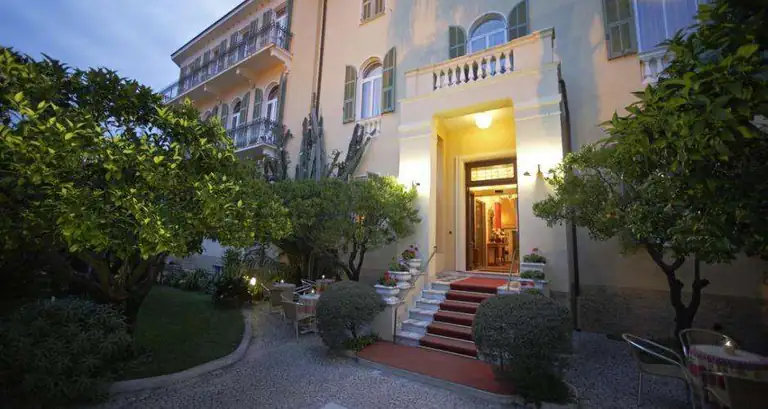
Bordighera has a limited range of places to stay compared with the big resorts, so it pays to book ahead, especially in summer, at Easter and during major events nearby, such as the Sanremo Festival, the Monaco Grand Prix and the Monte-Carlo Masters.
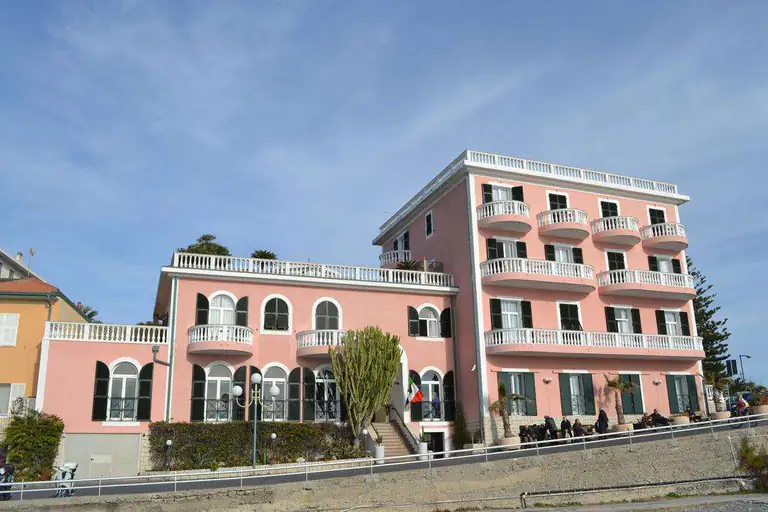
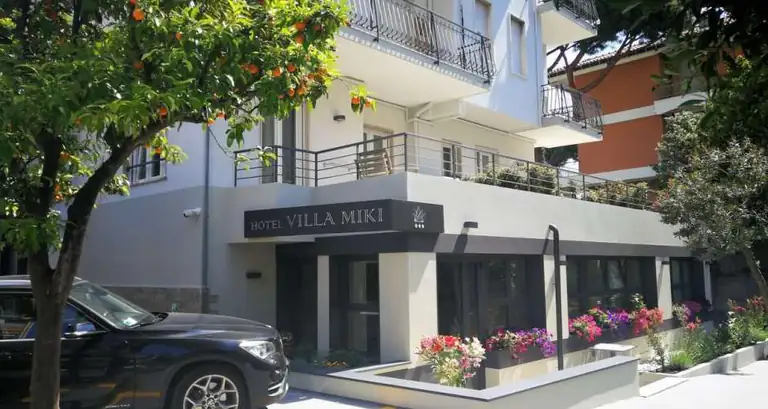
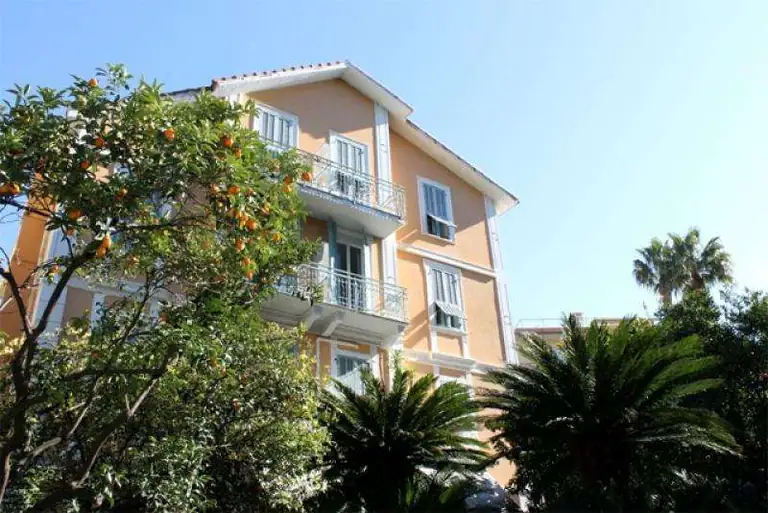
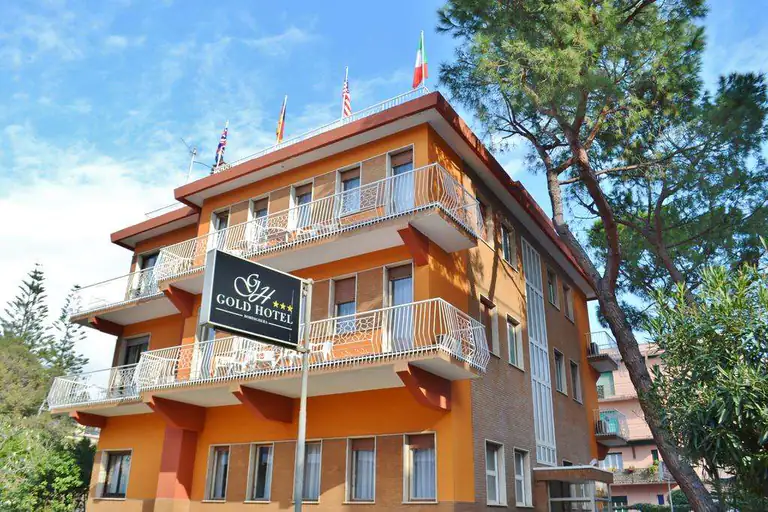
The right area depends on the kind of holiday you want. The centre and the seafront are the most convenient, with beaches, station and restaurants within walking distance. Bordighera Alta is perfect if you want atmosphere, but it is a limited traffic zone (ZTL), so you need to plan for the car. Via Romana and the hillside offer villas and apartments with gardens in a peaceful setting, a few minutes from the sea.
Take the A10 Genoa–Ventimiglia motorway to the Bordighera exit; from the toll booth a scenic road leads down to the centre in a few minutes. It takes about two hours from Genoa, about three and a half hours from Milan and about two and a half hours from Turin.
By train
Bordighera station is on the Genoa–Ventimiglia line, in the town centre and a short walk from the sea. It takes about ten minutes from Sanremo, five to ten from Ventimiglia and about two hours from Genova Piazza Principe. From France you change at Ventimiglia: from Nice the whole journey takes about an hour and a quarter.
By bus
Riviera Trasporti buses link Bordighera with the coast and the hinterland. Line 2 Ventimiglia–Bordighera–Sanremo runs every 15–20 minutes on weekdays; line 10 climbs to Sasso and Seborga (weekdays only); urban line 11/2 serves Bordighera Alta.
By plane
The nearest airport is Nice Côte d’Azur, about 58 kilometres away: by car, with no traffic, it takes 45–60 minutes. Genoa airport is about two hours away.
ZTL and car parks
Bordighera Alta has been a limited traffic zone since 2022, in force 24 hours a day all year round, with a camera at the junction of via Circonvallazione and via al Capo: you can only enter with a permit. In town, blue-line parking is paid all year round during the day and, in summer, until 11 pm; the largest car parks are in piazza Eroi della Libertà and piazzale Raoul Zaccari, while under the covered market parking is limited to one hour with a parking disc. Around Bordighera Alta, blue-line parking is paid all year round until 11 pm. All the details, with rates and tips, are in our guide to parking in Bordighera.
A10, Bordighera exit; 24-hour ZTL in Bordighera Alta
By train
Station in the centre, Genoa–Ventimiglia line; Sanremo 10 minutes, Ventimiglia 5–10
By plane
Nice Côte d’Azur (about 58 km); 45–60 minutes by car
The guide
Monet in Bordighera
Claude Monet arrived in Bordighera on 18 January 1884, having seen it the month before on a trip with Renoir. He meant to stay a few weeks and remained until early April, lodging at the Pension Anglaise. In those months he painted around forty canvases: the palms and olive trees of the Giardino Moreno, the Vallone del Sasso, the old village seen from the Torre dei Mostaccini, the villas of via Romana and the Beodo path. “Everything is wonderful”, he wrote to his partner Alice. Today his Bordighera paintings hang in museums in Paris, Chicago and Los Angeles, while in town you can follow in his footsteps on a guided tour. The full story is in our guide to Monet in Bordighera.
Bordighera in one day: an itinerary
Bordighera is easy to explore on foot. With one day to spare, this itinerary covers the main sights without rushing.
Morning: walk up to Bordighera Alta from via Romana, wander through the carruggi to the church of Santa Maria Maddalena, then head down to the Spianata del Capo and the Marabutto.
Late morning: the little church of Sant’Ampelio and a swim from the rocks or at one of the bathing establishments on the seafront.
Lunch: fish of the day at a seafront restaurant or a vegetable pie from a bakery in the centre.
Afternoon: via Romana with its villas, the Bicknell Museum and the Giardini Lowe, or the Pallanca Exotic Garden.
Sunset: a stroll along the Lungomare Argentina and dinner in Bordighera Alta.
With a second day, add the Beodo path towards Sasso or a trip to Dolceacqua; with a third, Menton or the Hanbury Gardens.
Sport and outdoor activities in Bordighera
The mild climate means you can do sport all year round. The Lungomare Argentina is perfect for running and brisk walking. Cyclists should know that the Riviera dei Fiori cycle and pedestrian path does not reach Bordighera: since July 2026 it has run continuously from Ospedaletti to Andora, for about 45 kilometres, and from Bordighera you reach it by riding along the Aurelia to Ospedaletti. For mountain biking there is the Ciclovia Bicknell, a loop of more than 150 kilometres between the coast and the Roya valley.
From the paths of Bordighera Alta you can climb towards Sasso, Seborga and Monte Nero through olive groves and terraces. At sea you can go snorkelling, paddleboarding, kayaking and sailing; offshore lies the Pelagos Sanctuary, the protected area for whales and dolphins, where whale-watching trips set out in summer. Bordighera also has a long tennis tradition: its Lawn Tennis Club, founded by the English in 1878, is one of the oldest in Italy.
What to eat in Bordighera
Every day, fishermen from Bordighera’s little harbour supply the town’s restaurants, so fresh, top-quality fish is easy to find. The cooking is that of western Liguria, based on seafood and aromatic herbs. Dishes to try:
Brandacujun: stockfish creamed with potatoes, olive oil and garlic, the comfort food of this coast.
Panissa: chickpea flour polenta, fried in sticks or dressed with olive oil and spring onion.
Sardenaira: the focaccia of western Liguria, topped with tomato, anchovies, olives and capers.
Vegetable pies and barbagiuai: savoury chard pies and the fried ravioli filled with pumpkin from the hinterland.
Ligurian-style rabbit: with Taggiasca olives, pine nuts and herbs.
Wines: Rossese di Dolceacqua, the first DOC wine in Liguria, and the Vermentino and Pigato whites of the Riviera Ligure di Ponente.
Palm Sunday (March or April): Bordighera is tied to the tradition of the “parmureli”, woven palm fronds. According to tradition, in 1586 Captain Benedetto Bresca obtained from Pope Sixtus V the privilege of supplying palms to the Vatican; Bordighera and Sanremo still argue over its origin. In 2026 the town marked 440 years of the privilege with weaving demonstrations.
Feast of Sant’Ampelio (14 May): the patron saint’s festival, with a procession to the Capo and fireworks over the sea.
Bordighera Book Festival (late August; in 2026 from 27 to 30 August): author talks and book presentations on corso Italia, free entry.
Sagra della Berlicata (August): the festival of the hamlet of Sasso, with the local drink and traditional dishes.
Weekly market (Thursday morning) and antiques market (first Sunday of the month, except January) on the Lungomare Argentina. All the details are in our guide to the Bordighera market.
Bordighera also has a festival history: from 1947 to 1999 it hosted the International Humour Salon, with its Palma d’Oro and Dattero d’Oro awards.
Bordighera all year round
Bordighera began as a winter resort: nineteenth-century English visitors came precisely for the mild climate, sheltered by the mountains behind the town. Even today the January average is around 10 °C, while July and August stay around 24 °C, cooled by the sea breeze.
Winter: walks along the Lungomare Argentina and among the villas of via Romana, the Bicknell Museum and day trips to the Côte d’Azur with little traffic. 5 December 2026 marks a hundred years since the death of Monet, who arrived in Bordighera in the middle of winter, on 18 January 1884.
Spring: Palm Sunday with the woven palm fronds (parmureli), the feast of Sant’Ampelio on 14 May, gardens in bloom and the hiking trails.
Summer: Blue Flag beaches, the Bordighera Book Festival at the end of August, evenings on the promenade.
Autumn: the sea is still warm in September, there is an antiques market on the first Sunday of the month, and it is a good time for trips to the villages of the Nervia valley.
Location is one of Bordighera’s great strengths: in half an hour you can reach the villages of the Nervia valley, the Côte d’Azur and the Principality of Monaco. Distances are by road from the centre; times assume no traffic.
Ventimiglia and the Hanbury Gardens (5–11 km, 10–20 minutes): the Friday market, the old upper town and the botanical garden at La Mortola.
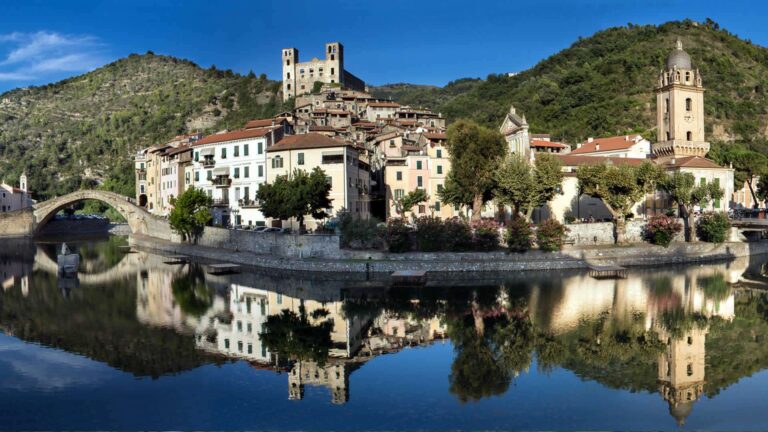
Dolceacqua (10 km, 15–20 minutes): the village with the bridge painted by Monet, the Doria castle and the Rossese wine cellars.
Seborga (10 km, 15–20 minutes): the village that proclaims itself a “principality”, also reachable on bus 10.
Sanremo (12 km, 20 minutes): the casino, La Pigna, the harbour and corso Matteotti.
Apricale (17 km, 25 minutes): one of the Most Beautiful Villages in Italy, perched on its hill.
Menton (16 km, 25 minutes): the first town in France, with its old town and gardens.
Monaco (32 km, 35–45 minutes): the Prince’s Palace, the Oceanographic Museum and Monte-Carlo.
Weather
Weather and best time to visit Bordighera
Spring and autumn; mild in winter too
🌙
15°CNow · wind 11 km/h
Sat 10🌤️21° 14°
Sun 11⛅23° 15°1 mm
Mon 12🌤️23° 16°
Tue 13🌤️22° 15°
Wed 14🌤️21° 16°
Thu 15☀️22° 15°
Forecast: MET Norway (Yr), CC BY 4.0 licence. Updated hourly.
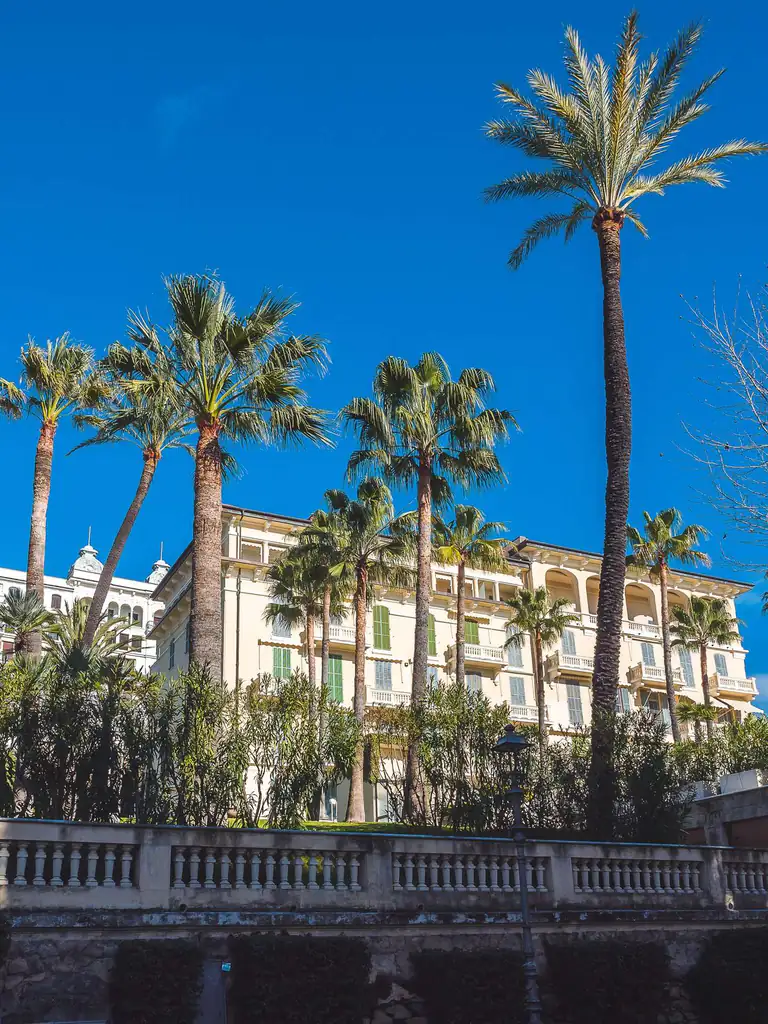
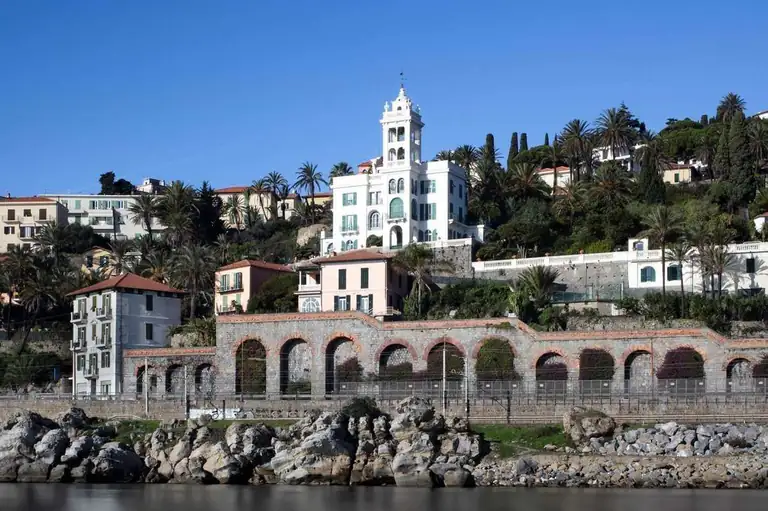
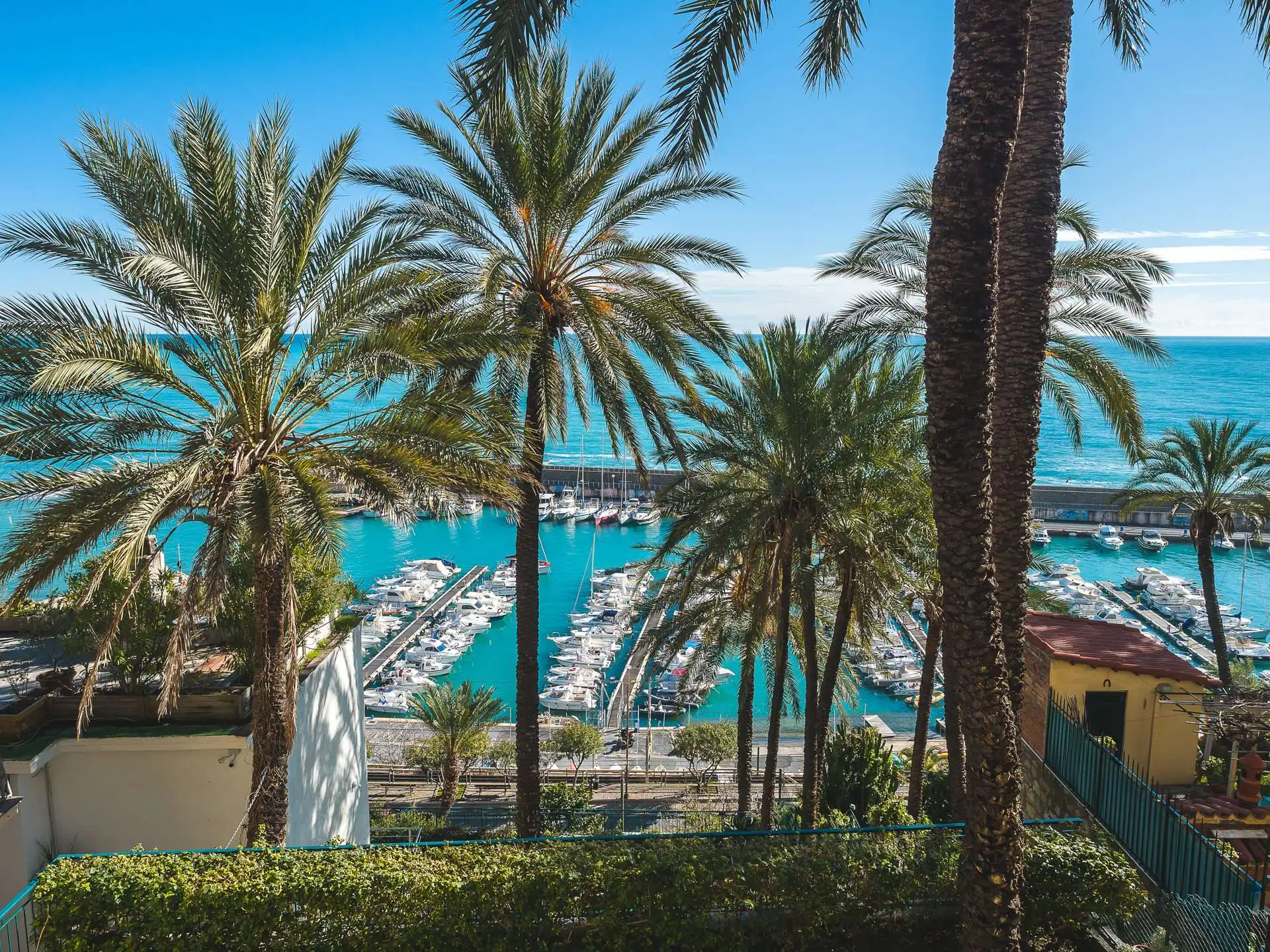
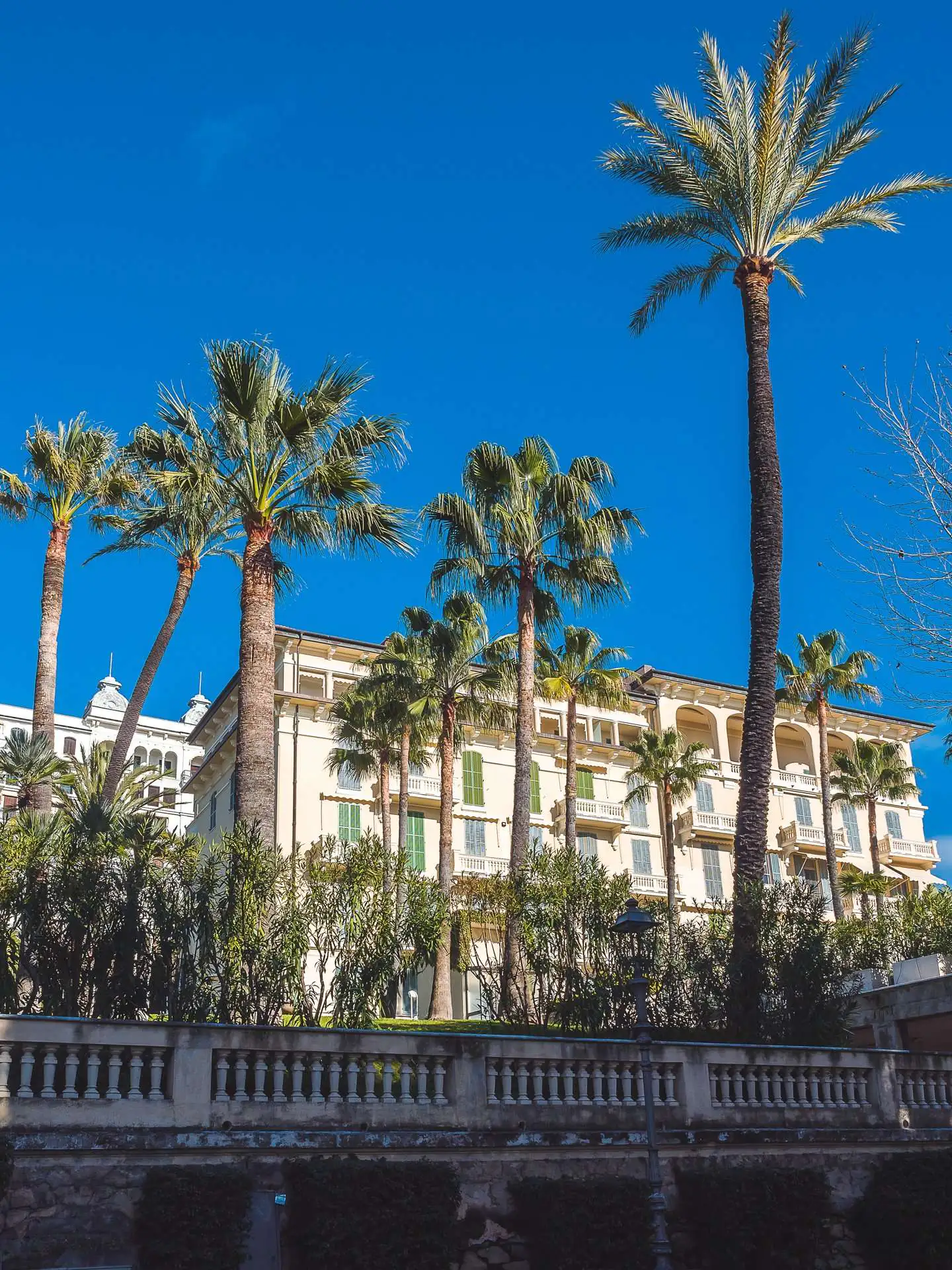
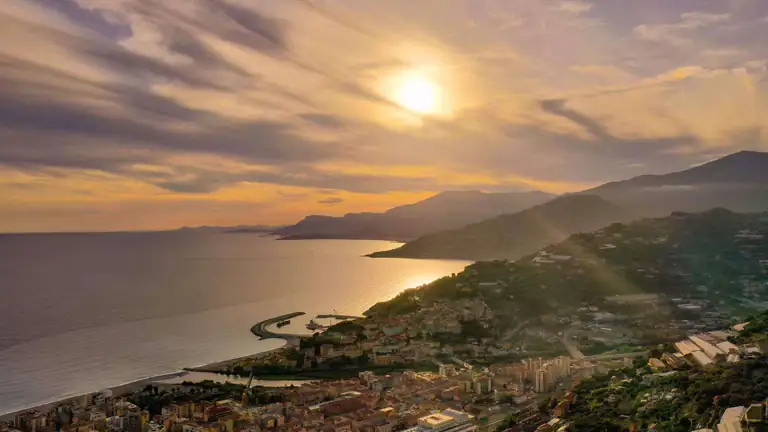
Church of Sant'Ampelio on the rocks of BordigheraSant'Ampelio and the rocks of Bordighera at sunsetCape of Bordighera and the old town seen from the seaBordighera Alta from above with the seaPalm trees overlooking Bordighera marinaBordighera marina with villas on the hillsidePalms and historic villa on the Bordighera seafront
FAQ
Frequently asked questions about Bordighera
What can you see in Bordighera in one day?
Bordighera Alta, the little church of Sant’Ampelio and the Spianata del Capo, the Lungomare Argentina, the villas of via Romana with the Bicknell Museum and, if there is time, the Pallanca Exotic Garden.
Does Bordighera have sandy beaches?
The beaches are made of small round pebbles and, in some stretches, coarse sand. The water is very clear and the seabed slopes gently, so they are suitable for children too.
Does Bordighera have a Blue Flag?
Yes, Bordighera was awarded the Blue Flag in 2025 and 2026.
Where can you park in Bordighera?
In the blue-line car parks in the centre, in piazza Eroi della Libertà, in piazzale Raoul Zaccari and along the seafront. Bordighera Alta is a ZTL all year round: leave the car outside the walls and walk up.
How do you get to Bordighera from Nice airport?
By car or taxi in 45–60 minutes along the motorway; by train, changing at Ventimiglia, in about an hour and a quarter from Nice.
How far is Bordighera from Sanremo and from France?
Sanremo is 12 kilometres away, about twenty minutes by car or ten by train. Ventimiglia is five kilometres away and Menton, the first town in France, sixteen.
When did Monet paint in Bordighera?
From 18 January to early April 1884, when he painted around forty canvases of palms, olive trees, villas and the old village.
What is the best time to visit Bordighera?
Spring and autumn, with ideal temperatures and fewer people; summer for the sea. Thanks to its mild climate Bordighera is pleasant in winter too, with days often around 15 degrees.
Is there a cycle path in Bordighera?
No, the Riviera dei Fiori cycle and pedestrian path starts at Ospedaletti, about six kilometres away, and continues as far as Andora.
What is the local food in Bordighera?
Fish of the day, brandacujun made with stockfish, panissa, sardenaira and vegetable pies, washed down with a Rossese di Dolceacqua or a Vermentino.
Is Bordighera worth visiting in winter?
Yes, if you are after walks, culture and day trips rather than swimming: the January average is around 10 °C, the town is quiet and the Côte d’Azur is half an hour away. Out of season some beach clubs and seasonal venues are closed.