Riviera di Ponente › Riviera delle Palme
Albenga
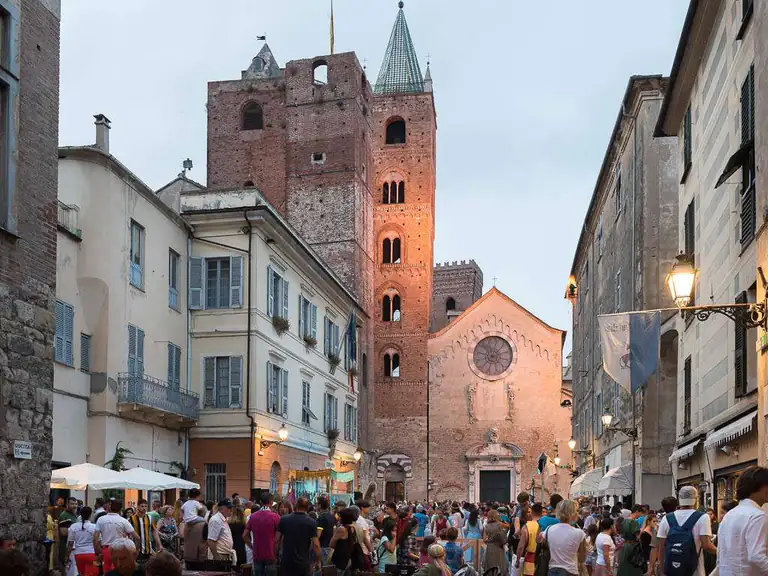
Town of medieval towers: early Christian baptistery, cathedral, Roman shipwreck museum, Roman road to Alassio, beaches facing Gallinara island.
Discover →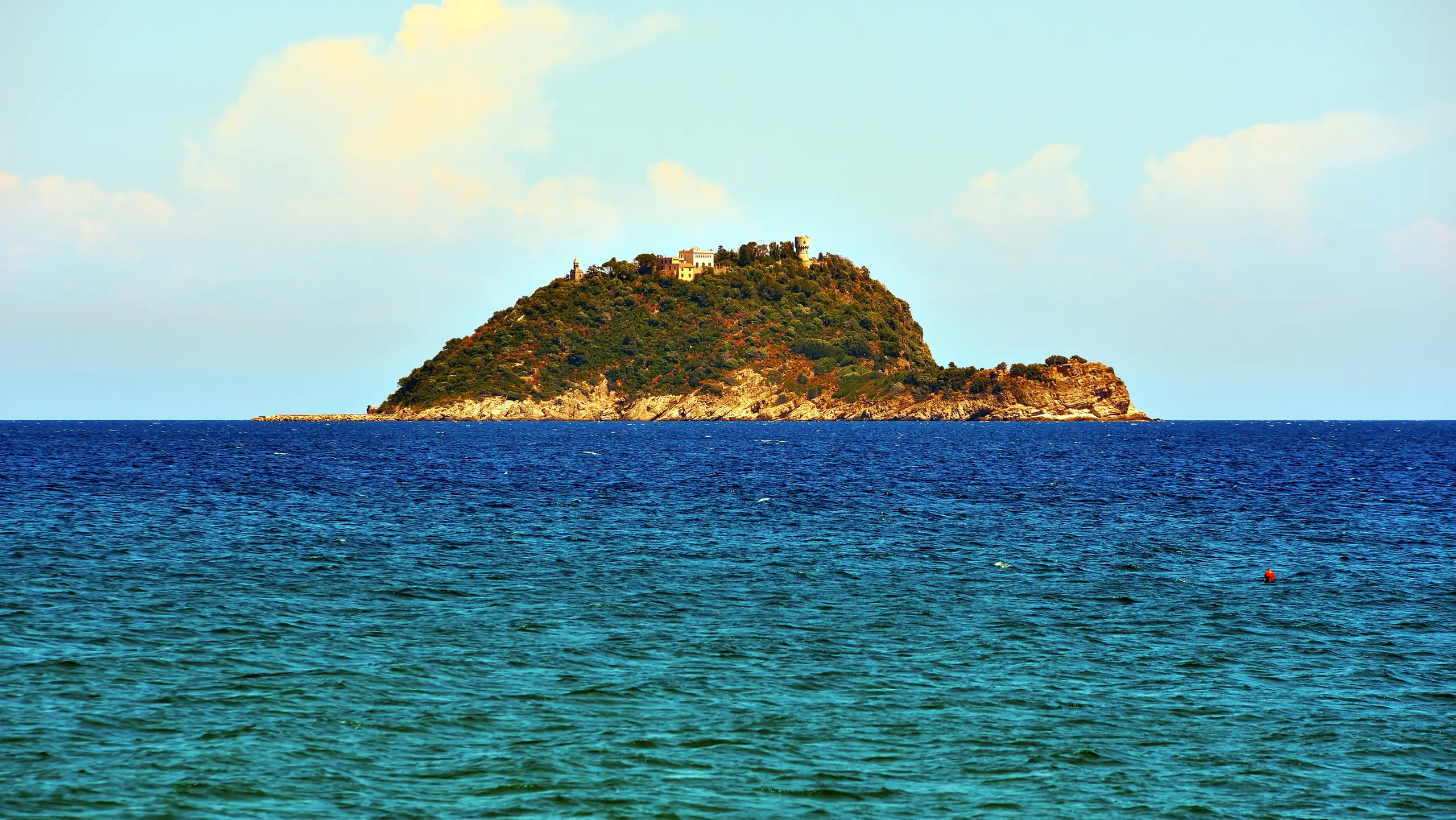
The island off Albenga: nature reserve, history, why you can't land, boat trips from Alassio, diving and where to see it from the coast.
Gallinara Island is the green islet you see from every beach between Albenga and Alassio. It belongs to the town of Albenga, has been a protected natural area since 1989 and is privately owned. You cannot land on it: you can admire it from the shore, take a boat trip around it or dive its seabed with an authorised dive centre. Here is what the island is, its history and how to see it up close.
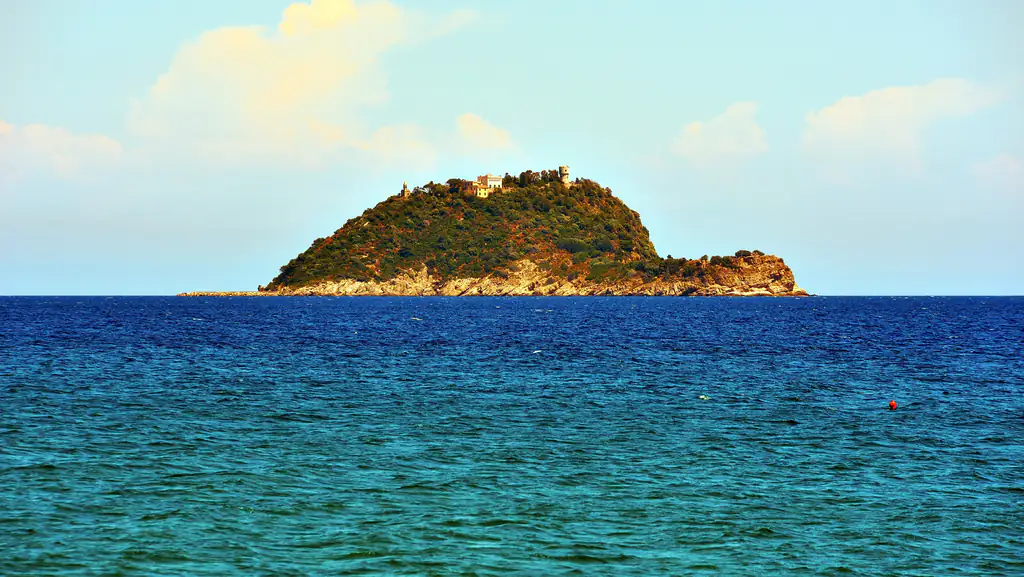
Gallinara is a small rocky island, less than half a kilometre across, rising to 89 metres above sea level. A shallow channel, around 12 metres deep on average, separates it from the mainland. On top you can spot the round watchtower the Genoese built between 1542 and 1547 against pirate raids.
The name comes from the wild hens (galline) that lived here in Roman times, mentioned by Latin authors such as Varro and Columella. Today the most numerous residents are seabirds.
In 1989 the Liguria Region added the island to its protected areas for its natural, historical and archaeological value. It is also a Site of Community Importance in the EU’s Natura 2000 network.
A marine protected area around the island has been under discussion for years; for now, the landing and diving rules below apply.
All places to stay in Albenga on Booking: compare prices and availability.
Around the middle of the 4th century, Saint Martin of Tours, fleeing the Arian persecutions, lived on the island as a hermit for a few years. Local tradition links a cave on the west side to his stay.
Later, Benedictine monks founded an abbey here. It was rebuilt after Saracen raids and is documented in 1011 as the monastery of Saints Mary and Martin. In the 12th century it became independent, under the direct protection of the Holy See, and owned land along the coast: the church of Santa Croce in Alassio was built by the Gallinara monks in the 11th century. Decline set in from the 13th century, and in 1473 the abbey became a commendam. In the 19th century the island passed into private hands, and new buildings went up on the monastery ruins.
No. The island is private and not open to tourists: there are no ferries or guided visits ashore, and boat trips approach it without docking. Do not try to land by dinghy or paddleboard either: on top of being private property, it is a protected nature area.
You can still see it very close from the water, or explore the underwater side on a guided dive.
Trips around Gallinara leave mainly from the harbour in Alassio. You sail along the cliffs, pass beneath the gull colony and get a close look at the tower and the buildings on the abbey ruins. Some trips include a stop for a swim or snorkelling off the island.
Trips are seasonal and depend on sea conditions. Prices and times change every year, so ask the Alassio tourist office or check visitalassio.com before you go.
For years diving was banned because of unexploded wartime ordnance and a wreck on the seabed. Today it is allowed only with guides from the approved dive centres: you cannot dive independently. The two best-known sites are:
The seabed between Albenga and the island also holds Roman shipwrecks from the 1st century BC, loaded with amphorae. Many finds are displayed in the Roman Naval Museum in Albenga; check it is open before you go.
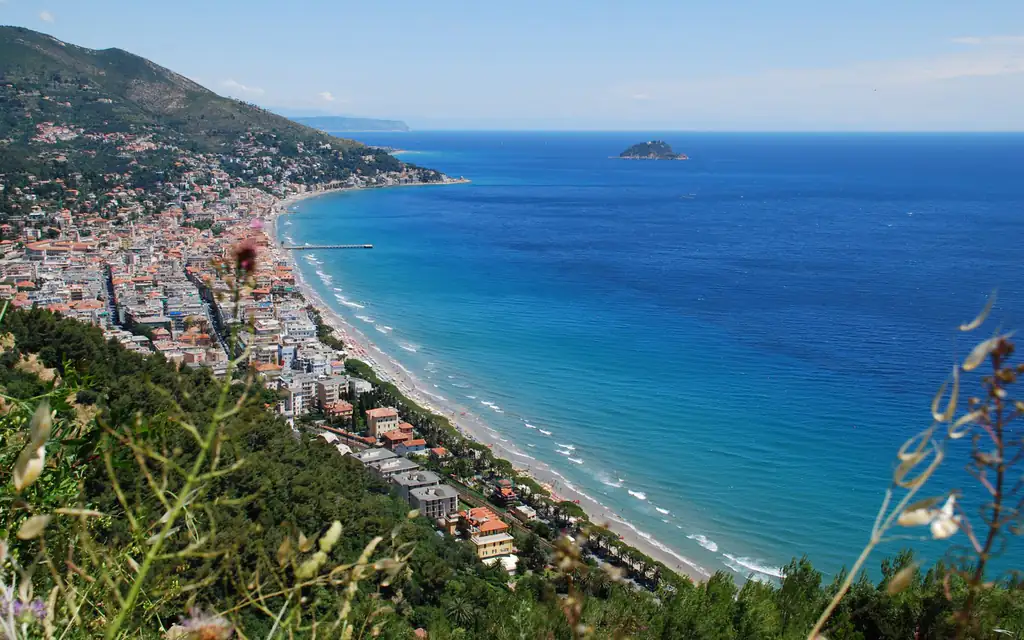
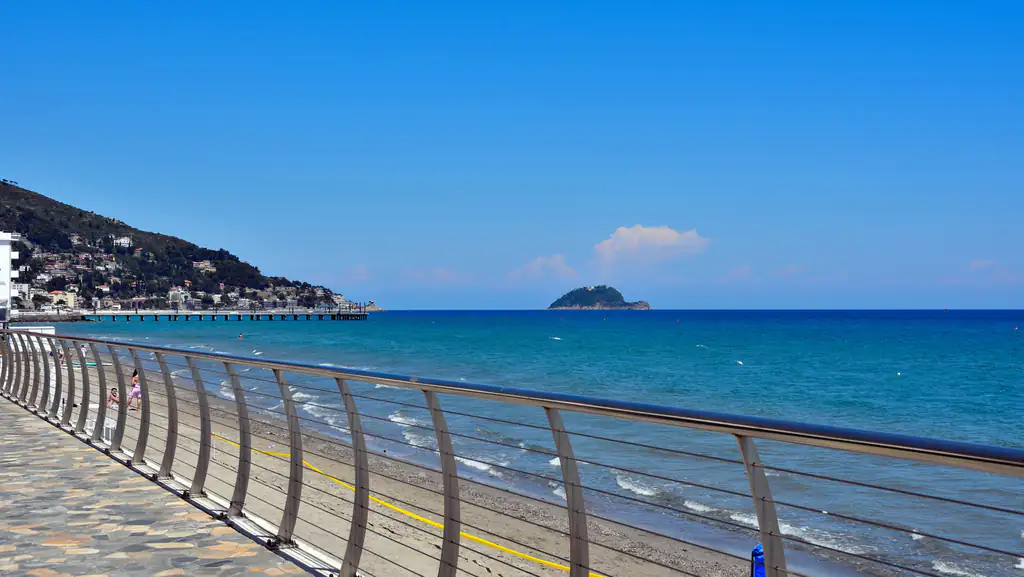
Gallinara is in front of you all the way from the beaches of Albenga to the Alassio seafront. The best viewpoints:
If you are here for the sea, see our guide to the beaches of Alassio; for food, the local produce of Albenga. Laigueglia and Loano are a short drive away.
Nearby
Riviera di Ponente › Riviera delle Palme
Town of medieval towers: early Christian baptistery, cathedral, Roman shipwreck museum, Roman road to Alassio, beaches facing Gallinara island.
Discover →Guide
The 4 d'Albenga: violet asparagus, spiny artichoke, trombetta courgette and cuore di bue tomato. Seasons, how to eat them, where…
Discover →