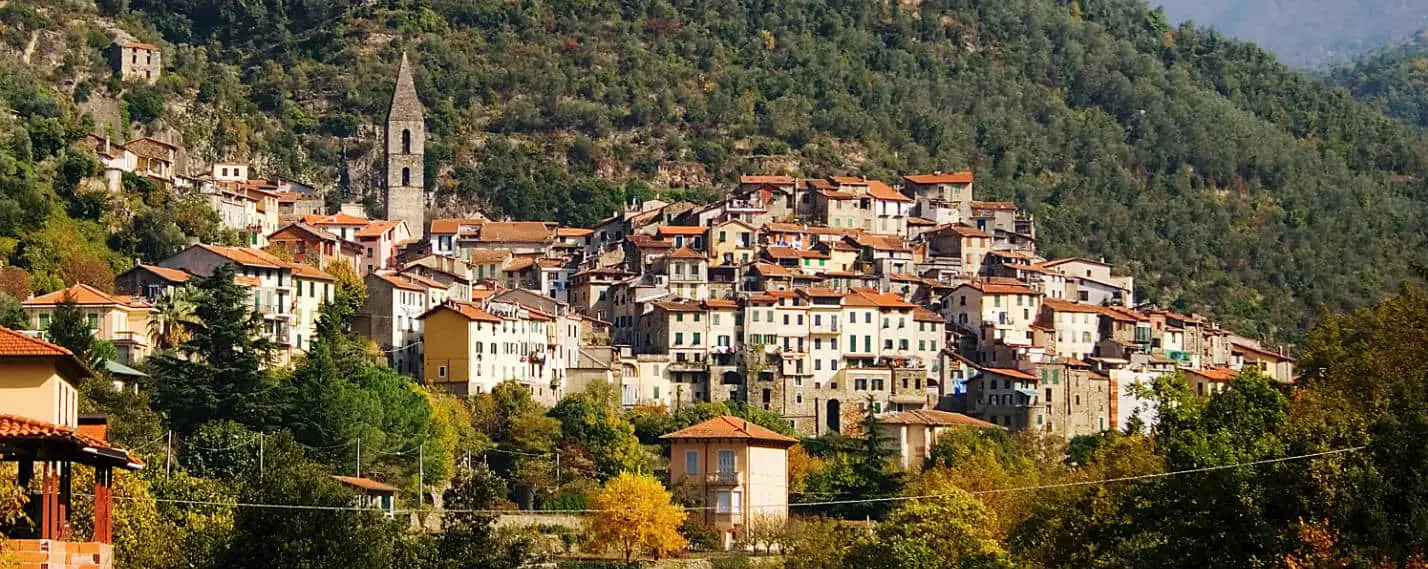
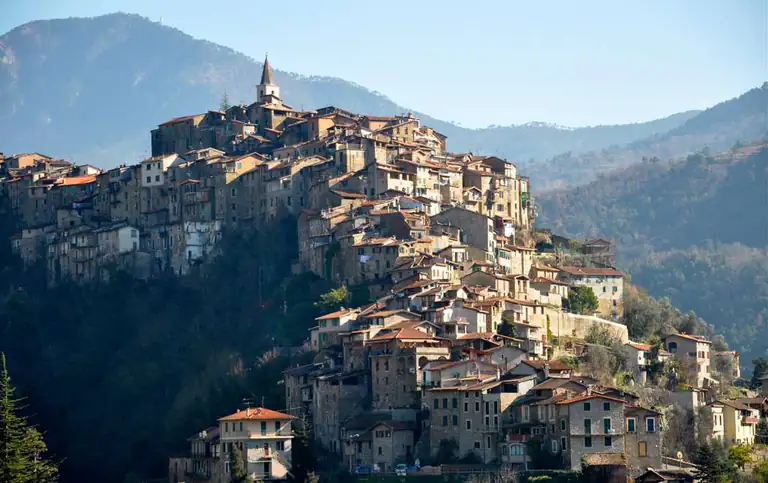
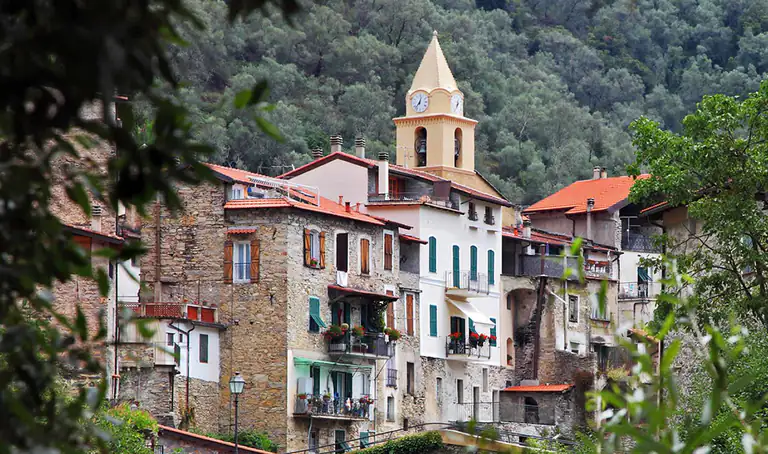
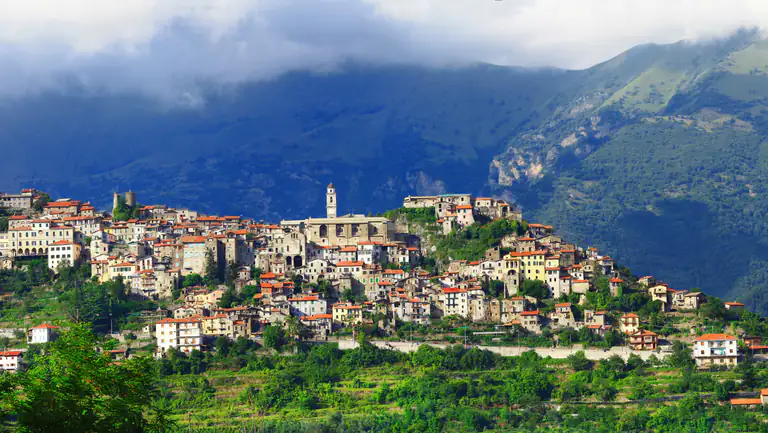
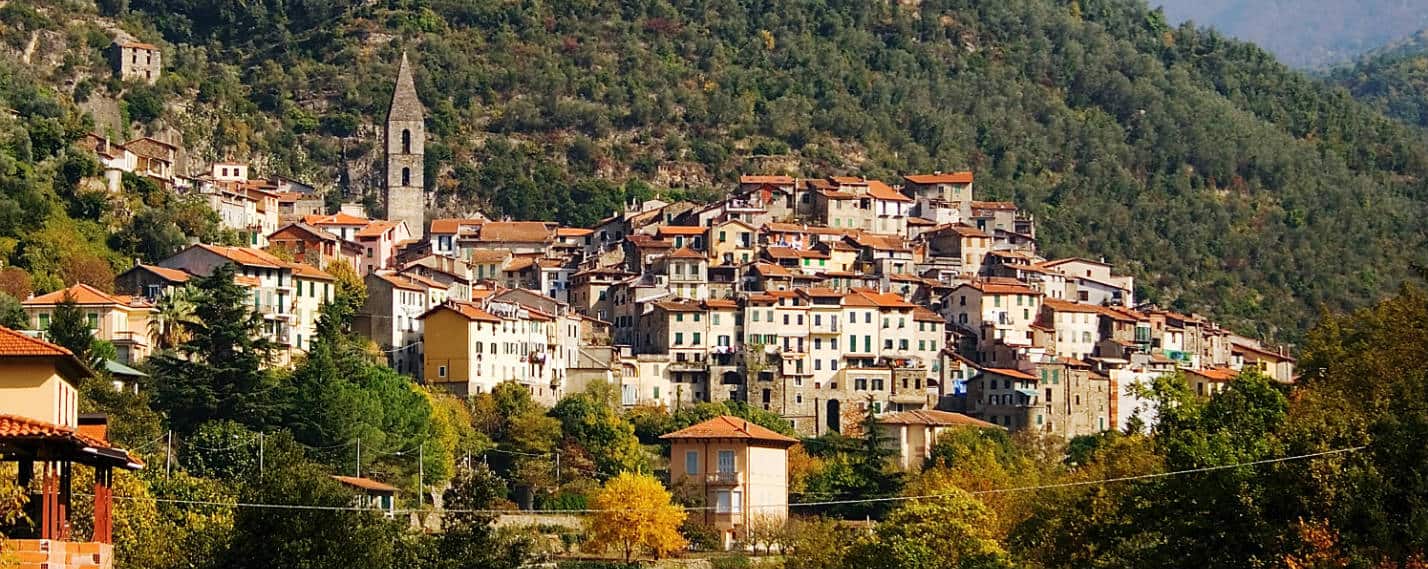
The village of Pigna among the hills

Pigna

Medieval village in the upper Val Nervia: the chibi alleys, the loggia, San Michele with Canavesio's polyptych, Buggio, Pigna beans and trails.

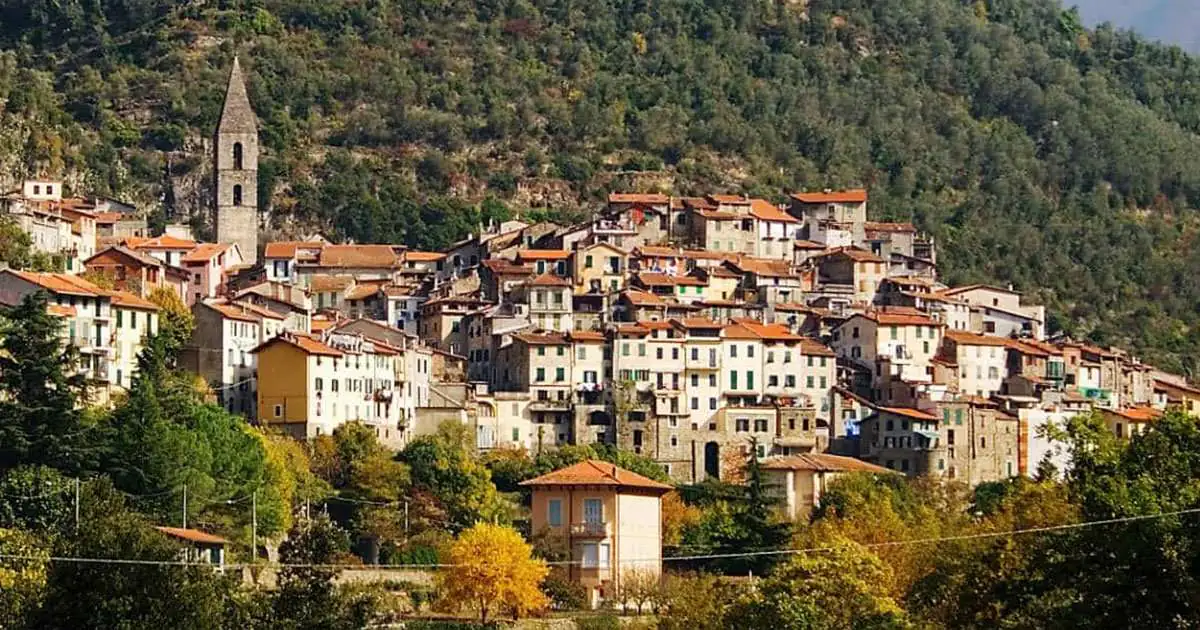
The village of Pigna among the hills
Area
Riviera dei FioriRiviera di Ponente · Province of Imperia
Ideal for
Medieval villages, sacred art, hiking and mountain foodcouples and hikers
Beaches
Sea about 20 km away: BordigheraVallecrosia and Ventimiglia
Best time to go
Spring and autumnsummer for the trails and the cool valley air
By train
No railway: Ventimiglia or Bordighera stationsthen Riviera Trasporti bus
By car
A10, Bordighera exitVal Nervia to Isolabona, then SP64
Airport
Nice Côte d'Azurabout 60 km
How long to stay
One day with Buggio2–3 days with hikes and the Val Nervia

Welcome to Pigna

The medieval village of the upper Val Nervia

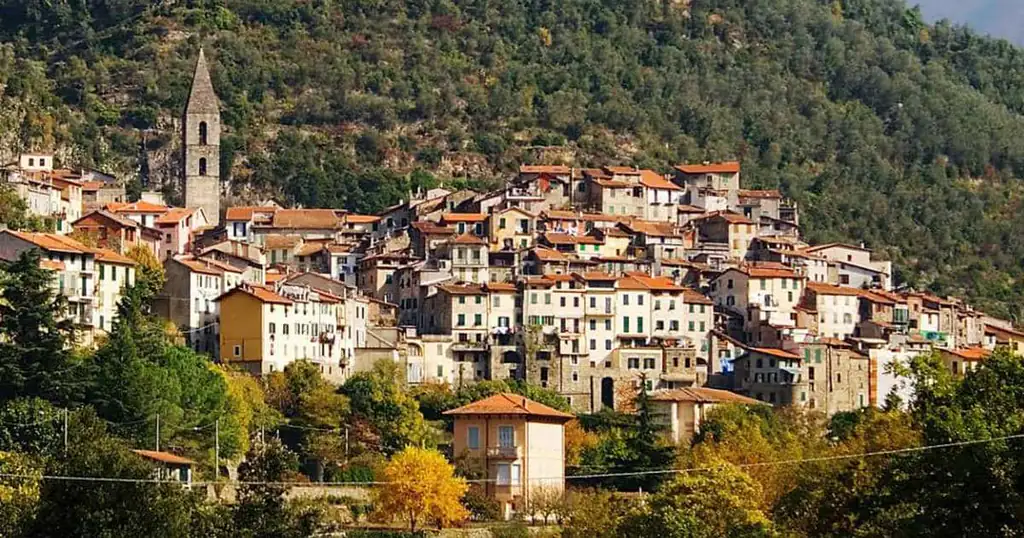
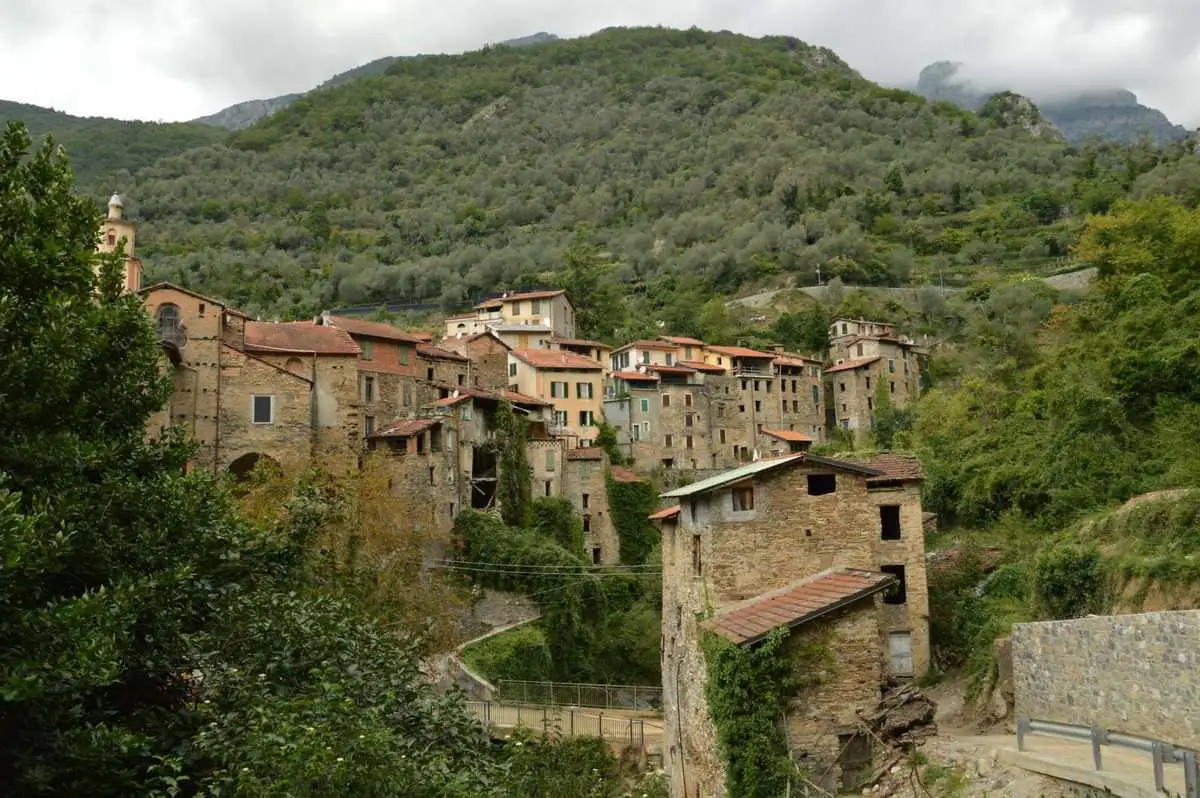
Pigna is a medieval village in the upper Val Nervia, in the hinterland behind Ventimiglia and Bordighera, about 20 km from the sea. Its stone houses tumble down the hillside, linked by steep alleys and covered passages, with the church of San Michele and its great rose window at the top. Together with the hamlet of Buggio, higher up the valley, it is one of the gateways to the Parco naturale regionale delle Alpi Liguri.

The village lies at 280 metres above sea level and has around 750 inhabitants. It holds the Touring Club Italiano’s Bandiera Arancione (Orange Flag), the label for small, well-kept and welcoming inland villages. People come here for the alleys and the churches with works by Giovanni Canavesio, for the trails up to Monte Toraggio and for Pigna’s white beans, a Slow Food Presidium.

Pigna’s history is that of a border town. Between the 12th and 13th centuries the Counts of Ventimiglia built a castle here, at the crossroads of the routes between the coast, Triora and the interior. In 1388 the village passed to the House of Savoy, while neighbouring Castel Vittorio remained Genoa’s stronghold in the valley. In 1944, for little more than a month, it was the capital of the partisan Free Republic of Pigna. Take care not to confuse it with La Pigna in Sanremo, which is that town’s old quarter.
Where is Pigna?

Pigna is in Liguria (Riviera di Ponente, Riviera dei Fiori, province of Imperia).

Map: where Pigna is in LiguriaPIEDMONTLOMBARDYEMILIA-ROMAGNATUSCANYFRANCERIVIERA DI PONENTERIVIERA DI LEVANTELIGURIAN SEASavonaImperiaSanremoLa SpeziaPigna
Boundaries: ISTAT, Natural Earth · Interactive map →

What to see

What to see in Pigna

The village of Pigna on its hill

You can walk round the centre in a couple of hours. It is best to climb up to piazza Castello and then wander down through the alleys towards the loggia and the church of San Michele. Outside the centre are the Ponte delle Grazie, the ruins of San Tommaso and the hamlet of Buggio.

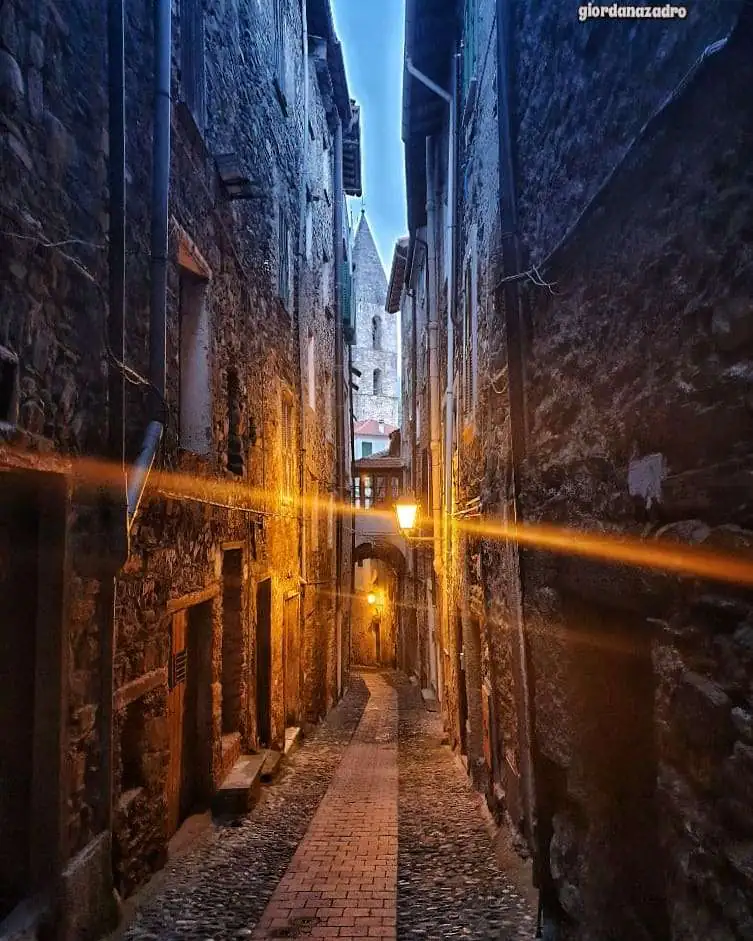
The chibi, Pigna's covered medieval alleys, lit up in the evening

The old town and the chibi

Pigna’s alleys are called chibi: narrow, steep and often shady passages that climb to the highest part of the village. Many run beneath the houses, others turn into flights of steps. As you walk you come across slate doorways, little squares and glimpses of the valley.

Piazza Castello

This is the highest point of the village, where the castle of the Counts of Ventimiglia once stood. It is surrounded by noble palazzi with slate doorways. From here the alleys lead down to the rest of the village.

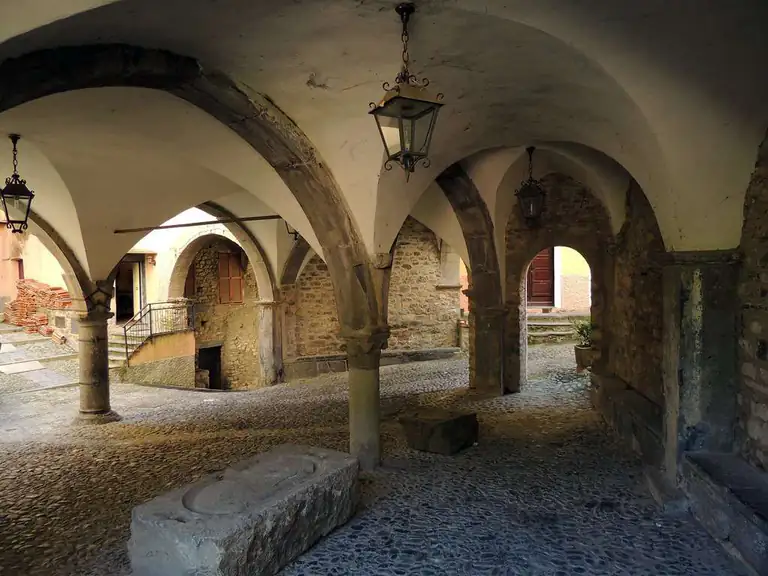
Medieval loggia of Pigna

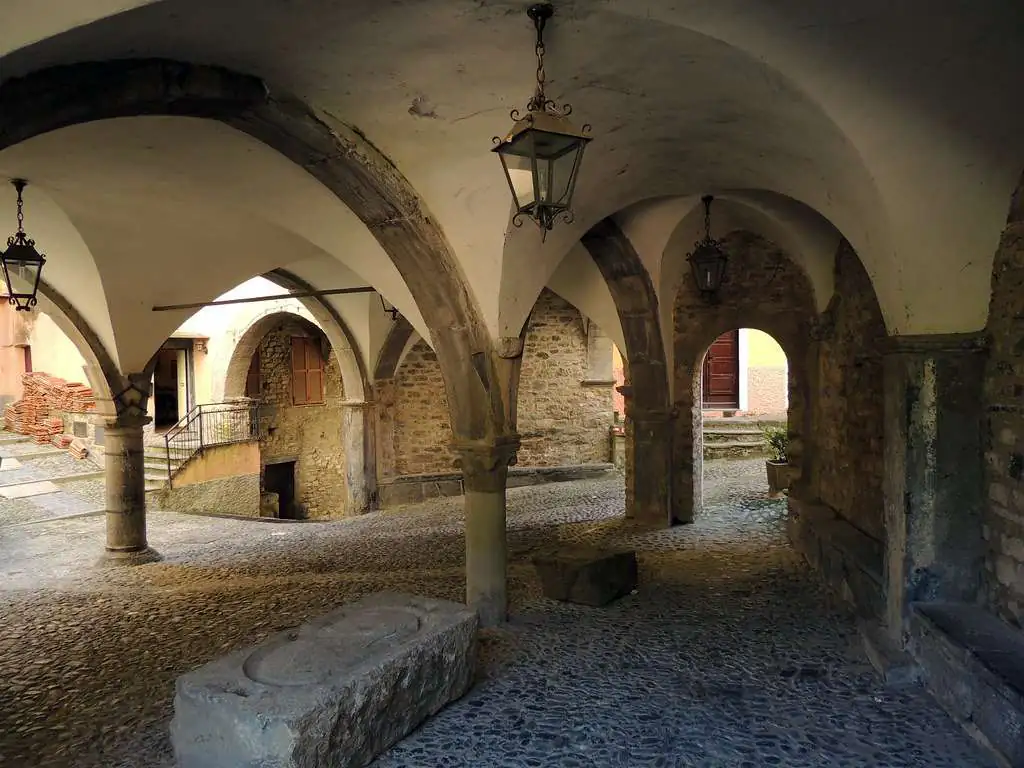
Loggia della Piazza Vecchia

The 15th-century loggia opens onto piazza XX Settembre, the village’s old square, and links the castle area with the church of San Michele. Damaged in 1944, it was rebuilt after the war in its original style. People still stop under its vaults today to look out over the valley.

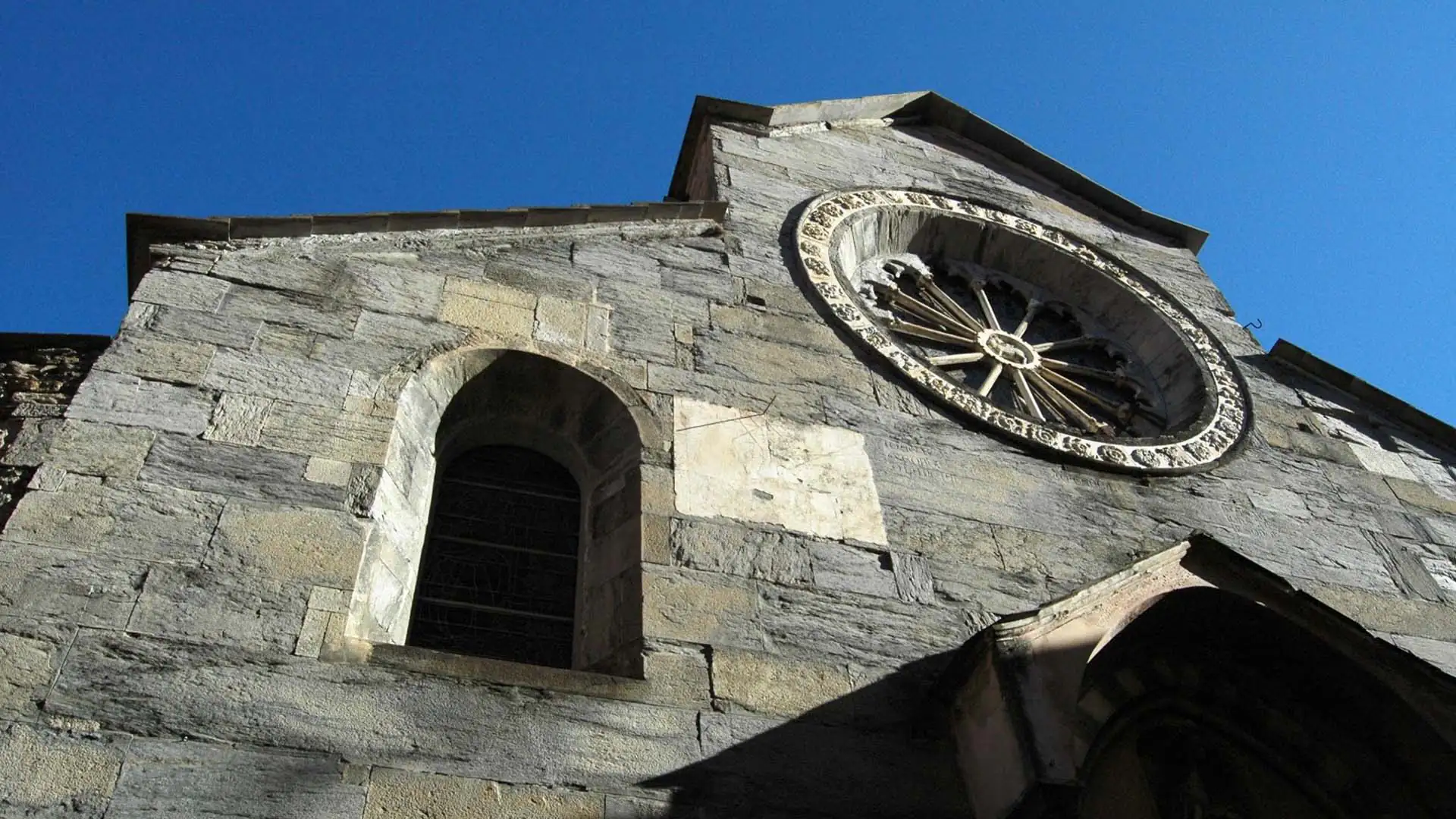
Rose window of the church of San Michele in Pigna

Church of San Michele Arcangelo

The parish church dominates the village from above. It was built by the master builder Giorgio De Lancia from Como over an older core, with a three-aisled plan. The black stone façade has a statue of St Michael and the dragon in the lunette, the first signed work by Giovanni Gagini (1450), and above it a large marble rose window. The square bell tower ends in a pyramid-shaped spire.

Inside, the 1965 restoration uncovered the black stone columns and pointed arches. In the presbytery is the San Michele polyptych by Giovanni Canavesio, dating from 1500, with 36 panels in a gilded wooden frame. The church also holds an Annunciation by Carlo Maratta, which comes from the sanctuary of Passoscio.

Church of San Bernardo

This small church, built between the late 14th and early 15th centuries, contains a cycle of frescoes by Giovanni Canavesio, the Piedmontese painter who worked in many churches of the Maritime Alps. It was restored in the 1930s. To see the interior, ask at the Comune (town hall) or the parish.

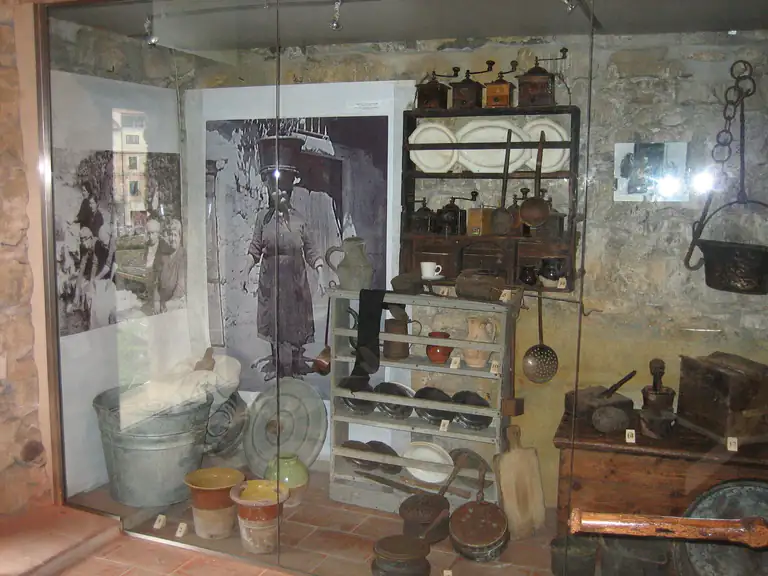
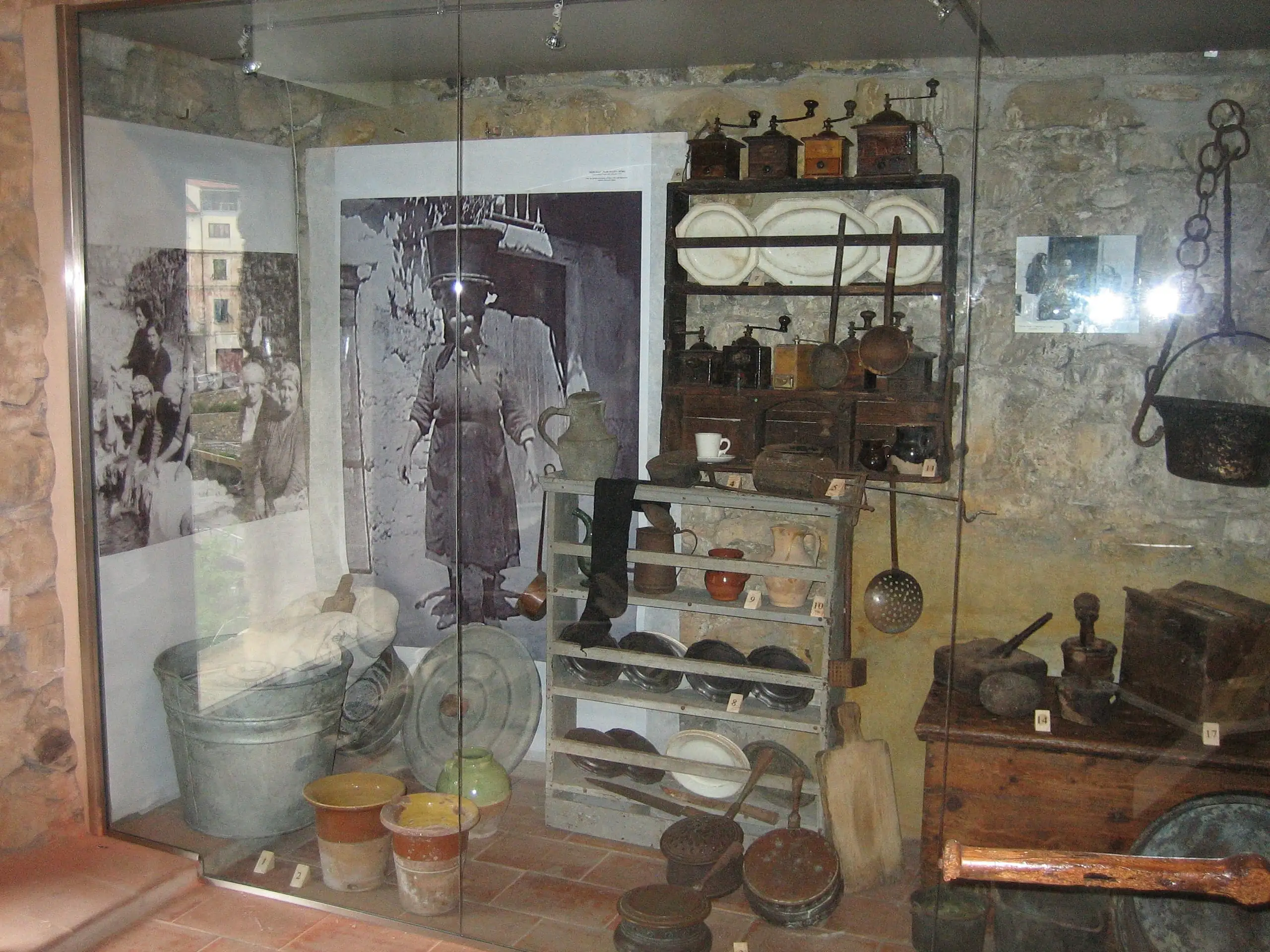
Traditional rural objects at the Pigna Museum

Museo La Terra e la Memoria

The ethnographic museum, opened in 1995 in piazza XX Settembre, tells the story of 19th-century peasant life in the upper Val Nervia. Five rooms, covering about 200 square metres, are devoted to sheep farming and lavender distilling, to faith, to craftsmen, to the wheat harvest, and to oil and wine, with tools, everyday objects, photos and documents.

Opening hours change with the season and visits are often by appointment only, so contact the Comune di Pigna beforehand.

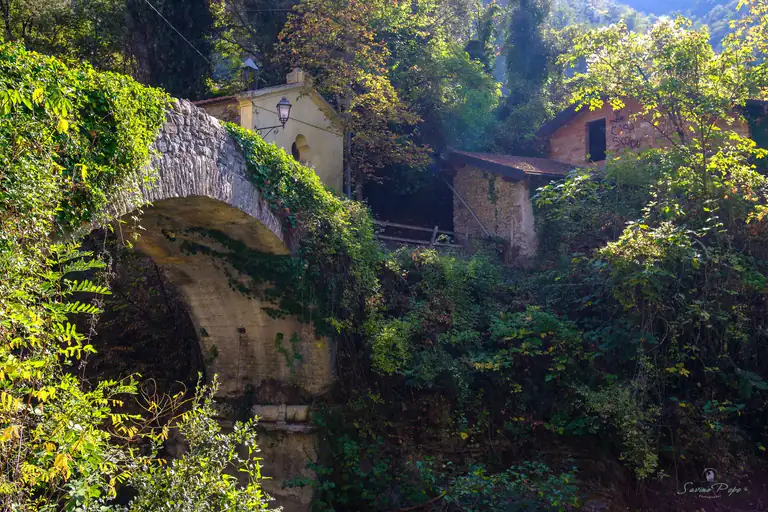
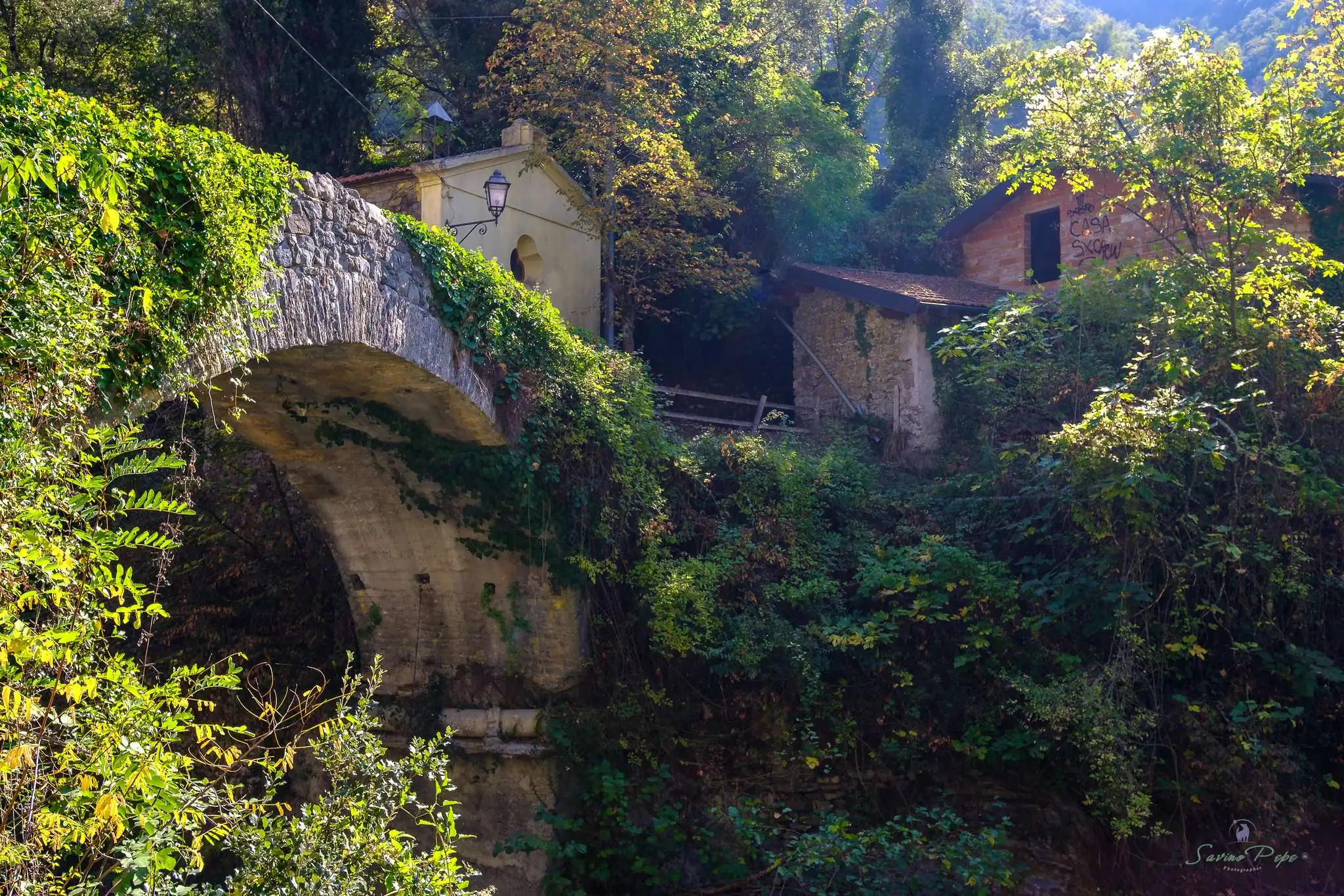
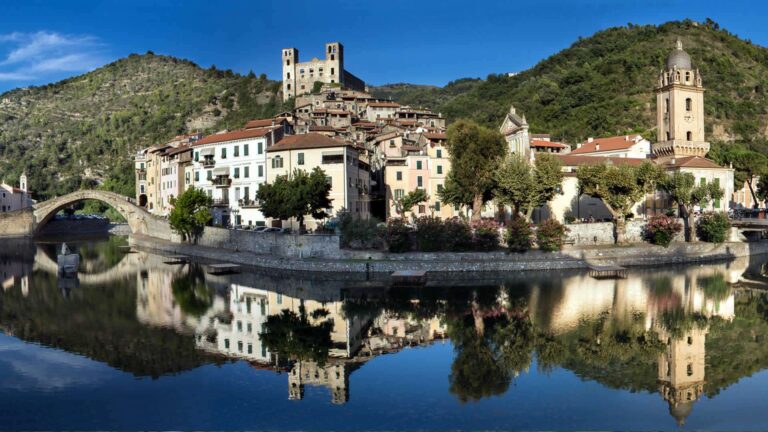
Medieval bridge amid the greenery in Pigna

Ponte delle Grazie

The old 16th-century stone bridge has the chapel of the Madonna delle Grazie beside it. It is a short walk from the centre and a good spot for photographing the village from below.

Pieve di San Tommaso

About a kilometre from the village stand the ruins of the ancient parish church of San Tommaso. You can still make out the apses, the façade and the left aisle with its pointed arches.

Santuario della Madonna di Passoscio

The sanctuary is reached along an avenue lined with fifteen small chapels marking the Stations of the Passion. Inside are many ex-votos, a sign of the valley’s popular devotion.

The Lago Pigo spa

In the Lago Pigo area a sulphur spring rises at about 32 degrees. It has been known since ancient times and was used as a spa from 1844. The spa complex and hotel have been closed since 2016 and are now owned by a private group: many online guides still list them as open, but today no treatments or bathing are possible.

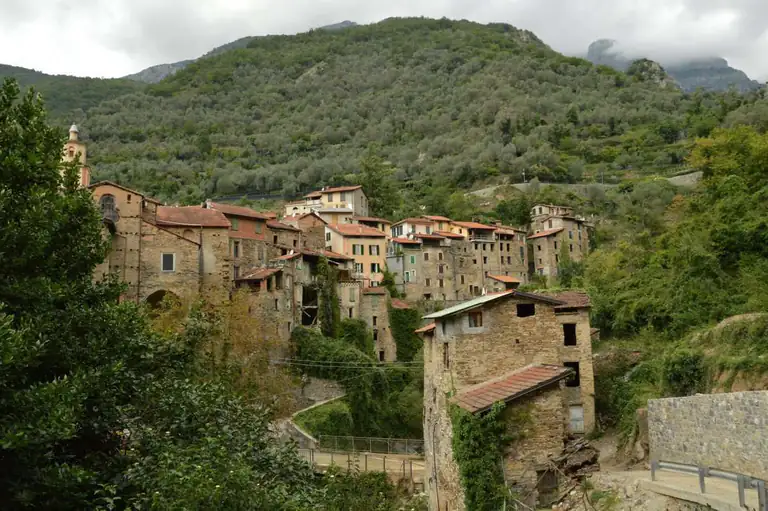
The village of Buggio in the mountains near Pigna

Buggio

Pigna’s only hamlet lies at 482 metres, about 5 km further up, among the mountains of the upper valley. It is a small stone village with a few dozen inhabitants that has remained rural and pastoral. The church of San Siagrio, the only one in the world dedicated to this bishop of Nice, looks onto the main square. The parish church is dedicated to San Giovanni Battista.

Buggio is also a starting point for hikes into the Ligurian Alps.

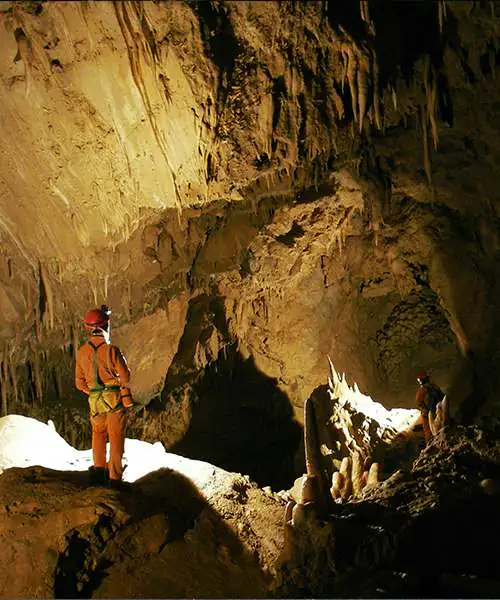
Caving in a cave near Pigna

Grotta dei Rugli

Near Pigna lies the Grotta dei Rugli, one of the largest and best-known caves in the area. It is not a show cave: it can only be visited with experienced cavers and the right equipment.

The village of Pigna in the Nervia valley

Where to stay

Where to stay in Pigna

In Pigna and Buggio you will mostly find holiday homes, apartments in old stone houses and a few B&Bs. It is the right choice if you are looking for peace and quiet, trails and starry skies, but there are few places: in summer and on spring bank-holiday weekends, book well ahead. The Comune charges a tourist tax.

If you prefer more facilities, you can stay on the coast in Bordighera or Ventimiglia and come up to Pigna for the day, or choose a nearby village in the valley such as Dolceacqua.

Nearby alternative

Looking for more choice? Down by the sea is Bordighera, with hotels, B&Bs and apartments and trains along the coast and to France.

Where to stay in Bordighera →Day trips from Bordighera →

Getting there

How to get to Pigna

By car

Leave the A10 motorway at Bordighera (or Sanremo) and drive up the Val Nervia towards Dolceacqua and Isolabona. From Isolabona the SP64 provincial road climbs to Pigna and continues towards Castel Vittorio. For Buggio, follow the signs from the village. The road is winding on the last stretch, so allow a few minutes more than expected.

By train

Pigna has no railway. The nearest stations are Ventimiglia and Bordighera on the Genoa–Ventimiglia line; from there continue by bus or car.

By bus

Riviera Trasporti links the coast with the upper Val Nervia. Services are infrequent, especially on Sundays and public holidays: check the latest timetables on rivieratrasporti.it before you set off.

By plane

The nearest airport is Nice Côte d’Azur, about 60 km away. From there, drive along the motorway towards Ventimiglia and then up the valley.

Parking

The old town is made up of steep alleys and steps and can only be explored on foot. Leave your car in the roadside spaces on the edge of the village, following the signs, and walk up. The same goes for Buggio: park at the entrance to the hamlet.

By car

A10, Bordighera exit; Val Nervia to Isolabona, then SP64

By train

No railway: Ventimiglia or Bordighera stations, then Riviera Trasporti bus

By plane

Nice Côte d'Azur (about 60 km)

The guide

Pigna in a day: suggested itinerary

  • Morning: climb up to piazza Castello, wander down through the chibi to the Loggia della Piazza Vecchia and visit the church of San Michele with Canavesio’s polyptych.
  • Lunch: a dish of Pigna beans, or capra e fagioli (goat and beans) if it is on the menu.
  • Afternoon: the Museo La Terra e la Memoria (check opening hours), then a walk to the Ponte delle Grazie and the Pieve di San Tommaso.
  • Evening: drive up to Buggio for the square of San Siagrio, or head back to the coast via Dolceacqua.

Hikes and trails

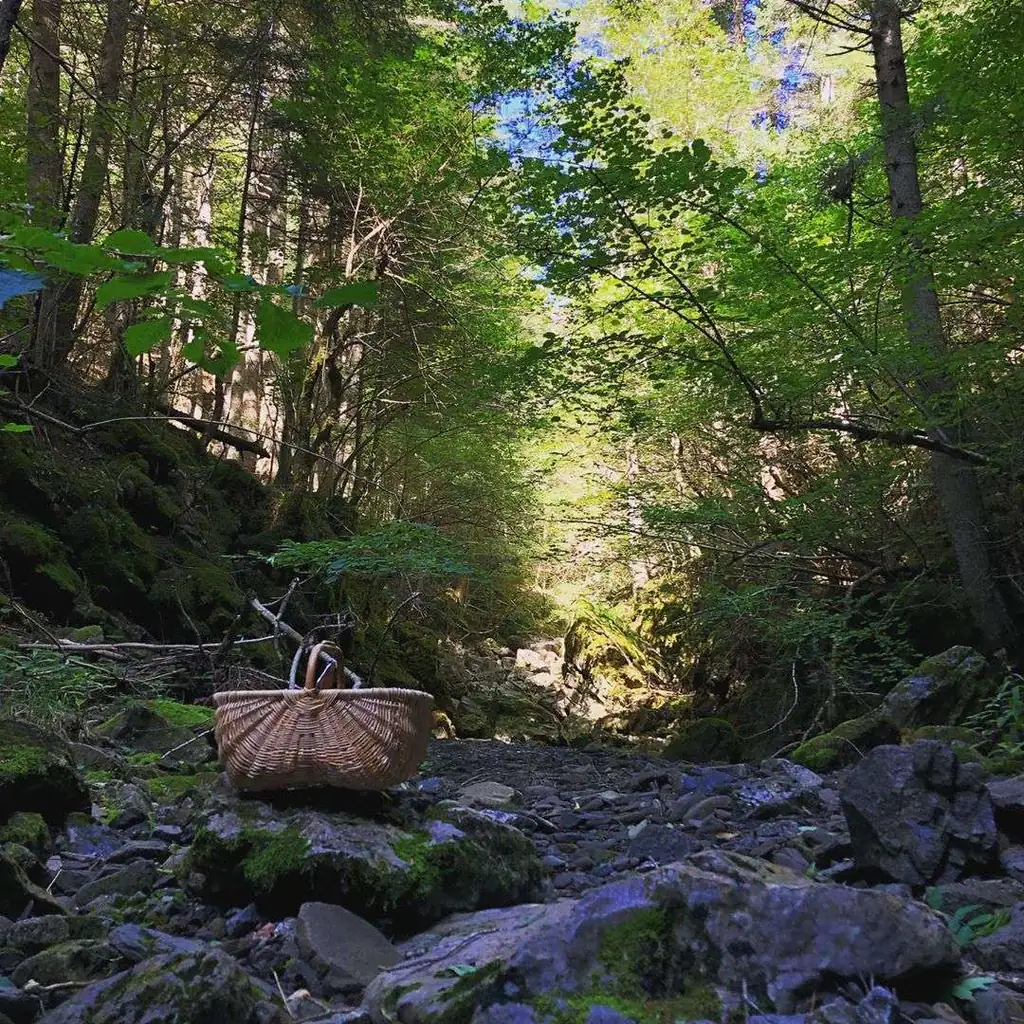
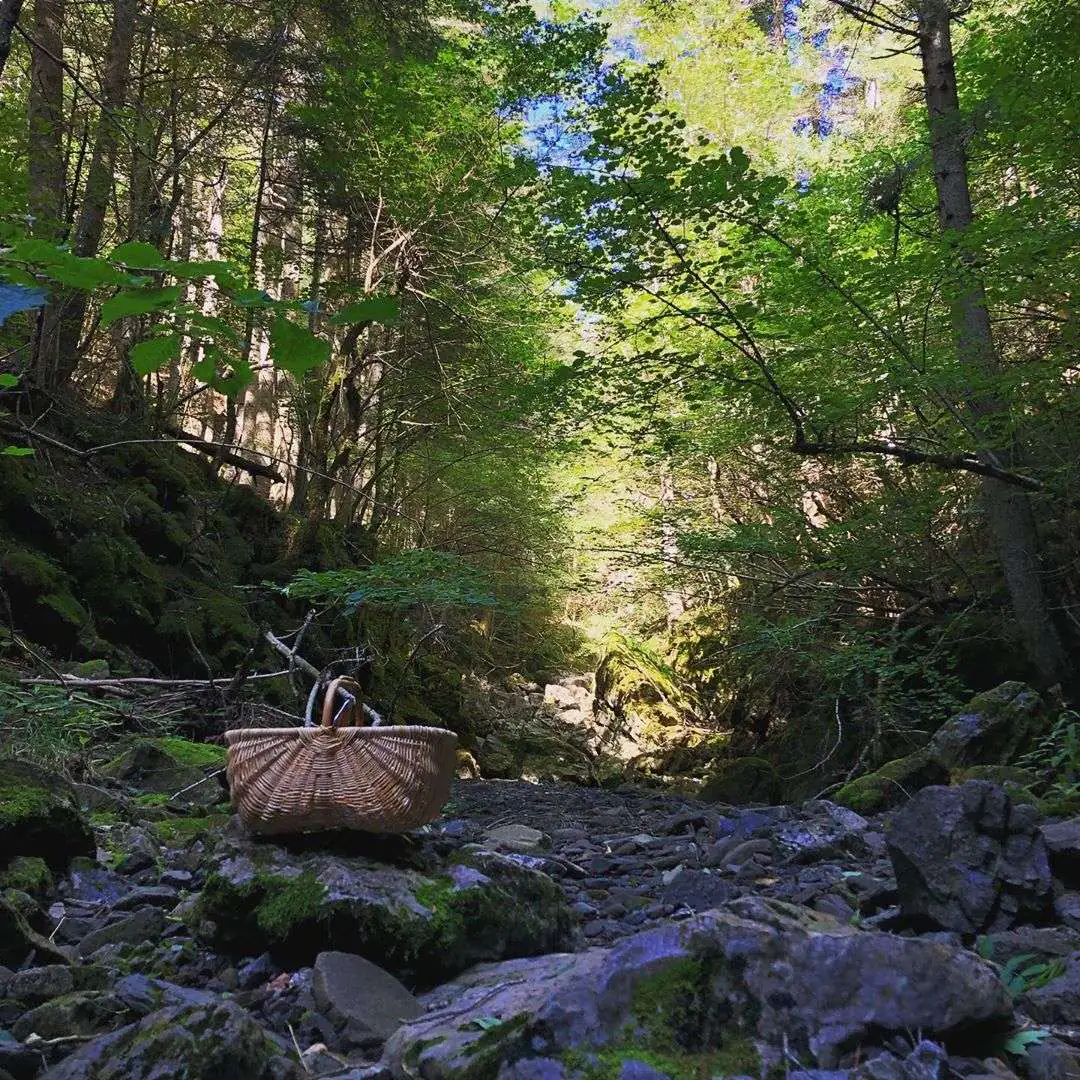
Stream in the woods along the Pigna loop trail

Pigna is surrounded by woods, streams and mountains, and makes a good base for walking in the Parco naturale regionale delle Alpi Liguri.

  • Monte Toraggio: the climb from Pigna follows well-marked paths and goes via the Passo Dragurina. It is a full-day hike for fit walkers, with several hours of ascent and views over the Alps and the sea.
  • Buggio and the upper valley: trails lead from Buggio into the mountains of the upper Val Nervia and the Colla Melosa area.
  • Short walks: the Ponte delle Grazie, the Pieve di San Tommaso and the sanctuary of Passoscio can all be reached on foot from the village.

Before setting off, check the weather and trail conditions, carry enough water and do not head into the mountains on weather-alert days.

Food and local dishes in Pigna

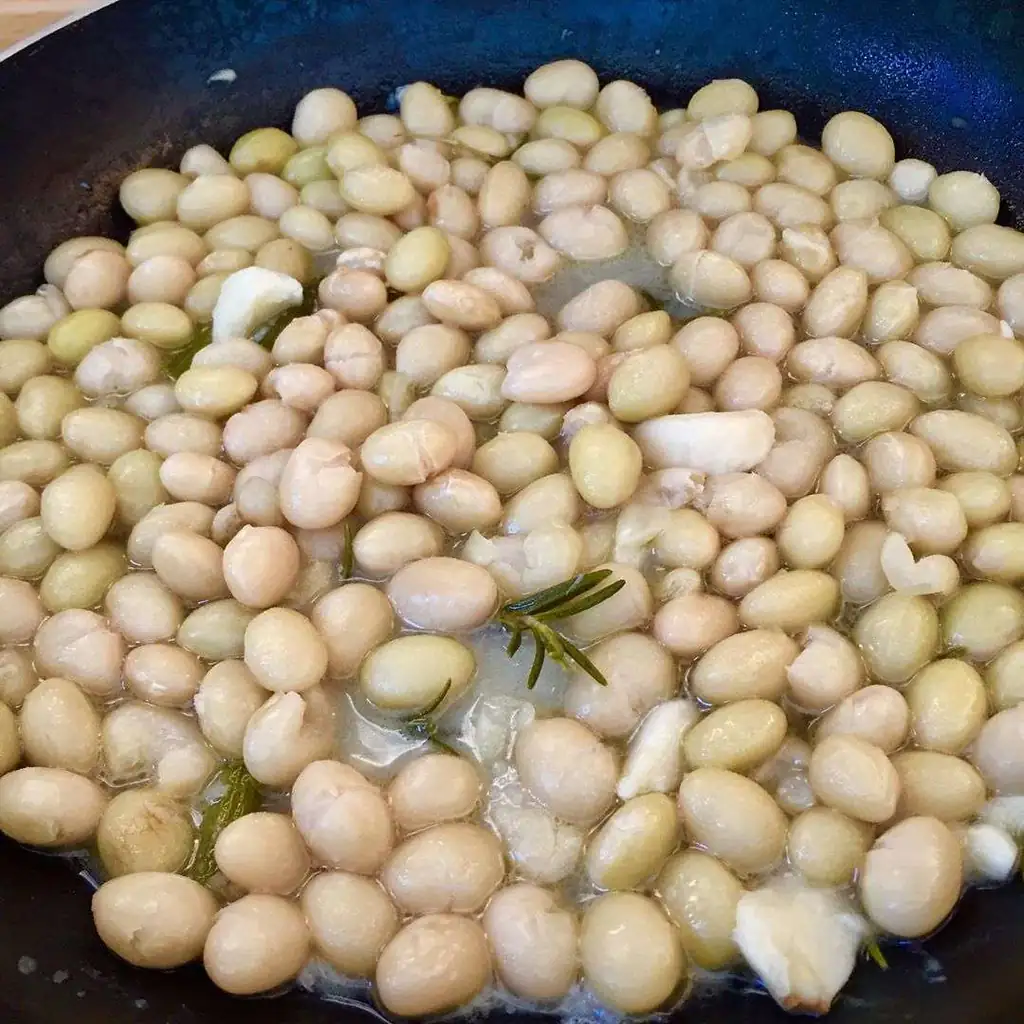
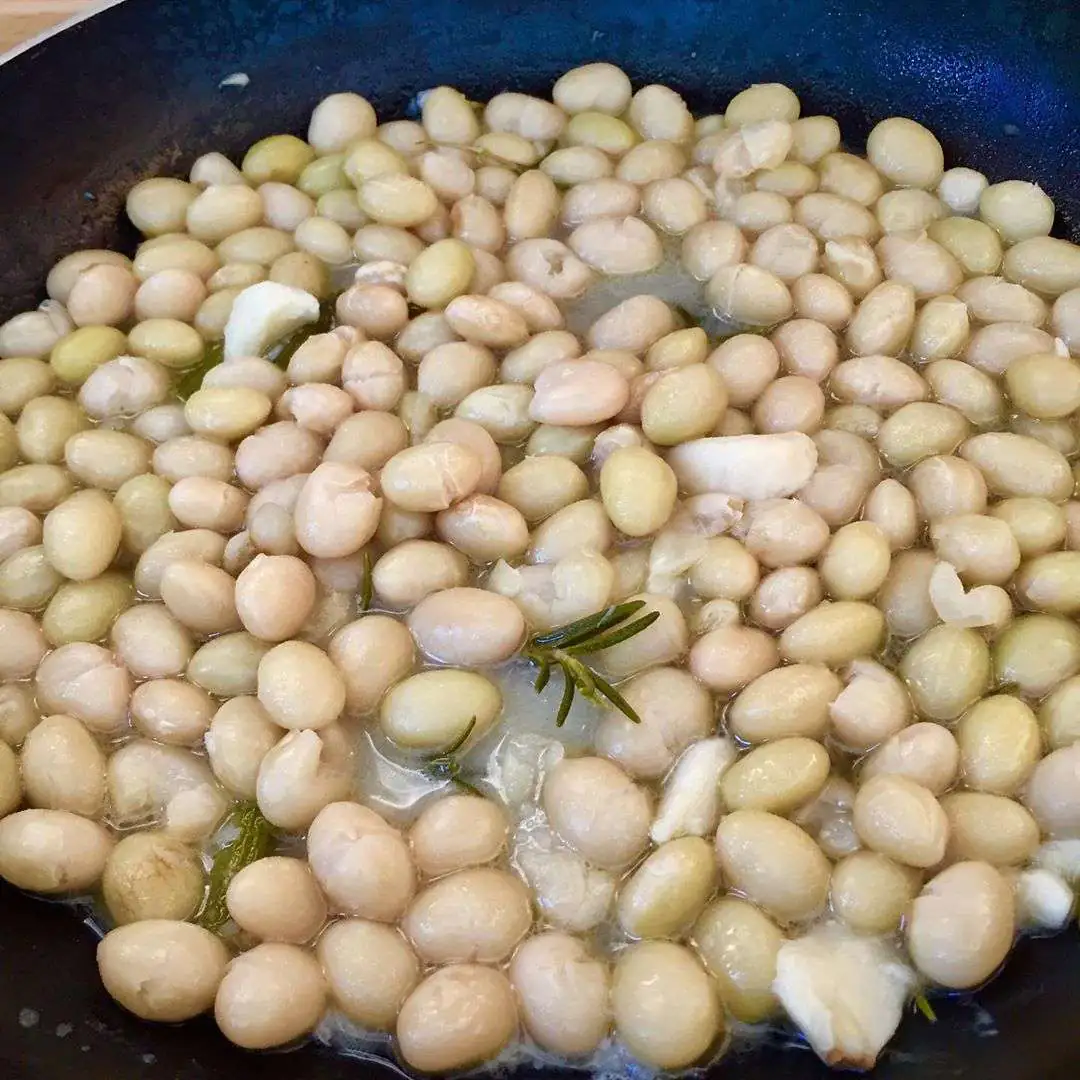
Freshly shelled white beans of Pigna

Pigna’s cooking is the mountain cuisine of western Liguria: pulses, sheep’s cheeses, herbs and olive oil.

  • Fagioli di Pigna: small, oval white beans with a thin skin and a soft texture, grown on dry-stone terraces. They are a Slow Food Presidium together with those of Badalucco and Conio. They are sown in June and harvested from mid-September to mid-October; dried, they are available all year round.
  • Capra e fagioli: the village’s signature dish, a goat stew with Pigna beans.
  • Gran pistau: pounded wheat, a humble traditional dish of the valley.
  • Cheeses: toma made from Brigasca sheep’s milk and bruss, a strong-tasting fermented cheese spread.
  • Extra virgin olive oil: from Taggiasca olives grown on the terraces of the Val Nervia.

Festivals and events in Pigna

  • Raviolata di San Tiberio: the traditional festival commemorating the village’s defence against Saracen raids, with ravioli simply dressed with pecorino. It is held in autumn: check the date on the Comune’s website.
  • Festa di San Filippo: a religious festival linked to 28 May.
  • Estate a Pigna e Buggio: every summer the Comune publishes the programme of events in the two villages.

Day trips from Pigna

  • Dolceacqua: further down the valley, the village of the old bridge and the Doria castle, home of Rossese wine.
  • Apricale: a hilltop village in a side valley of the Val Nervia, with its square and the Castello della Lucertola.
  • Rocchetta Nervina: a village of bridges and stream pools, ideal in summer.
  • Triora: the village of the witches, in the nearby Valle Argentina.
  • Bordighera: the town of palms and the nearest seaside, at the mouth of the valley.
  • Ventimiglia: the old town and the Friday market.

Weather

Weather and best time to visit Pigna

Spring and autumn; summer for the trails and the cool valley air

⛅
14°CNow · wind 12 km/h
  1. Thu 8🌙14° 14° 
  2. Fri 9🌦️20° 11°2 mm
  3. Sat 10🌤️20° 10° 
  4. Sun 11🌤️21° 10° 
  5. Mon 12🌤️22° 13°1 mm
  6. Tue 13⛅20° 9° 

Forecast: MET Norway (Yr), CC BY 4.0 licence. Updated hourly.

Weather across Liguria →

MonthJanFebMarAprMayJunJulAugSepOctNovDec
SeaOff seasonOff seasonOff seasonOff seasonPossibleGoodIdealIdealGoodPossibleOff seasonOff season
Sightseeing and hikingPossiblePossibleGoodIdealIdealIdealGoodGoodIdealIdealGoodPossible
CrowdsQuietQuietFew peopleFew peopleFew peopleFew peopleBusyVery busyFew peopleFew peopleQuietQuiet
Don't missSan Filippo festival

IdealGoodPossibleOff season

Crowds:QuietFew peopleBusyVery busy

Gallery

Photos of Pigna

FAQ

Frequently asked questions about Pigna

What is there to see in Pigna?

The chibi and piazza Castello, the Loggia della Piazza Vecchia, the church of San Michele with Giovanni Canavesio’s polyptych, the church of San Bernardo, the Museo La Terra e la Memoria, the Ponte delle Grazie and the hamlet of Buggio with the church of San Siagrio.

Is the Pigna spa open?

No. The Lago Pigo spa and its hotel have been closed since 2016. The sulphur spring still exists, but today no spa treatments or bathing are possible.

How much time do you need to visit Pigna?

Two or three hours are enough for the village. With Buggio, the museum and a walk to the Ponte delle Grazie you can fill a whole day. For mountain hikes it is worth staying at least one night.

What is the difference between Pigna and La Pigna in Sanremo?

Pigna is an independent municipality in the upper Val Nervia. La Pigna in Sanremo, on the other hand, is the name of Sanremo’s medieval old town, on the coast.

How do you get to Pigna without a car?

By train to Ventimiglia or Bordighera, then on the Riviera Trasporti buses that run up the Val Nervia. Services are infrequent: check the timetables before you set off.

Where can you park in Pigna?

In the roadside spaces on the edge of the village. The old town is pedestrian by nature, made up of alleys and steps.

What are Pigna beans?

Small, oval white beans with a thin skin, grown on the terraces of the upper Val Nervia and protected by a Slow Food Presidium. The typical dish is capra e fagioli (goat and beans).

What is there to see in Buggio?

The main square with the church of San Siagrio, the only one in the world dedicated to this saint, the parish church of San Giovanni Battista and the stone alleys. Trails into the Ligurian Alps also start from Buggio.

How far is Pigna from the sea?

About 20 km. The nearest coast is at Bordighera, Vallecrosia and Ventimiglia, where the Val Nervia meets the sea.

Nearby

What to see near Pigna

6 km as the crow flies

Apricale

Sun-drenched stone village in the val Nervia: the Castello della Lucertola, murals, a theatre-like square, pansarola and the Teatro della…

Discover →

7 km as the crow flies

Rocchetta Nervina

Medieval village in the Val Nervia on the Barbaira stream: humpback bridge, carruggi, E Dubarìe museum, natural swimming pools and…

Discover →

10 km as the crow flies

Dolceacqua

The bridge painted by Monet, the Castello dei Doria and Rossese, Liguria's first DOC: a guide to the iconic Val…

Discover →

11 km as the crow flies

Triora

The village of witches in the upper Argentina valley: medieval alleys, witchcraft museum, Collegiata, Cabotina and trails up to Monte…

Discover →
Scroll to Top