The Caruggi of Genoa
The alleys of Genoa's old town: 113 medieval hectares, main streets, what to eat and practical tips.
- Where
- Genoa's old townfrom Piazza Caricamento towards Piazza De Ferrari and Porta Soprana
- Entry
- freealways open
- Duration
- 2–3 hours on foot
- Districts (sestieri)
- PrèPortoria, Molo, Maddalena, San Vincenzo, San Teodoro
- Good to know
- since 14 September 2026 the Polizia Localelocal police) patrols the old town 24 hours a day
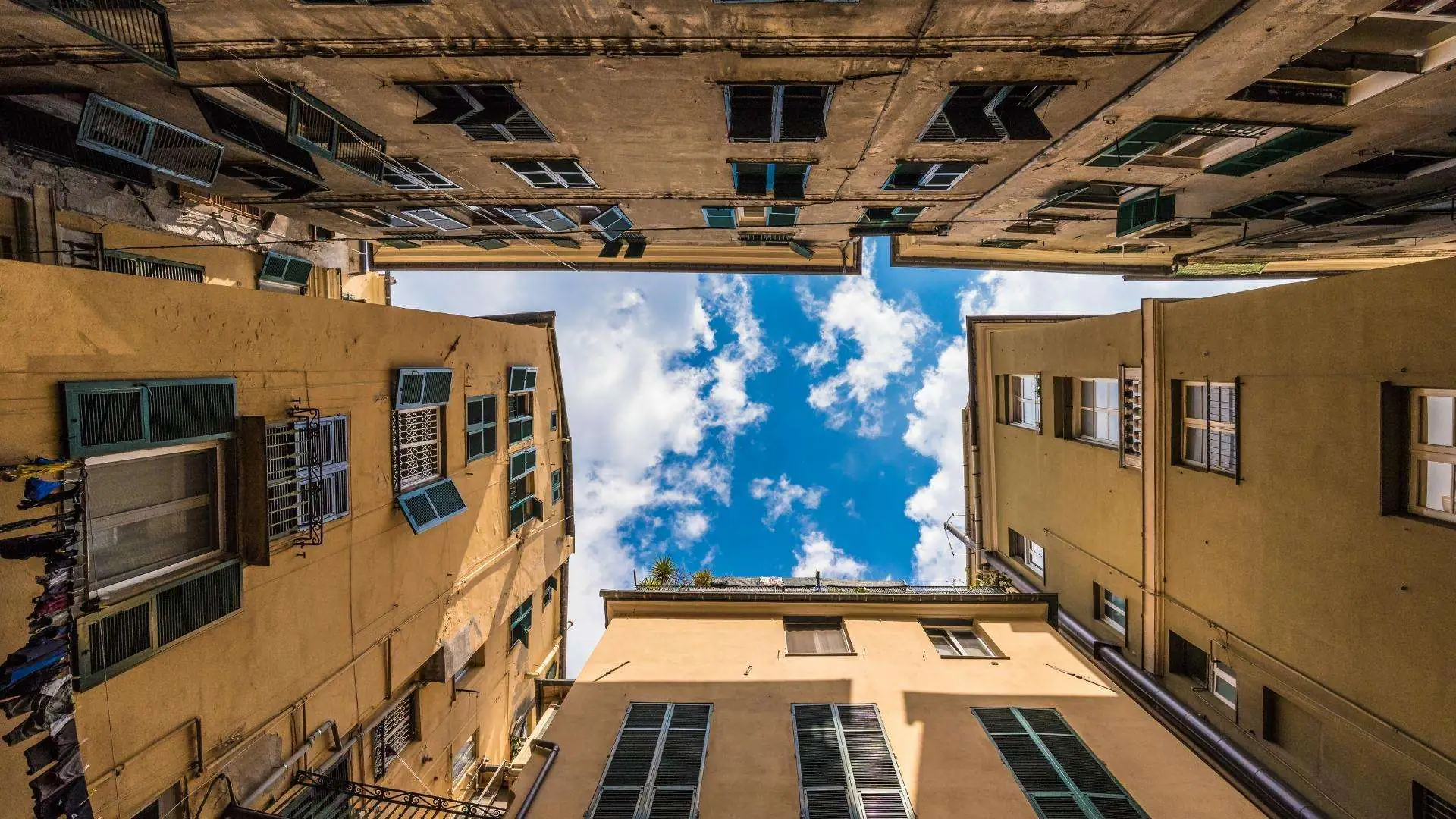
The caruggi are the alleys of Genoa’s old town: 113 hectares, one of the largest medieval city centres in Europe. Here you walk between tall, narrow buildings, churches, historic shops and fry shops. It is free, always open and takes 2–3 hours on foot. Wear comfortable shoes: there are steps and slopes.
What the caruggi are
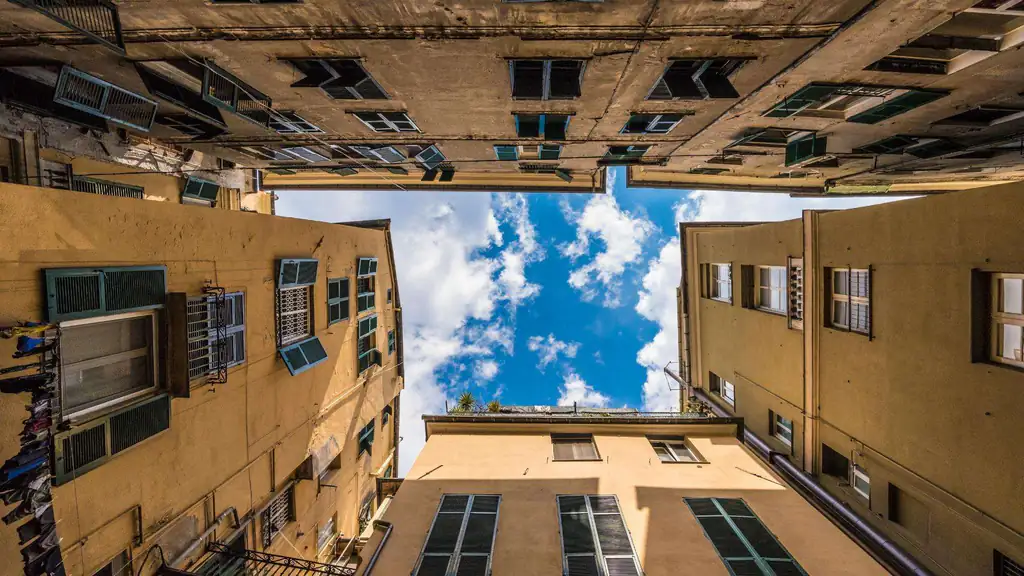
“Caruggi” is the Genoese name for the medieval alleys: a maze of narrow streets that runs between the port and the hills. Genoa’s old town is among the largest in Europe, with 113 hectares: it is not the largest of all, as is sometimes said, but it is still one of the biggest.
Main streets and squares
- Via San Lorenzo: leads to the Cathedral of San Lorenzo
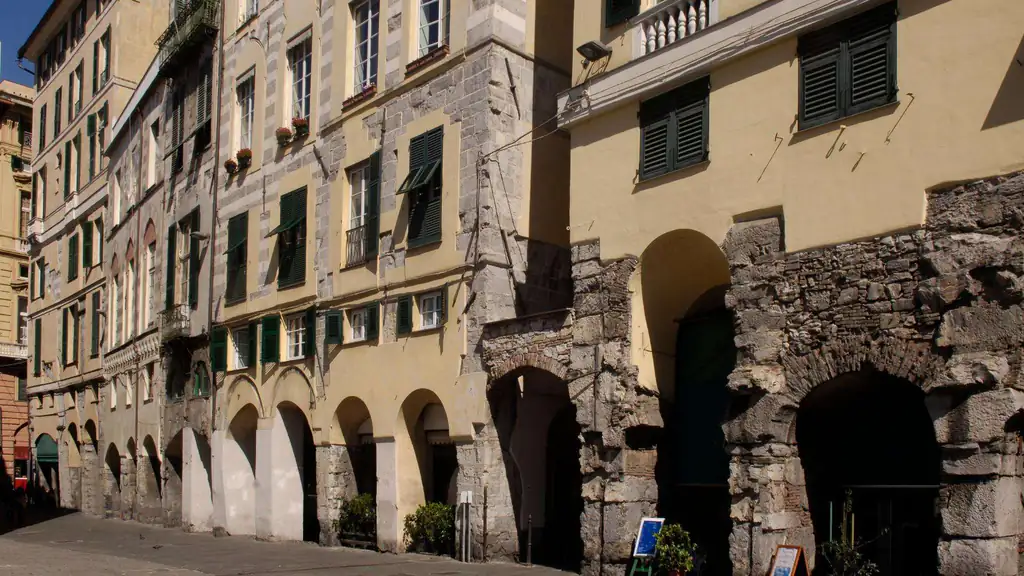
- Sottoripa: the 12th-century arcade in front of the port, with fry shops and stores
- Piazza Banchi, via Luccoli, via della Maddalena, via San Luca: shops and old trades
- Via del Campo: De André’s street, with the museum Via del Campo 29 rosso
- Piazza Matteotti and the Chiesa del Gesù, Piazza De Ferrari: the most elegant side of the centre; from here you reach Via Garibaldi and the Palazzi dei Rolli
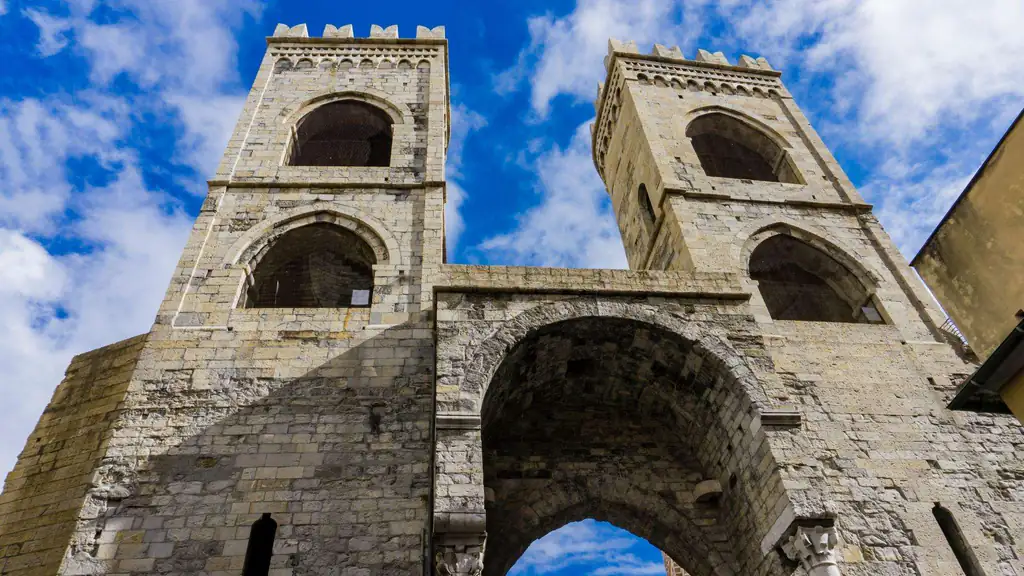
Porta Soprana, a medieval gate with two towers, marks one of the entrances to the old town. Nearby is Casa di Colombo (Columbus’s House), which is a probably 18th-century reconstruction, bought by the city in 1887: it is not the original house.
What to eat
In the fry shops you can try farinata, panissa and frisceu. Among the historic places mentioned by the local press are the Antica Friggitoria Carega, in via Sottoripa 113r, open since 1942 and listed in the register of historic shops, and the Antica Sciamadda in Piazza San Giorgio. For more, read the guide to what to eat in Genoa.
Practical tips
- Route: a natural walk starts from Sottoripa, climbs along via San Lorenzo and ends at Piazza De Ferrari
- Genova Museum Card: €24 for 24 hours (€45 for 48), valid for 28 museums in the city
- Safety: as in any old town, in the quieter alleys in the evening keep your bags and phone within reach
Where to stay
Where to stay in Genoa
All places to stay in Genoa on Booking: compare prices and availability.

Nearby
More to see in Genoa
Genova
Genoa
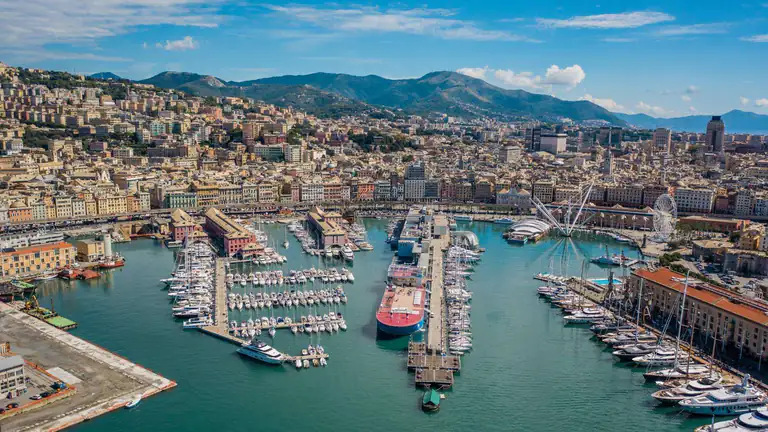
La Superba: medieval alleys, UNESCO Rolli palaces, the Porto Antico and Aquarium, Boccadasse, Nervi and the forts, with focaccia and…
Discover →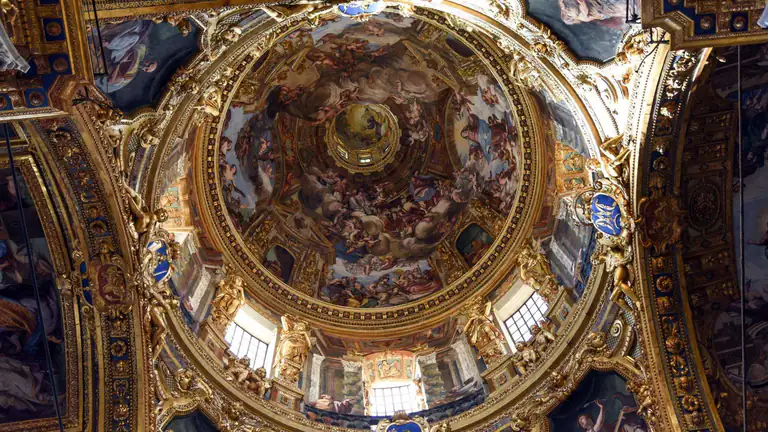
Churches and sanctuaries
Annunziata Church
Genoa's richest Baroque church, near via Balbi: frescoes, gilding and Procaccini's Last Supper.
Discover →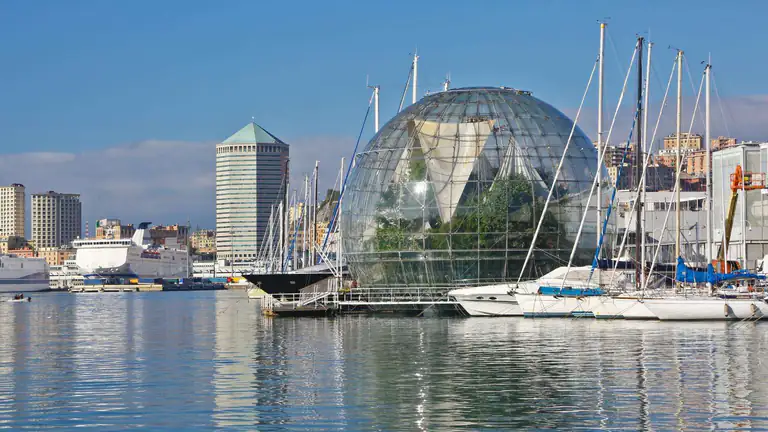
Museums
Biosphere
Renzo Piano's glass sphere at the Porto Antico, with a small tropical forest: what is inside and how to visit.
Discover →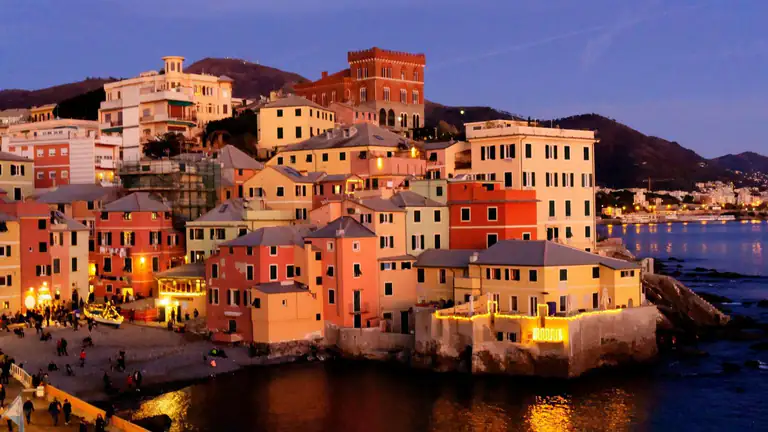
Villages and old towns
Boccadasse
Genoa's old fishing village at the end of Corso Italia: history, beach, church, how to get there by bus, and…
Discover →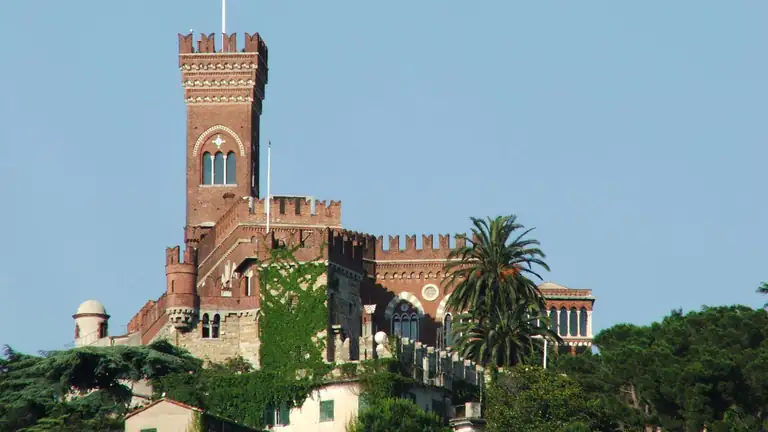
Castles and fortresses
Castello d’Albertis
Captain d'Albertis's neo-Gothic castle above Genoa: Museum of World Cultures, hours, tickets and how to get there.
Discover →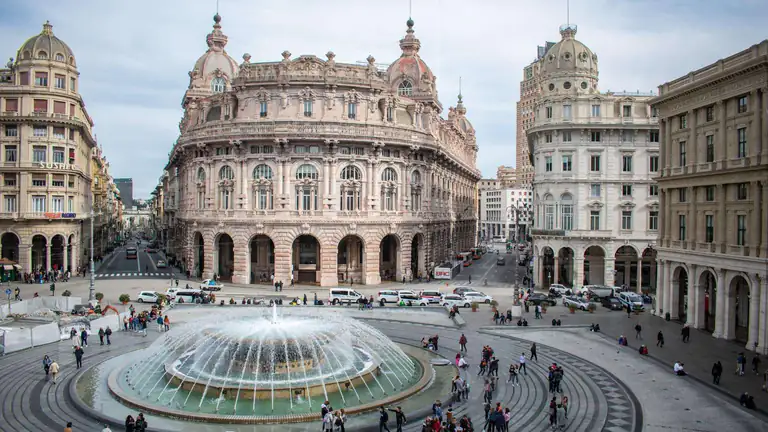
Guide
Christmas in Genoa: lights, nativity scenes and markets
Christmas in Genoa from 8 December to Epiphany: the tree in piazza De Ferrari, the Confeugo, nativity scenes, markets and…
Discover →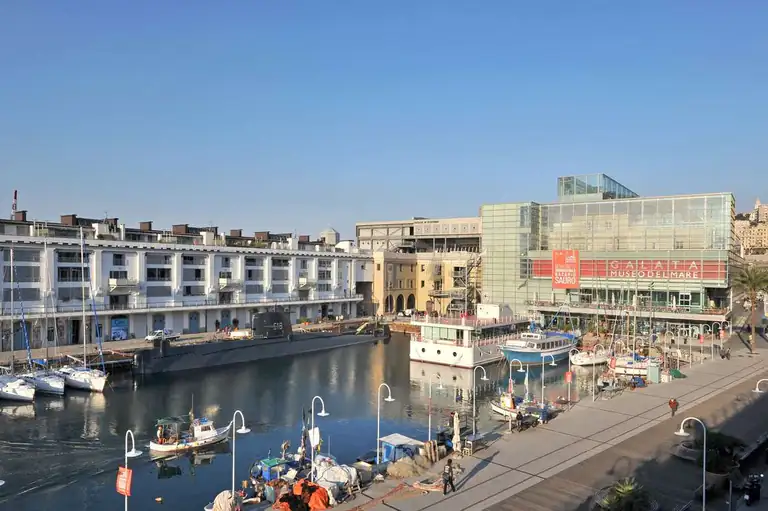
Museums
Galata Maritime Museum
The largest maritime museum in the Mediterranean, in the Darsena: tickets, hours, what to see and how to visit the…
Discover →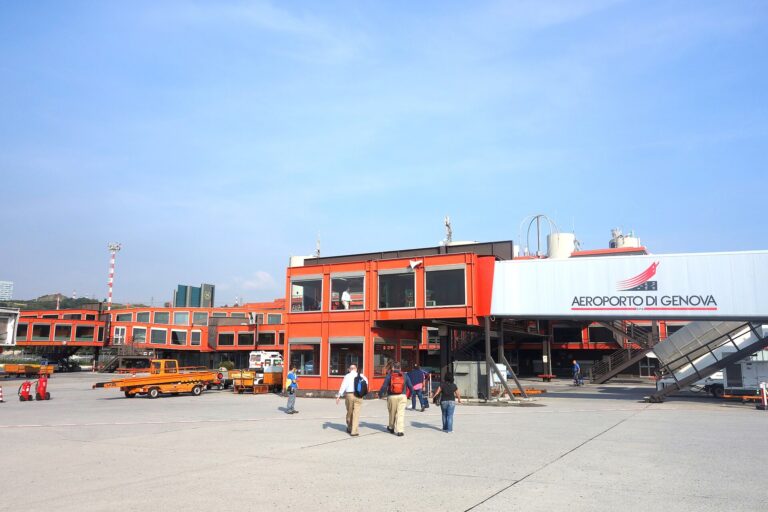
Guide
Genoa airport: how to get to the city and the Riviera
From Genoa airport to the centre and the Riviera: Volabus, Airlink, train, taxi, car and hire, with times for the…
Discover →