What to eat in Genoa
Focaccia, farinata, pesto, pansoti and pandolce: the Genoese dishes to try, where to find them and how to tell the good ones.
- Must-try
- focacciafarinata, pesto, pansoti with walnut sauce, fried fish
- Breakfast
- focacciaeven dipped in a cappuccino, the way locals do it
- Quick lunch
- farinatapanissa and vegetable pies from the old town's sciamadde
- Protected products
- Basilico Genovese DOP andin Recco, cheese focaccia IGP
- Food shopping
- the Mercato Orientale on Via XX Settembre
- Sweet
- pandolceespecially at Christmas
In Genoa the best food is cheap and often eaten standing up: a slab of focaccia in the morning, a slice of farinata at lunch, a paper cone of fried fish under the arcades. Genoese cooking was born poor, built on vegetables, wild herbs, chickpeas and oily fish, and it is one of the most distinctive cuisines in Italy. This guide tells you what to try, where to find it and how to recognise the good stuff.
Genoese focaccia
“Fügassa” is low and soft inside, with a dimpled top where olive oil and coarse salt collect. It is made with flour, water, yeast, extra virgin olive oil and salt, and brushed with oil again after baking. The Genoese eat it at any hour, including breakfast, dipped in a cappuccino: try it at least once.
Practical tip: buy it from a bakery in the morning, fresh out of the oven, and ask for an edge piece if you like it crisper. Late in the afternoon you may get the morning batch. Besides the plain version there are versions with onion, olives or sage.
Focaccia di Recco is a different thing
Cheese focaccia is a separate recipe: two paper-thin sheets of unleavened dough with melted crescenza cheese in between. Since 2015 it has been an IGP product that can only be made in Recco, Sori, Camogli and Avegno, and the rules forbid freezing it. You will find it in Genoa too, but the “real” one is eaten in Recco, half an hour away by train.
Farinata, panissa and the sciamadde
Farinata is a thin chickpea-flour pancake made with water, olive oil and salt, baked in large copper pans in a wood-fired oven. It should be crisp on top and soft inside, eaten hot with a twist of black pepper. It is naturally gluten-free and vegan. Variations come with onion, rosemary or whitebait; in Savona they also make a white farinata with wheat flour.
Panissa is made from the same flour: a chickpea polenta left to set, then cut into sticks and fried, or served in cubes with oil and onion. In the 1930s it was the dockworkers’ lunch.
The place to eat them is a sciamadda, a shop with a wood-fired oven that never goes out; the name comes from the Genoese word for a burst of flame. Several survive in the carruggi and around the Sottoripa arcades facing the harbour, also selling vegetable pies and fried fish. Order at the counter, pay by weight or by the slice and eat in or on the street.
Pesto and pasta
Pesto alla genovese is made with Basilico Genovese DOP, pine nuts, garlic, Parmigiano and pecorino, coarse salt and Riviera Ligure extra virgin olive oil. Tradition says it is pounded in a marble mortar with a wooden pestle, not blitzed in a blender. The first written recipe appeared in 1865 in “La Cuciniera genovese” by Giovanni Battista Ratto. Since 2007 Genoa has hosted a world pesto championship, made with the mortar, every two years.
DOP basil has small oval leaves and a scent with no hint of mint: you can recognise it at the market. In restaurants pesto comes with trofie or trenette, often with potatoes and green beans boiled in the pasta water. A spoonful also goes into minestrone alla genovese.
Pansoti with walnut sauce
These are meatless ravioli filled with preboggion (a mix of wild herbs), egg and prescinsêua, a tangy Ligurian curd cheese, dressed with a sauce of walnuts, garlic, oil and milk. It is the least known Genoese pasta outside Liguria, and one of the best.
Other dishes to try
- Torta pasqualina: a savoury pie of chard, prescinsêua and whole eggs, with many layers of thin pastry.
- Stuffed vegetables: courgettes, onions and aubergines filled and baked, a classic Sunday lunch.
- Cima alla genovese: breast of veal sewn into a pouch and stuffed, simmered for hours and served cold in slices.
- Frisceu and cuculli: savoury fritters; cuculli are made with chickpea flour and marjoram.
- Fried fish and anchovies: oily fish from the gulf, fried or marinated in lemon.
- Pandolce: the Christmas cake with raisins, candied fruit and pine nuts. The tall, yeast-risen “alto” is the original; the flat “basso”, closer to shortbread, is more recent.
The Mercato Orientale
Open since 1899 on Via XX Settembre, a few minutes from Piazza De Ferrari, this is the city’s covered market: stalls of vegetables, fish, herbs, basil, olive oil and salted anchovies. Since 2019 the upper floor has housed the MOG, a food hall of about 2,000 square metres with several kitchens and a bar. A good spot for an informal lunch or to buy basil and pine nuts to take home.
Where to stay
Where to stay in Genoa
All places to stay in Genoa on Booking: compare prices and availability.

Nearby
More to see in Genoa
Genova
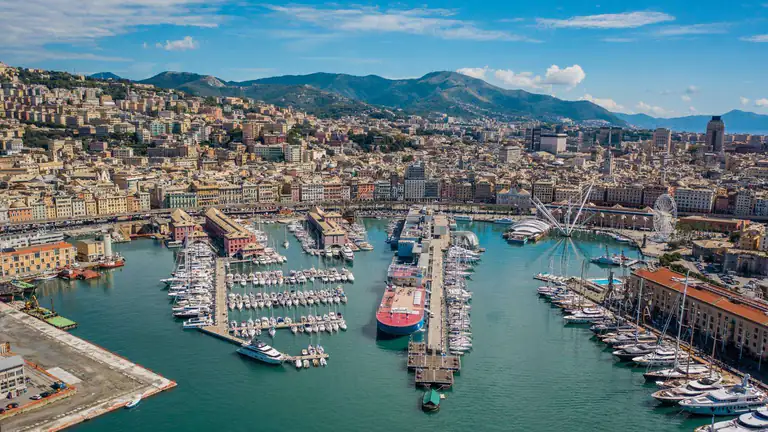
Genoa
La Superba: medieval alleys, UNESCO Rolli palaces, the Porto Antico and Aquarium, Boccadasse, Nervi and the forts, with focaccia and…
Discover →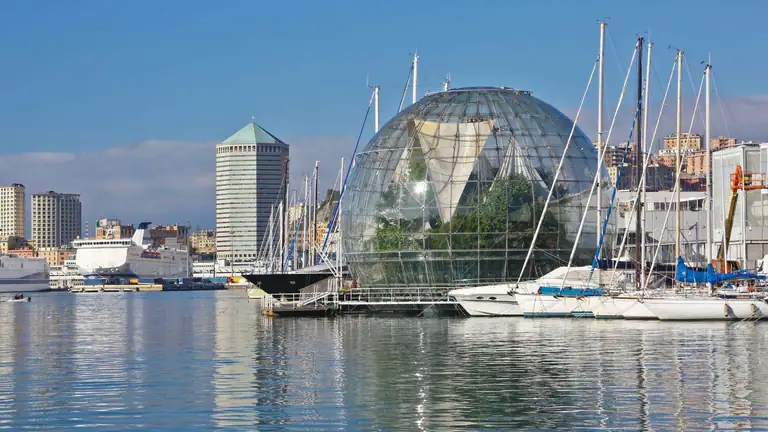
Museums
Biosphere
The large glass sphere designed by Renzo Piano at the Old Port, with a small tropical forest inside.
Discover →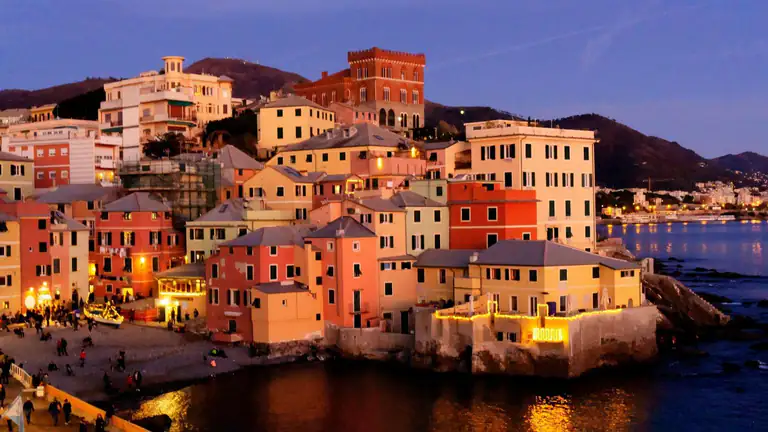
Villages and old towns
Boccadasse
The old fishing village at the end of Corso Italia: colourful houses, boats on the little beach and ice cream…
Discover →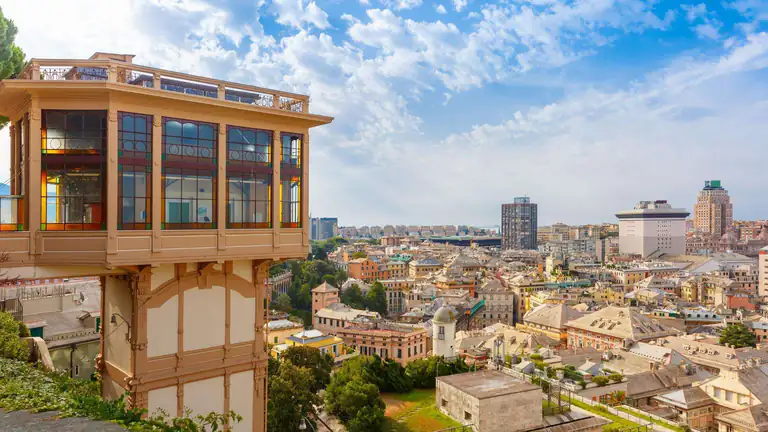
Viewpoints
Castelletto viewpoint
Genoa’s most famous viewpoint, reached by the Art Nouveau lift from Piazza Portello: rooftops, port and lighthouse.
Discover →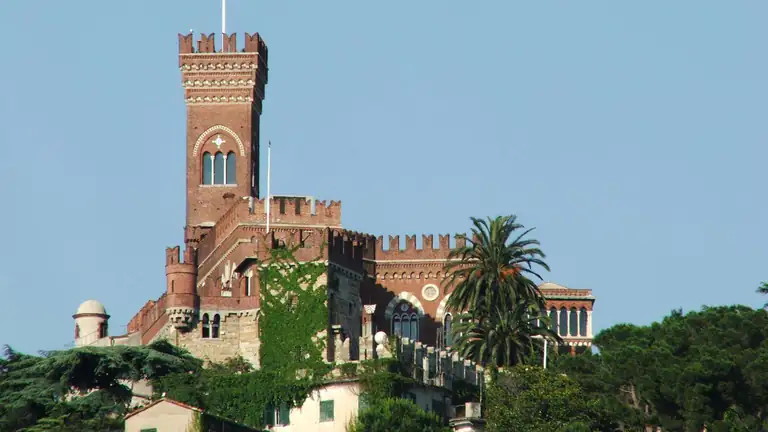
Castles and fortresses
Castello d’Albertis
Captain d’Albertis’s neo-Gothic castle on the Castelletto hill, now the Museum of World Cultures, with views over the port.
Discover →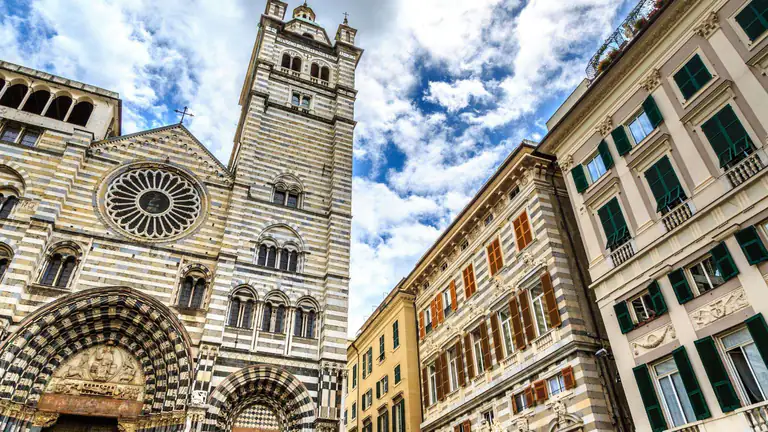
Churches and sanctuaries
Cathedral of San Lorenzo
Genoa’s cathedral, with its black-and-white striped façade, marble lions and the Treasury Museum.
Discover →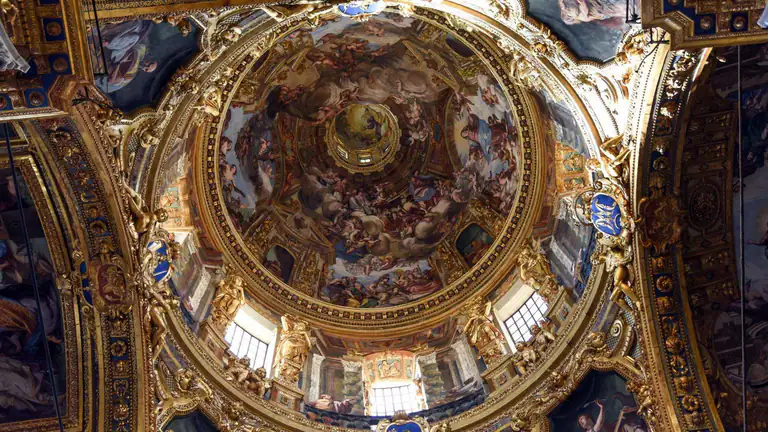
Churches and sanctuaries
Church of the Annunziata
The basilica of the Santissima Annunziata del Vastato, one of Genoa’s richest Baroque interiors, just off Via del Campo.
Discover →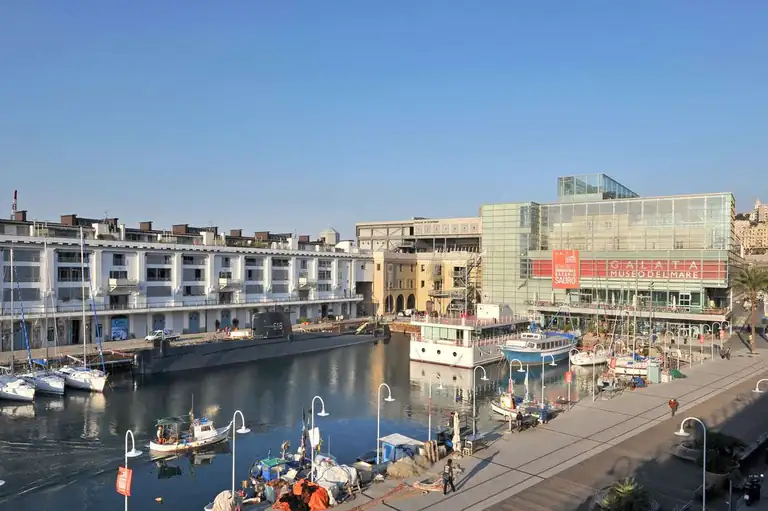
Museums
Galata Museum of the Sea
The largest maritime museum in the Mediterranean, in the Darsena: galleys, emigration, Columbus and the Nazario Sauro submarine.
Discover →