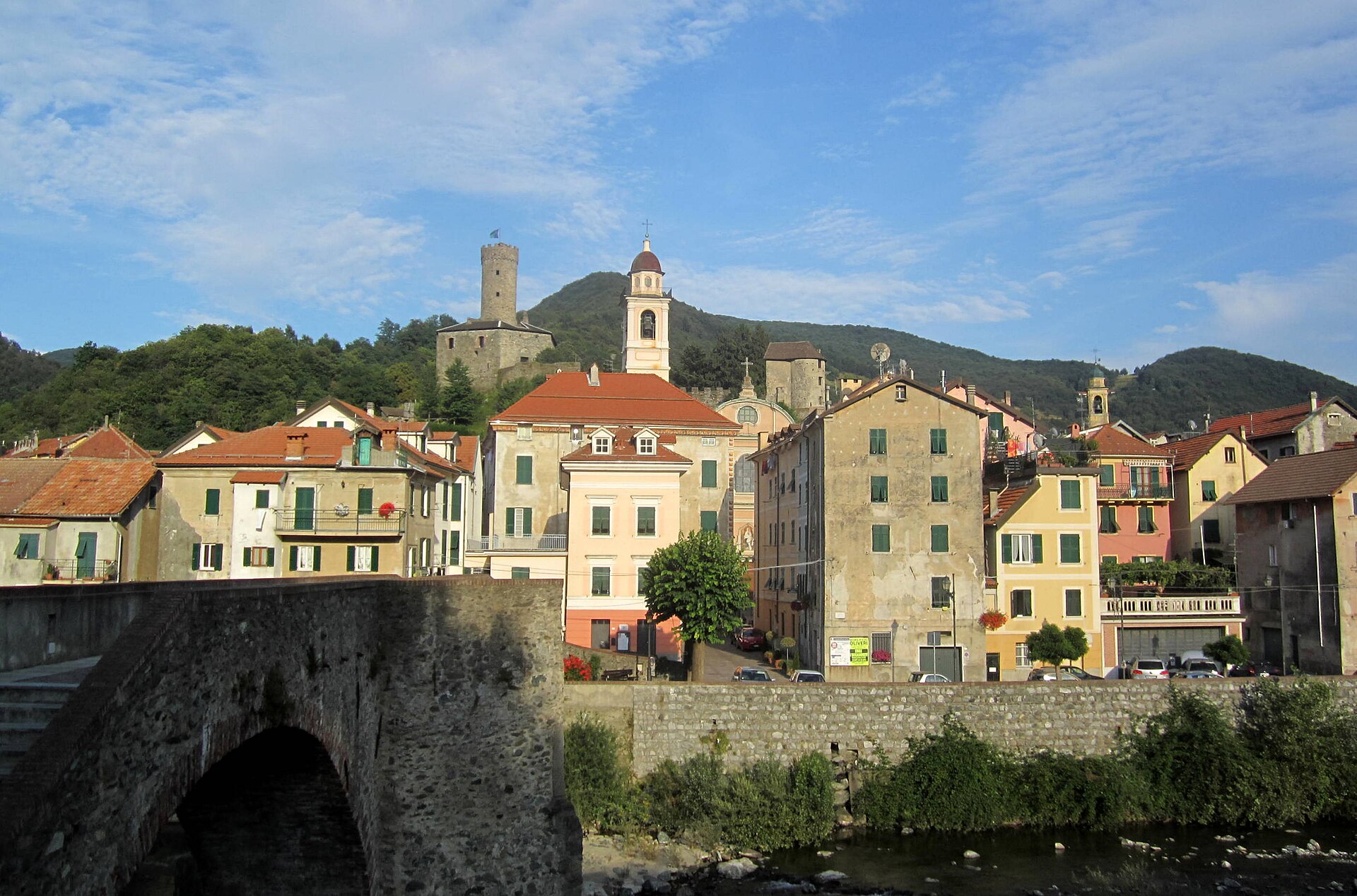
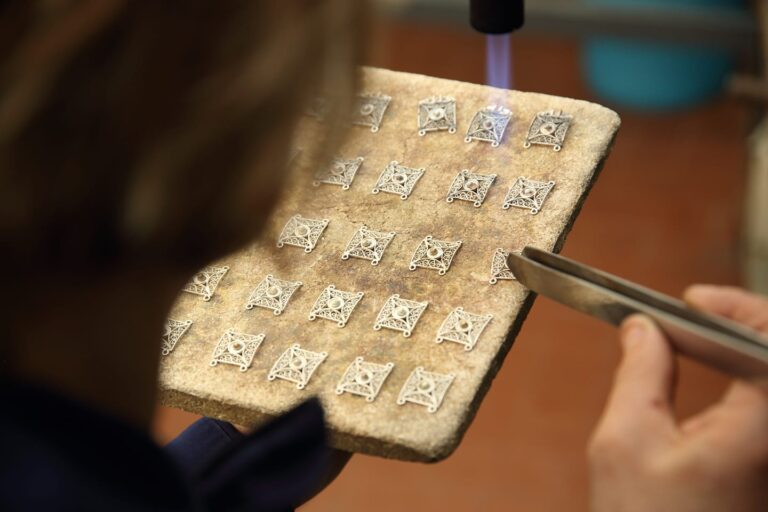
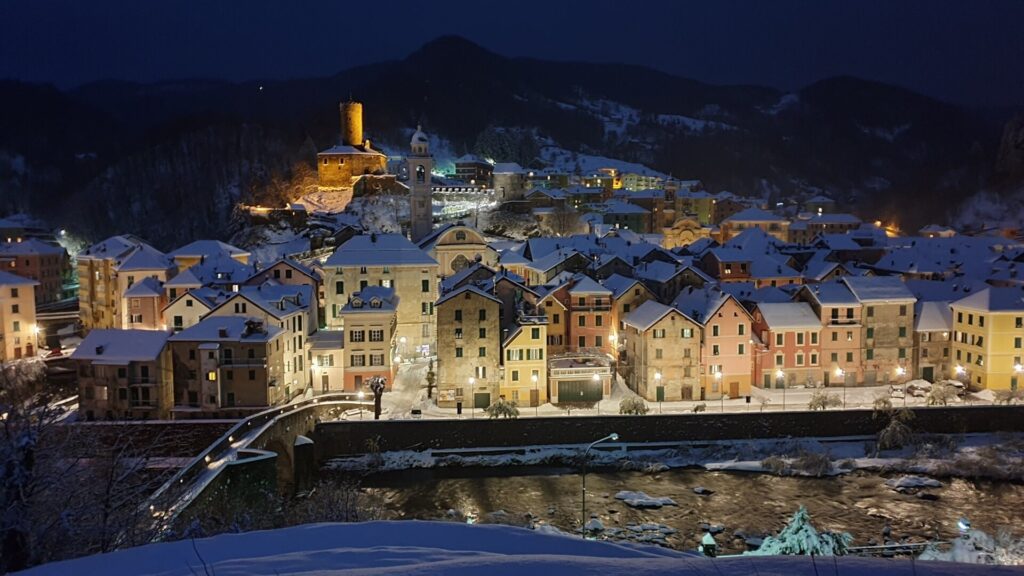
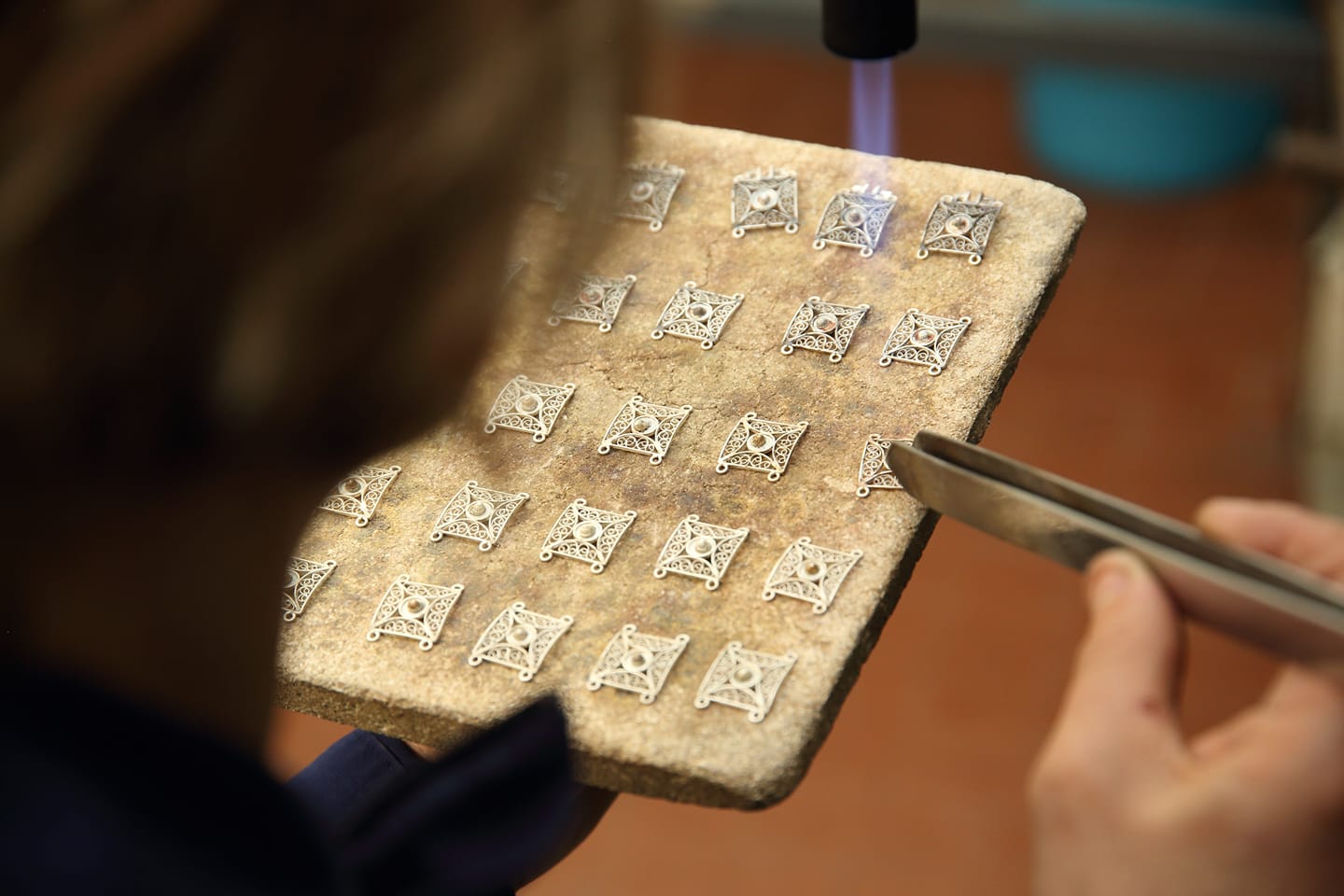
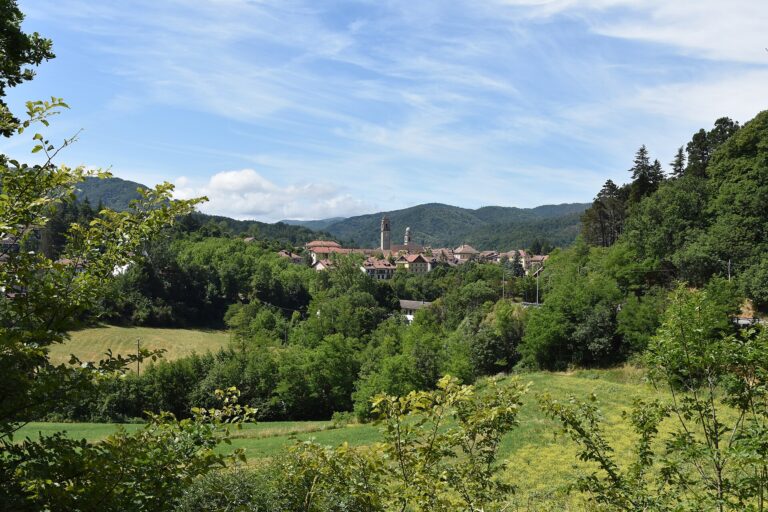
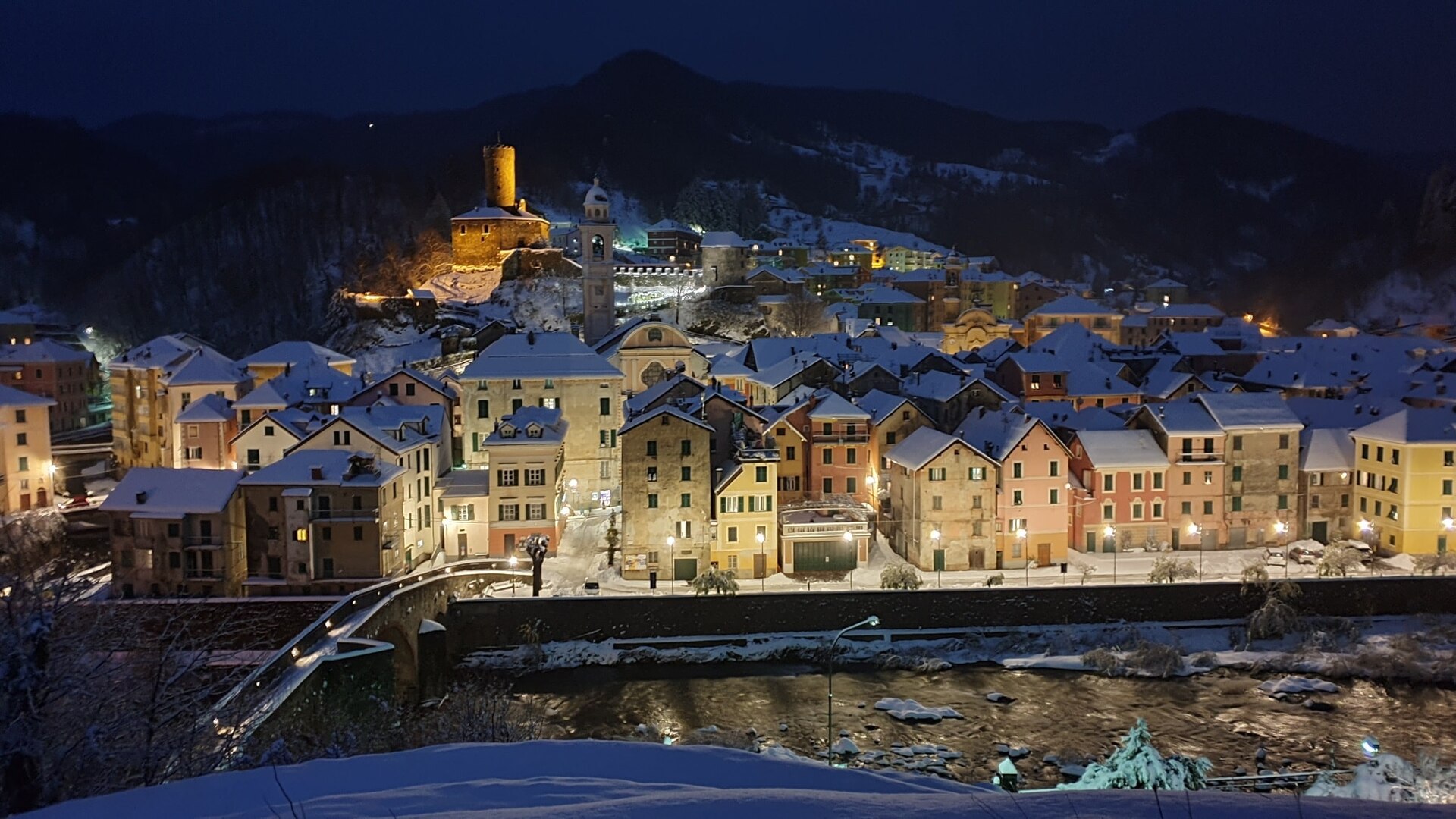
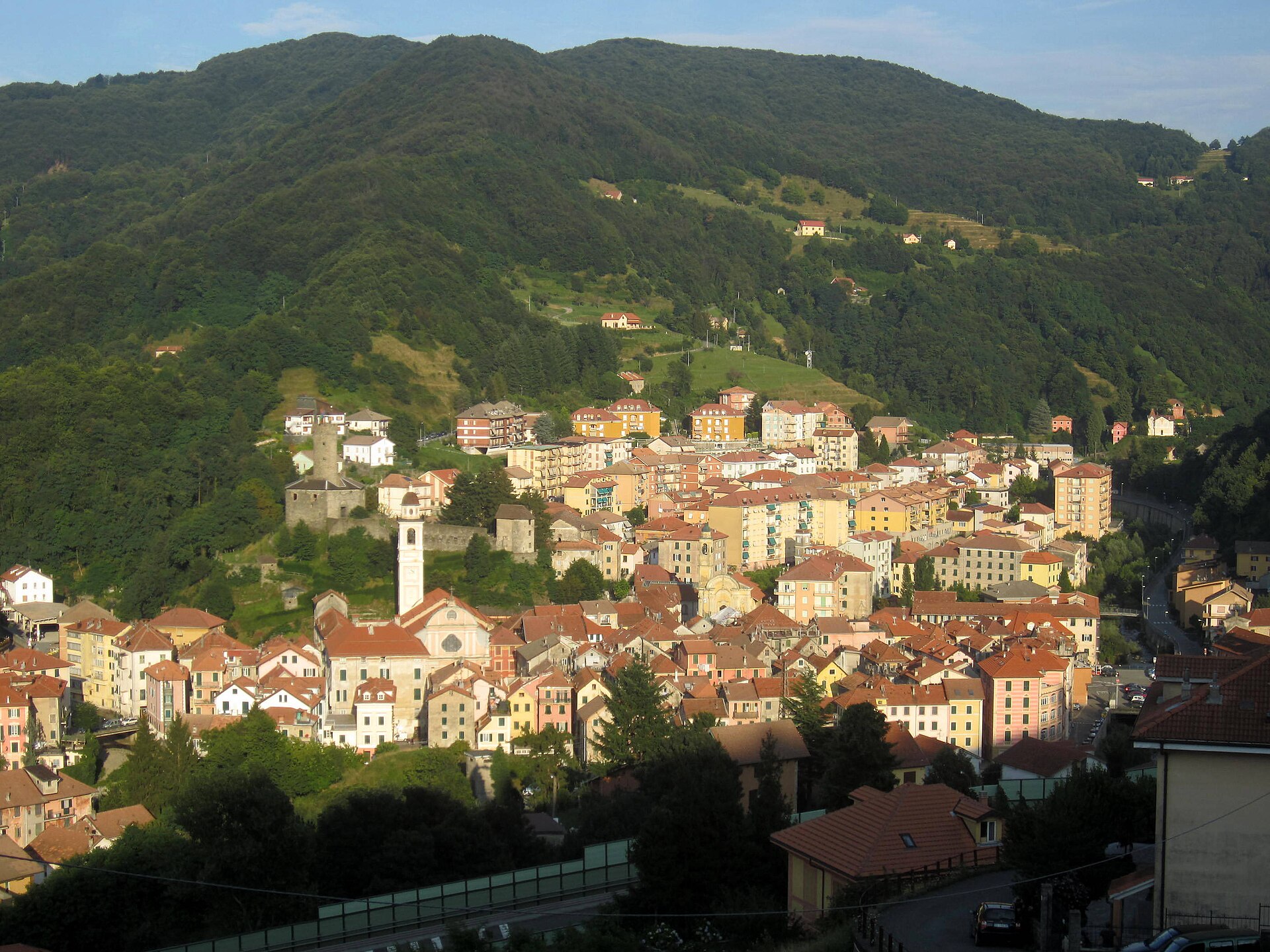
Campo Ligure is a village in the hinterland of Genoa, in the Valle Stura, at 342 metres above sea level and about 38 km from Genoa. It has just under 2,800 inhabitants, a castle you can even see from the A26 motorway and a very clear identity: this is the town of filigree, the craft of working extremely fine gold and silver threads, twisted and soldered by hand. It belongs to the Borghi più belli d’Italia (Italy’s most beautiful villages).
The centre is small and takes two or three hours on foot. You walk through caruggi (narrow lanes) that climb towards the castle, with the filigree workshops on either side, cross a medieval bridge over the Stura, visit the Filigree Museum and, if days and opening hours match, climb the castle tower, where since 2026 there is also an interactive museum of medieval history, TraMe. From 1329 it was a small imperial fiefdom of the Spinola family, surrounded by the territory of the Republic of Genoa.
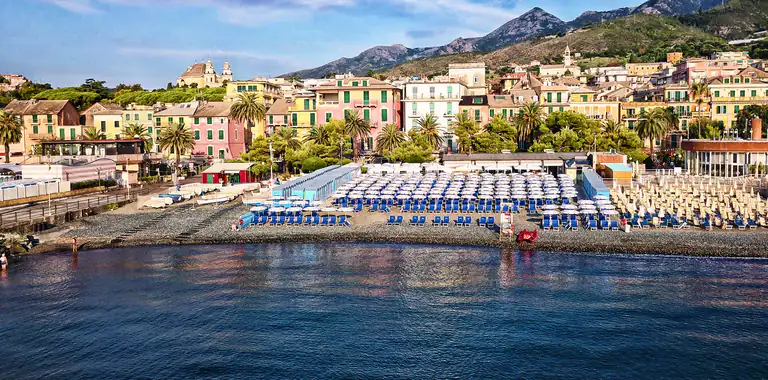
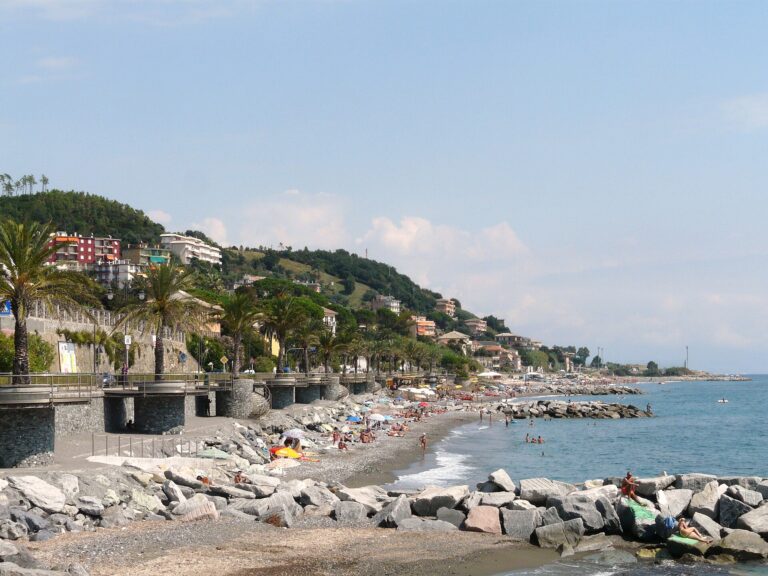
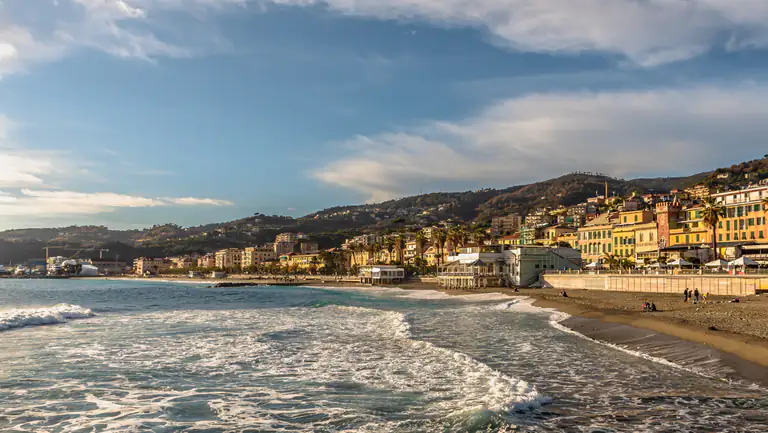
This is not a seaside destination: the nearest coast, Arenzano and Varazze, is half an hour away by road. It is, however, a good half-day or full-day trip from Genoa, even by train, or a stop on the Turchino road towards Piedmont. The subject that defines the village is filigree: its history, technique, where to see it and how to recognise it are told in our feature Campo Ligure’s filigree.
By Italian Riviera editorial team·Updated on ·10 min read
Where is Campo Ligure?
Campo Ligure is in Liguria (Riviera di Ponente, province of GE).
The most logical route starts at the Filigree Museum, takes in the square and the lanes with the workshops, passes the bridge and ends at the castle. Allow for steps and slopes, and wear comfortable shoes: the old town is built on a slope. Check opening hours before you set off, because the museum and the castle have limited hours, almost only at weekends.
Piazza Vittorio Emanuele II and Palazzo Spinola
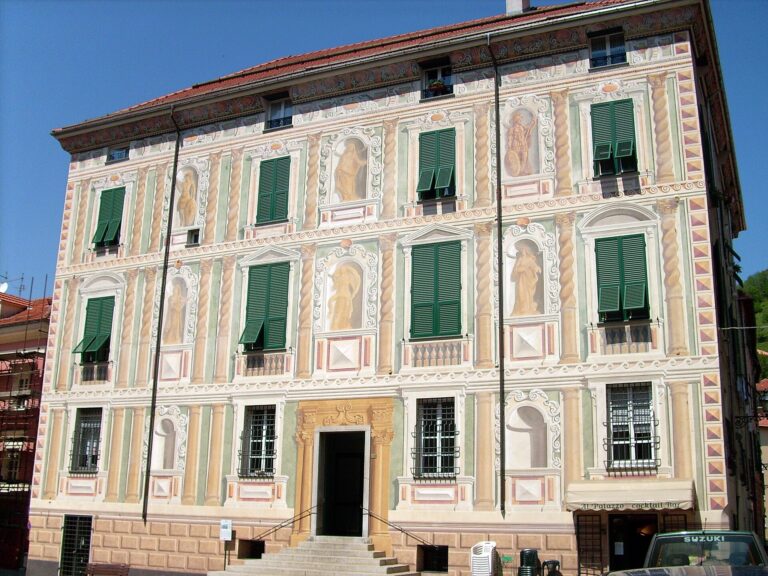
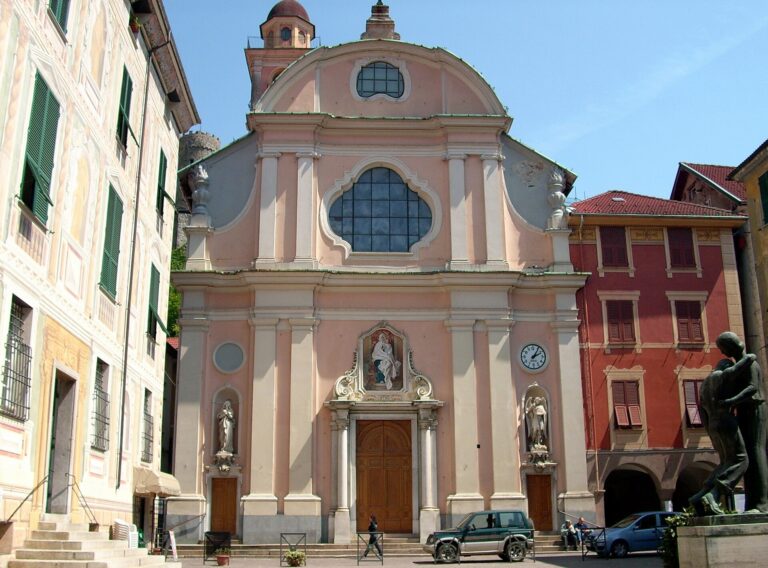
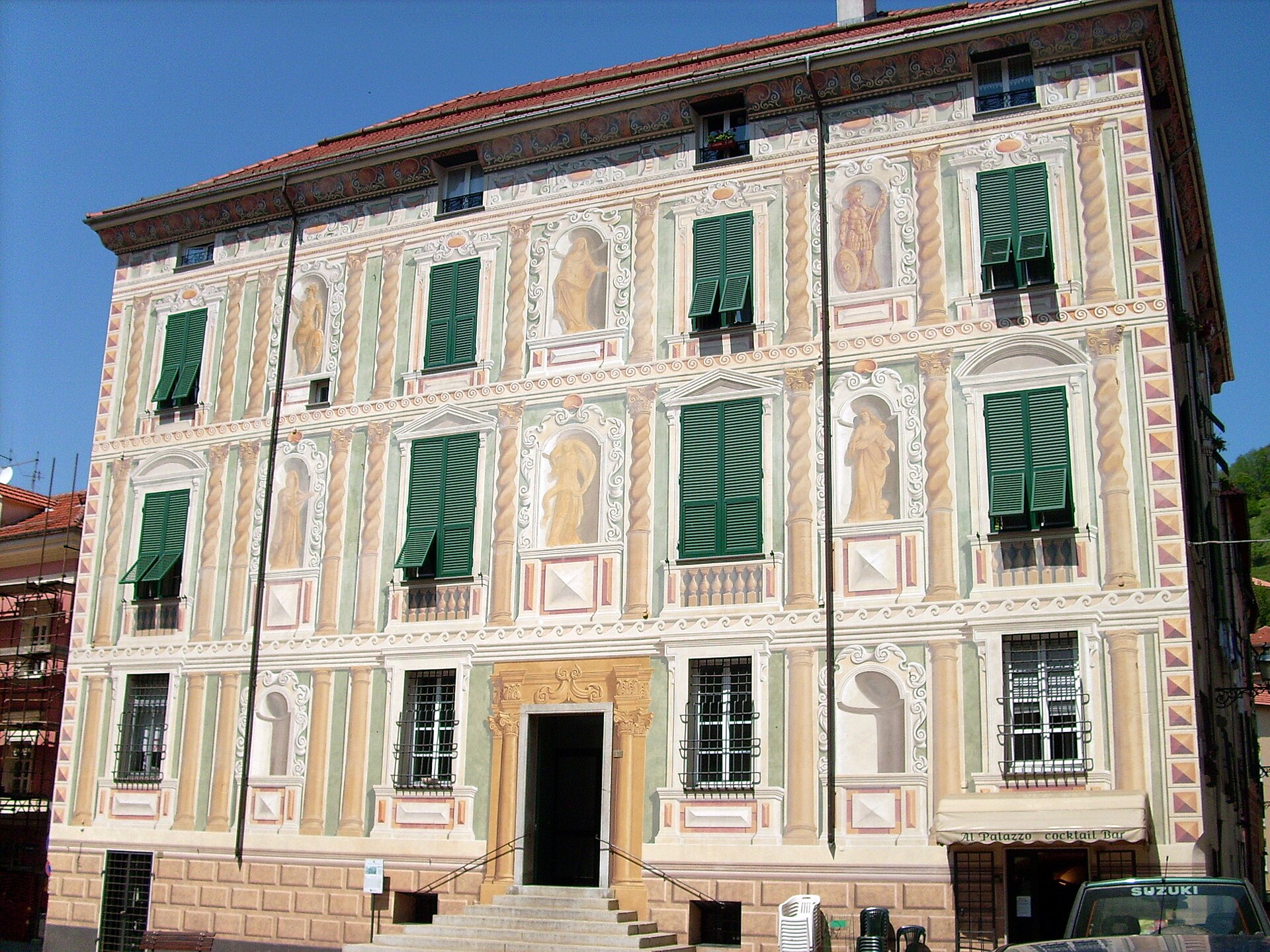
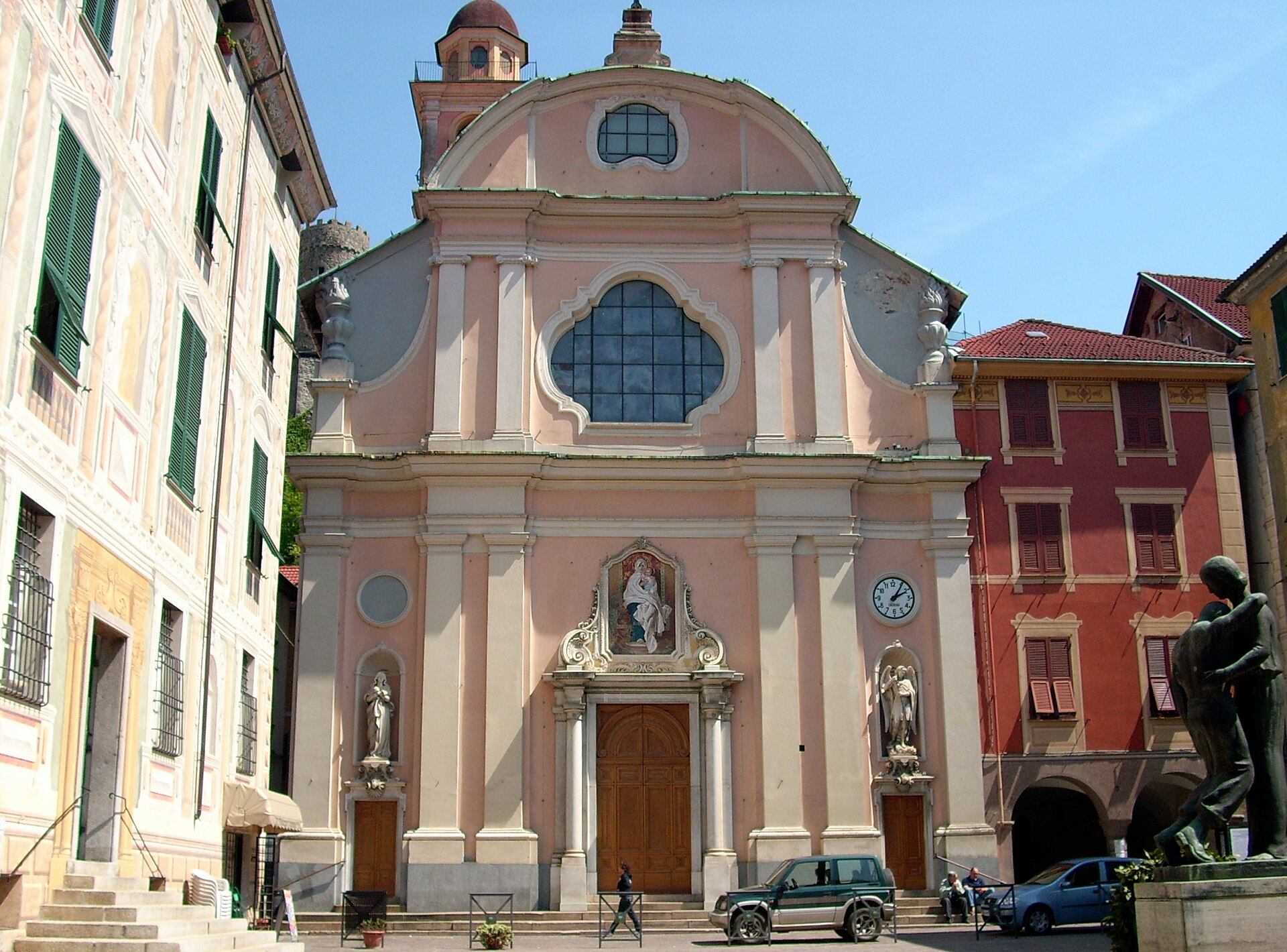
This is the heart of the village. Around the square are the parish church, the frescoed loggia and Palazzo Spinola, with its painted façade: built in the first half of the 14th century and extended in 1693, it is privately owned, so you can only admire it from outside. It is also where the main events are held, from the Filigree Exhibition to concerts.
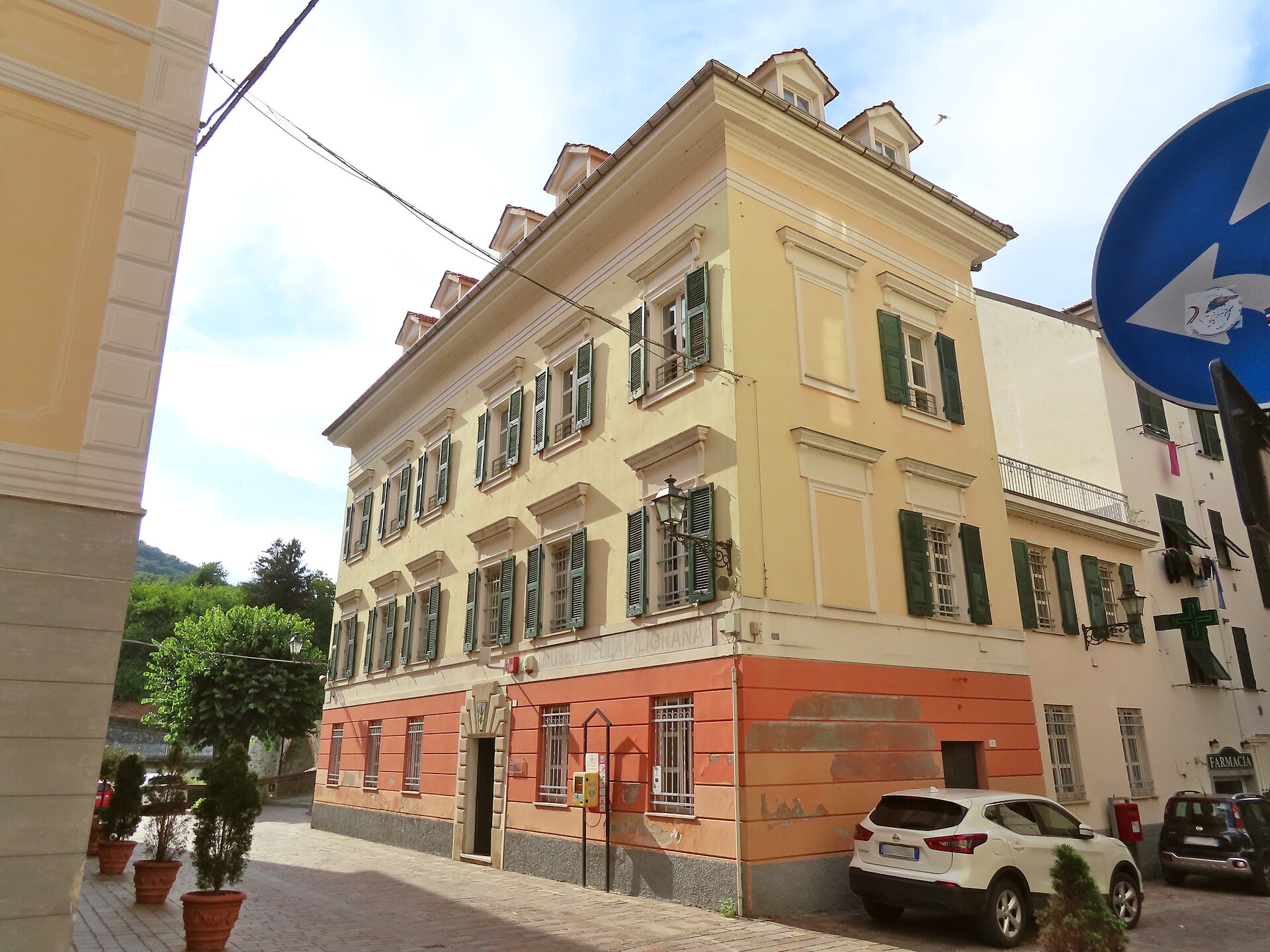
Pietro Carlo Bosio Civic Filigree Museum
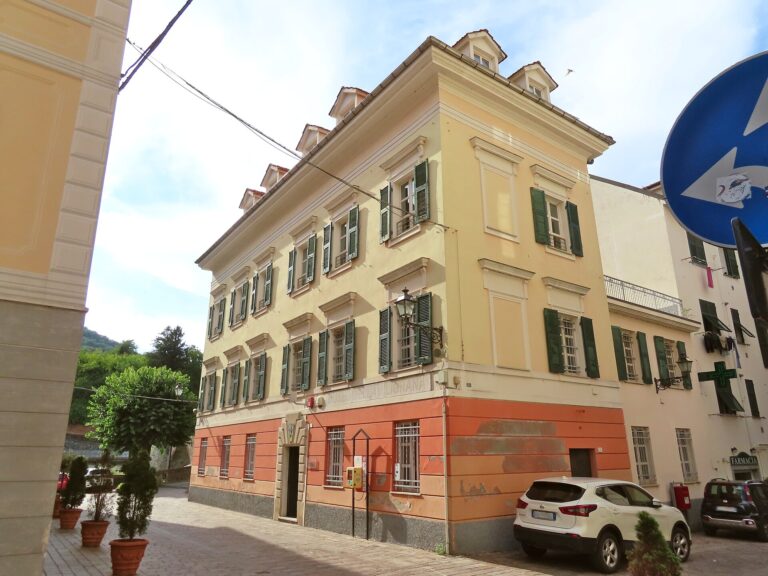
This is the stop that gives the visit its meaning. It grew out of the donation by Pietro Carlo Bosio and his wife, who spent years collecting pieces in markets and shops across Europe, and it is housed in via della Giustizia, in the former Palazzo di Giustizia (courthouse). Sources do not agree on the exact number of objects, but there are several hundred, from four continents and arranged by area: Europe, Asia, Africa and Latin America. On the top floor a multimedia exhibit explains the four stages of the work: casting, wire drawing, twisting and finishing.
At the last check (22 October 2026) the museum’s website gave the autumn hours as Friday 16:00–18:00, Saturday and Sunday 10:30–12:00 and 16:00–18:00. Groups and guided visits are booked on 010 920099 or 351 980 7931. The site also mentions a guided visit on Saturday and Sunday at 11:40, covering part of the museum and the climb up the castle tower. The ticket price is not published: phone or write to museodellafiligrana@gmail.com. Hours change with the seasons: check the museum’s website (in Italian).
The filigree workshops
The workshops are along the lanes leading up to the castle. Some work in view of the public, others open by appointment: this is where you can see how a piece of jewellery is made and, if you like, buy it directly from the craftsman. The tradition began in 1884, when the master Antonio Oliveri opened the first workshop, and soon grew to 33 workshops. Today there is also a training centre, FiligranArt, with courses for adults and children (ask directly for prices and calendars). In the feature on filigree you will find how to recognise a handmade piece.
Spinola Castle and the TraMe museum
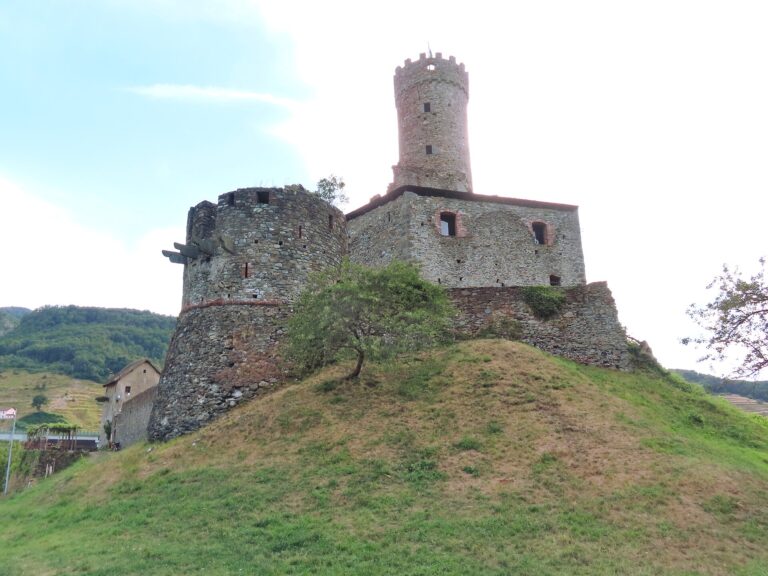
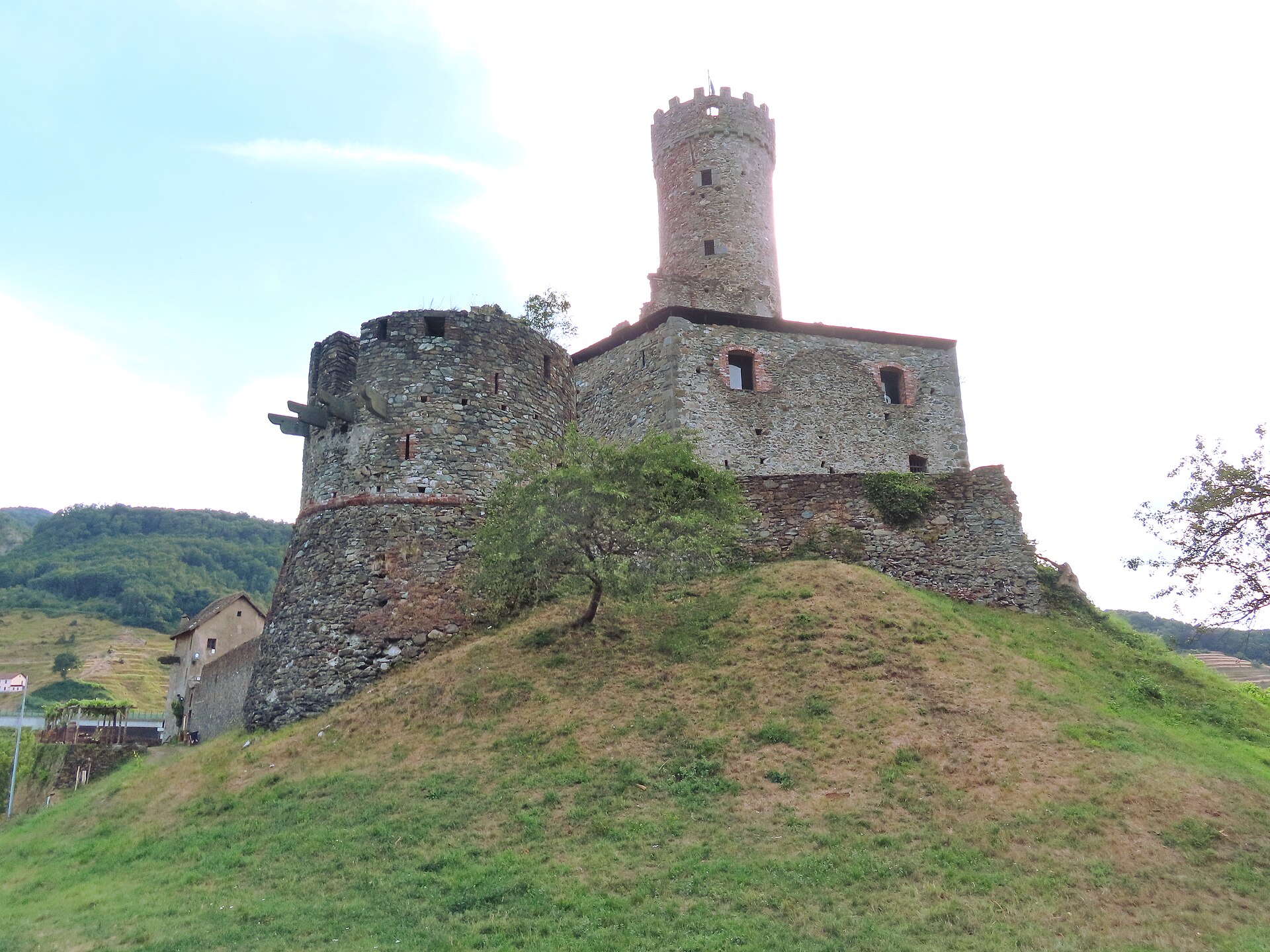
The castle stands on a hill above the old town. It has medieval origins: the walls perhaps date from the 13th century, the tower is more recent. It was the valley’s sentinel for the Spinola family, was re-fortified in the early 14th century, abandoned in the 18th century and later restored; it has belonged to the municipality since 1986. Today it hosts concerts and exhibitions in the courtyard, and can be visited with guides from the Cooperativa Dafne.
Since April 2026 the castle has housed TraMe, a multimedia, interactive museum of five rooms on medieval Liguria, the great Genoese families and the role of castles. The content is in Italian and English, with subtitles and videos in Italian Sign Language. In spring the castle opened on Saturday and Sunday from 10:30 to 12:00 and from 15:30 to 18:00; the museum’s website, with the autumn hours, gives the afternoon as 16:00 to 18:00. You can also climb the tower. Book through the museum, which combines visits to the museum, the castle and TraMe.
Giardino del Tugnin and the village from above
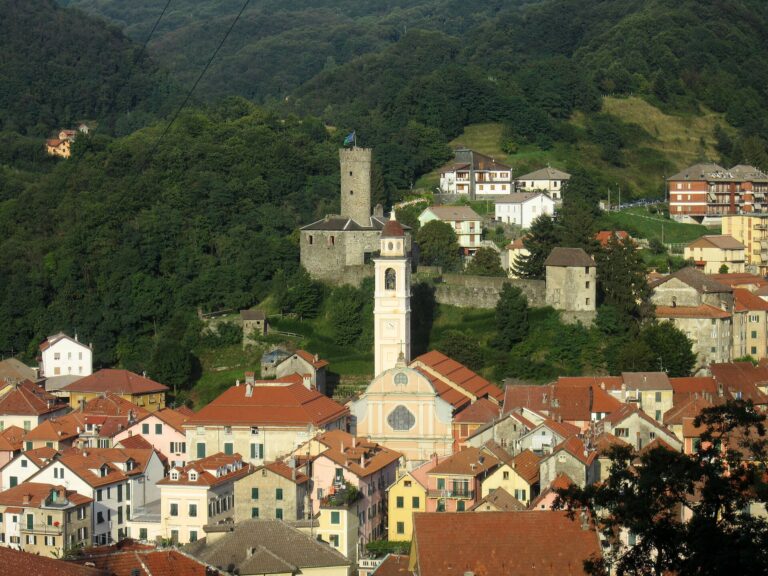
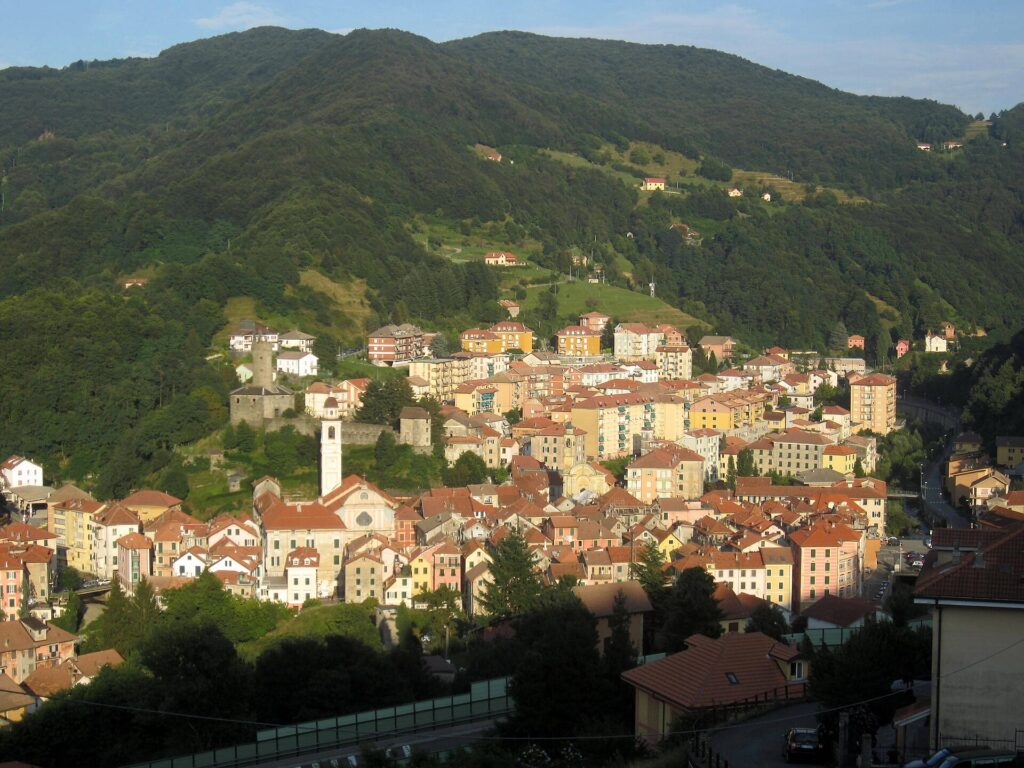
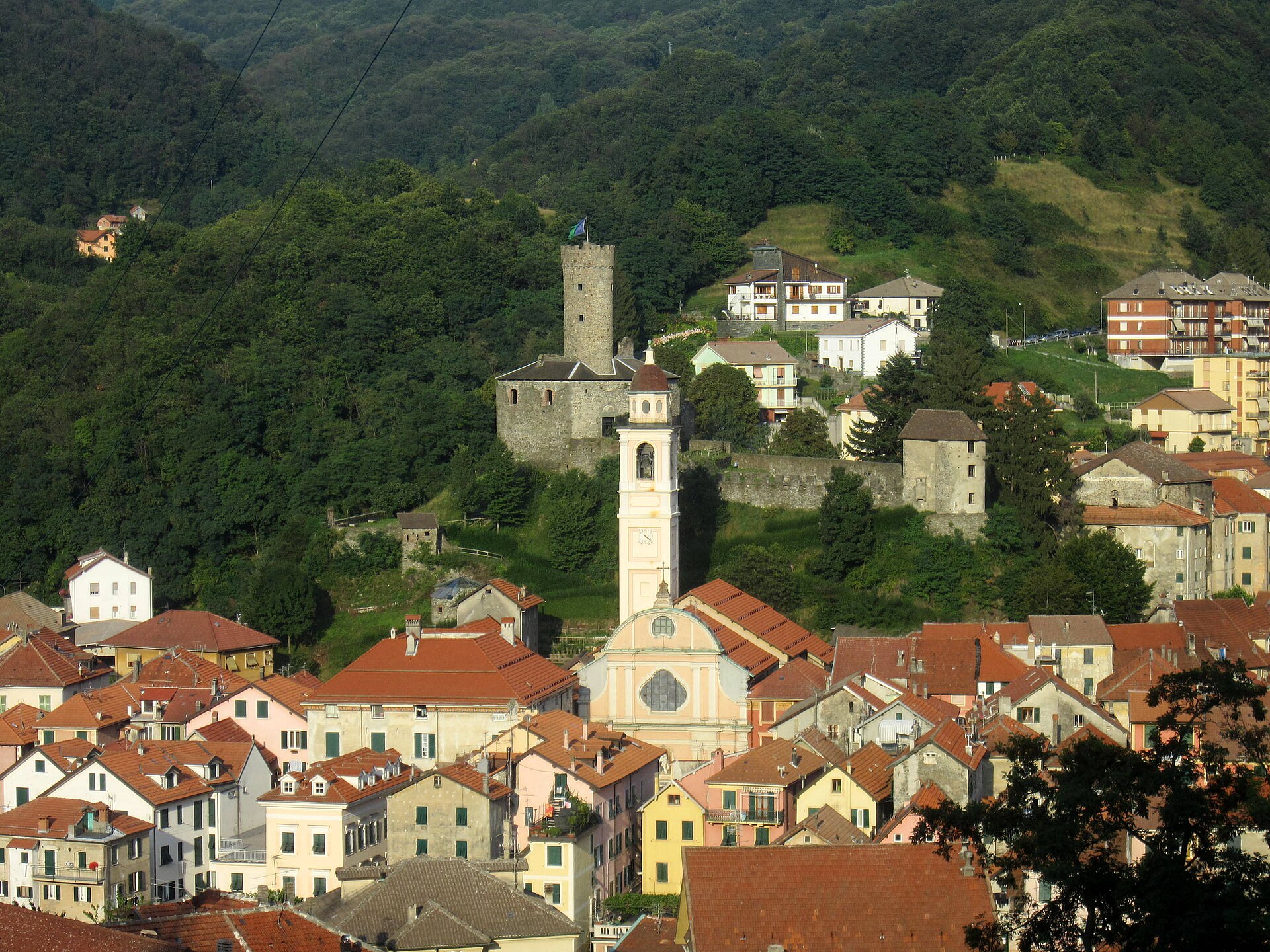
At the foot of the castle is the Giardino del Tugnin, the final stop of the guided village tours run by the Cooperativa Dafne. Opening hours and access outside the guided tours are not confirmed. The best place to understand how the village is laid out is the castle anyway: you see the bell tower of the parish church, the red roofs, the bed of the Stura and the hills that close the valley.
The San Michele bridge over the Stura
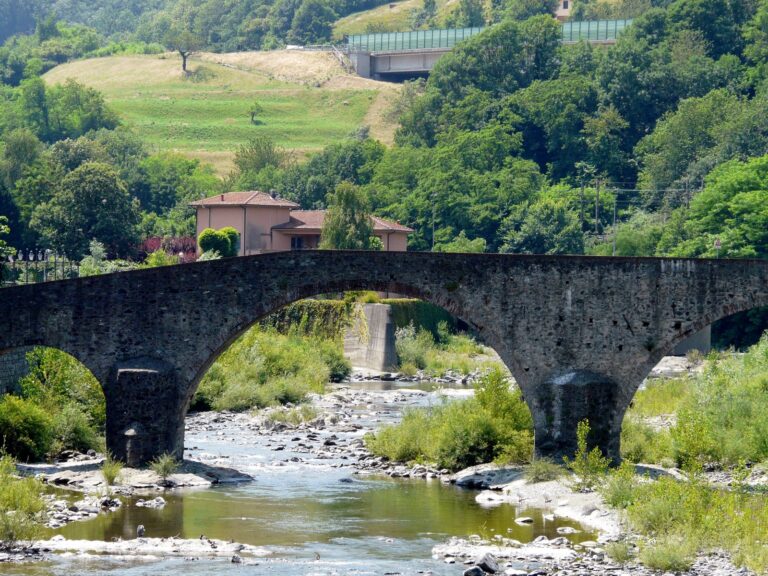
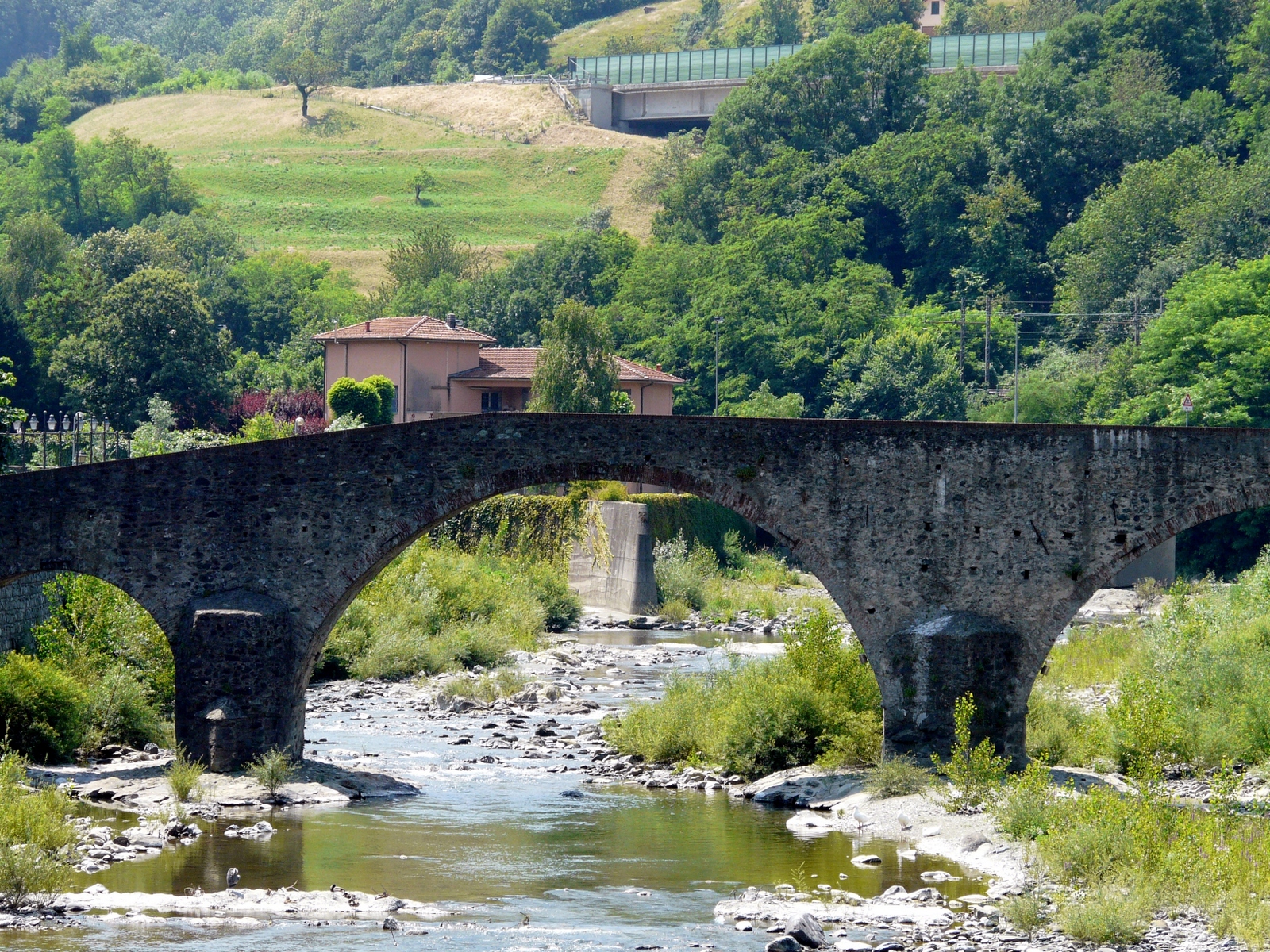
This is the medieval four-arch bridge across the Stura: the last reconstruction dates from 1841, after floods and collapses that rewrote it several times over the centuries. It is often called Roman, but it is not. It takes its name from the former church of San Michele, mentioned as early as 1241 and rebuilt between 1939 and 1941 after the flood of 1935.
The church of the Nativity of the Virgin Mary
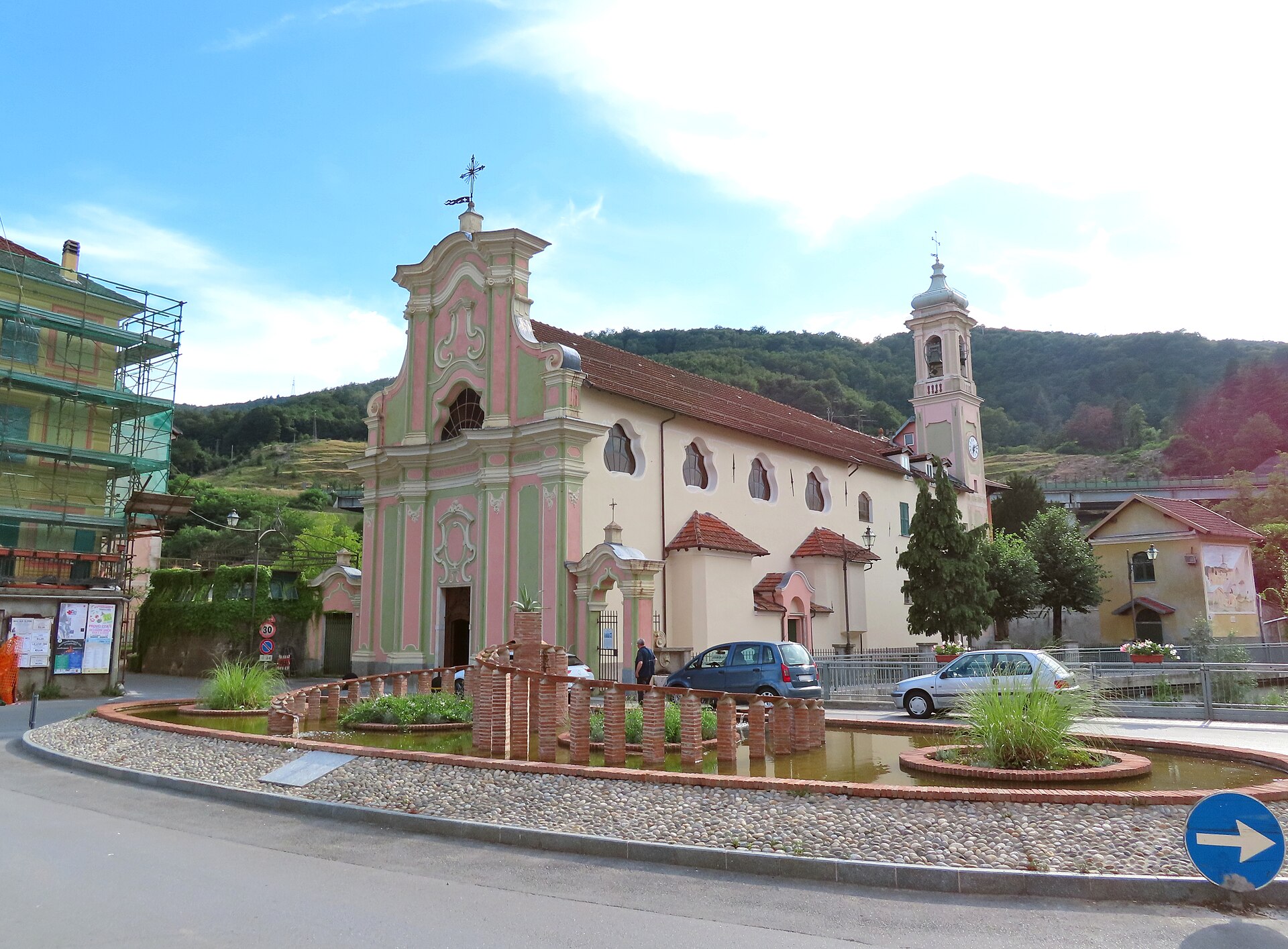
The parish church, in the square, was rebuilt between 1758 and 1762 in Baroque style. Inside it holds an altarpiece by Bernardo Strozzi. Opening hours are not published, so it depends on the moment: if it is closed, you can still see the bell tower and façade from the square.
Oratory of Saints Sebastian and Roch and the mechanical nativity scene
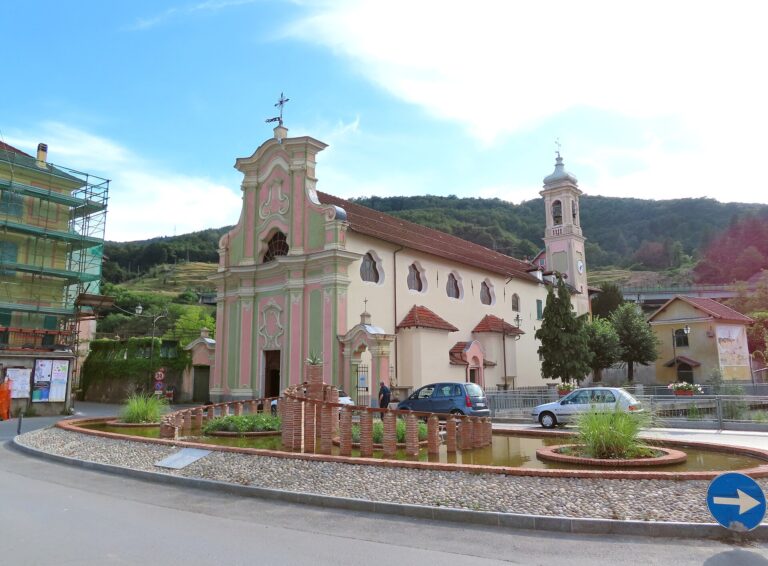
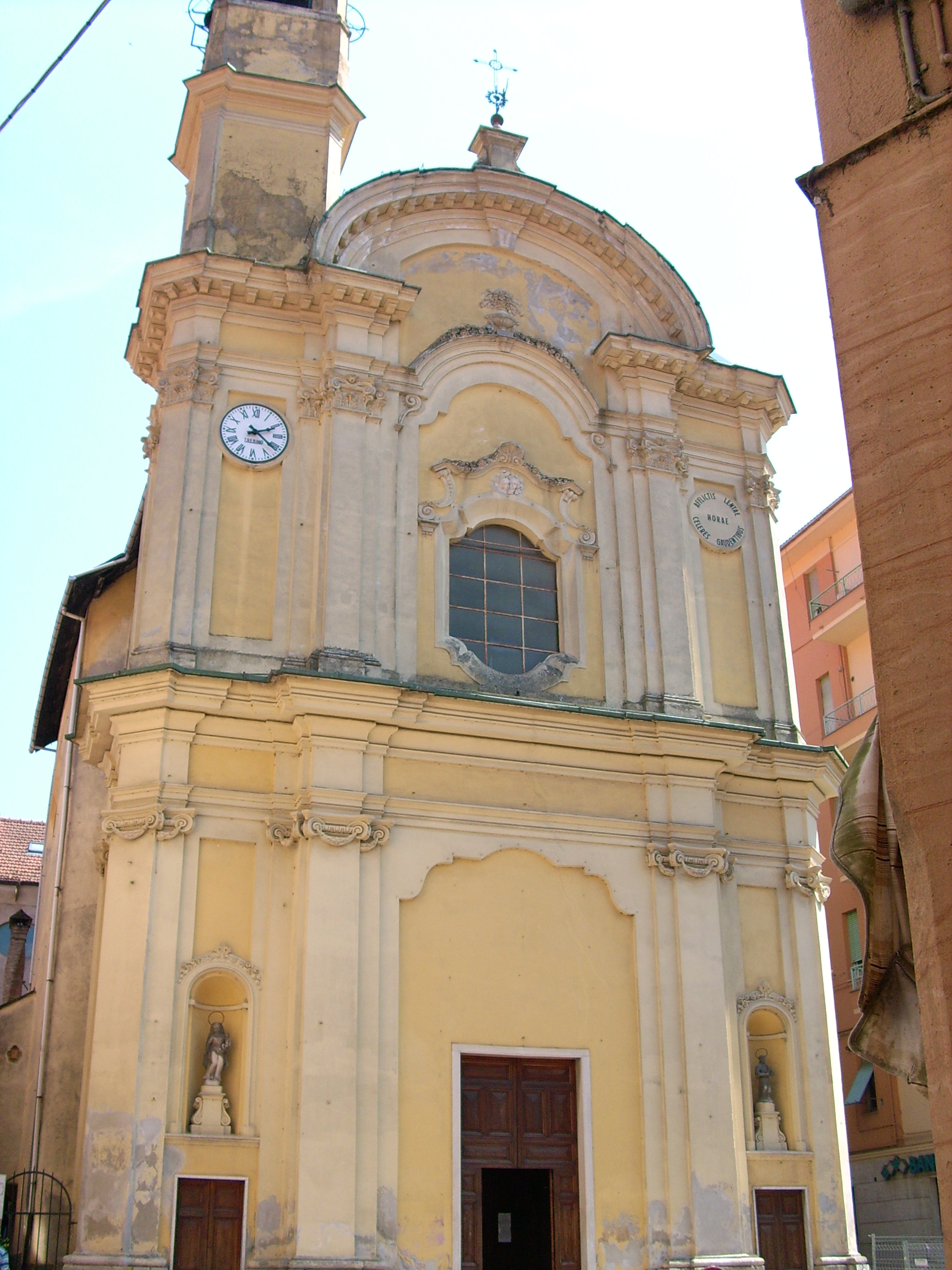
At the entrance to the village for those arriving from Genoa, the oratory was built in 1647 in Baroque style. It holds the Martyrdom of St Sebastian from the school of Domenico Piola. At Christmas it hosts the village’s mechanical nativity scene: about 90 square metres, hundreds of figures and dozens of movements telling the life of the valley in the early 20th century. The historical hours were every day until 6 January and on Saturday and Sunday in January; the calendar for the coming winter is not yet confirmed.
Oratory of Nostra Signora Assunta
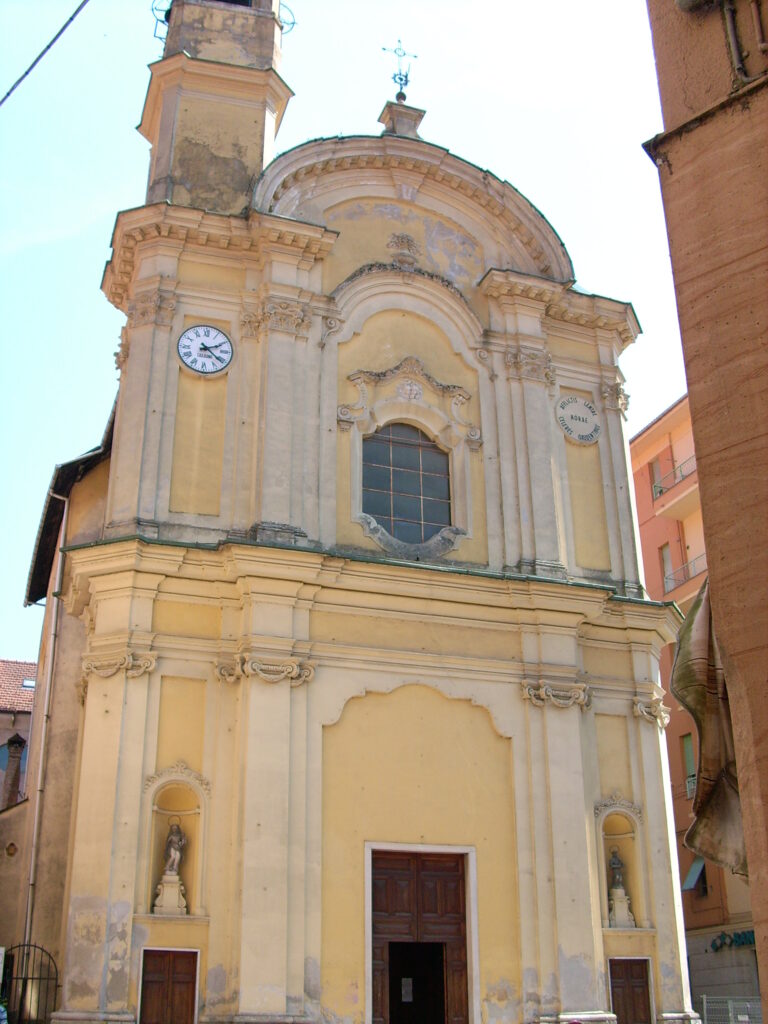
First mentioned in 1585, it was damaged by the fire of 1600 and rebuilt in the mid-18th century. Inside are a wooden statue of the Assumption by Ursino de Mari and a crucifix of the Neapolitan school.
Where to stay
Where to stay in Campo Ligure
According to sources, the choice in the village is small: a few places, from hotel-restaurant to B&Bs and farmhouses. Choose the old town if you want to do everything on foot (watch out for stairs and suitcases), the valley floor if you arrive by car, or a farmhouse in the hills if you want quiet. Staying in Campo Ligure makes sense if you want to see the museum and castle at the weekend, when they open, or in the evening after an event. Otherwise, you are better off basing yourself on the coast, at Arenzano or Varazze, about half an hour away by road, or in Genoa.
A26, exit Masone, then SS 456 del Turchino (about 11 km); from Genoa about 38 km, 40 minutes
By train
Campo Ligure-Masone station on the Genova Brignole–Acqui Terme line: about 40–55 minutes, check timetables ⚠️
By plane
Genoa Cristoforo Colombo, about 32 km (30 minutes)
By car
From Genoa take the A26 (Genova Voltri – Gravellona Toce) and exit at Masone, then continue on the SS 456 «del Turchino» towards Campo Ligure: from Masone it is about 11 km, from Genoa about 38 km in 40 minutes. The road is subject to closures for landslides and roadworks: check Anas or an app before you leave.
By train
The station is called Campo Ligure-Masone and is on the Genova Brignole – Ovada – Acqui Terme line, open since 1894. From Genova Brignole it takes about 40–55 minutes, from Acqui Terme about 35. Trains are regional: check frequency and last train on Trenitalia, because the line has had suspensions with replacement buses in the past.
By bus
Older sources mention an ATP link with Genoa of about 35 minutes and a line to Ovada, but 2026 timetables are not confirmed: ask the municipality or the transport companies.
By plane
The nearest airport is Genoa Cristoforo Colombo, about 32 km by road (about 30 minutes). From there the simplest option is a rental car.
Parking
There is no official published list. Look for a space on the edge of the old town and walk up: the lanes are narrow. For campervans, one listing reports a municipal area in via San Michele (about 10 spaces, free) to be checked with the municipality (010 921003). If you are here for the day, the train is convenient.
Part of Campo Ligure’s territory lies inside the Beigua Park, a UNESCO Geopark, and it borders the Capanne di Marcarolo Park. Tourist sources speak of over a hundred kilometres of routes for hiking and mountain biking, but there is no official network with times and difficulty that is easy to quote: before you set out, consult the Beigua Park maps or ask the tourist office.
Above the village, at about 750 metres, is the Pratorondanino mountain botanical garden, on the border with the Capanne di Marcarolo Park: it is open in season (the best flowering is between May and June), but 2026 opening is not confirmed, so ask first the Metropolitan City of Genoa or the Beigua Park. The municipality is also among those crossed by the Cammino dei Santuari del Mare: check stages and route on the walk’s website.
What to eat in Campo Ligure
The cooking is that of the hinterland, simple and built on chestnuts, milk and maize. The signature dish is revzöra (or revzora), a flatbread of maize and wheat flour: it is different from chickpea farinata, even though some websites confuse the two. You find it in the village bakeries. Then there are bazzurra, a humble dish made with milk and chestnuts (sources differ on the recipe), and pute, polenta cooked in vegetable broth, once cut into slices. Among the sweets is the revzotto, a hexagonal biscuit shaped like the castle tower. Milk and cheeses from the Valle Stura are the local products. We do not name restaurants: sources are few and often old, so ask in the village or at the tourist office.
Events in Campo Ligure
In 2026 the International Filigree Exhibition was held on 20 and 21 June, for the first time in an international edition, in the restored former Convent Church: the next edition is not confirmed. On 22 July is the feast of the patron saint, Santa Maria Maddalena. In summer there is a roving concert in the old town, with candlelit music, and the first weekend of August is traditionally the Campofestival (Celtic music in the castle courtyard, 2026 not confirmed). The Sagra del Cinghiale (wild boar festival), organised by the Red Cross, ran from 7 to 10 August in 2026 at the Palazzetto dello Sport. On the last Sunday of August there is «Camingiando», a food walk, and in October the Pro Loco organised the OktoberPest, a pesto and beer festival (10–11 October 2025; 2026 not confirmed). The mechanical nativity scene closes the year.
Day trips from Campo Ligure
Genoa: about 38 km, 40 minutes by car or 40–55 minutes by train from Brignole.
Arenzano: about 28 km by car (25 minutes), the nearest sea.
Varazze: about 35 km (27 minutes), beach and promenade.
Cogoleto: about 38 km (30 minutes), another beach on the western coast.
Savona: about 46 km (36 minutes), port and old town.
Albissola: about 43 km (33 minutes), the ceramics town.
Ovada: 16 km by car, in Piedmont, on the same railway line. Acqui Terme: about 36 km.
Weather
Weather and best time to visit Campo Ligure
April–June and September–October (museums open, mild days); December for the nativity scene ⚠️
☀️
10°CNow · wind 20 km/h
Thu 22🌤️16° 10°
Fri 23🌦️16° 7°9 mm
Sat 24☀️14° 6°
Sun 25⛅15° 7°
Mon 26☁️15° 8°
Tue 27☀️19° 10°
Forecast: MET Norway (Yr), CC BY 4.0 licence. Updated hourly.
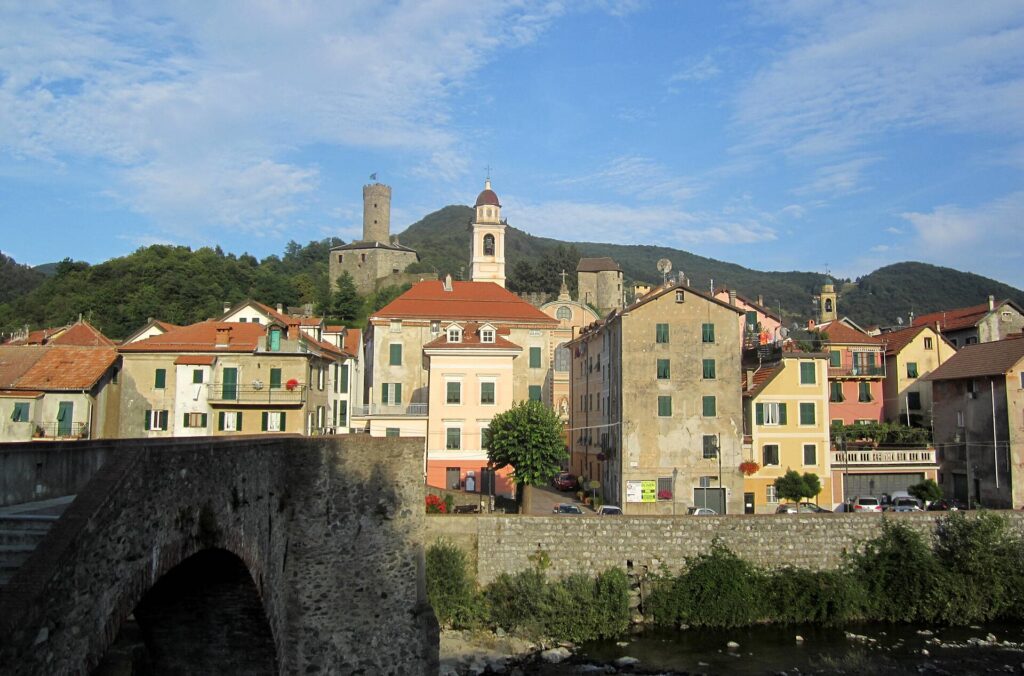
Campo Ligure con il ponte San Michele sullo SturaIl borgo con il campanile della parrocchiale e il castello SpinolaIl castello Spinola sul colle sopra Campo LigureIl ponte medievale di San Michele sullo SturaUn artigiano lavora un pezzo di filigrana con la pinzaLa facciata del Museo Civico della Filigrana a Campo LigurePalazzo Spinola con la facciata affrescata
FAQ
Frequently asked questions about Campo Ligure
What can you see in Campo Ligure in half a day?
The Filigree Museum, the square and workshops, the San Michele bridge and the castle with its tower. Check the hours for the museum and castle: they open mainly at weekends.
When is the Filigree Museum open?
According to the official website, with autumn hours: Friday 16:00–18:00, Saturday and Sunday 10:30–12:00 and 16:00–18:00. Groups and guided visits by booking (010 920099).
How much is the ticket?
The museum’s website does not publish the price. Phone 010 920099 or write to museodellafiligrana@gmail.com.
What is TraMe?
A five-room multimedia museum inside the castle, on medieval Liguria and the Genoese families, open since 25 April 2026, with content in Italian and English and videos in sign language.
Can you get there from Genoa by train?
Yes. The station is Campo Ligure-Masone, on the Genova Brignole–Acqui Terme line, about 40–55 minutes. Check timetables and bus replacements.
How far is Campo Ligure from Genoa?
About 38 km by road, around 40 minutes, via the A26 and SS 456.
Where can you buy filigree?
In the workshops in the lanes, directly from the craftsman. The museum helps you recognise handmade work.
What is revzöra?
A flatbread of maize and wheat flour typical of the village. It is not chickpea farinata.
Is the San Michele bridge Roman?
No, it is medieval, rebuilt several times; the last time in 1841.
When is the best time to go?
April to June and September to October, when the museums and castle are open and the days are mild. December is the month of the mechanical nativity scene.
Cogoleto between Arenzano and Varazze: gravel beaches, Columbus's house, De André seafront, botanical garden, the Beigua from Sciarborasca, trains and…