The Cetacean Sanctuary, or Pelagos Sanctuary, is the marine protected area established by Italy, France, and Monaco in 1999 to protect whales and dolphins: it covers the entire Ligurian Sea and lies just off the coast of Liguria. To see them, you’ll need to take a half-day whale-watching excursion, departing from Genoa, Varazze, or Savona. Here’s what species you might encounter, when to go, how the trip works, and the rules to follow.
- What it is: an international marine mammal sanctuary covering 87,500 km² between Italy, France, and Monaco
- Species: 8 common species, ranging from the striped dolphin to the fin whale and the sperm whale
- Departures: Genoa (Porto Antico), Varazze, and Savona
- When: during the warmer months, generally from spring to fall
- Duration: half a day or longer, on the open sea
- Golden rule: Never get within 100 meters of animals
What Is the Pelagos Sanctuary?
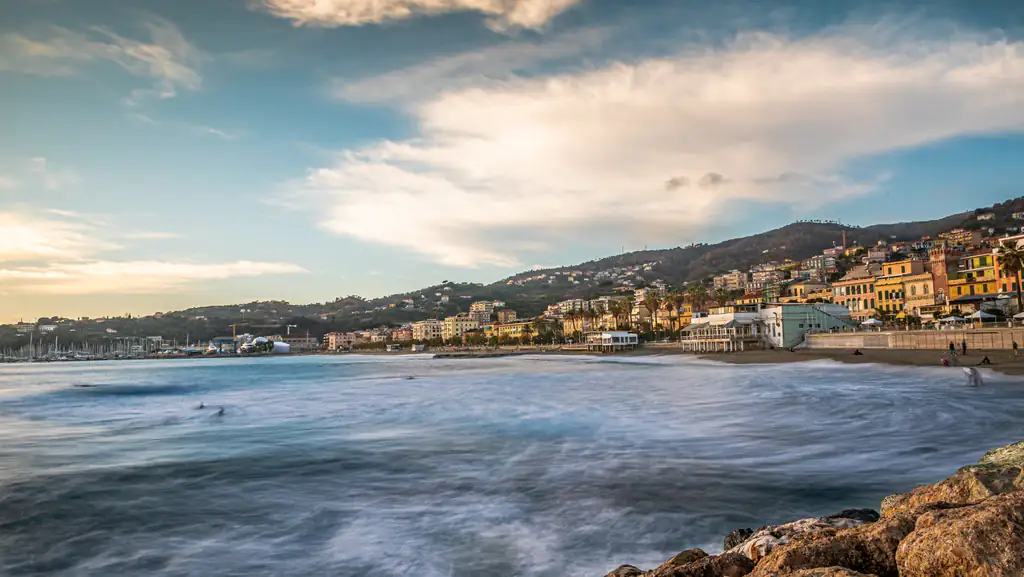
The Pelagos Marine Protected Area was established under an agreement signed in Rome on November 25, 1999, by Italy, France, and the Principality of Monaco, which has been in effect since 2002. It covers an area of 87,500 km² with over 2,000 km of coastline: it encompasses the entire Ligurian Sea, part of the northern Tyrrhenian Sea, the Sardinian Sea, and the Gulf of Lion, surrounding Corsica and the northern part of Sardinia.
It is not a park with fences or admission tickets: it is a sea where the three countries coordinate the protection of cetaceans and their habitat. It is recognized as a Specially Protected Area of Mediterranean Importance and has its secretariat in Monaco. Off the coast of Liguria, the continental slope and underwater canyons—such as the one off Genoa—serve as hunting grounds for fin whales, sperm whales, and beaked whales.
Which cetaceans can you see?
Eight species of cetaceans live in the sanctuary on a regular basis:
- Striped dolphin: the most common dolphin, about 2 meters long; it is the most frequently sighted species offshore, in all seasons.
- Fin whale: the giant of the Mediterranean, 19–22 meters; it stays submerged for an average of 6–7 minutes.
- Sperm whale: Males can grow up to 18 meters long and are usually seen here alone along the continental slope.
- Bottlenose dolphin: the dolphin found closest to the coast, in waters deeper than 100 meters.
- Long-finned pilot whales and short-finned pilot whales: larger dolphins, ranging from 2.5 to 7 meters, found in deep waters.
- Zifio: rare and shy, it inhabits underwater canyons.
- Common dolphin: rarely sighted in the sanctuary these days.
Every trip is different: no one can guarantee what you’ll see. Bottlenose dolphins are almost always there, but a whale sighting is what everyone hopes for.
Hotels, B&Bs and apartments all over Liguria: compare prices and availability.
Where do the hikes start?
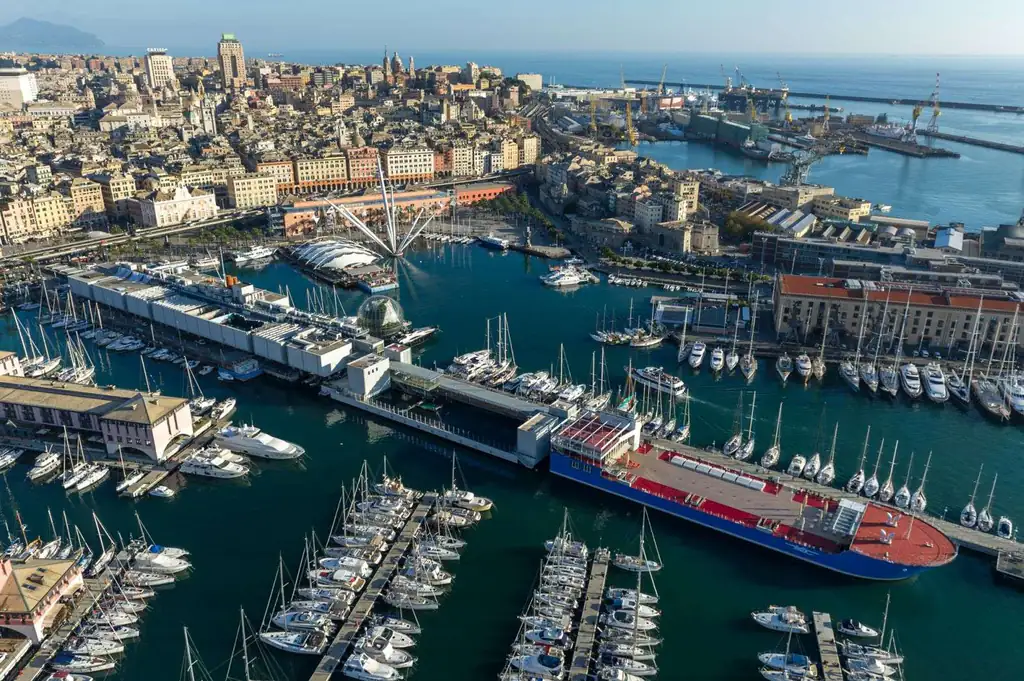
The whale-watching tours organized by the Liguria Via Mare Consortium, which holds the “High Quality Whale-Watching” certification, depart from three ports:
- Genoa, Porto Antico: Boarding takes place at the pierof the Genoa Aquarium. This is convenient if you’re arriving by train and want to combine your trip with a visit to the Aquarium, which has a pavilion dedicated to cetaceans.
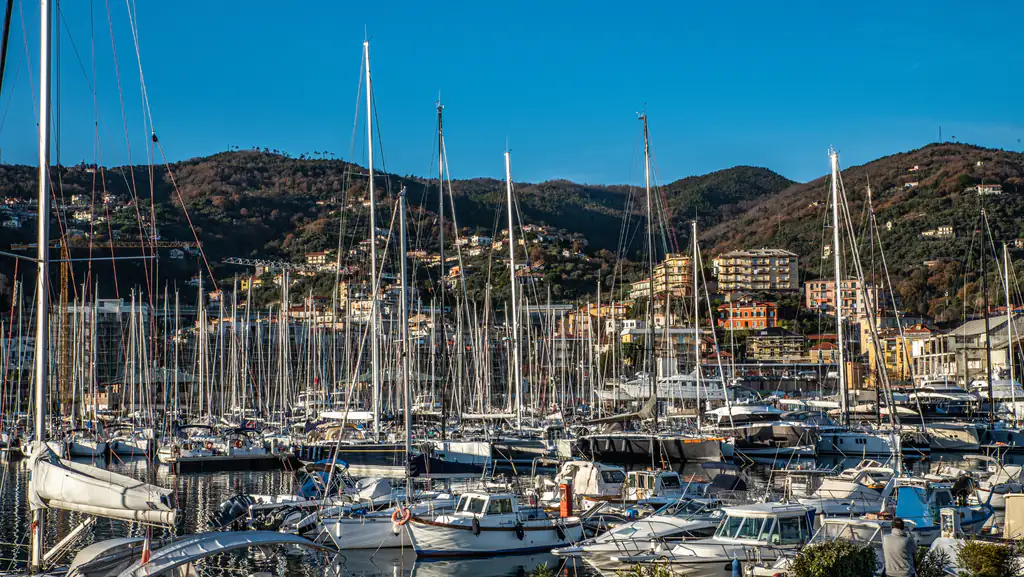
- Varazze: from the marina, on the Riviera di Ponente.
- Savona: from the Torretta, on the Molo Marinai d’Italia.
The schedule, times, and prices change every season: check them on the operator’s website, whalewatchliguria.it, and book in advance for summer weekends. If you’re staying further west, toward Imperia or Sanremo, ask the tourist office if there are tours departing from a nearby port and if the operator has the HQWW certification.
How a Whale-Watching Trip Works
We sail out to sea, where the water is deep, and look for animals as we scan the ocean: blowholes, fins, and flocks of seagulls on the hunt. It takes patience—which is why these trips usually last half a day or longer.
When cetaceans are spotted, the boat slows down and approaches slowly, following the rules of the code of conduct. Trips are only conducted in calm seas: in case of bad weather, they are canceled, even on the same day. When you make your reservation, ask who will be on board to explain what you’ll see and what happens if nothing is spotted.
When to go
Cetaceans live in the Sanctuary year-round, but excursions are typically taken during the warmer months—roughly from spring to fall—when the sea is usually calmer. Summer is the most popular time; in spring and early fall, the boats are less crowded. Be sure to leave a day of leeway in your schedule in case of cancellations due to rough seas.
Rules for Responsible Wildlife Viewing
Pelagos and ACCOBAMS have adopted a code of conduct that applies not only to operators but also to those who go out in their own boats:
- 300 meters: caution zone, where only one boat is allowed at a time.
- 100 meters: Don’t get any closer; if the animals approach you, let them.
- Speed: a maximum of 5 knots, maintained at a constant speed, with a course that remains parallel to that of the animals; no sudden changes.
- Time: up to 30 minutes of observation, 15 if other boats are waiting.
- Restrictions: Do not touch them, do not feed them, do not enter the water, and never separate an animal from the group.
Choose an operator with the “High Quality Whale-Watching” seal: it’s the symbol that appears after the code and indicates that the staff has completed the required training.
Practical Tips
- Seasickness: Even in calm waters, the boat moves on the open sea. If you’re prone to seasickness, ask your pharmacist for advice before you leave and eat a light breakfast.
- Sun and wind: a hat, sunscreen, and a sweatshirt or windbreaker—even in August.
- Binoculars and a camera: these are useful because the boat stays at least 100 meters away from the animals.
Where to sleep
To start your morning stress-free, stay near the port of departure. In Genoa, the Porto Antico is just a few minutes’ walk from the historic center: see where to stay in Genoa. Savona and Varazze are convenient for those vacationing on the Riviera di Ponente. For a selection along the coast, see the beachfront hotels in Liguria.
Frequently Asked Questions
What is the Cetacean Sanctuary?
It is the Pelagos Sanctuary, a marine protected area covering 87,500 km² established in 1999 by Italy, France, and Monaco to protect marine mammals. It encompasses the entire Ligurian Sea.
Where do you start for whale watching in Liguria?
The Liguria Via Mare Consortium’s departures leave from Genoa’s Porto Antico, the port of Varazze, and Savona. Check the updated schedule on the operator’s website.
Can you really see the whales?
Often, yes, but it’s not guaranteed. The striped dolphin is the most common sighting; fin whales and sperm whales depend on the day and on luck.
When is the best time?
Trips take place during the warmer months—roughly from spring to fall—when the sea is calm. Demand is higher in the summer, so be sure to book in advance.
How long does a hike last?
It usually takes half a day or more, because you have to go out to sea to find the cetaceans. Check the duration with the tour operator when you book.
How close can you get to cetaceans?
The Pelagos Code prohibits approaching within 100 meters. Only one boat is allowed within 300 meters, at a maximum speed of 5 knots.