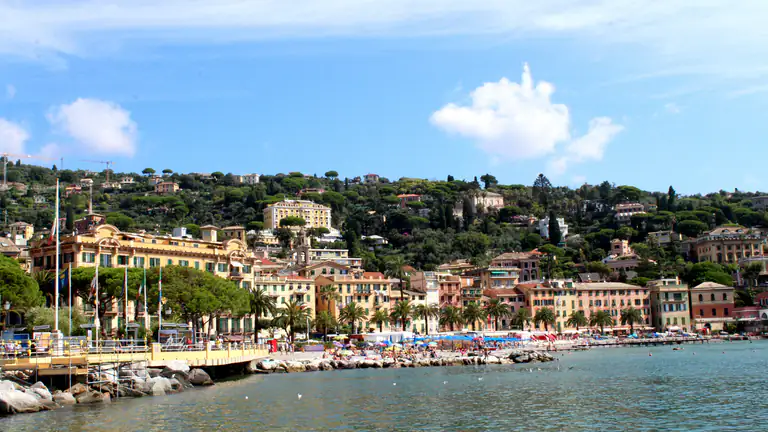
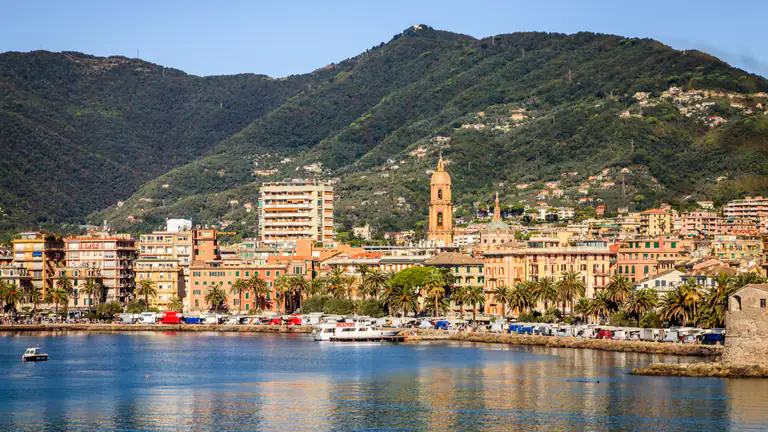
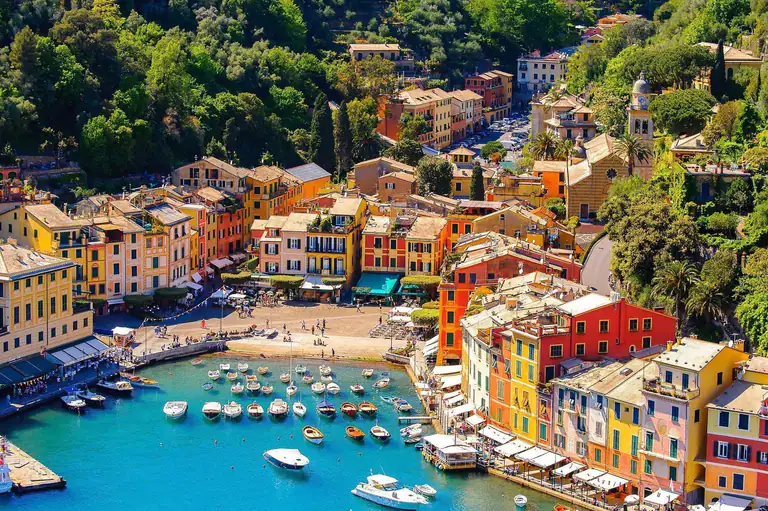
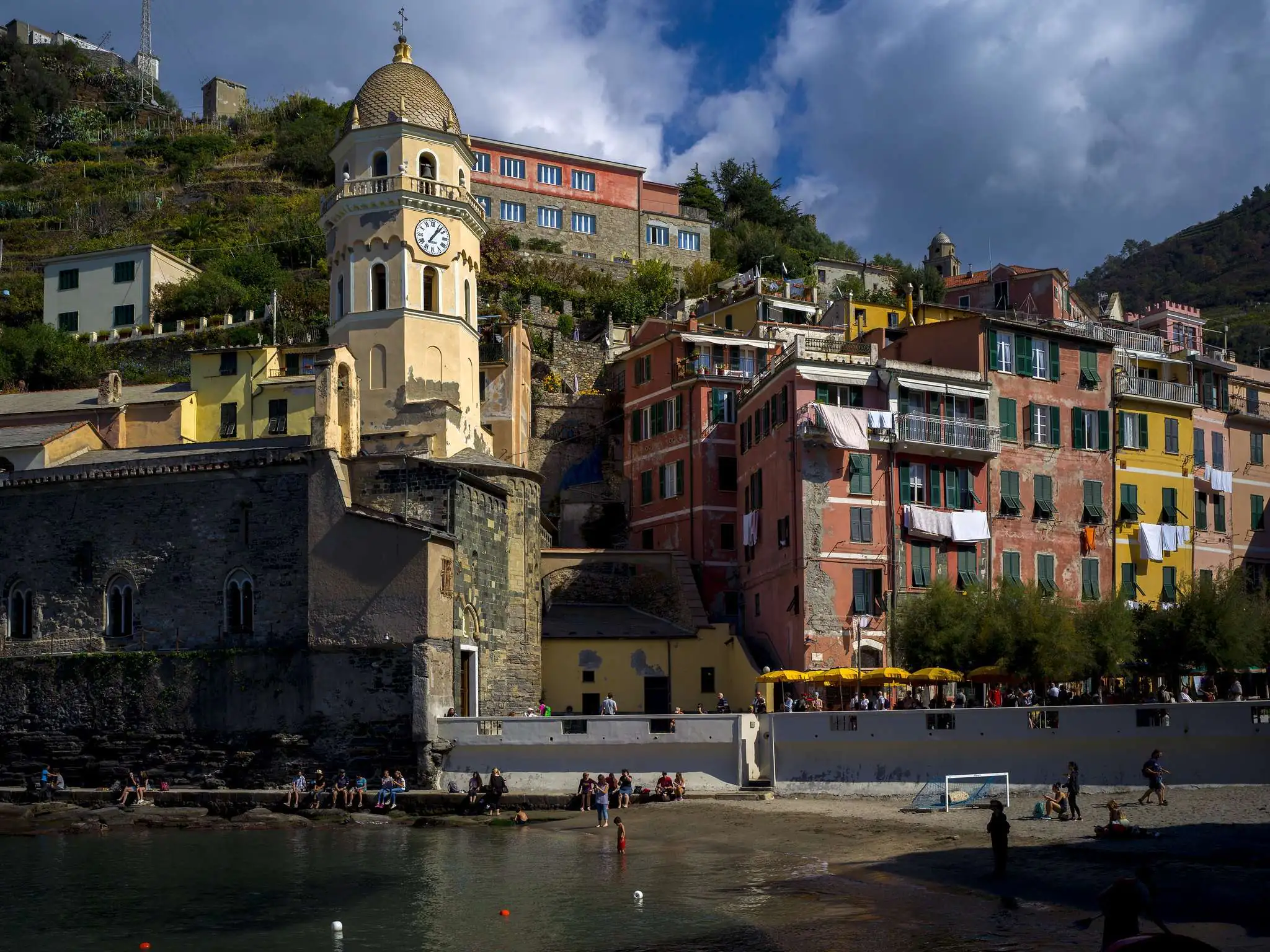
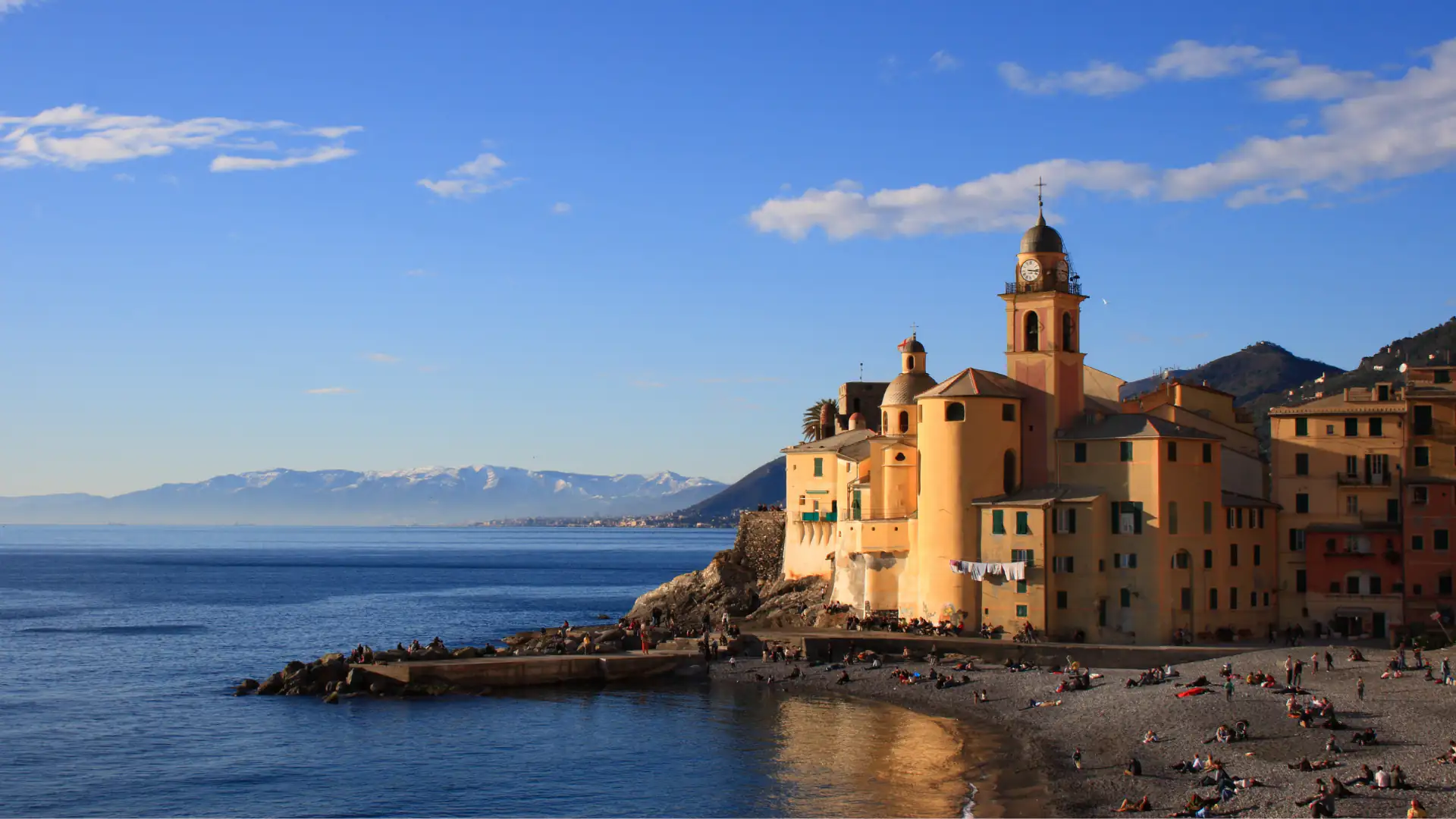
Camogli harbour with boats and colourful houses

Camogli

Painted houses on the harbour, a basilica and castle on the sea, boats to Punta Chiappa and San Fruttuoso and the Portofino Park trails.

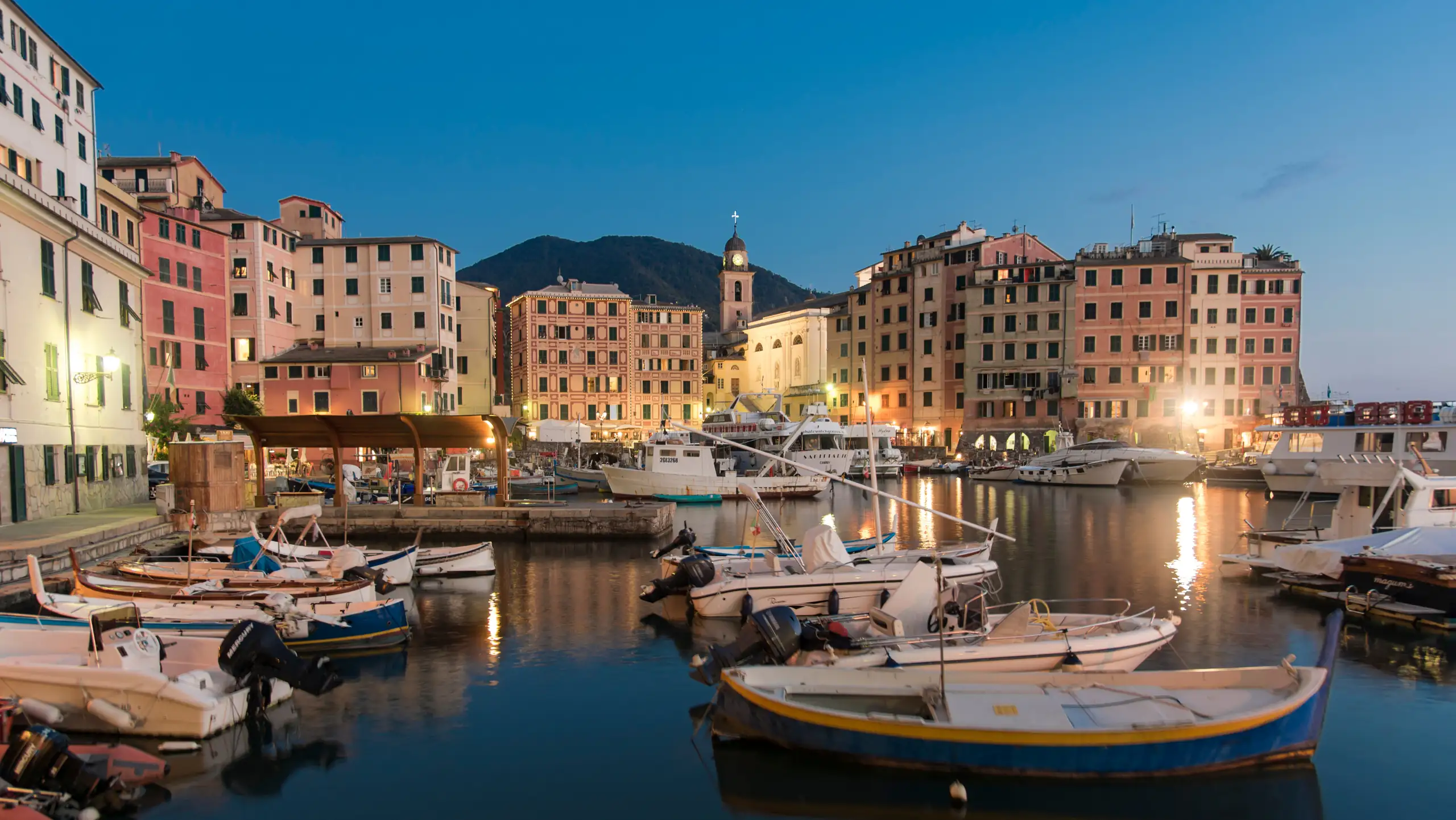
Camogli harbour with boats and colourful houses
Area
Golfo ParadisoRiviera di Levante · Province of Genoa
Ideal for
Couplessea lovers and hikers, boat trips and photography
Beaches
Pebbles in townBlue Flag 2026), rocks at Punta Chiappa, San Fruttuoso bay by boat
Best time to go
May, June and SeptemberJuly–August for swimming; Fish Festival in May
By train
Camogli-San Fruttuoso station (Genoa–La Spezia line), above the centreabout 30 minutes from Genoa
By car
A12, Recco exit, then a few kmparking is scarce and paid, the train is better
Airport
Genoa Cristoforo Colomboabout 30 km), around 40 minutes by car
How long to stay
Half a day for the town2–3 days with San Fruttuoso and the park trails

Welcome to Camogli

The town of a thousand white sailing ships

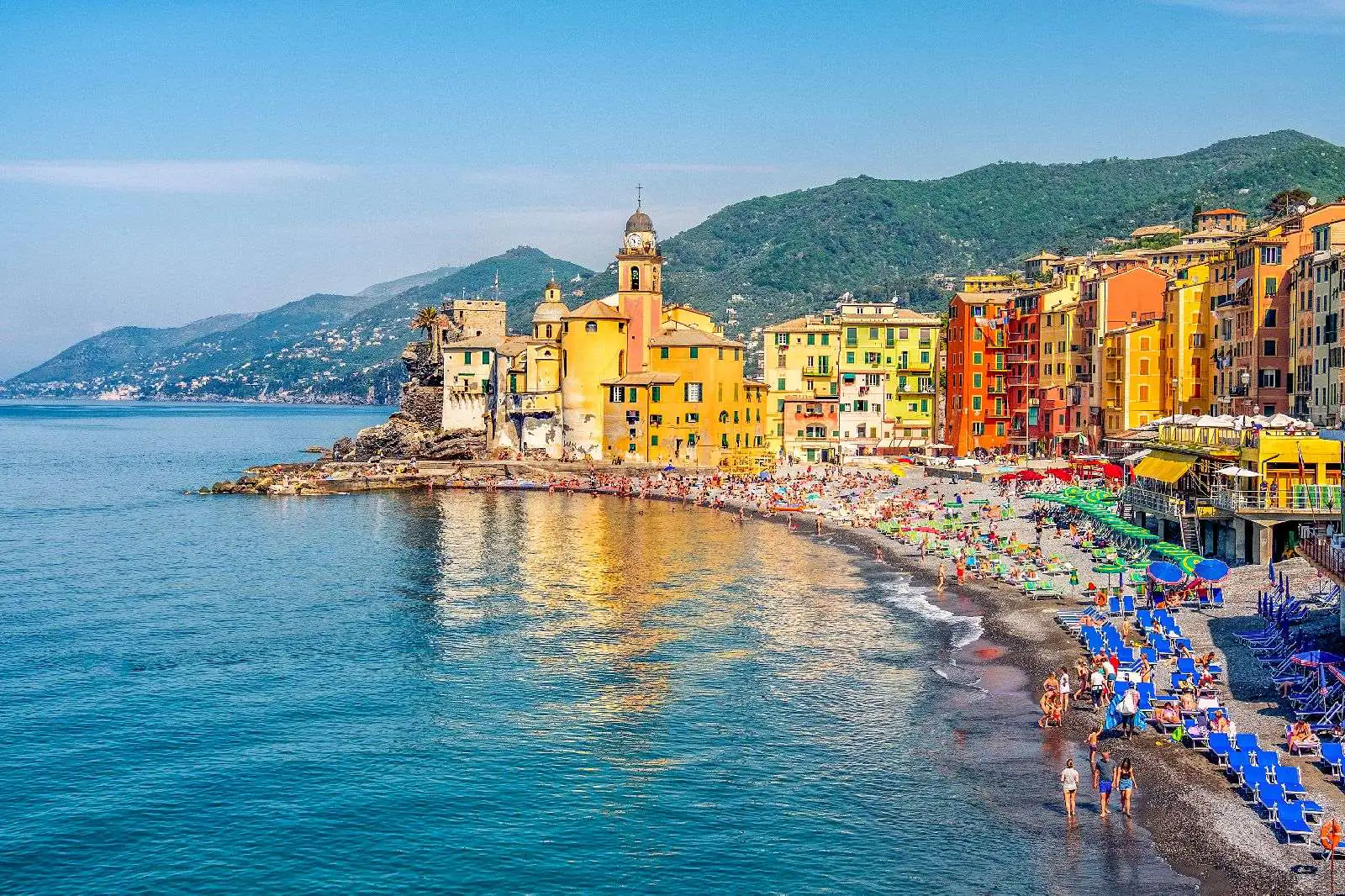
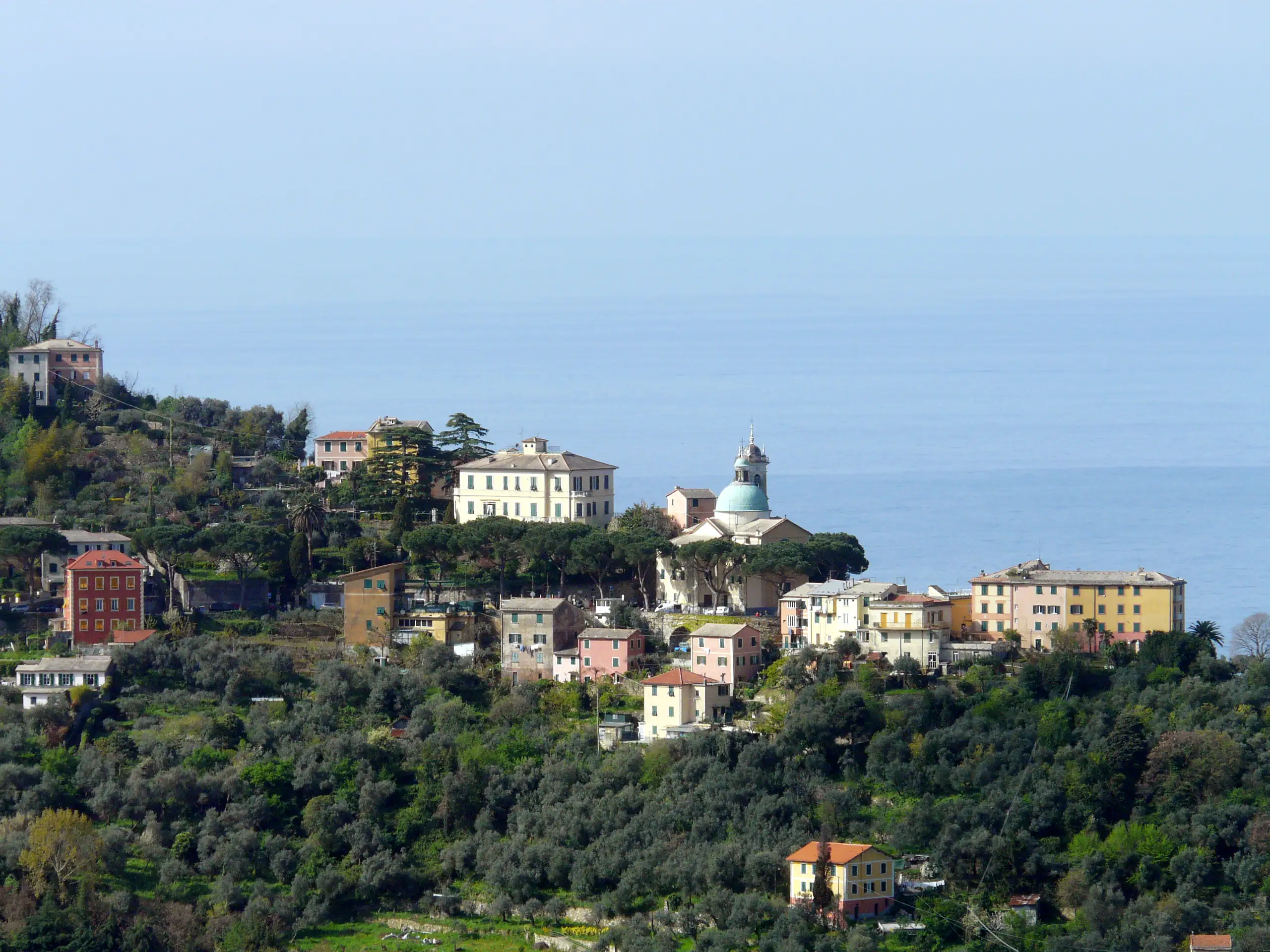
Camogli is the fishing town of the Golfo Paradiso, on the western side of the Portofino promontory, about 23 km east of Genoa. It is the postcard you have probably already seen: a row of tall, colourful houses lining the sea, a small harbour full of wooden boats, and a basilica and castle perched on a rock. Behind the town rises Monte di Portofino, with the Regional Park trails leading to San Rocco, Punta Chiappa and San Fruttuoso.

In the 19th century Camogli was a town of shipowners and sea captains, with one of the busiest fleets in the Mediterranean. That is where its nickname comes from, “the city of a thousand white sailing ships”, taken from the title of a book Gio Bono Ferrari wrote about it in 1934. The sea is still at the centre of everything: the Fish Festival in May, Stella Maris in August, and boats leaving the harbour all year round.

Many visitors know Camogli as a quieter, more affordable base than Portofino, and it sits on the same railway line as the Cinque Terre. You can see the town in half a day; give it a full day to add Punta Chiappa or San Fruttuoso, and two or three days for the park trails and trips along the coast. The water holds a Blue Flag again in 2026. One piece of advice before anything else: come by train, because parking is scarce and expensive.

Where is Camogli?

Camogli is in Liguria (Riviera di Levante, Golfo Paradiso, province of Genoa).

Map: where Camogli is in LiguriaPIEDMONTLOMBARDYEMILIA-ROMAGNATUSCANYFRANCERIVIERA DI PONENTERIVIERA DI LEVANTELIGURIAN SEASavonaImperiaSanremoLa SpeziaCamogli
Boundaries: ISTAT, Natural Earth · Interactive map →

What to see

What to see in Camogli

Camogli with its colourful houses by the sea

The centre is compact and largely pedestrian: the seafront, the harbour, the basilica and the castle are a few minutes apart. The hill villages and Punta Chiappa need either your legs or a boat.

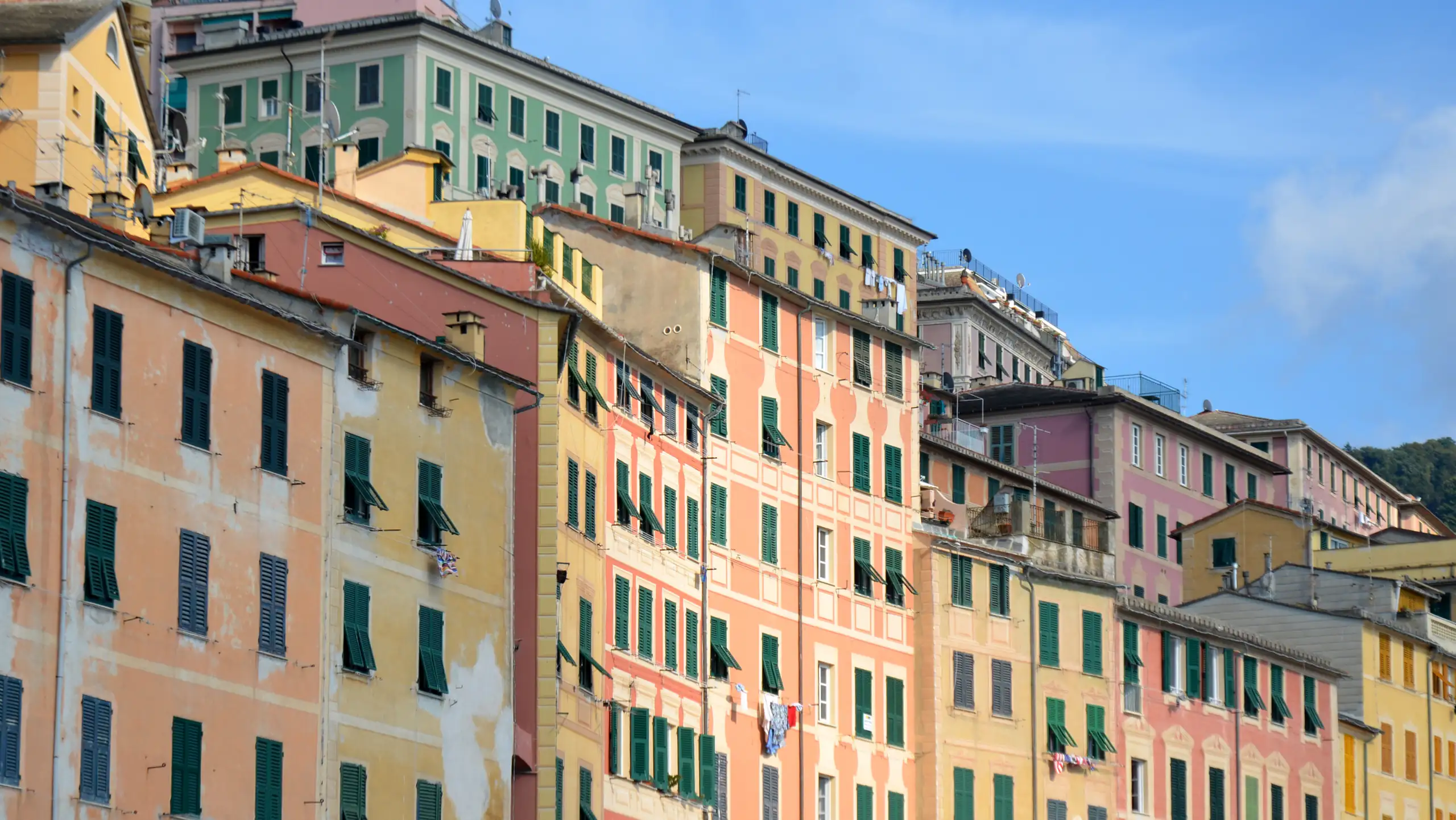
Painted façades of the houses of Camogli

The painted houses and the seafront

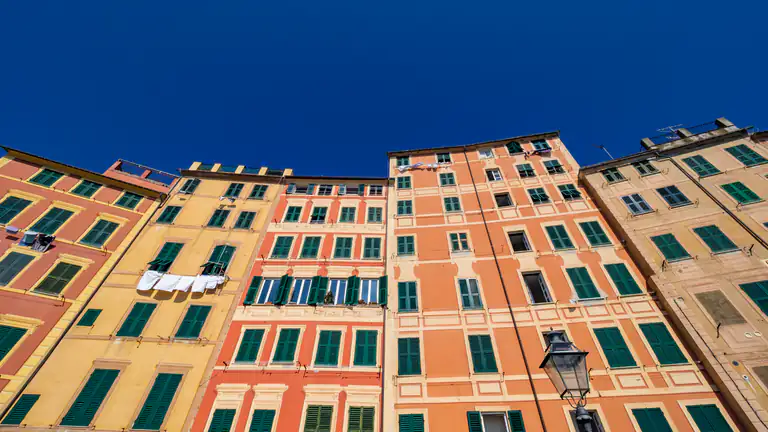
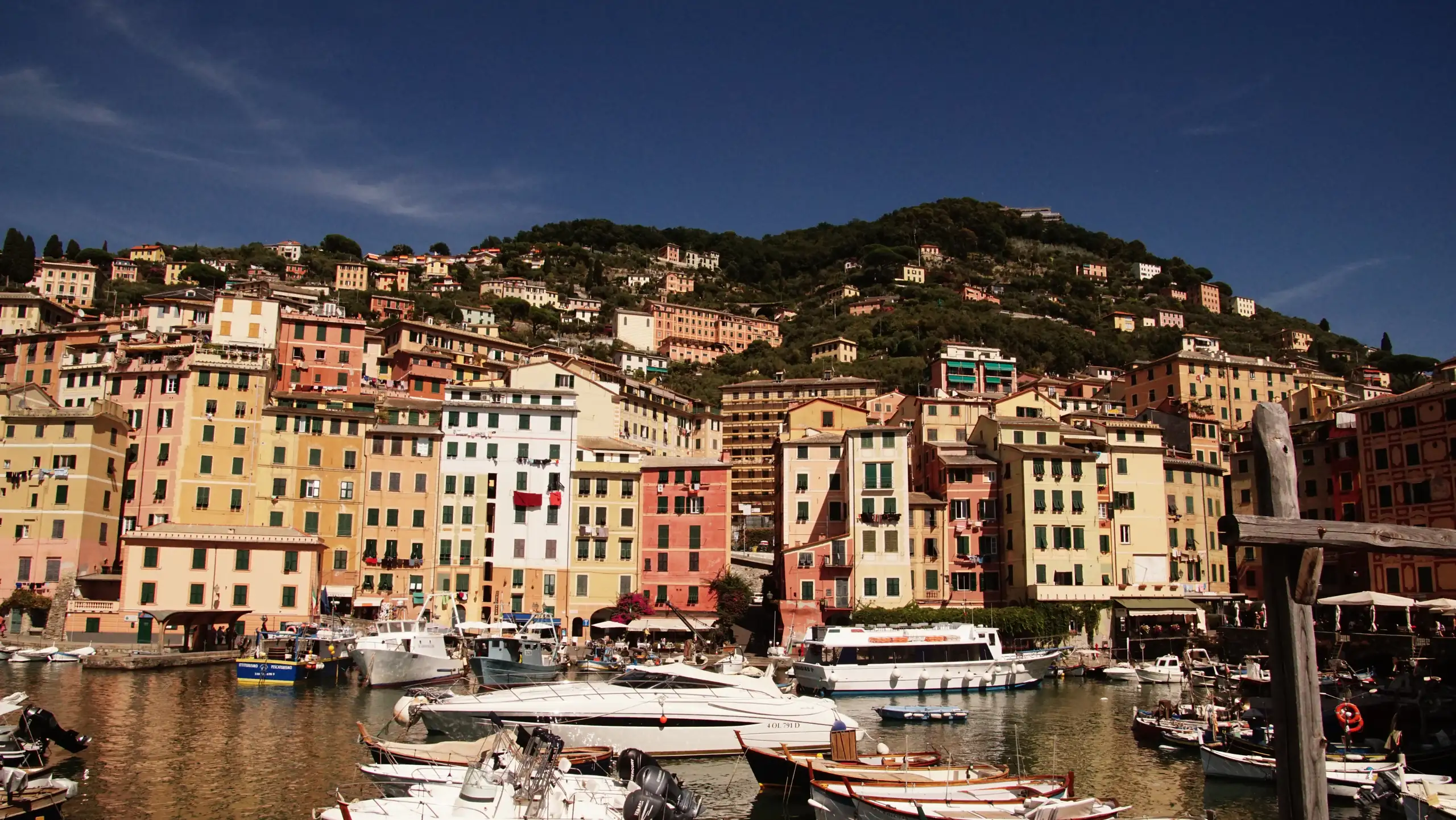
Camogli’s “palazzata” is a wall of six- and seven-storey houses facing the beach, painted in yellow, ochre and red with green shutters. Look closely: many of the windows, frames and balconies are fake, painted in trompe-l’oeil in the Ligurian tradition.

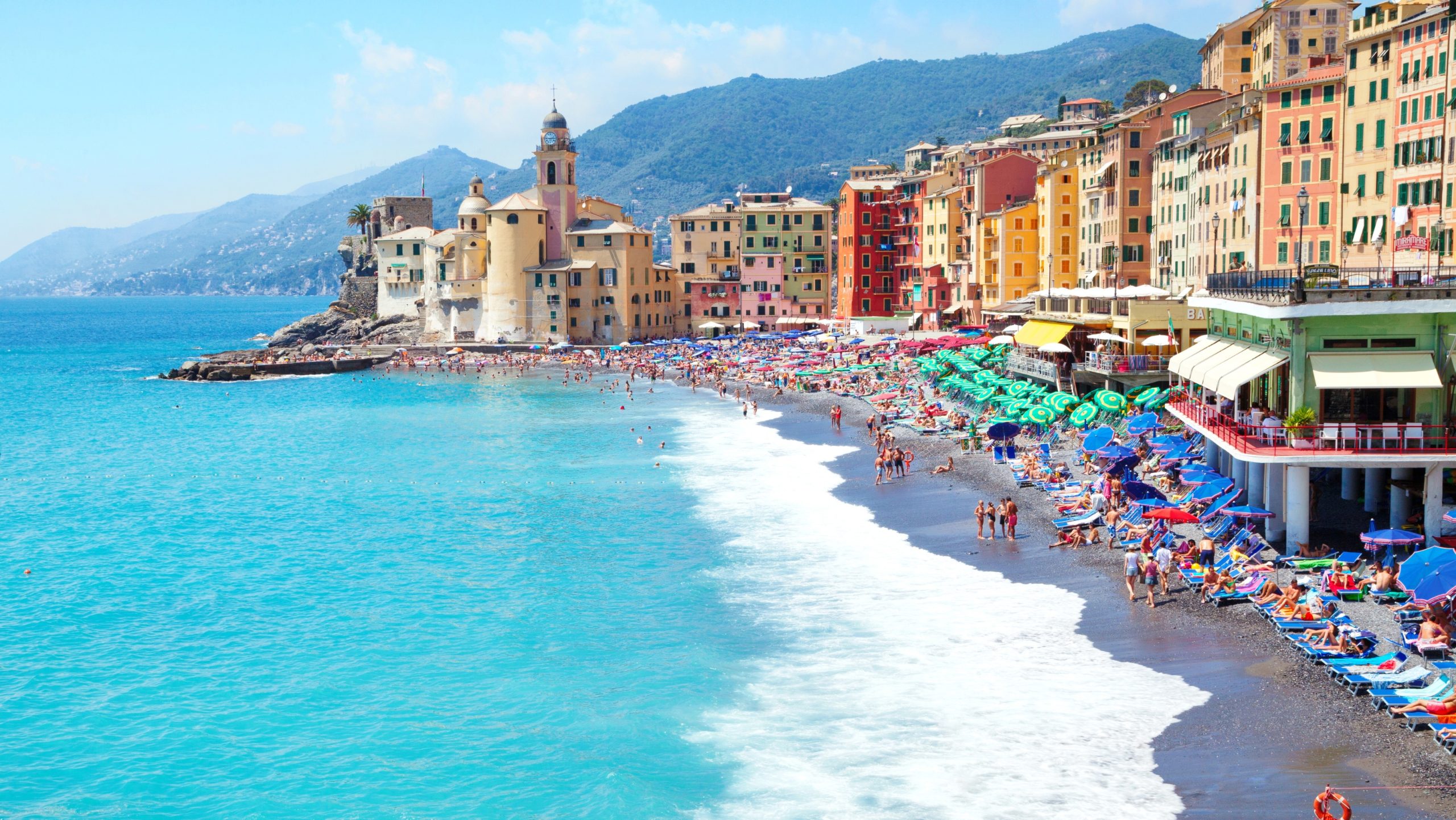
The seafront promenade, Via Garibaldi, is the main stroll, lined with cafés and restaurants above the pebble beach. It is quiet early in the morning; at sunset the whole town gathers here.

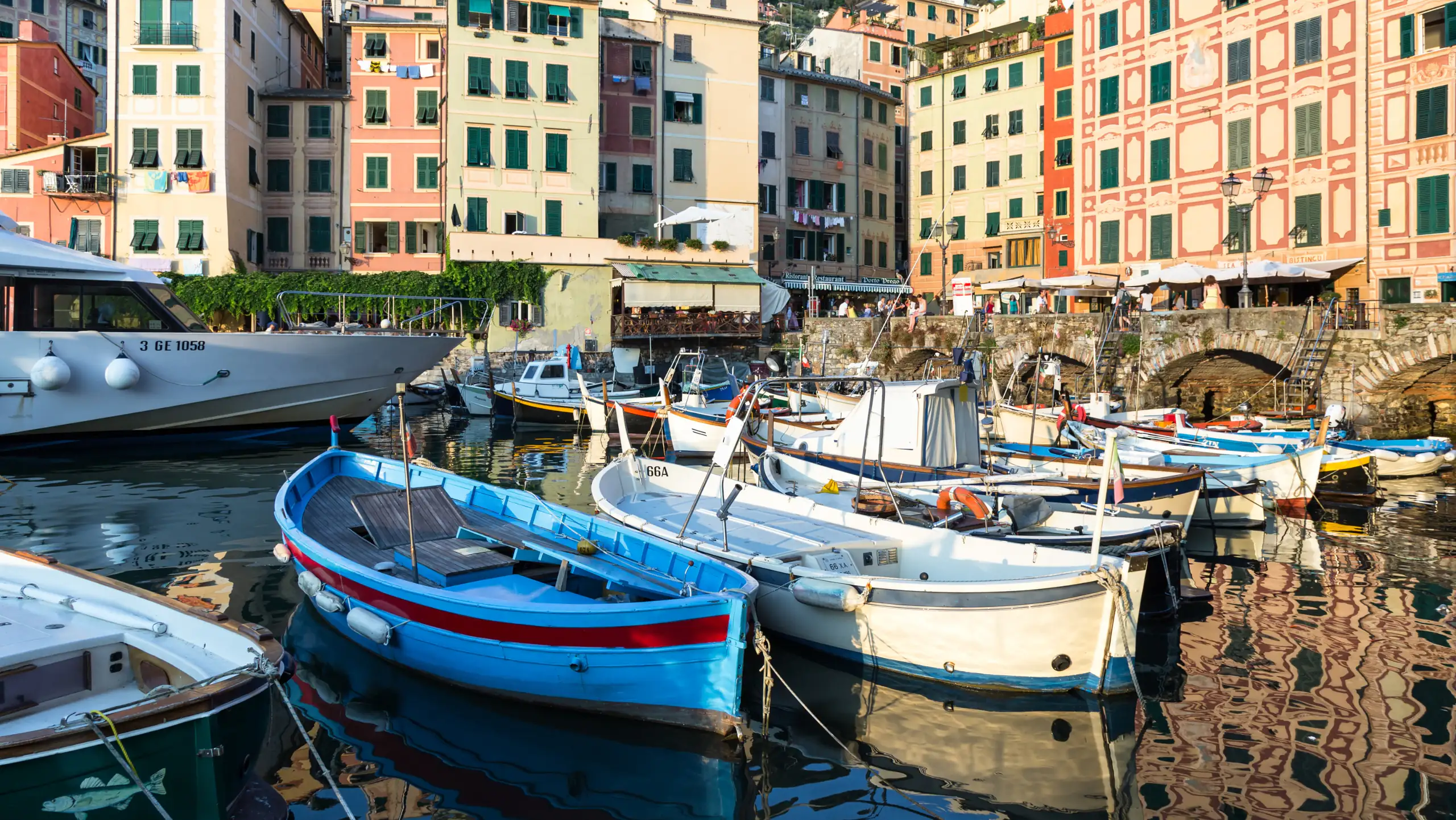
Colourful wooden boats in Camogli harbour

The harbour

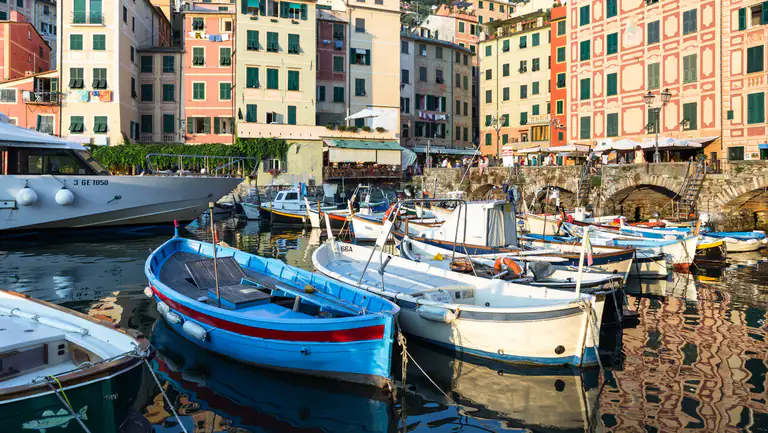
The harbour is small and still very much in use: fishing boats, sailing boats, nets drying on the quay and the ferries leaving for Punta Chiappa and San Fruttuoso. From here you climb to the basilica and get the best view of the painted houses, especially in the afternoon light.

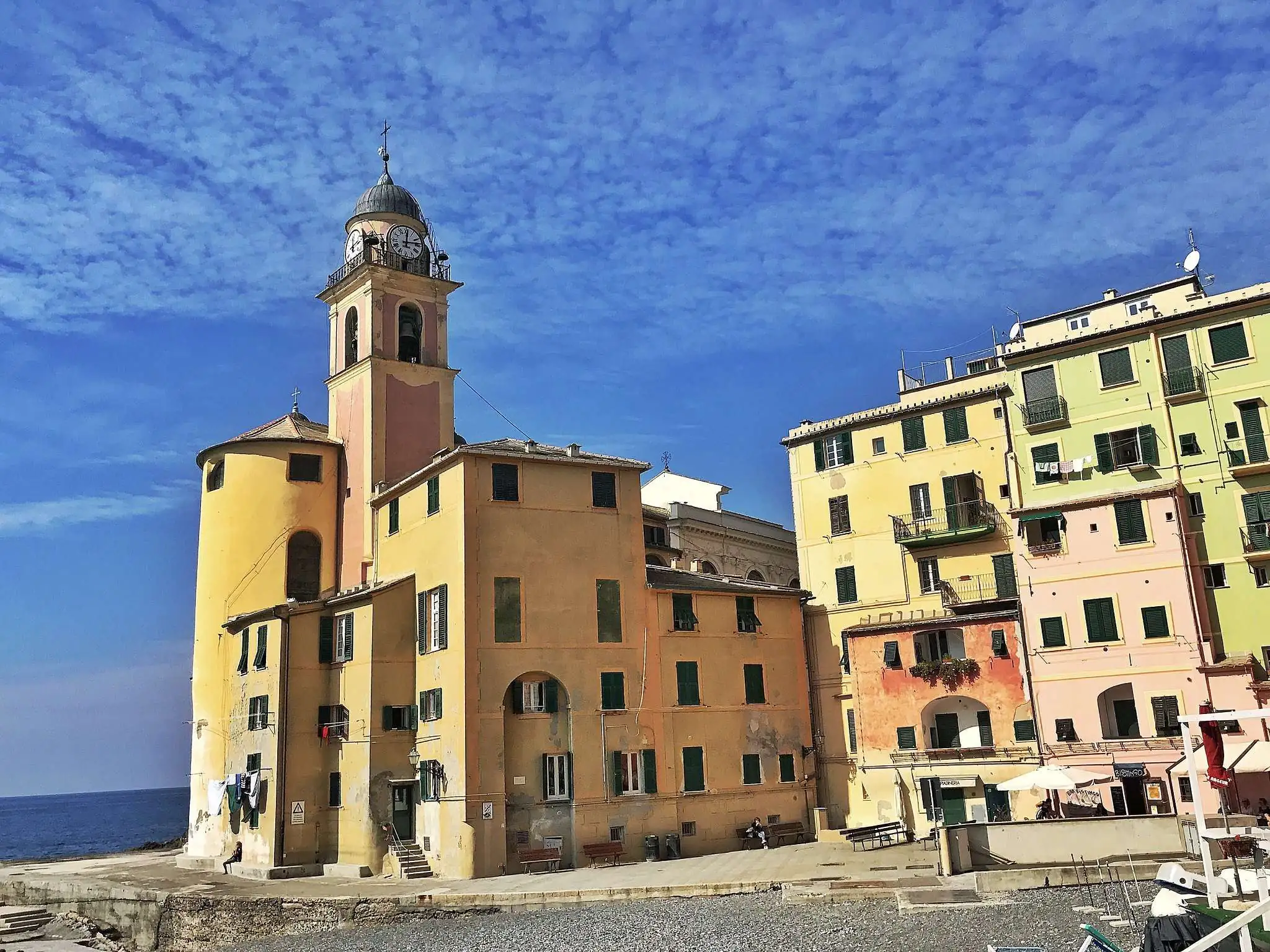
Basilica of Santa Maria Assunta in Camogli by the sea

Basilica of Santa Maria Assunta

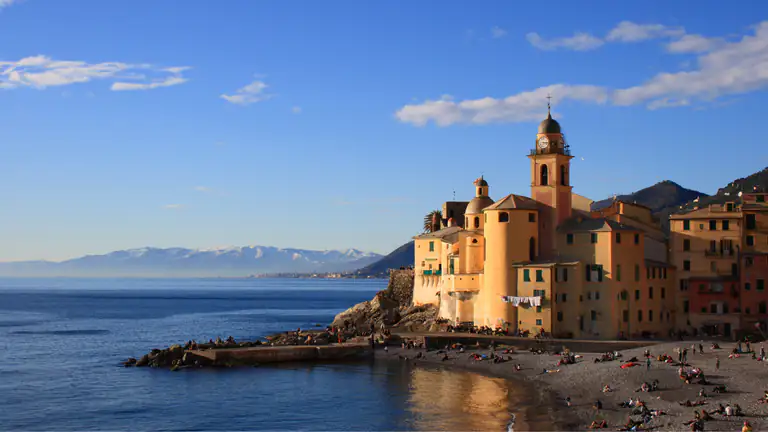
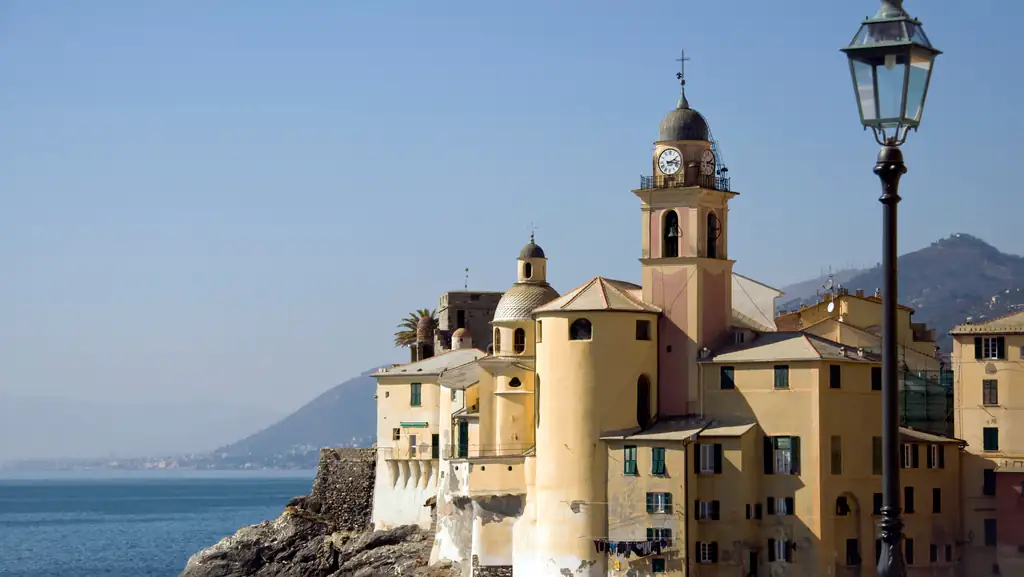
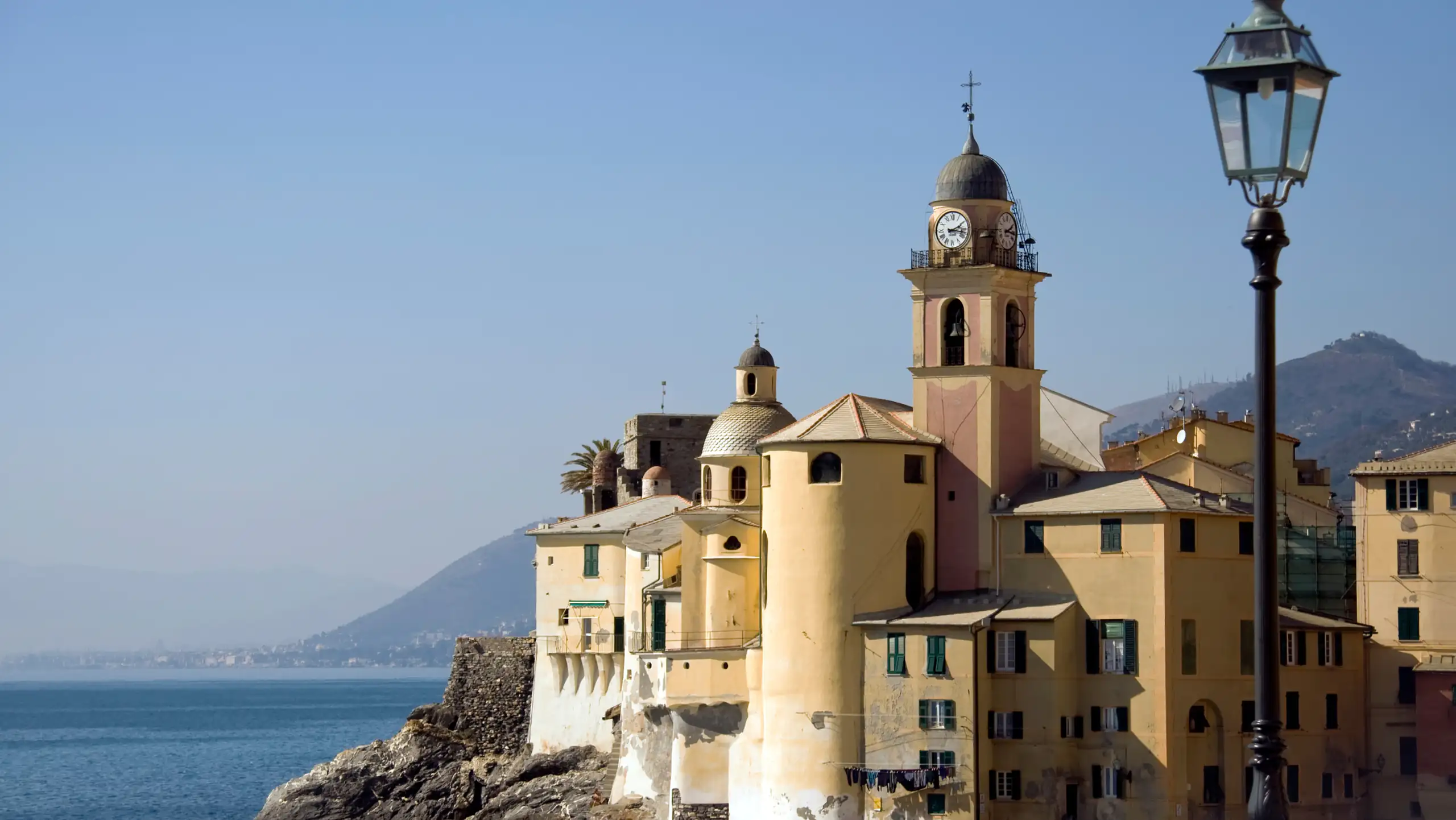
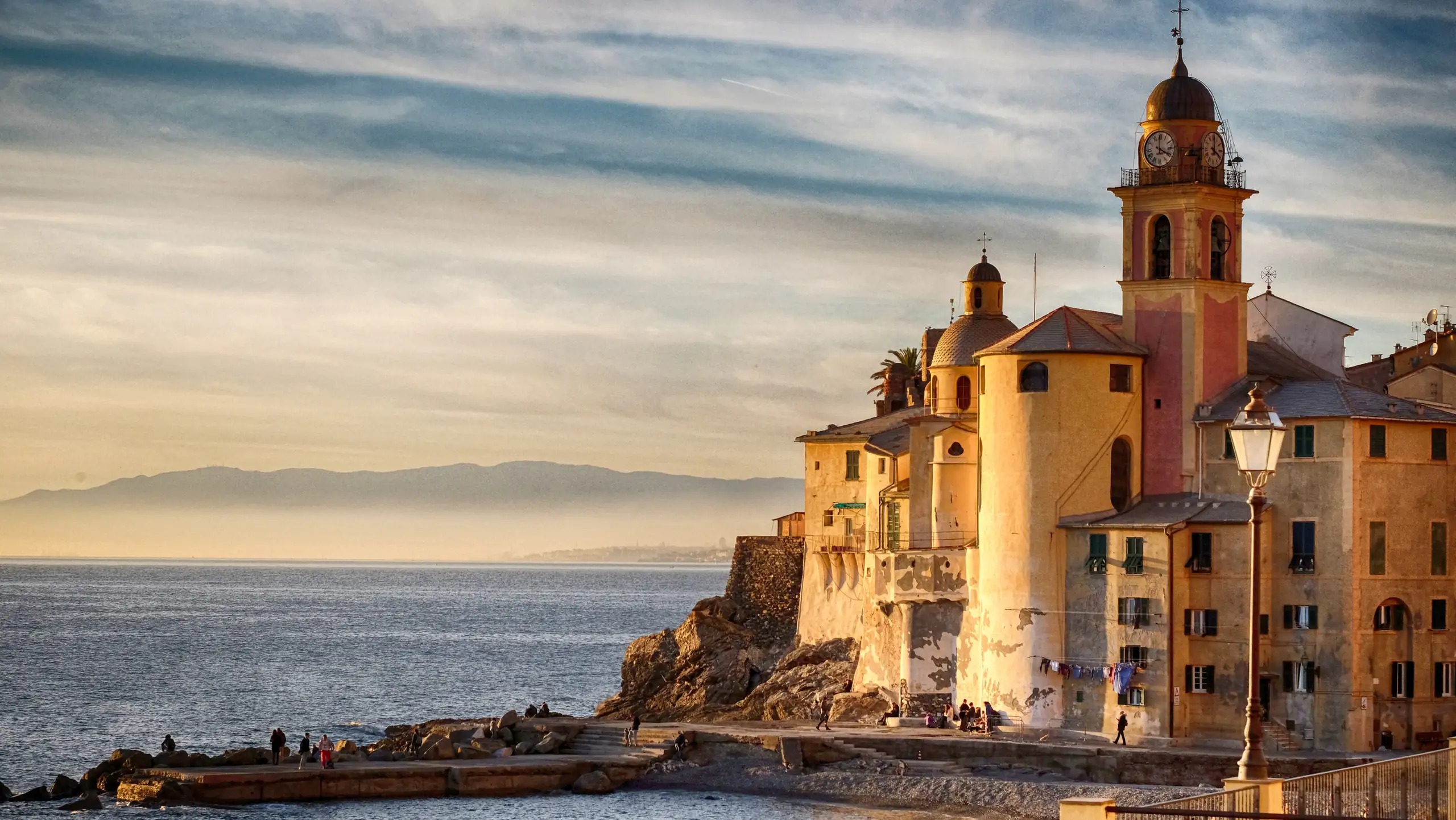
The basilica stands on the “Isola”, the small headland where the town began, once joined to the mainland by a wooden bridge. You reach it by a flight of steps from the harbour. The first church dates from the 12th century; today’s building is the result of 16th- and 19th-century enlargements and was consecrated in 1826. It became a minor basilica in 1988.

The interior is Baroque, with three naves, gilded stucco and marble. The side chapels hold works by Francesco Semino and Nicolò Barabino, and the high altar is by Andrea Casareggio. The relics of San Fortunato, the patron saint celebrated at the Fish Festival, are kept here.

Castel Dragone in Camogli

Castello della Dragonara

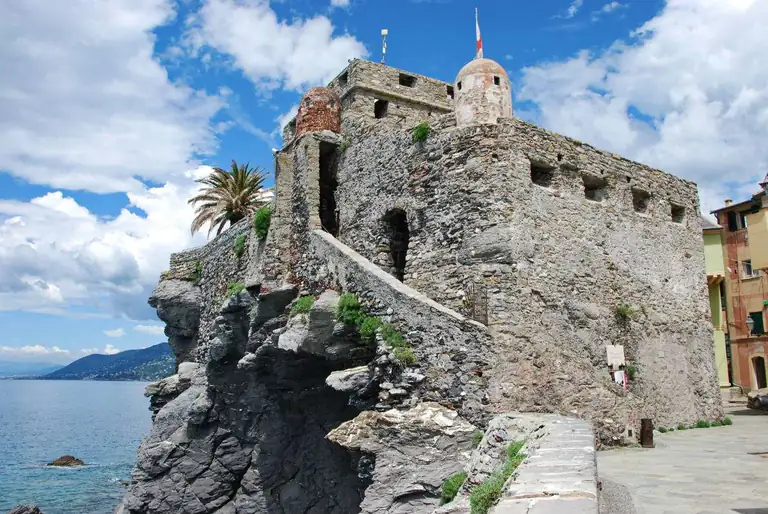
Next to the basilica, on a rock dropping straight into the sea, the Castello della Dragonara (also called Castel Dragone) is the medieval fort that defended the town from pirates. It was attacked by the Visconti and Fieschi in 1366 and by the Duchy of Milan in 1438, and the townspeople enlarged it in the 15th century. Later it served as a prison and warehouse, and in the 1970s it housed a small aquarium.

Today it opens for exhibitions and events. If it is open, go in for the view over the houses and the gulf; if not, admire it from the basilica steps.

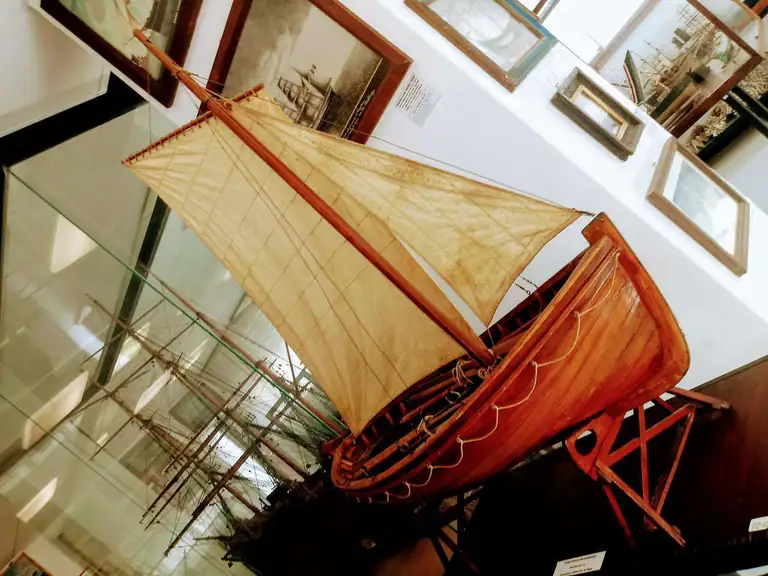
Ship model at the Gio Bono Ferrari Maritime Museum in Camogli

Gio Bono Ferrari Maritime Museum

To understand why Camogli was a town of tall ships, stop at the Civic Maritime Museum near the station. It covers three centuries of local seafaring: ship models, navigation instruments, 168 paintings of sailing ships, logbooks and documents, plus a section on the Risorgimento with items linked to Garibaldi. The collection was donated to the town in 1938.

Opening times published by different sources do not match (it usually opens in the morning and closes on Mondays), so check the museum website or call before you go.

Teatro Sociale and the Boschetto sanctuary

Two stops that show the wealth of the shipowners: the Teatro Sociale, built with money from the captains’ families, and the sanctuary of Nostra Signora del Boschetto, in the valley behind the town, filled with votive offerings from sailors who survived storms.

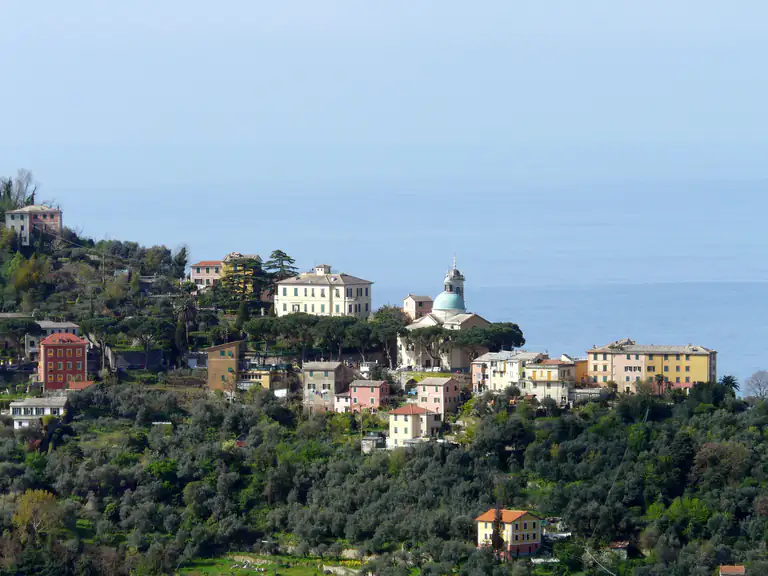
View of San Rocco di Camogli from Ruta

San Rocco di Camogli

On the hill above Camogli, at about 220 metres, San Rocco is a small village with a church and a square that is one of the best viewpoints over the Golfo Paradiso: on a clear day you can see the coast all the way to Genoa. Walk up a long stepped path between houses and olive groves, or take the bus.

San Rocco is the trailhead for Punta Chiappa, the Batterie and the summit of Monte di Portofino. Even if you are not hiking, the view is worth the trip.

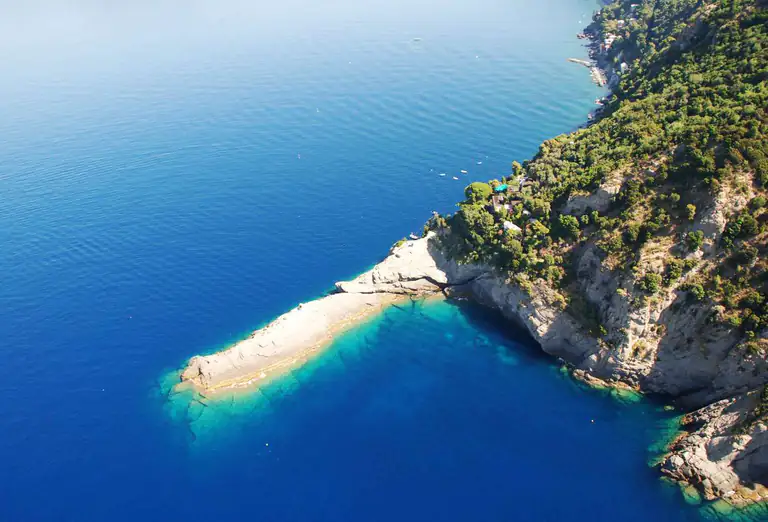
Punta Chiappa seen from above

Punta Chiappa

Punta Chiappa is the tongue of rock that closes the Golfo Paradiso towards the promontory. There is no sand: you lie on flat slabs of stone and swim in deep, clear water. On the way you pass the Romanesque church of San Nicolò di Capodimonte, from the 12th century, and Porto Pidocchio, the tiny landing where a traditional tuna net is still set from March to September.

Get there by boat from the harbour or on foot from San Rocco: the path is all steps, about half an hour down and an hour back up. It is also one of the best places to swim; all the details are in our guide to the beaches of Camogli.

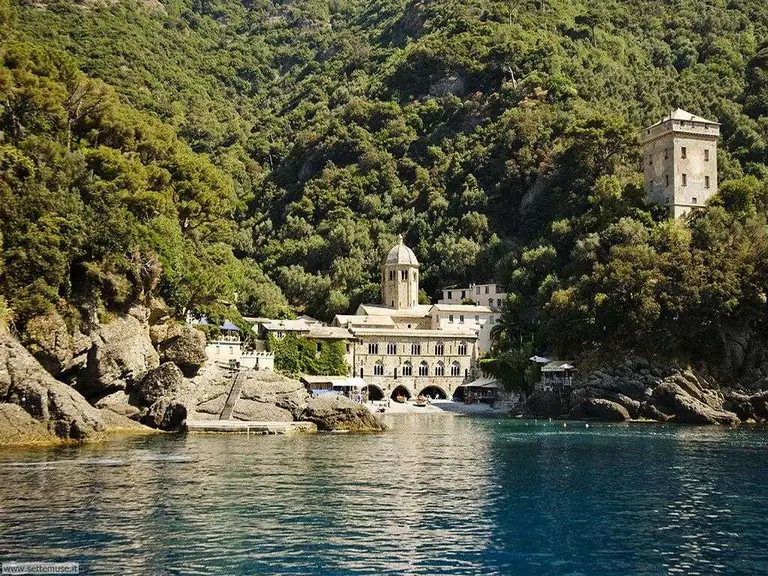
Abbey of San Fruttuoso in its bay

San Fruttuoso

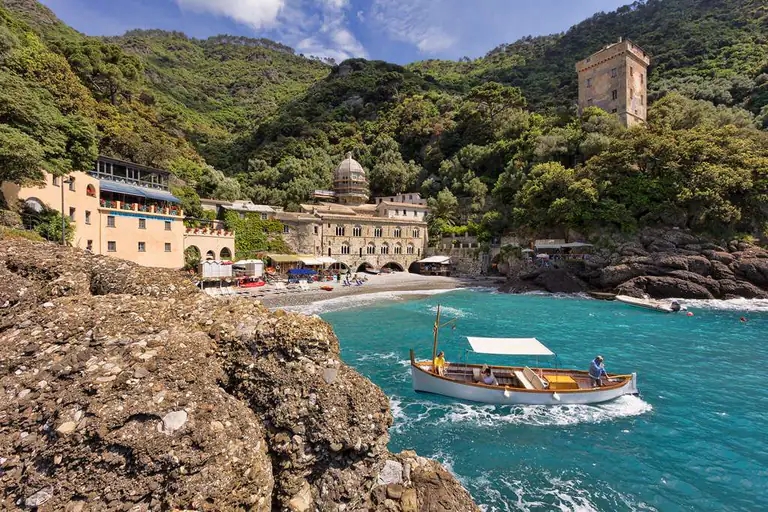
On the far side of the promontory, in a bay you can only reach on foot or by sea, stands the Abbey of San Fruttuoso, with the Doria tower and a small pebble beach. Offshore, on the seabed, lies the Christ of the Abyss, the bronze statue that draws divers from all over the world.

A scheduled boat runs from Camogli all year; on foot the crossing takes about two and a half hours on park trails.

Basilica and Castel Dragone of Camogli by the sea

Where to stay

Where to stay in Camogli

Camogli is small and rooms go fast, especially in July, August and on the Fish Festival weekend: book months ahead. It is not a budget destination, though usually cheaper than Portofino.

  • Centre and seafront: for walking everywhere, with the beach, restaurants and boats on your doorstep. There are a few historic sea-view hotels, B&Bs and many apartments in the tall houses of the centre.
  • Near the station: handy if you use the train for day trips; the centre is a few minutes down the steps.
  • San Rocco and Ruta: for peace and quiet and hiking in the park. You will need a car or the bus to get down to the sea.
  • Recco: an alternative a few kilometres away, sometimes with more availability.

Getting there

How to get to Camogli

By car

Take the A12 Genoa–Livorno motorway to the Recco exit, then follow signs for Camogli: it is just a few kilometres. In summer and at weekends the access road and the centre are congested.

By train

The best option. Camogli-San Fruttuoso station is on the Genoa–La Spezia line, just above the centre. Direct regional trains from Genova Brignole take about 30 minutes and run frequently all day; the same line continues to Santa Margherita, Sestri Levante and the Cinque Terre. Timetables on Trenitalia.

By bus

AMT buses link Camogli station with Ruta, San Rocco and Recco, useful for reaching the hill villages without the steps. Timetables on AMT Genova.

By boat

Golfo Paradiso runs boats from Camogli to Punta Chiappa and San Fruttuoso all year; from April to September there is also a line from Recco. In season the Tour dei Due Golfi excursions come from Genoa’s Porto Antico and Nervi and continue to Portofino.

By plane

The nearest airport is Genoa Cristoforo Colombo, about 30 km away: around 40 minutes by car, traffic permitting. Alternatively take the bus to Genoa station and continue by train. Milan and Pisa airports are further but have more international flights.

Parking

Spaces in the centre are few and paid (blue lines), and at weekends and during events finding a spot is close to impossible. There is a paid car park near the seafront and a private one on Via Romagneno. If you are happy to walk, leave the car higher up at San Rocco or Ruta and walk or take the bus down. Rates and rules change, so read the signs. The easiest solution is still to arrive by train.
By car

A12, Recco exit, then a few km; parking is scarce and paid, the train is better

By train

Camogli-San Fruttuoso station (Genoa–La Spezia line), above the centre; about 30 minutes from Genoa

By sea

Boats from Genoa, Recco and San Fruttuoso

By plane

Genoa Cristoforo Colombo (about 30 km), around 40 minutes by car

The guide

Things to do in Camogli

  • Boat to Punta Chiappa and San Fruttuoso: the classic outing. In 2026 Camogli–San Fruttuoso costs €11 one way and €17 return; Camogli–Punta Chiappa €7 and €12. Boats run roughly hourly from April to October and only sail in good sea conditions: timetables on the Golfo Paradiso website.
  • Walk to Recco: the seafront path links Camogli to Recco, less than 3 km along the coast.
  • Swim in town or off the rocks: a pebble beach in the centre, with beach clubs and a free section near the basilica; rocks at Punta Chiappa.
  • Diving: the Portofino Marine Protected Area is one of the best-known dive areas in the Mediterranean; Punta Chiappa is one of the permitted shore-dive sites.
  • Sunset at San Rocco: walk up in the late afternoon and watch the sun drop over the gulf towards Genoa.

Walks and hikes in the Portofino Park

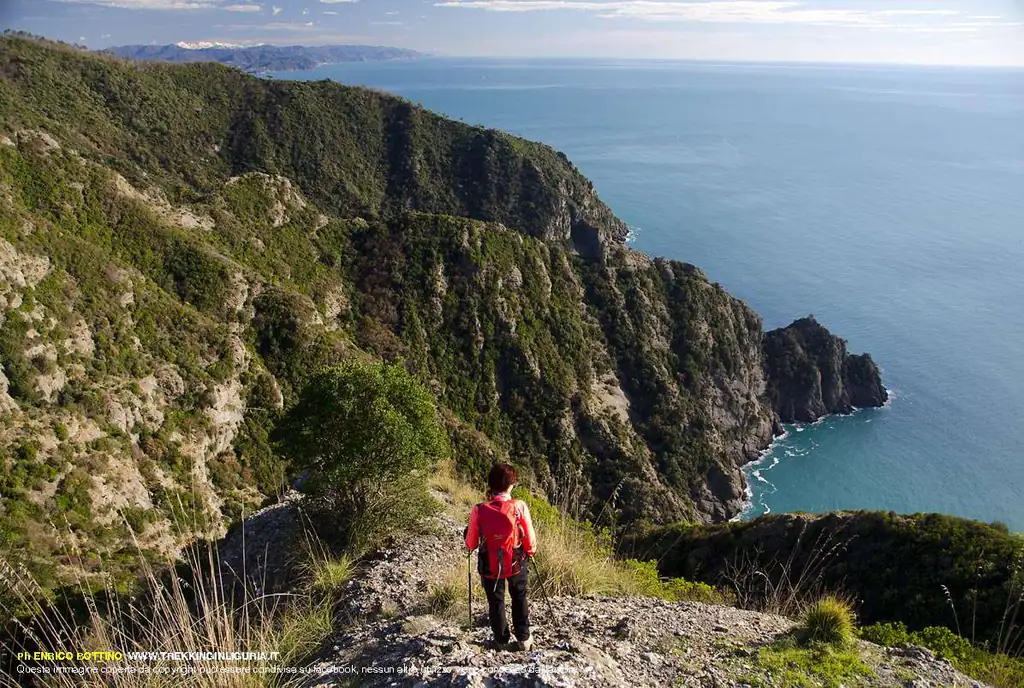
Hiker on the trail from Ruta di Camogli towards the sea

Camogli holds the largest share of the Portofino Regional Nature Park, a network of trails through holm oak, pine and Mediterranean scrub. Bring water and proper shoes: summer is hot and many paths are in full sun. Check trail conditions on the Portofino Park website before you set off.

  • San Rocco – Punta Chiappa: easy but steep, all steps, past San Nicolò and Porto Pidocchio. Take the boat back if your legs complain.
  • Camogli – San Fruttuoso inland: about two and a half hours; you drop down to the abbey bay and return by boat.
  • Via delle Batterie: from San Rocco along the coast past Second World War gun emplacements towards San Fruttuoso. This is for experienced hikers only, with exposed sections fitted with chains, such as the Passo del Bacio. Some stretches have been closed in recent years: check before you go.
  • Monte di Portofino: from San Rocco you can climb to the summit, 610 metres, at the Semaforo Vecchio. The full traverse to Portofino takes about six hours.

What to eat in Camogli

  • Focaccia di Recco col formaggio: paper-thin dough filled with fresh soft cheese, a PGI product. Camogli is part of the official production area along with Recco, Sori and Avegno, so you will find it in the town’s bakeries.
  • Fish from the gulf: anchovies, fried fish, oily fish and the catch from the Punta Chiappa tuna net.
  • Plain focaccia and vegetable pies: buy them at the bakery for a picnic on the beach or the trail.
  • Pesto and trofie: the classic Ligurian pasta, on almost every menu.

Events in Camogli

Fireworks for the feast of San Fortunato in Camogli
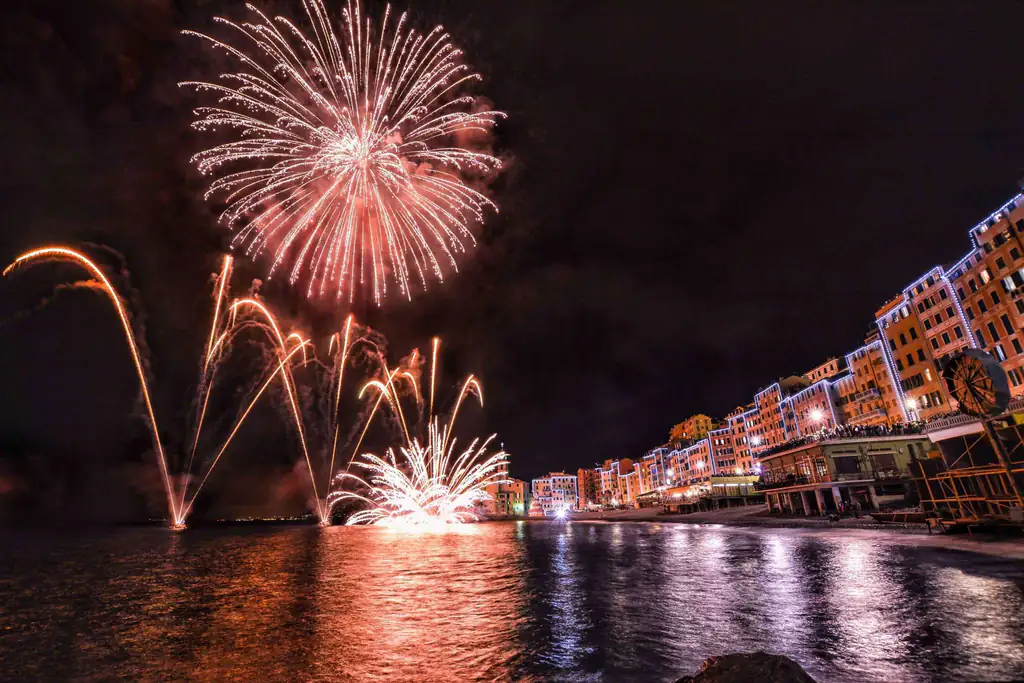
  • Sagra del Pesce (May): the famous fish festival, tied to the patron saint San Fortunato. In 2026 it ran from 8 to 10 May: on Saturday evening a procession, fireworks and bonfires on the beach; on Sunday morning the blessing of the giant steel frying pan and free fried fish in Piazza Colombo.
  • Stella Maris (first Sunday of August, 2 August in 2026): in the morning decorated boats and the galley “Ü Dragun” sail in procession to Punta Chiappa for a Mass by the sea; in the evening thousands of floating candles are set on the water. The tradition in its current form dates from 1924.

On both days the town is packed: arrive early and by train.
Day trips from Camogli

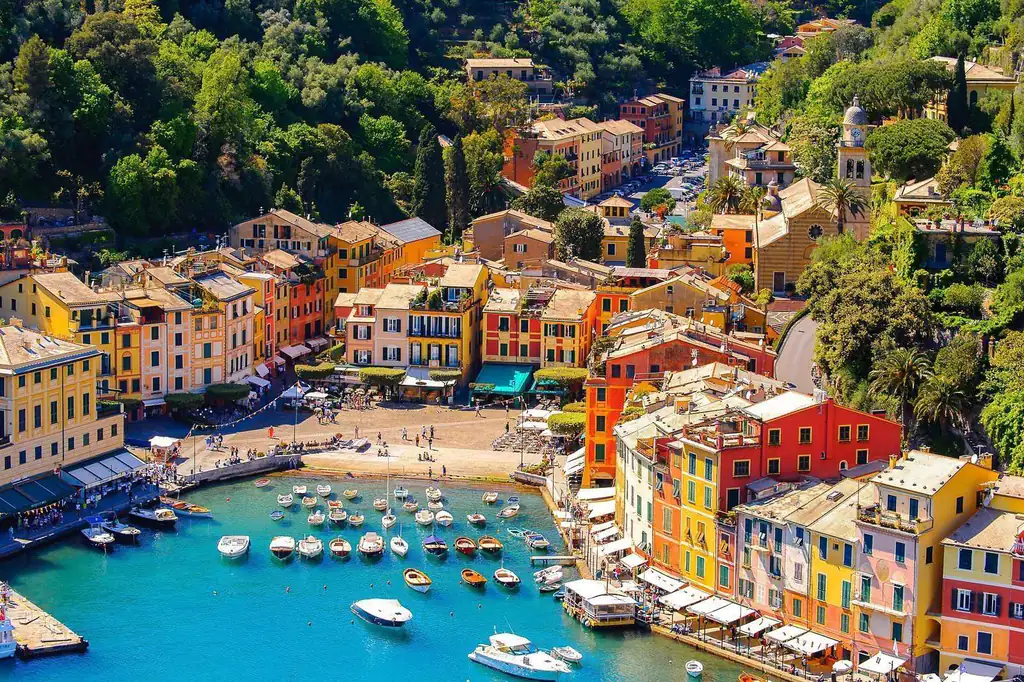
Portofino and its harbour from above
  • Recco (under 3 km): home of the cheese focaccia, on foot along the coast or one stop by train.
  • Portofino: by the seasonal Tour dei Due Golfi boat (€13 one way, €21 return in 2026) or on foot across the park.
  • Santa Margherita Ligure: on the other side of the promontory, a few minutes by train; buses and boats continue to Portofino.
  • Rapallo: the seafront, the castle on the water and the cable car to Montallegro, a few stops further east.
  • Genoa (about 30 minutes by train): the Aquarium, the old town lanes and the Palazzi dei Rolli.
  • Bogliasco: a small fishing village towards Genoa, with an old bridge over the stream and a tiny beach.
  • Sestri Levante: the Baia del Silenzio, by train on the line to La Spezia. Further along the same line are the Cinque Terre.

Weather

Weather and best time to visit Camogli

May, June and September; July–August for swimming; Fish Festival in May

⛅
19°CNow · wind 3 km/h
  1. Sat 10☁️22° 16° 
  2. Sun 11🌦️22° 14°1 mm
  3. Mon 12🌦️23° 13°2 mm
  4. Tue 13☀️22° 13° 
  5. Wed 14🌤️21° 13° 
  6. Thu 15☀️23° 14° 

Forecast: MET Norway (Yr), CC BY 4.0 licence. Updated hourly.

Weather across Liguria →

MonthJanFebMarAprMayJunJulAugSepOctNovDec
SeaOff seasonOff seasonOff seasonOff seasonPossibleGoodIdealIdealGoodPossibleOff seasonOff season
Sightseeing and hikingPossiblePossibleGoodIdealIdealIdealIdealIdealIdealGoodPossiblePossible
CrowdsFew peopleFew peopleFew peopleBusyVery busyBusyVery busyVery busyBusyFew peopleFew peopleFew people
Don't missFish FestivalStella Maris

IdealGoodPossibleOff season

Crowds:QuietFew peopleBusyVery busy

Gallery

Photos of Camogli

FAQ

Frequently asked questions about Camogli

How much time do you need in Camogli?

Half a day for the town, the harbour, the basilica and the castle. A full day if you add Punta Chiappa or San Fruttuoso; two or three days for the Portofino Park trails.

How do you get from Camogli to San Fruttuoso?

By Golfo Paradiso boat, all year (€11 one way, €17 return in 2026), or on foot on the park trails in about two and a half hours.

Can you take a boat from Camogli to Portofino?

Yes, in season, with Golfo Paradiso’s Tour dei Due Golfi. There is no year-round scheduled line: out of season take the train to Santa Margherita and then the bus.

Does Camogli have sandy beaches?

No, the town beach is pebbles and gravel, with beach clubs and a free section. For swimming off the rocks there is Punta Chiappa; bring water shoes.

Where can you park in Camogli?

Spaces in the centre are few and paid. Alternatively park at San Rocco or Ruta and walk or take the bus down. The train is the easiest option.

When is the Camogli Fish Festival?

On the second weekend of May, for San Fortunato. In 2026 it ran from 8 to 10 May, with free fried fish on Sunday morning.

What is Stella Maris?

A sea procession on the first Sunday of August: boats sail to Punta Chiappa for Mass and in the evening the sea fills with floating candles.

Can you visit Camogli and the Cinque Terre in one trip?

Yes. Camogli is on the same railway line as the Cinque Terre, and in season there are also boat excursions from Camogli. It makes a good base for both Portofino and the Cinque Terre.

Is Camogli good for children?

Yes: the centre is pedestrian, kids love the boat trip and the Maritime Museum brings ships to life. The pebble beach calls for water shoes; avoid the steepest stepped trails with small children.

When is the best time to visit Camogli?

May, June and September: the sea is warm enough, the trails are pleasant and crowds are smaller. July and August are for swimming but also the busiest months; in winter the town is quiet and boats to San Fruttuoso still run.

Nearby

What to see near Camogli

1 km as the crow flies

Recco

The home of cheese focaccia on the Golfo Paradiso: Blue Flag beach, Suffragio sanctuary, September fireworks, boats to San Fruttuoso…

Discover →

4 km as the crow flies

Santa Margherita Ligure

Harbour, seafront and villas on the Tigullio: Villa Durazzo, Cervara Abbey, castle, Paraggi and the best car-free base for Portofino.

Discover →

6 km as the crow flies

Rapallo

A castle in the sea, an Art Nouveau seafront, a cable car to Montallegro and boats to Portofino: Rapallo is…

Discover →

7 km as the crow flies

Portofino

The Piazzetta, Castello Brown, San Giorgio and the lighthouse, Paraggi and the San Fruttuoso trail: a practical guide to Portofino…

Discover →
Scroll to Top