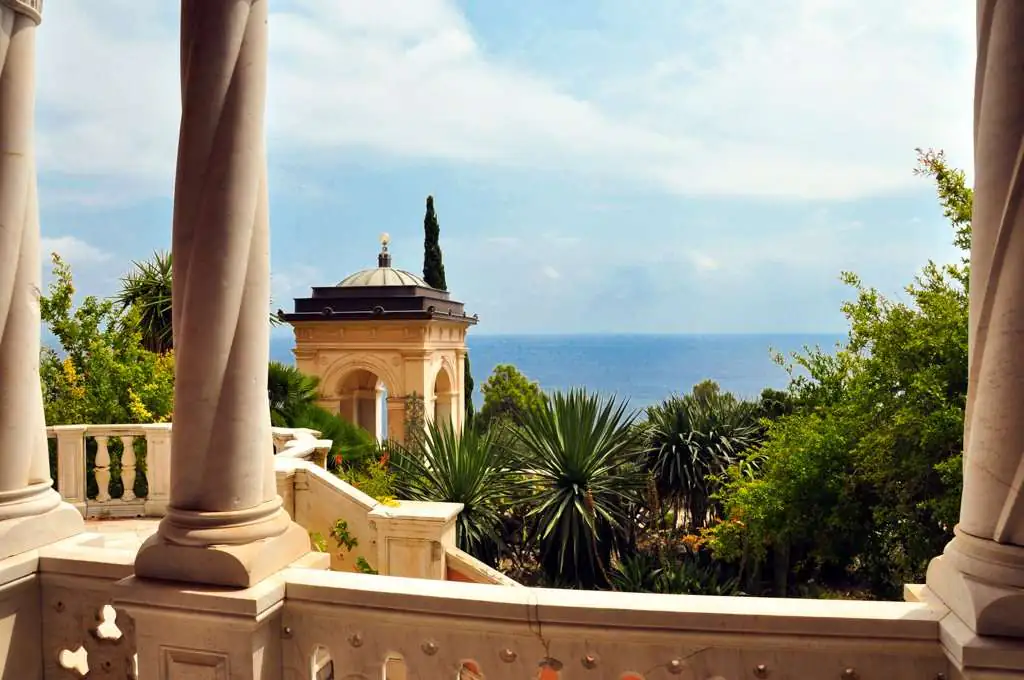
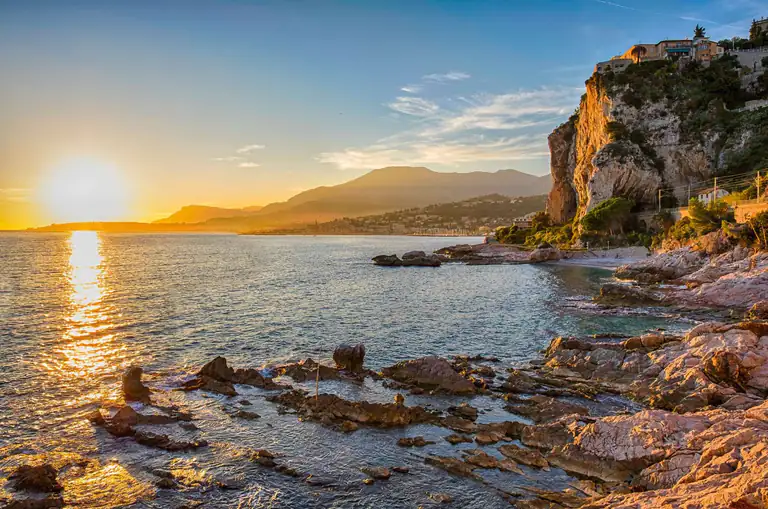
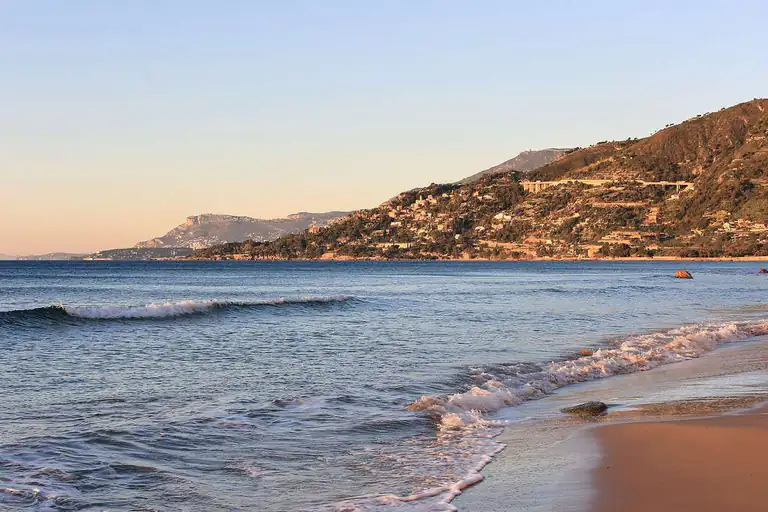
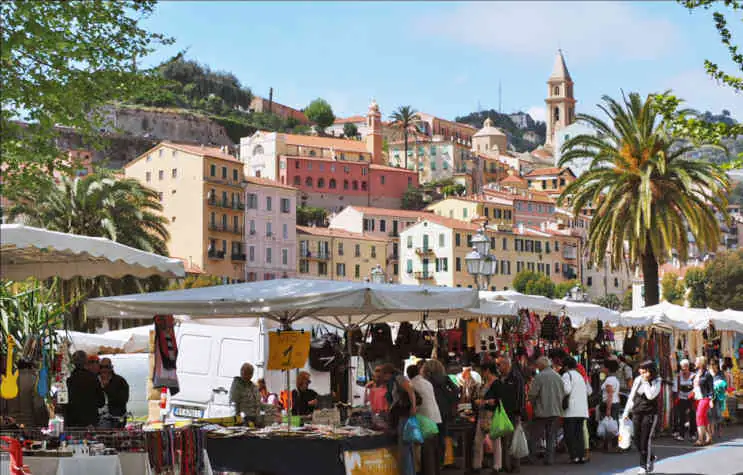
The Hanbury Botanical Gardens occupy the Mortola headland, about 6 kilometres from the centre of Ventimiglia towards the French border. They cover 18 hectares of terraces running down to the sea, with around 5,800 plant species: exotic plants from every Mediterranean-climate region in the world alongside native scrub, among avenues, pergolas, fountains and the family villa. They are one of the most famous botanical gardens in Europe.
By Italian Riviera editorial team·Updated on ·3 min read
History of the Hanbury Gardens
In 1867 the English merchant Thomas Hanbury bought the Orengo estate at La Mortola and began turning it into an acclimatisation garden for exotic plants. His brother Daniel, a pharmacist and botanist, laid its scientific foundations; from 1868 the landscape gardener Ludwig Winter was its curator.
When Thomas died in 1907, the gardens were already known all over the world. After a period of decline, his son Cecil and Cecil’s wife Lady Dorothy restored them and developed their landscape design. During the Second World War the estate was confiscated, bombed and looted. In 1960 Lady Dorothy sold it to the Italian State; since 1987 it has been run by the University of Genoa and since 2000 it has been a regional protected area.
What to see
The route leads down from the road towards the sea through terraces, flights of steps and avenues. Along the way you pass beds of succulents, palms and Australian and South African species, as well as architectural features such as the Moorish pavilion, the pergolas with columns and the panoramic terraces overlooking the sea. The plants follow their natural cycles, so something is in flower in every season.
Visitors with reduced mobility can avoid the steps by taking alternative routes and can book an electric vehicle. Animals are not allowed in, except in a dedicated area that must be booked; guide dogs are admitted. There is a café inside.
Opening times and getting there
The gardens are open all year: from 1 March to 15 June and from 16 September to 15 October from 9.30am to 5pm, from 16 June to 15 September from 9.30am to 6pm, and from 16 October to the end of February from 9.30am to 4pm. These times are for last entry: you must leave within an hour afterwards.
By car, leave the A10 at Ventimiglia and follow the Aurelia towards France for about 6 kilometres. By train, get off at Ventimiglia and continue by taxi or on the Riviera Trasporti line 1 bus to the La Mortola stop, which only runs on weekdays. A few minutes away are the Balzi Rossi, with the prehistoric museum and the rocks.
Where it is
Hanbury Gardens is in Ventimiglia (Riviera di Ponente, Riviera dei Fiori).
Frequently asked questions about the Hanbury Gardens
How much does it cost to visit the Hanbury Gardens?
A full ticket costs 10 euros, a reduced ticket 8.50 euros (over-65s and young people aged 6 to 14) and a family ticket 27 euros. Children under 6 go free.
How long do you need to visit them?
Allow at least two hours: the garden is large and on a slope, and the way back is uphill all the way.
Can you bring dogs?
No, animals are not allowed in the garden, except in a dedicated area that must be booked. Guide dogs are admitted.
Where to stay
Where to stay in Ventimiglia
All places to stay in Ventimiglia on Booking: compare prices and availability.