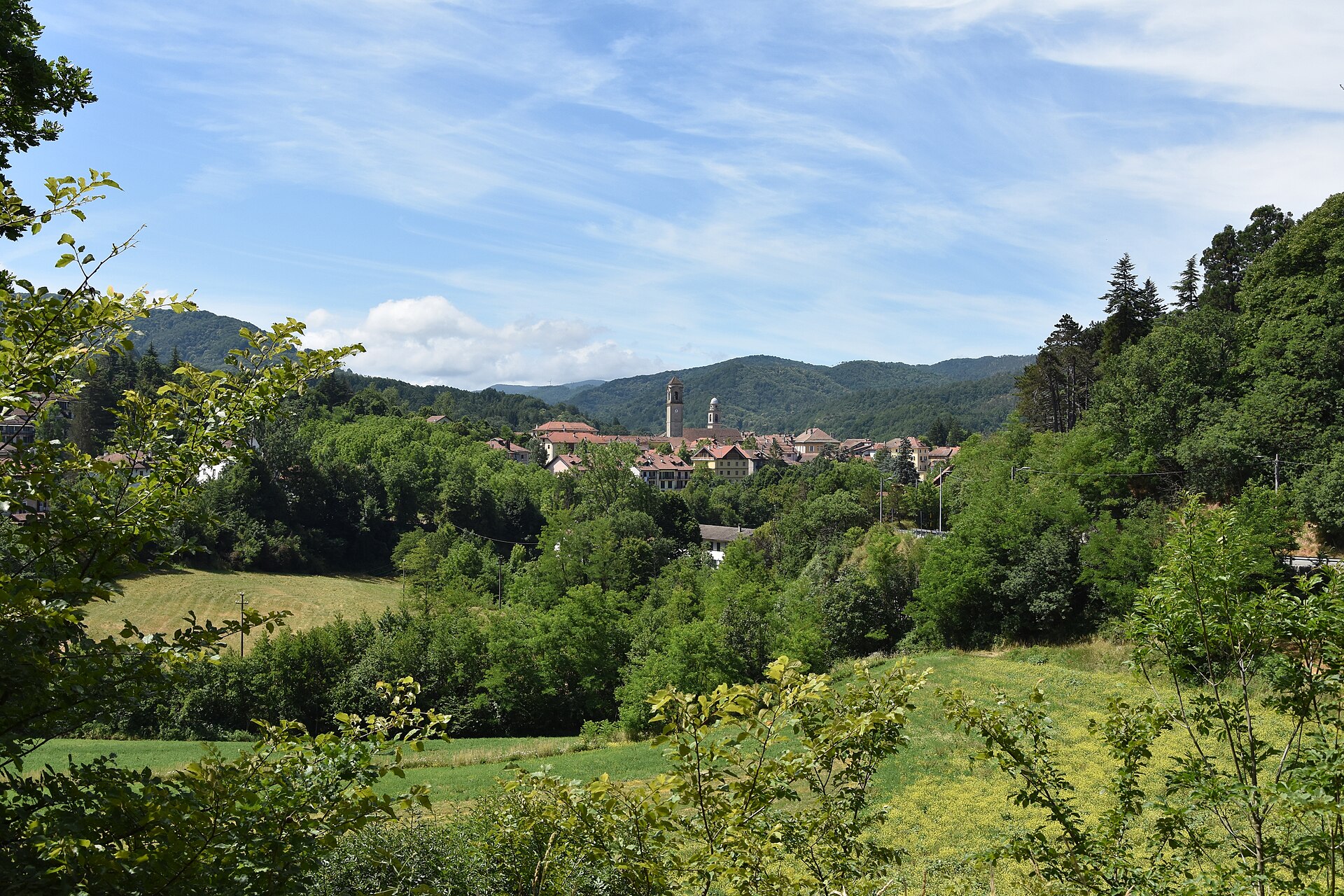
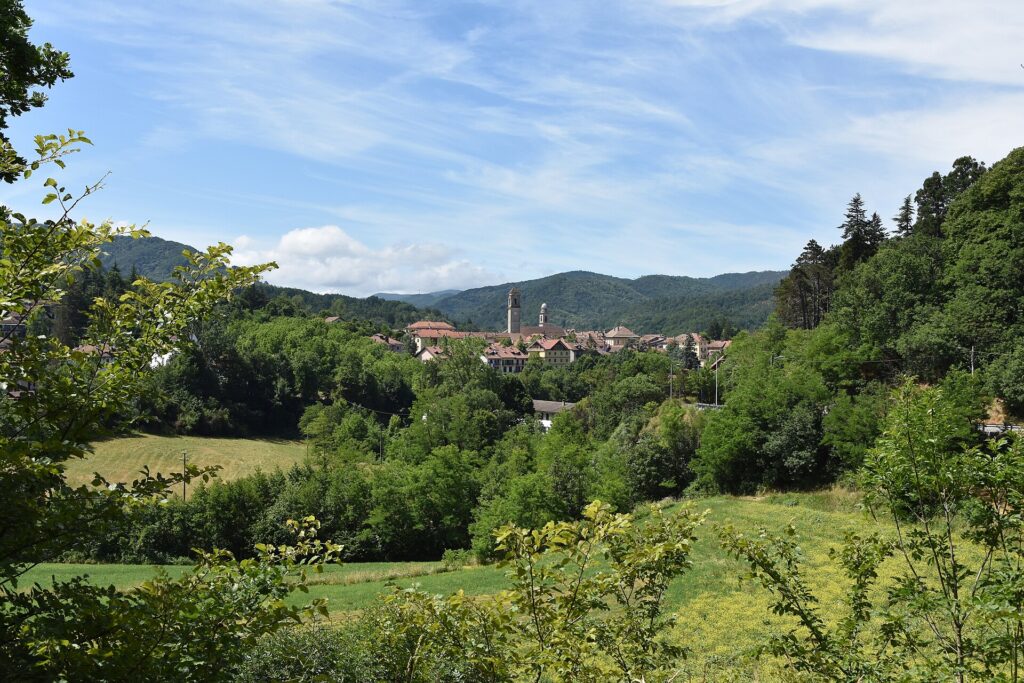
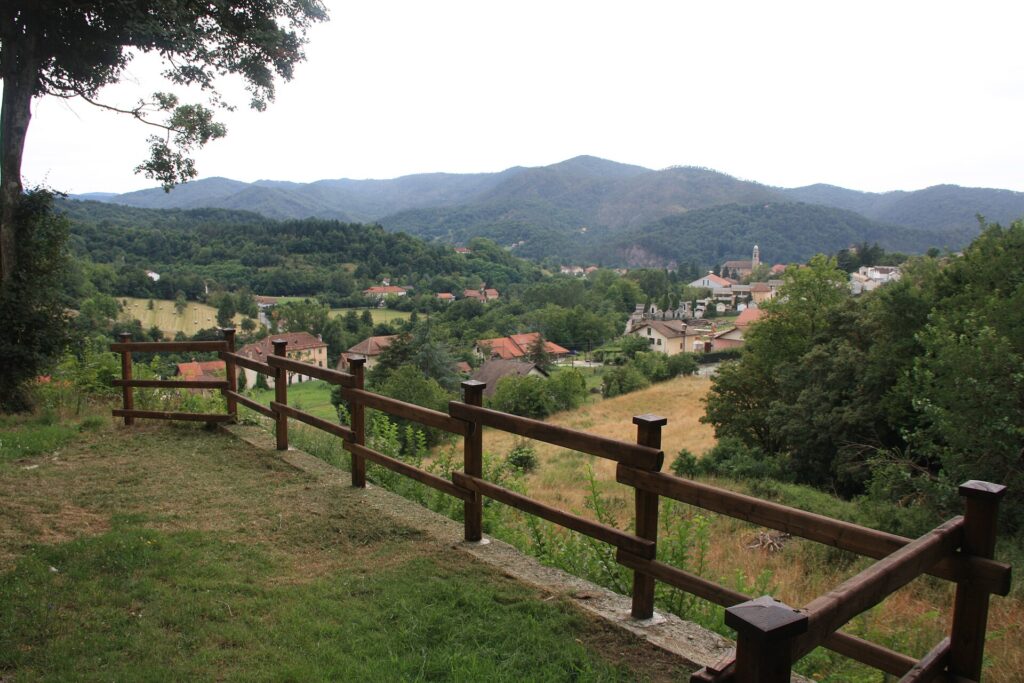
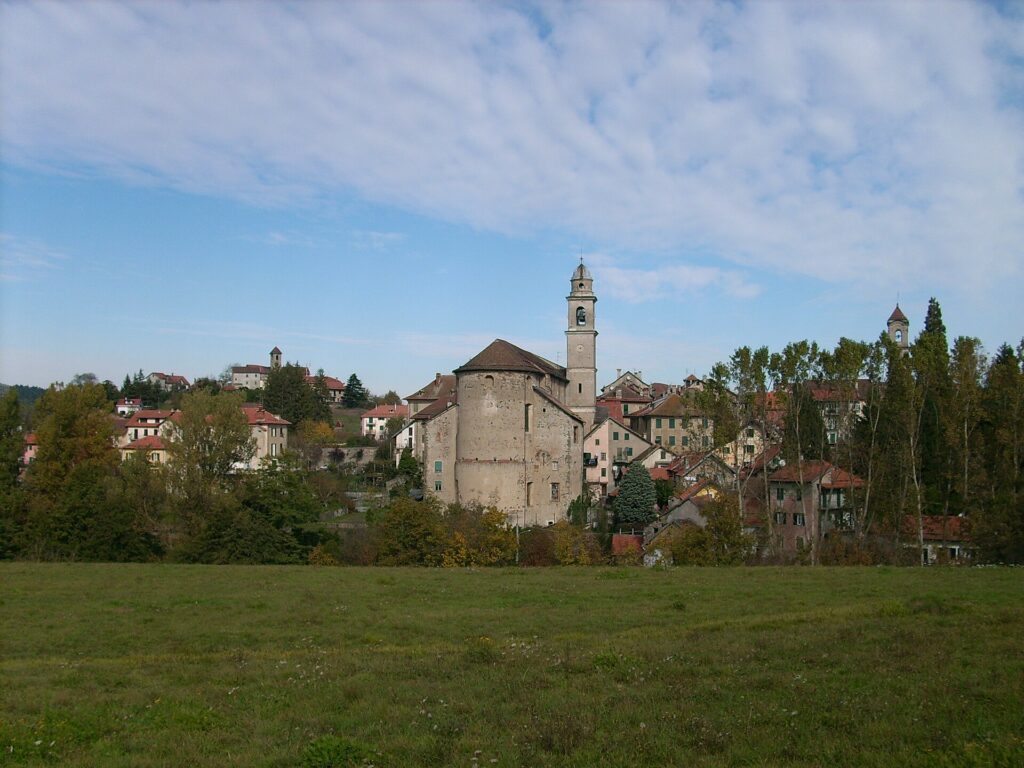
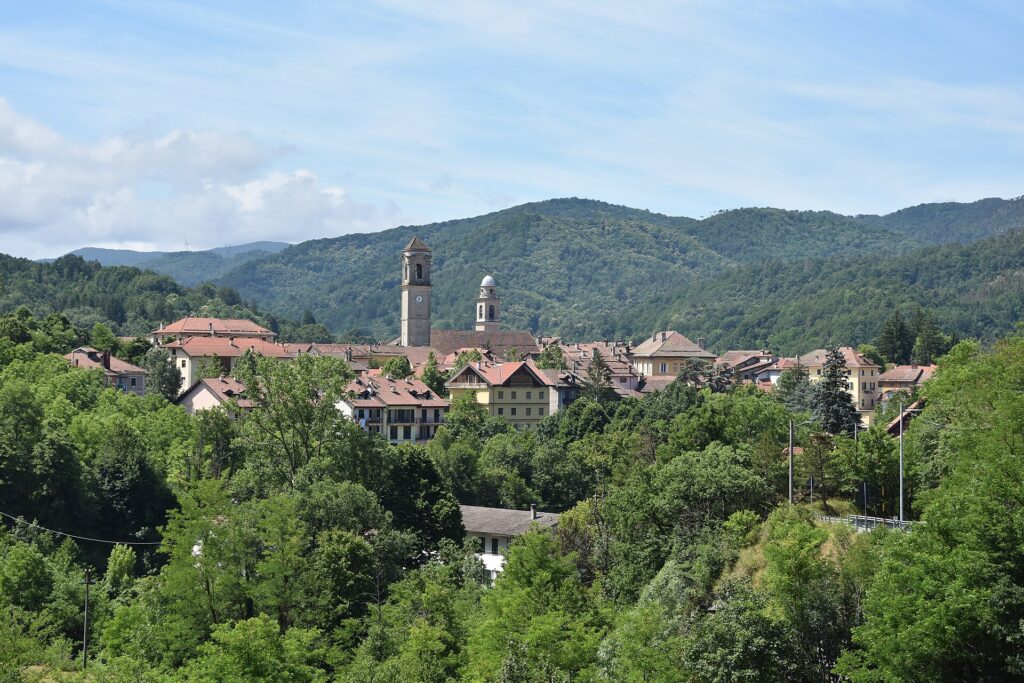
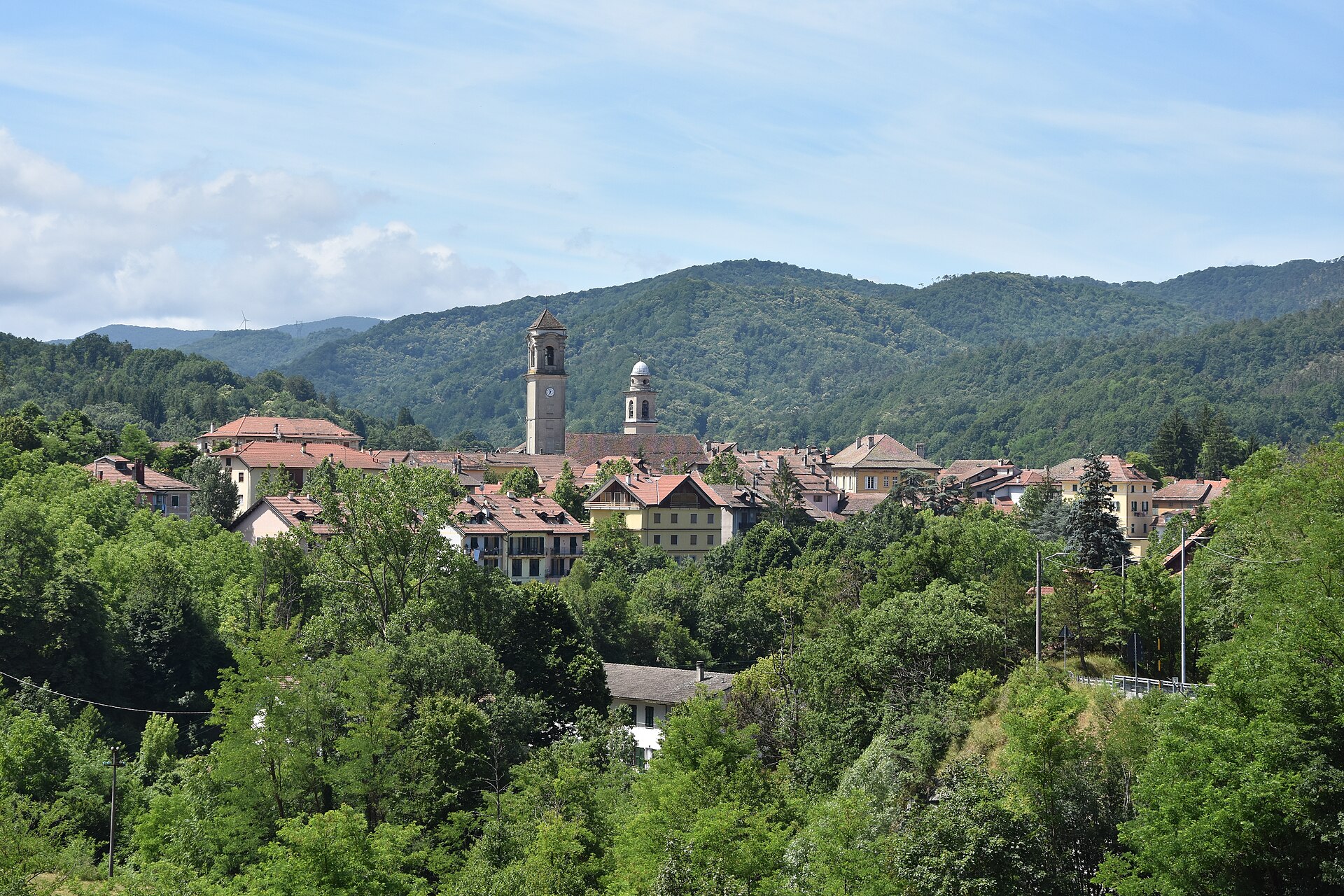
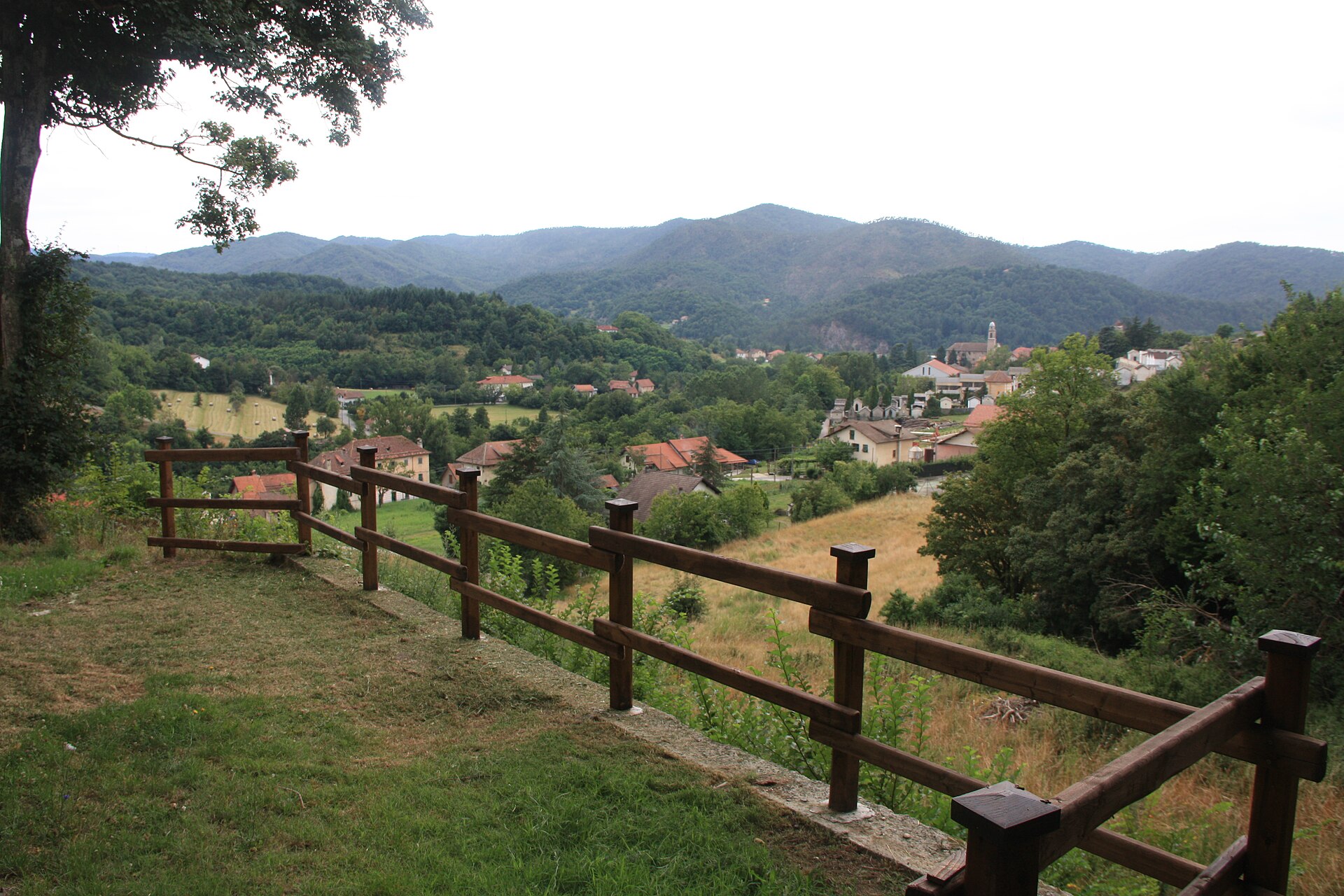
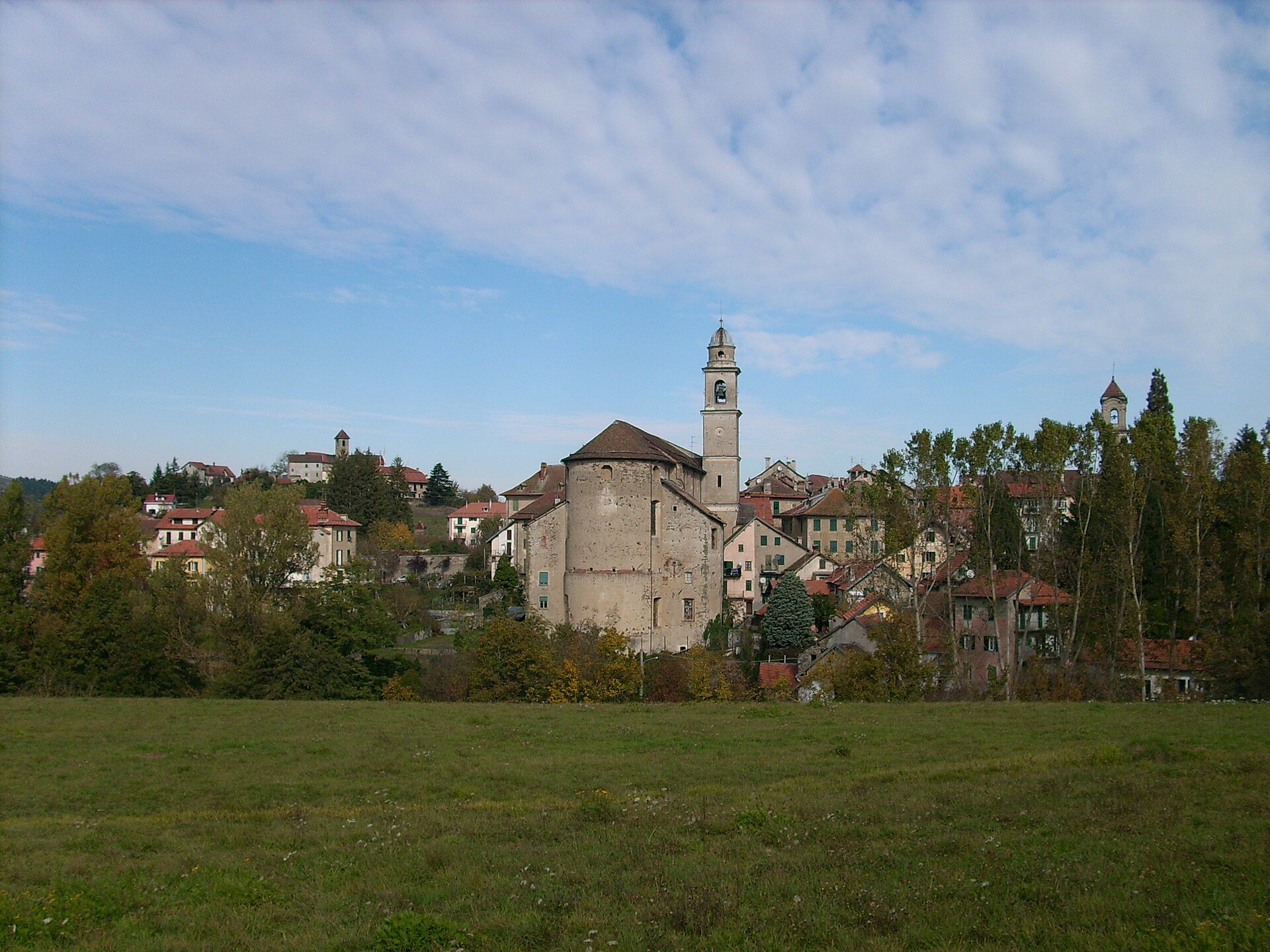
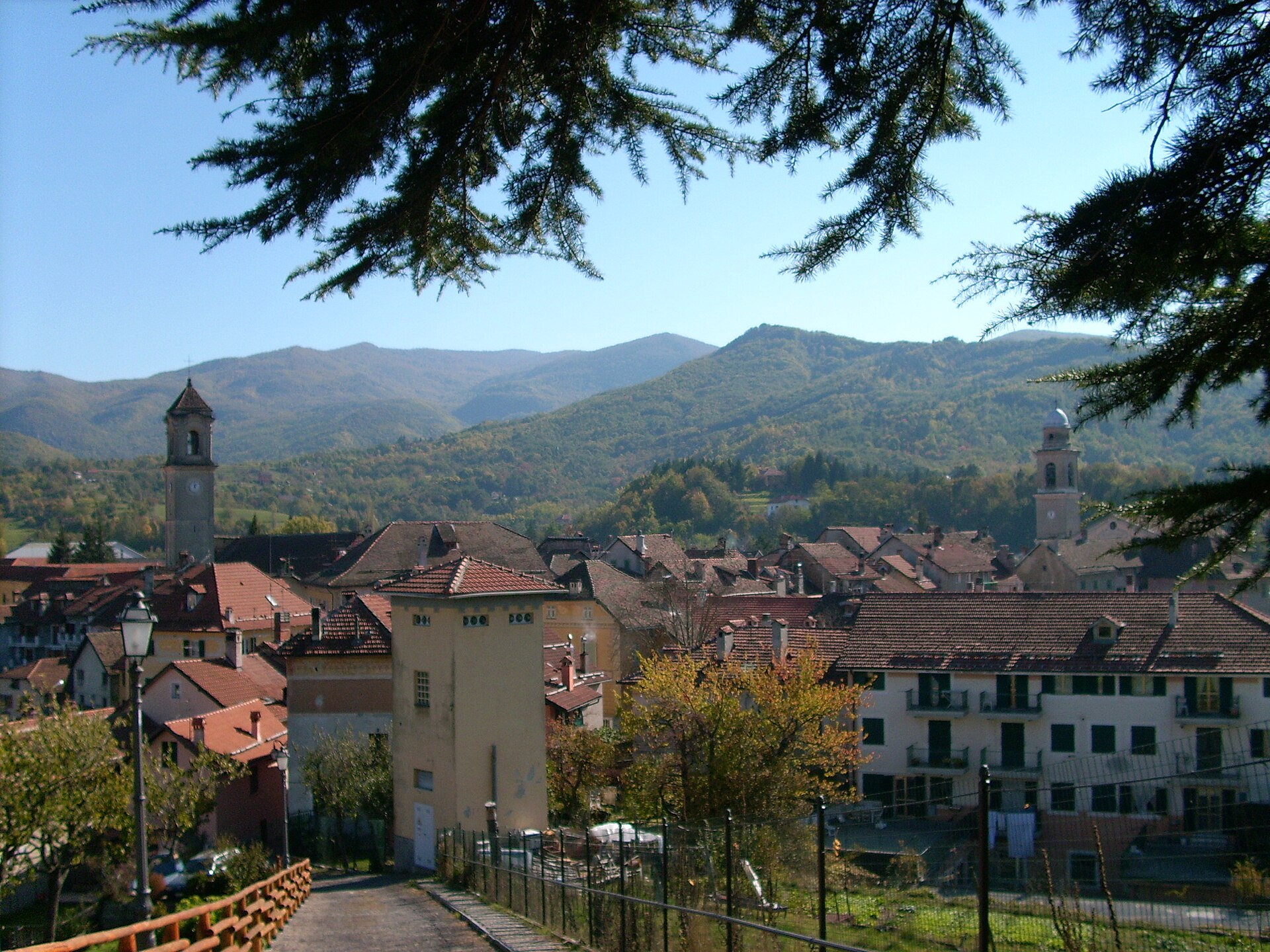
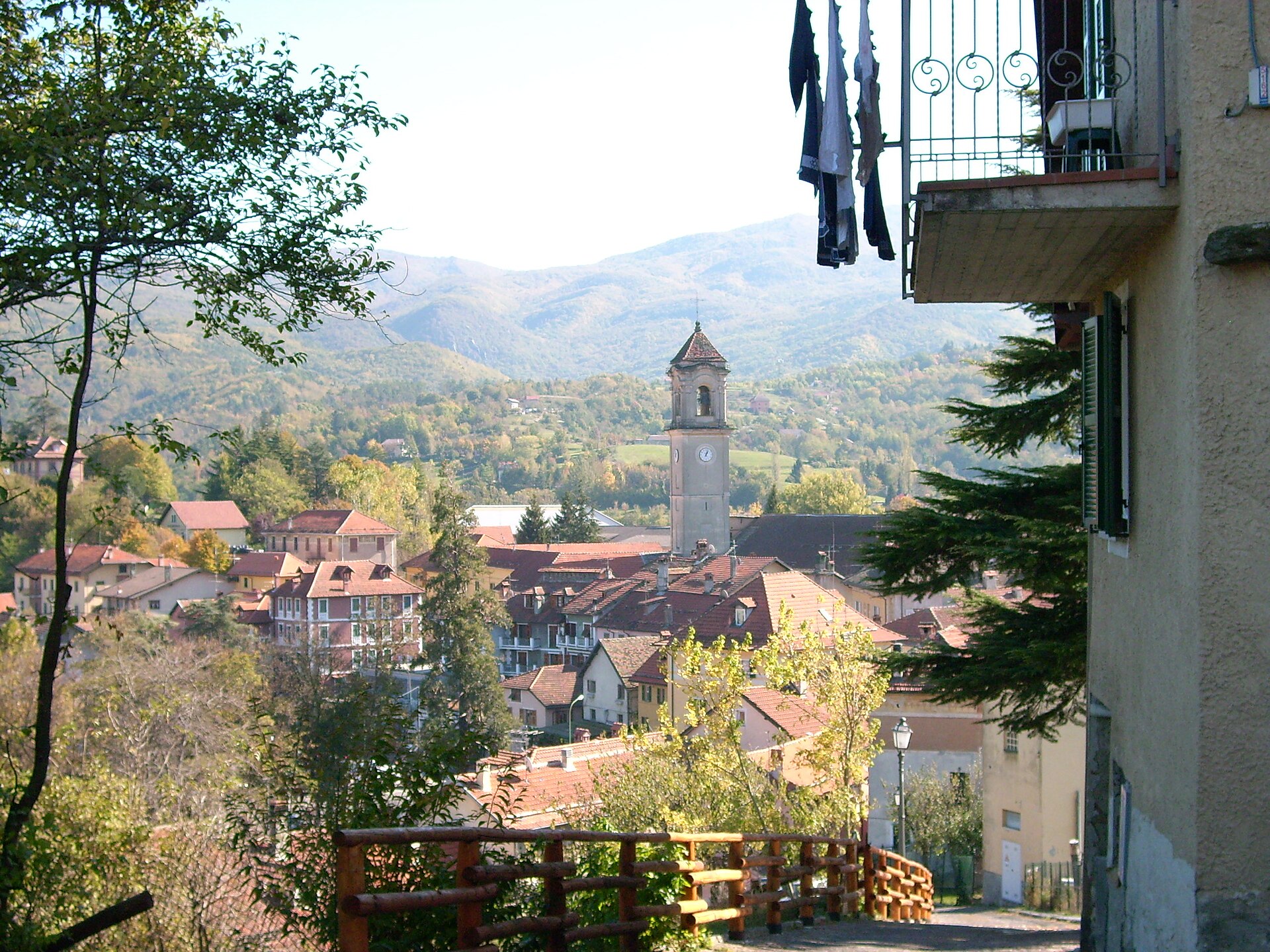
Sassello is an inland village in the province of Savona, at 388 metres above sea level, among the woods of the Beigua Regional Natural Park, in the valley of the Erro stream. It has about 1,700 inhabitants (1,722 according to ISTAT, May 2026), an old centre of lanes and colourful palazzi, and beech and fir hills all around. There is no sea here: Sassello is on the Po Valley side of the Apennines, right next to Piedmont. The municipalities of Varazze, Cogoleto and Arenzano border its territory, but the Beigua mountains lie between the coast and the village.
People come to Sassello for three reasons. The first is the soft amaretti, the sweet that has been made here since the 19th century and that you can buy straight from the producers. The second is the Foresta della Deiva, a state-owned forest right next to the village with about 40 km of trails. The third is the village itself: it holds the Touring Club Orange Flag (2024–2026) and has a museum, the Perrando, that covers everything from fossils to old art.
It works as a half-day or full-day trip, and it is easy to combine with the seaside at Albisola and Savona, about 20 km from the A10 motorway exit. This is not a place for beaches or nightlife. You walk around the village, taste the local sweets and use it as a base for hikes. Everything about the amaretti, the producers and the September festival is in our guide to Sassello amaretti.
By Italian Riviera editorial team·Updated on ·11 min read
Where is Sassello?
Sassello is in Liguria (Riviera di Ponente, Riviera delle Palme, province of SV).
You can see the old centre in a couple of hours, stops included. There are no big climbs, but the ground is cobbles and stone, so wear comfortable shoes. The stops below follow a walking order, from the main street towards the square.
Via Gerolamo Badano and the caruggi
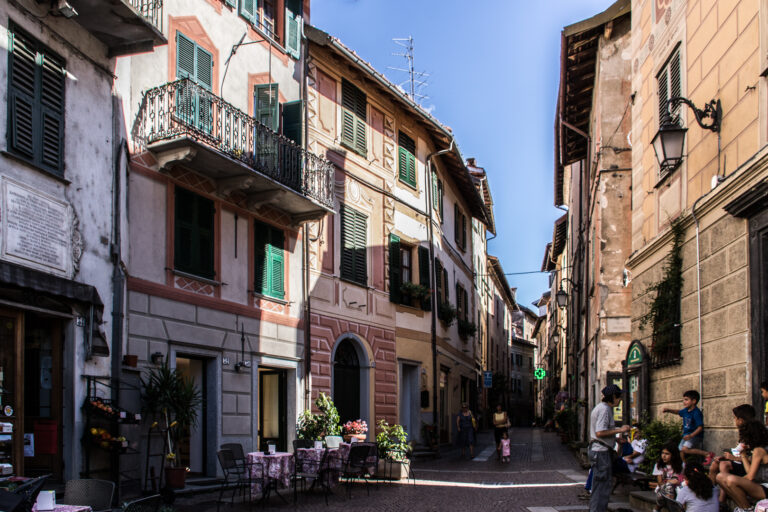
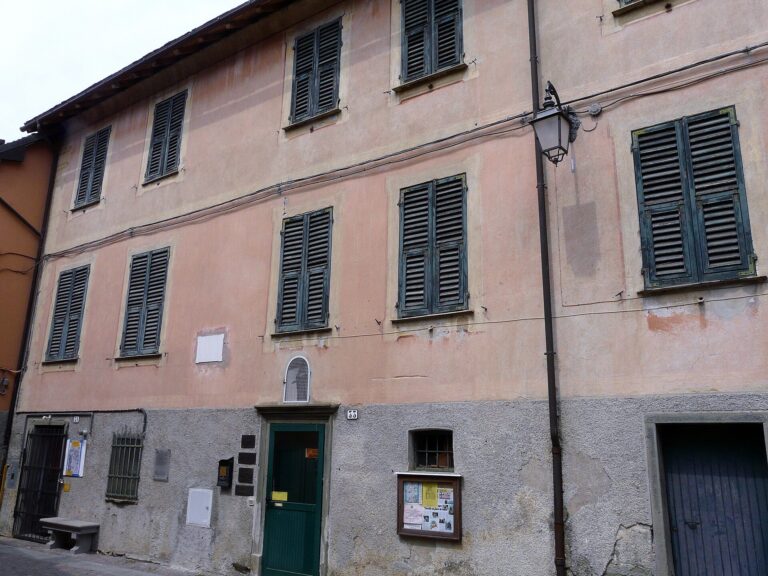
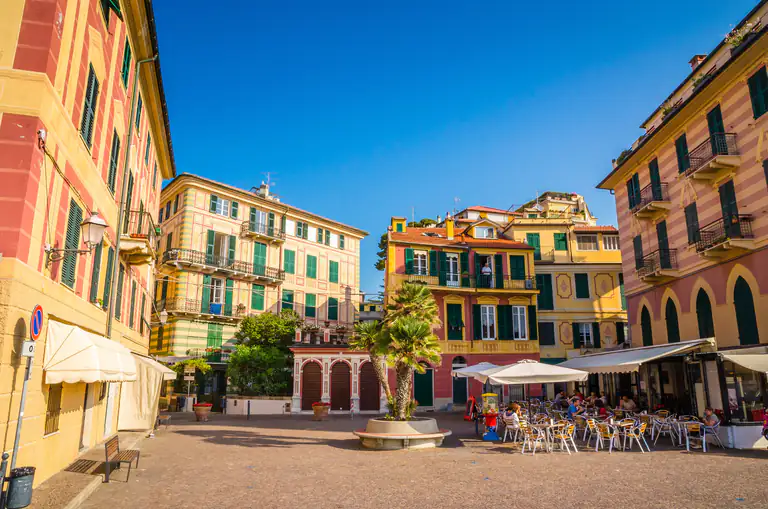
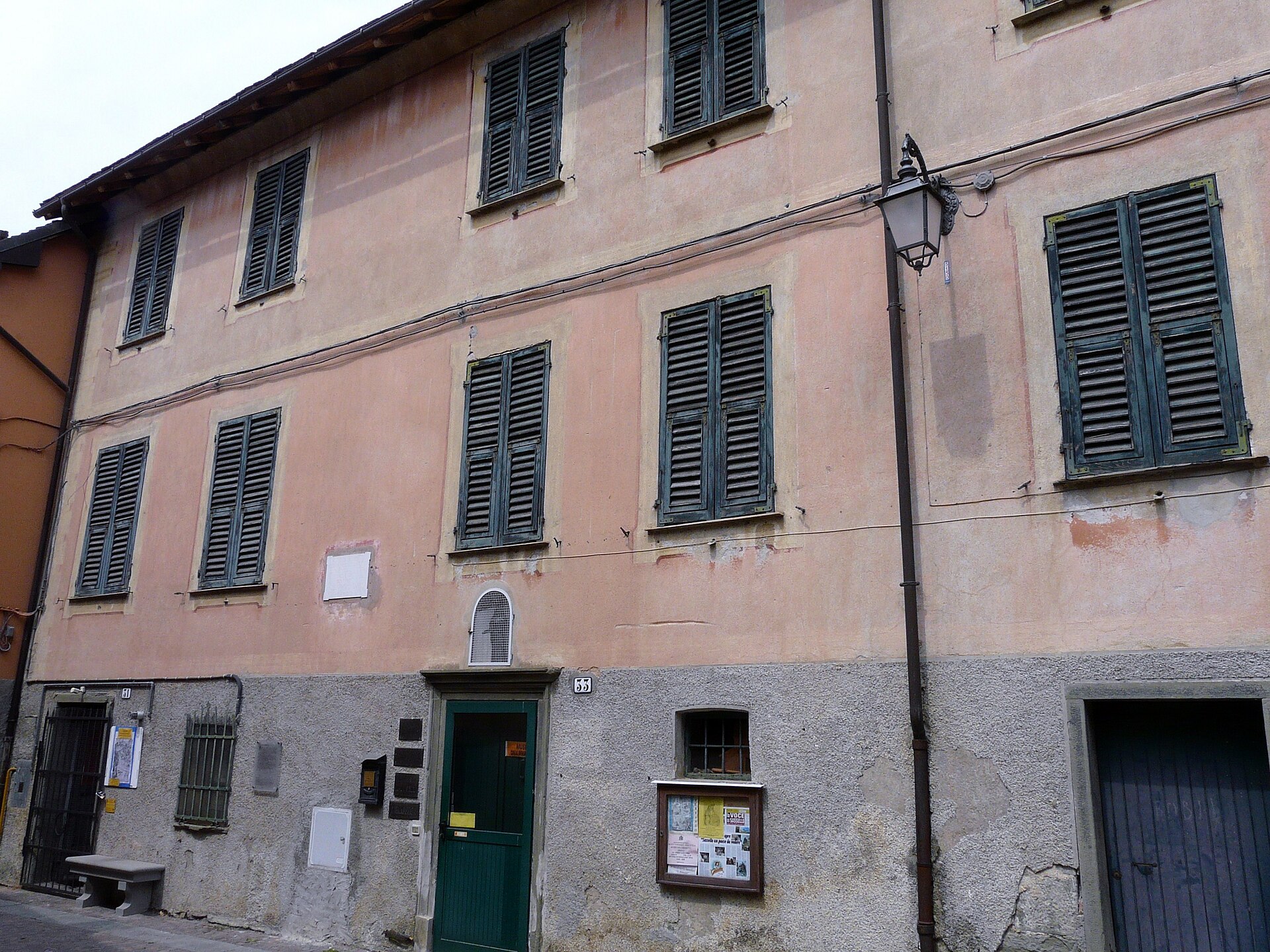
The old centre follows Via Gerolamo Badano, which starts at Palazzo Gervino. You will find pastel-coloured houses, old shop signs, craft workshops and narrow lanes that open onto small squares. It is the best part of the village, and you can simply wander without a plan. For amaretti, the shops in the centre are the easiest stop; the larger producers are outside the village, on the roads to the hamlets.
Piazza Concezione and Palazzo Doria-Perrando
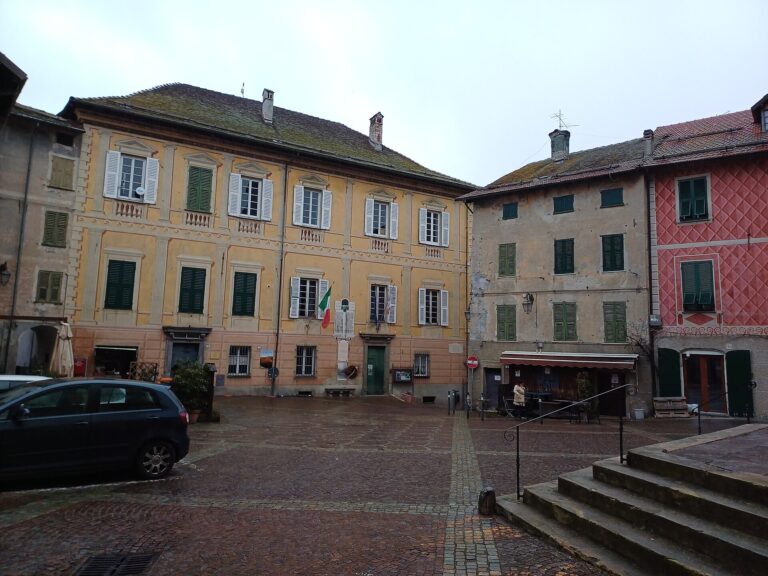
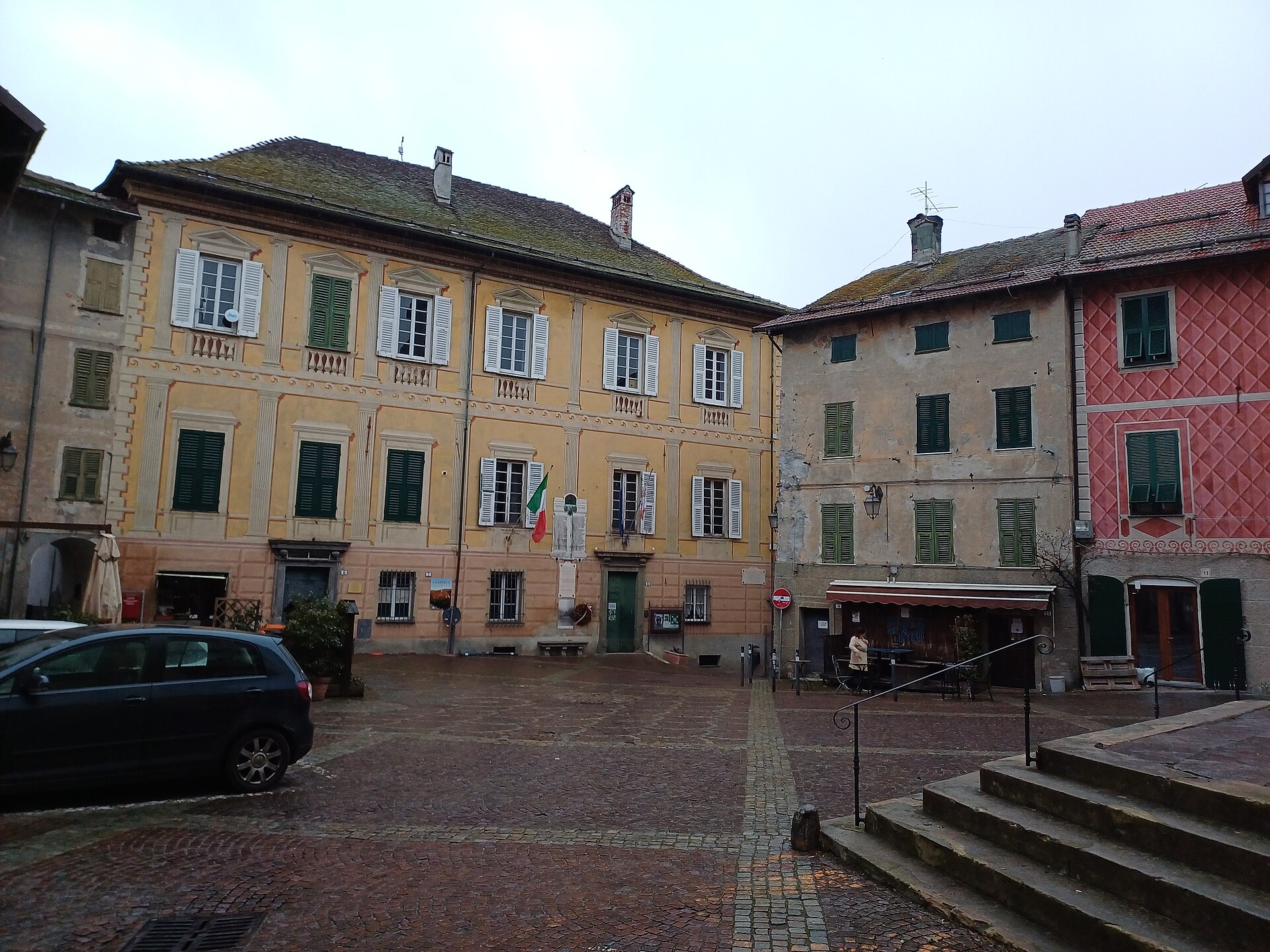
Piazza Concezione is the heart of the village. It has the town hall, the Basilica of the Immacolata Concezione and, on festival days, the market stalls. The town hall is in Palazzo Doria-Perrando, built in the 17th century: a yellow building with a regular row of windows on its facade. Every September the Amaretto Festival takes place in this square.
Church of the Santissima Trinità
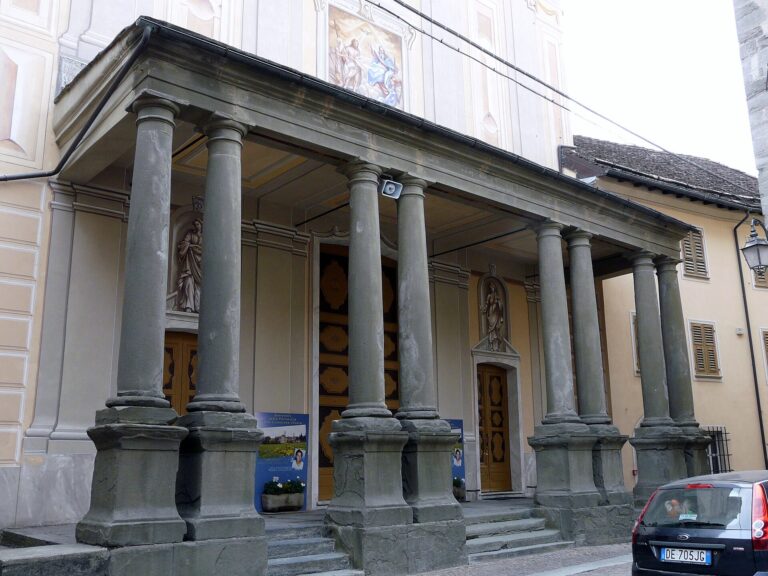
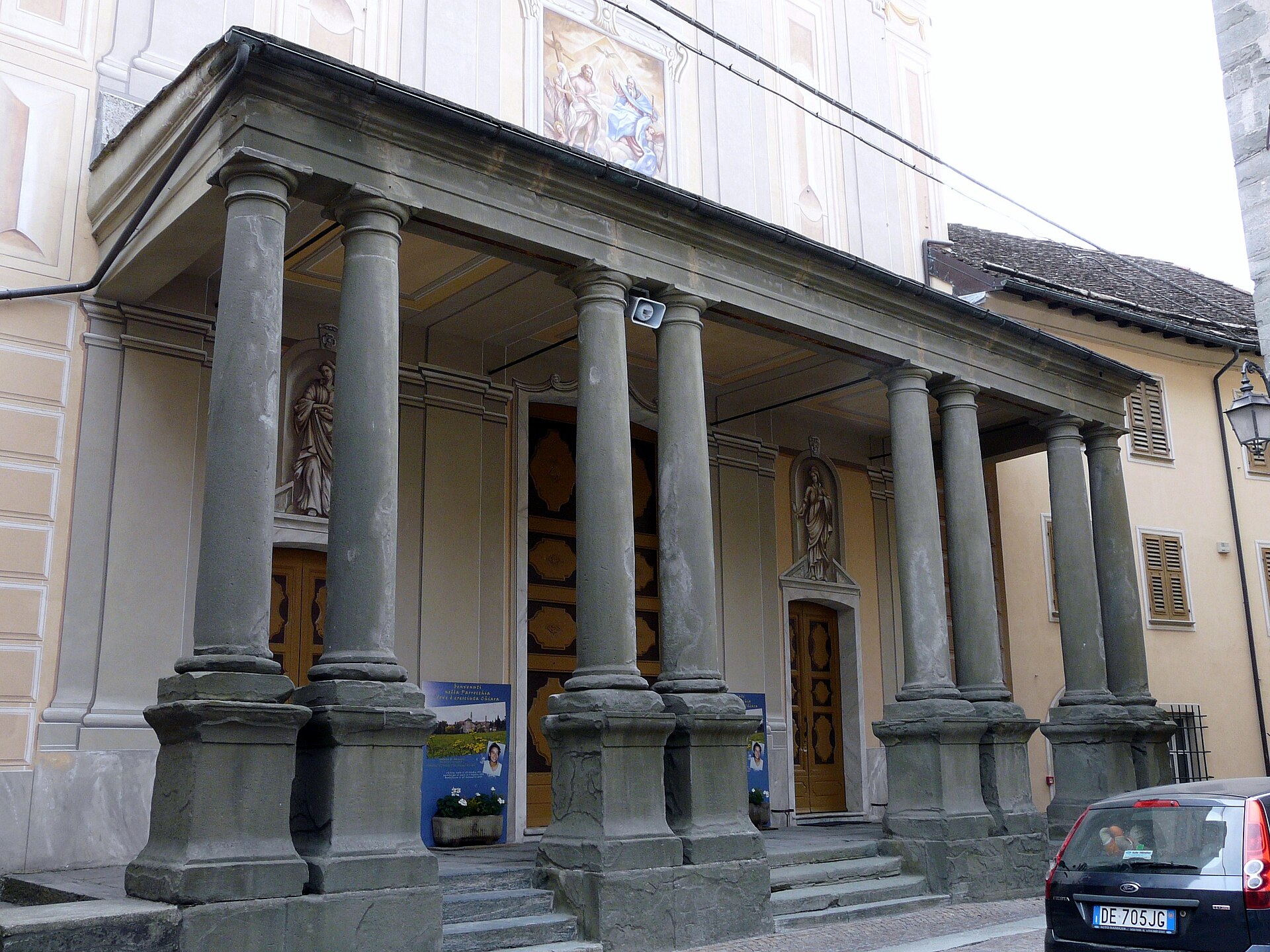
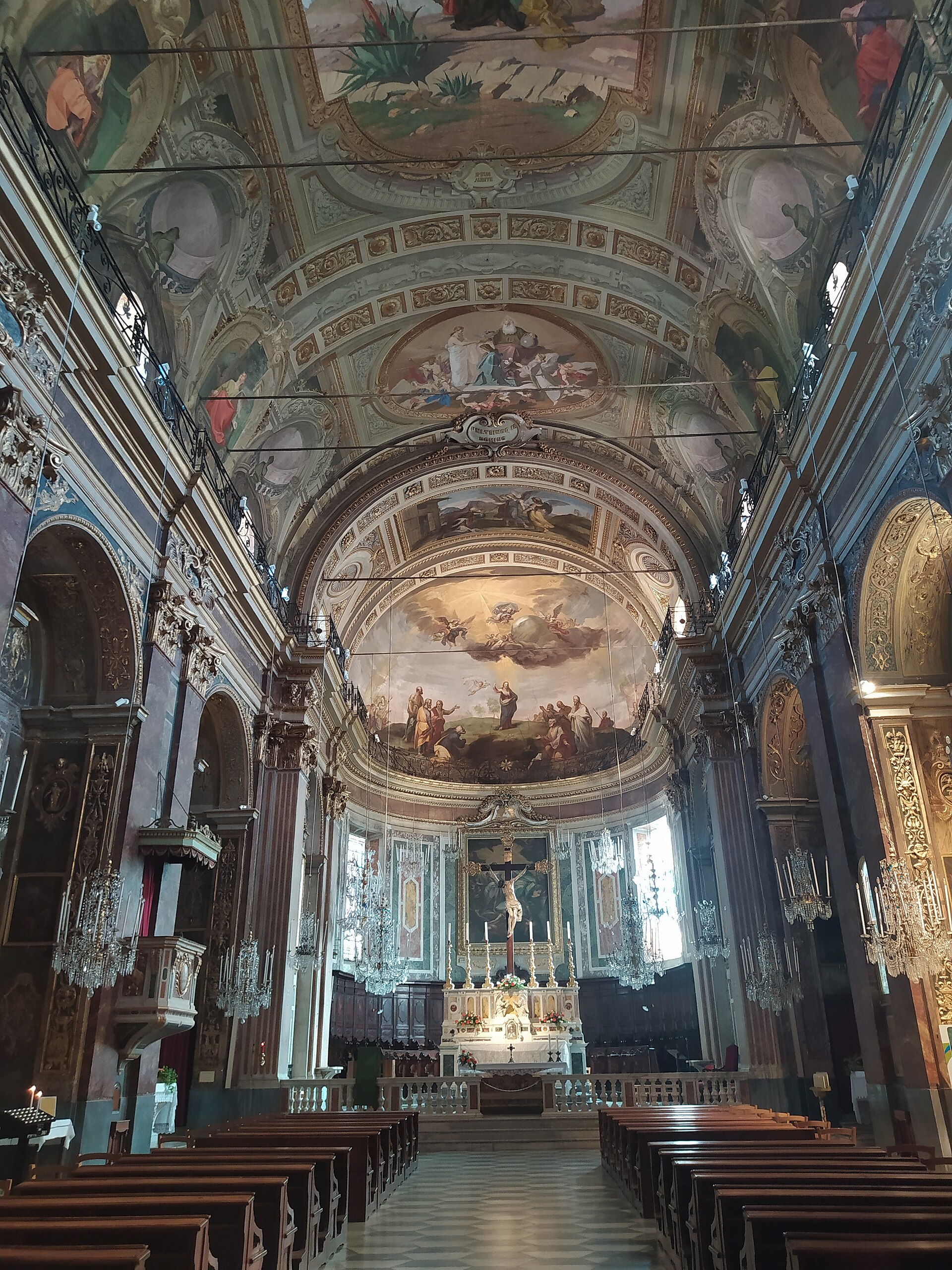
This is the most striking church in the village. The facade opens onto a stone colonnade, and it was built between 1654 and 1725. Inside there are 18th-century frescoes: the ones in the apse are by Paolo Gerolamo Brusco, while the vault is attributed to Lazzaro De Maestri and Domenico Buscaglia. The colonnade and the open space in front are among the best views in the village.
Basilica of the Immacolata Concezione
The basilica faces the square of the same name and was built between 1582 and 1584. If you find it open, give it ten minutes: it is plainer than the Trinità. The village’s patron saint festival is on 29 August, the Beheading of Saint John the Baptist.
San Giovanni Battista and the Oratory of the Disciplinati
San Giovanni Battista is the oldest church. It dates back to the 11th century, although the present building is largely 17th-century. It holds paintings from the 16th and 17th centuries, Baroque cabinets, sculptures and a statue attributed to Anton Maria Maragliano, the Genoese wood sculptor. Another wooden group by Maragliano is in the Oratory of the Disciplinati, in the centre. Opening hours are not confirmed: ask at the town hall.
San Rocco, San Sebastiano and the chapels
The church of San Rocco, from 1630, holds a work by Domenico Piola. The church of San Sebastiano dates from 1637, while the chapel of Sant’Antonio Abate is 15th-century and has a 17th-century canvas by Giovanni Battista Carlone. These stops are for anyone who likes smaller churches. Opening hours are not confirmed.
The medieval bridge and the San Sebastiano bridge
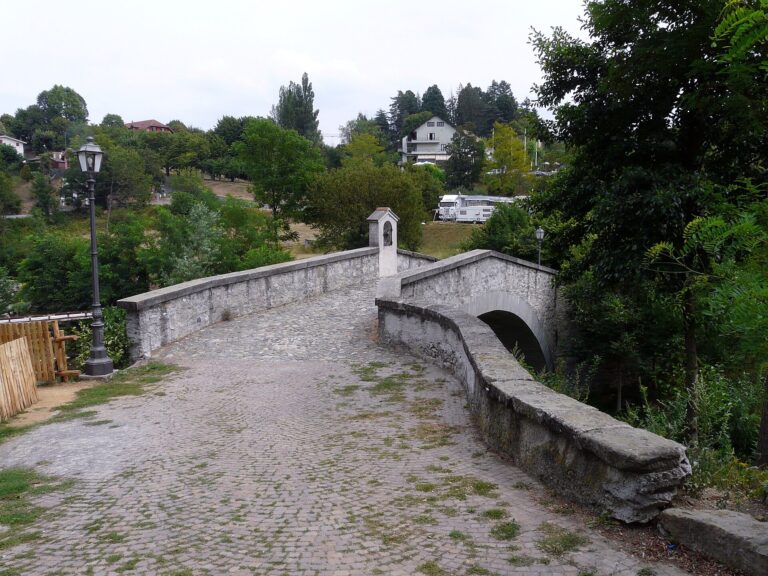
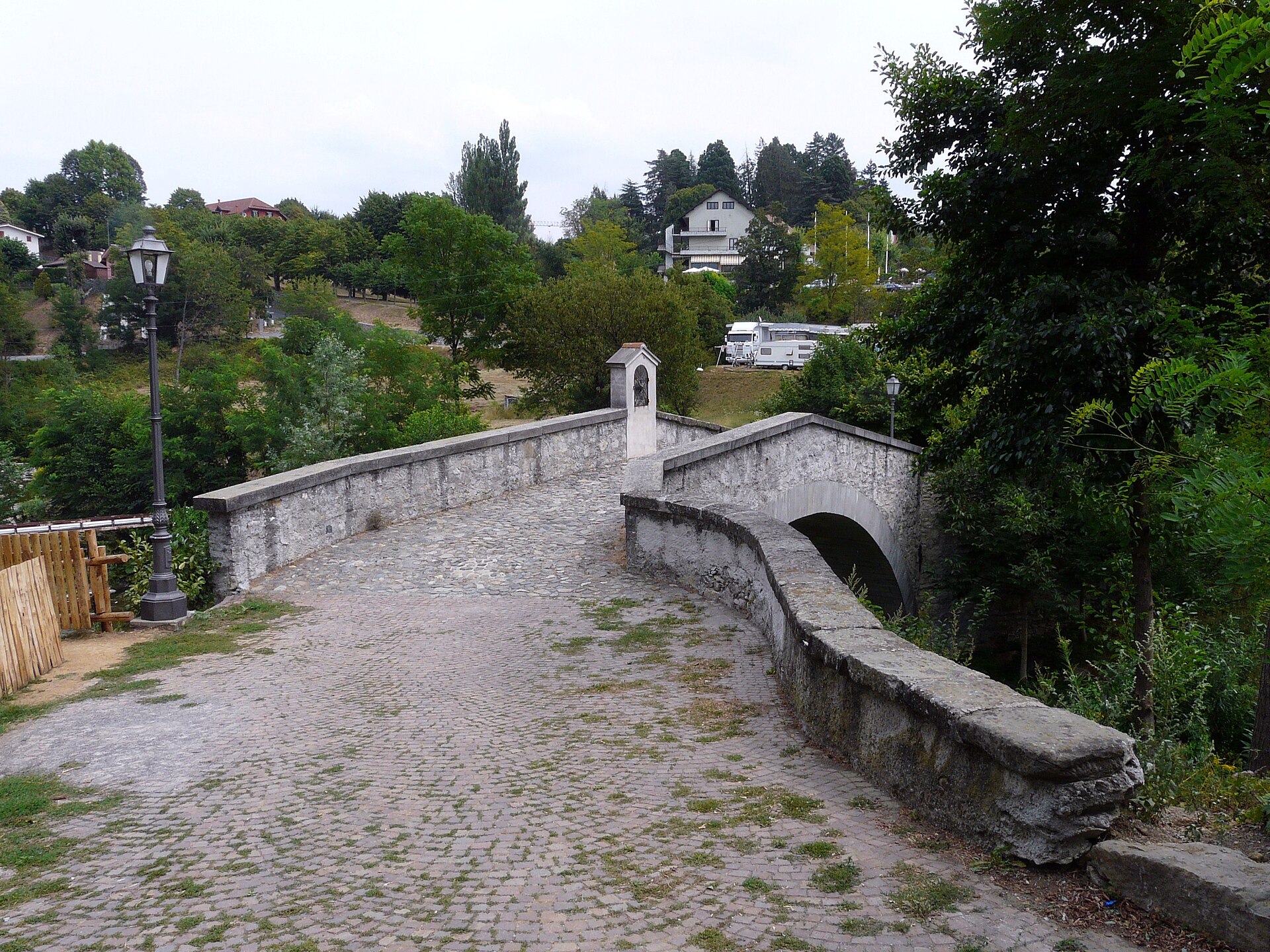
Over the stream there is an arched stone bridge, the “medieval bridge”, and not far away the San Sebastiano bridge, which leads to the chapel of the same name. The latter dates from the 17th century and was rebuilt in 1946 after being destroyed in the war. It is a short walk, useful for seeing the village from below and for photos.
The Perrando Museum
The museum was founded in 1967 by the Amici del Sassello association, and it is also a cultural centre for the surrounding municipalities. It tells the story of the local environment and history, from fossils and prehistory to the Middle Ages, and then the Perrando family’s collections: a library, a picture gallery with works by Alessandro Magnasco, Domenico Piola and Luca Cambiaso, plus ceramics and furniture. Part of the museum is in a former Franciscan convent, with the Napoleonic room, the Bianchi contemporary art collection and the Museum of the Sassello dialect, open since June 2024. Opening hours are not confirmed: the sources we found give different days and times, so phone the museum first (019 724100) or write to museoperrando@gmail.com.
Palazzo Gervino, the Park visitor centre
Palazzo Gervino is where Via Badano begins, and it is the visitor centre of the Beigua Park, with a section on geology. Opening hours are not confirmed. For hikes, guides and trails you can also phone the Park Authority (019 4512050) or check the Beigua Park website.
A village of castles and ironworks
The name first appears in 967, as Salsole, in a diploma of Otto I. In 1290 the village passed to Branca Doria, the man Dante mentions in the Inferno, and two castles were built there: Bastia Soprana in the first decade of the 14th century and Bastia Sottana around 1450, by Filippo Doria. From 1612 it belonged to the Republic of Genoa. Between 1570 and 1670 the village lived through the golden age of its ironworks; then in 1672 the troops of Charles Emmanuel II of Savoy destroyed it. The ironworks were closed for good in 1858, by order of Cavour.
The cemetery and Chiara Luce Badano
Chiara Badano, known as Chiara Luce, was born in Sassello on 29 October 1971. She died at 18, in 1990, and was beatified in 2010. She is buried in the village cemetery, in the family chapel. Many pilgrims come to Sassello for her, especially around 29 October, her liturgical memorial. Visiting hours and arrangements are not confirmed: ask at the town hall (019 724103).
Where to stay
Where to stay in Sassello
In Sassello you stay in mountain hotels, holiday homes, apartments and farm stays. The town hall has a page listing accommodation, but we do not give names: the list changes and we have no verified data.
Old centre: houses and apartments near Via Badano, with everything on foot. If you come by car, check where to park.
Hamlets (Palo, Alberola, Maddalena, Piampaludo): more quiet, with woods on the doorstep. You need a car.
On the coast: if you prefer the sea, stay in Albisola, Varazze or Savona and come up for the day.
If you want to be in Sassello for the Amaretto Festival or on autumn weekends, book well in advance.
A10, exit Albisola, then about 20 km on the main road: it is signposted
By train
No station: train to Albisola, then a bus to Sassello (check the timetable) ⚠️
By plane
Genoa Cristoforo Colombo, about an hour by road ⚠️
By car
From the coast, take the A10 and exit at Albisola, then turn left and continue for about 20 km. The state road is signposted. From Turin, take the A6 Torino–Savona, exit at Altare, follow the SP 12 (which then becomes the SP 41) to Pontinvrea, then turn left onto the SS 542 and the SS 334 to Sassello. From Asti, take the A33 to Isola d’Asti and then the SS 456, via Acqui Terme, and the SS 334.
By train
Sassello has no railway station. The town hall suggests getting off at Albisola, on the Genoa–Ventimiglia line, and continuing by bus.
By bus
A bus runs from Albisola station to Sassello. We have no official timetable. Check the TPL Linea website or ask at the town hall before you leave, because there are few runs and they change with the season.
By plane
The most convenient airport is Genoa Cristoforo Colombo, about an hour away by road (estimate). From France, Nice is much further.
Parking
The centre is small: leave your car at the edge of the village and walk. We have no verified numbers of spaces or fees. For information: the town hall, piazza Concezione 8, tel. 019 724103, or the town hall website.
The local speciality is the soft amaretti: almond biscuits made with sweet and bitter almonds, sugar and egg white, with no flour, and a soft texture close to marzipan. They are a traditional agri-food product (PAT), and several producers make them in Sassello, from historic factories to small workshops. In September, for two days, the Amaretto Festival fills the centre with stalls and tastings. In 2026 it took place on 5 and 6 September, and the 2027 dates are not yet confirmed. For the rest, from producers to buying tips, see the in-depth guide to the amaretti.
Besides the sweets, the mountain cooking of Sassello includes porcini mushrooms, cured meats, pecorino, game, canestrelli biscuits and torta pasqualina. “Tirotti” are oval focaccia breads, but we have no verified recipe or place to eat them. We do not give restaurant names because we have no verified list: ask at the town hall or the tourist office. For Ligurian food in general, see our guide to Ligurian cuisine.
Walks and hikes
Sassello lies inside the Beigua Regional Natural Park, which has also been a UNESCO Geopark since 2015. The trails start in the village or a few minutes away by car. The town hall lists nine routes, from Monte Beigua to the Val Gargassa, but gives no lengths or times. Before you set out, check the Park website or ask at Palazzo Gervino.
The Foresta della Deiva
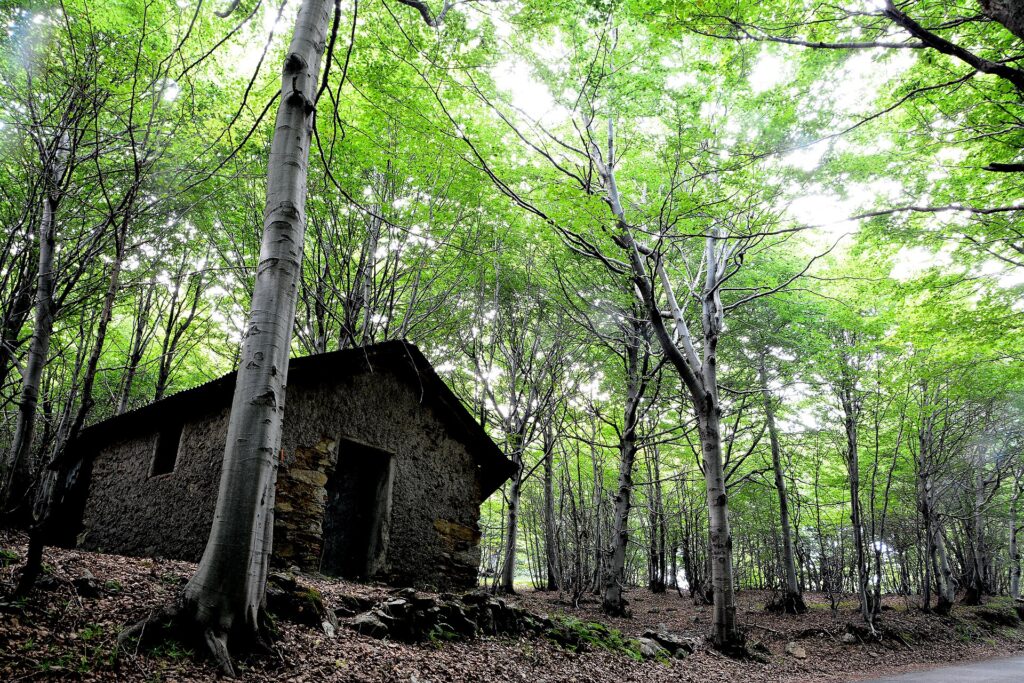
The Foresta della Deiva is a state-owned forest right next to the village, and a Special Area of Conservation. The Park lists about 40 km of marked routes, including the Anello della Deiva (about 13–14 km, mostly on a forest road with no big climbs) and the route from Castello Bellavista to the Lago dei Gulli. The Park also has a Casa del Parco at the entrance, open by booking for groups and Park activities. If you are not used to 13 km, walk only a section and turn back. The Park runs guided hikes; dates and prices are on its website.
The Lago dei Gulli
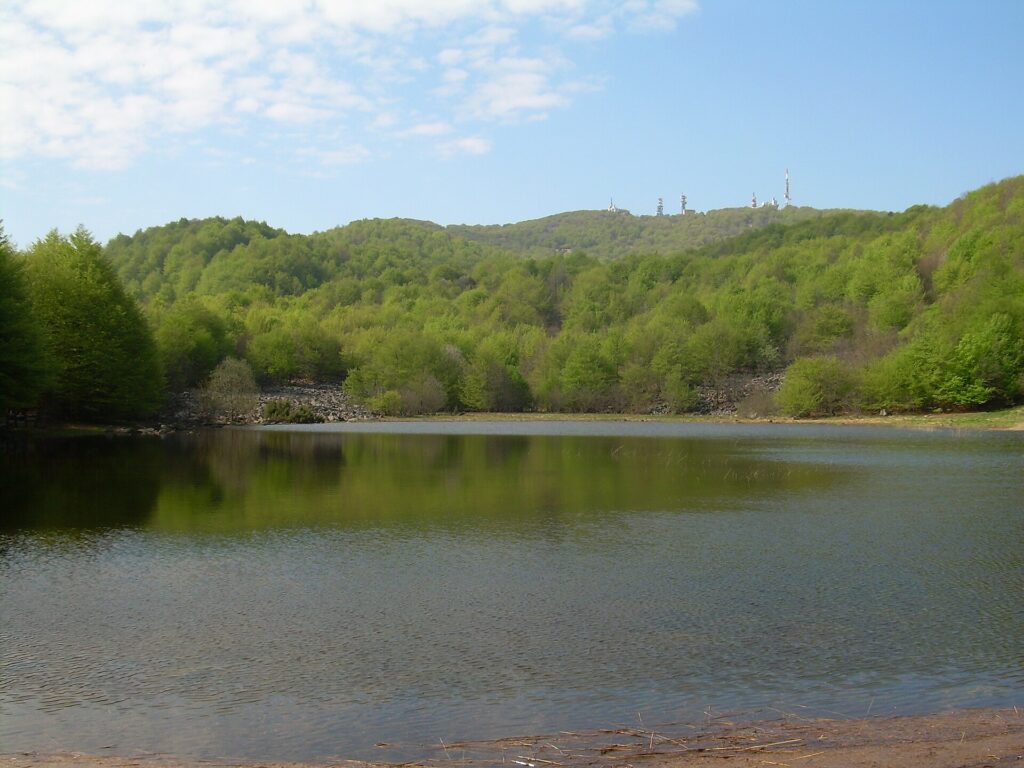
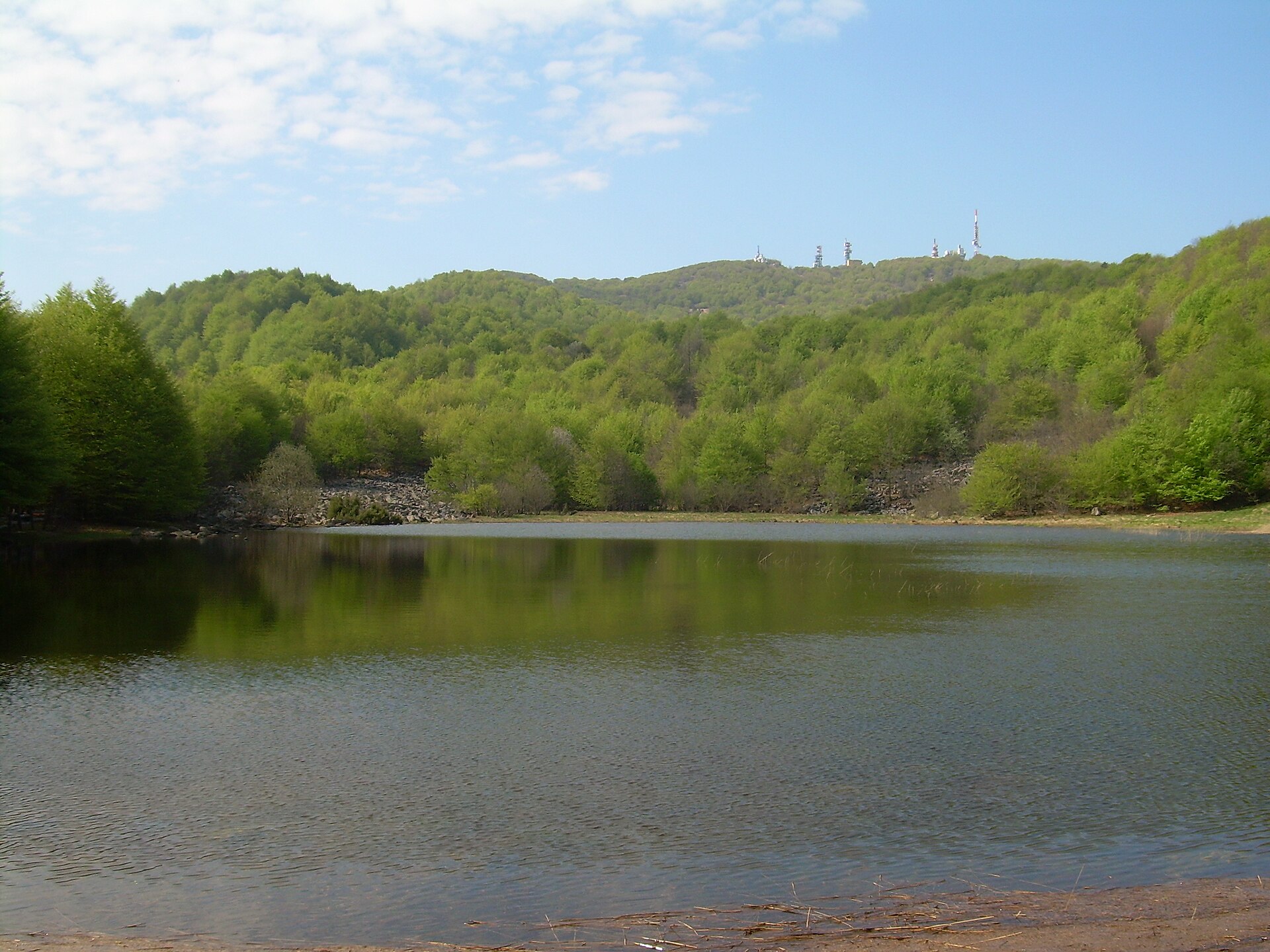
The Lago dei Gulli is not a real lake. It is a bend of the Erro stream, where it meets the Rio Ciuia, with a small beach. It is popular in summer. It is a quiet stop rather than a hike.
The Laione peat bog
At 987 metres, in the territory of Sassello, lies the Laione peat bog. Usually it is a wetland, but after heavy rain or when the snow melts it floods and becomes a small lake. It is one of the most unusual places in the Park: bring hiking boots and check the weather.
Monte Beigua and other walks
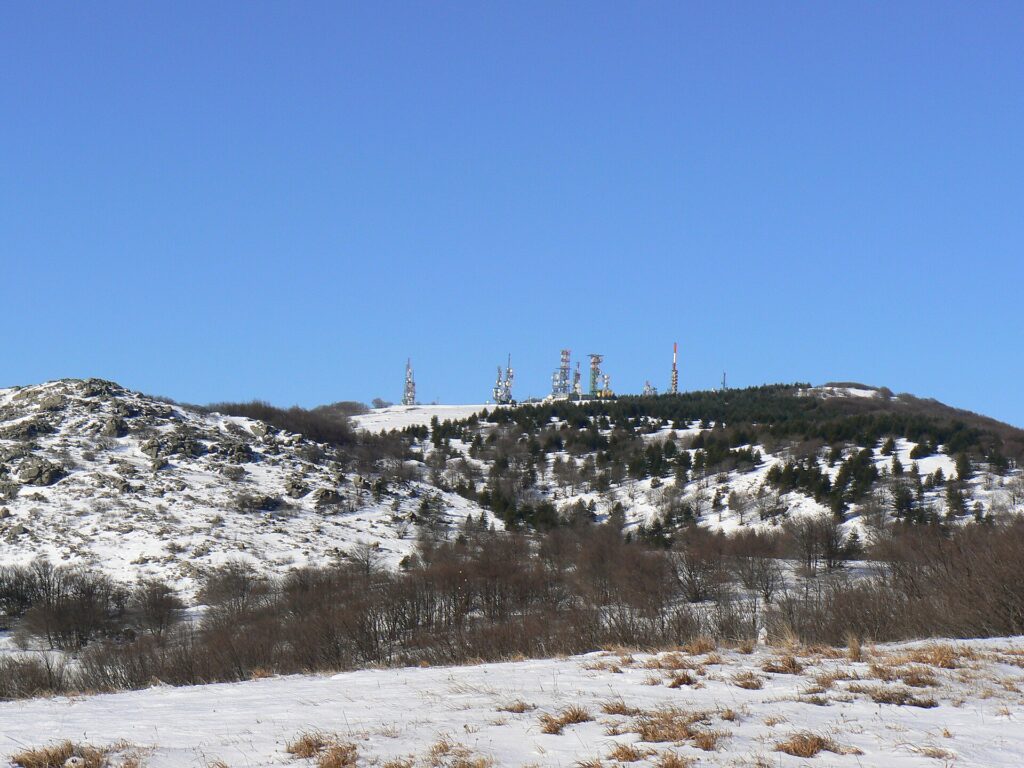
The summit of the Beigua, at 1,287 metres, lies between Varazze and Sassello. For high-altitude walks on the Beigua and the stages of the Alta Via dei Monti Liguri, see our guide to hiking in Liguria. There are technical mountain bike routes in the area. For details, ask someone who knows them, because some sections are difficult.
When to go to Sassello
Sassello is on the inland side, so it is cooler than the coast in summer and much colder in winter. In January the average is about 1 °C, and the record low is −22 °C (6 February 2012). The best months are spring and autumn, with the woods and clear air. There is a flower carpet for Corpus Domini, the patron saint festival on 29 August, the Amaretto Festival in September, and the memorial of Chiara Luce on 29 October. Confirm the 2027 dates at the town hall. In winter you can also walk the Foresta della Deiva in the snow, with the right equipment. We have no verified information on conditions.
Day trips from Sassello
We have no official travel times. The roads are mountain roads, so check with your satnav.
Albisola: about 20 km from the Albisola exit of the A10, with ceramics and the sea.
Savona: the provincial capital, with the port, the Priamàr Fortress and the cruise ships.
Varazze: borders Sassello, on the sea and at the foot of the Beigua.
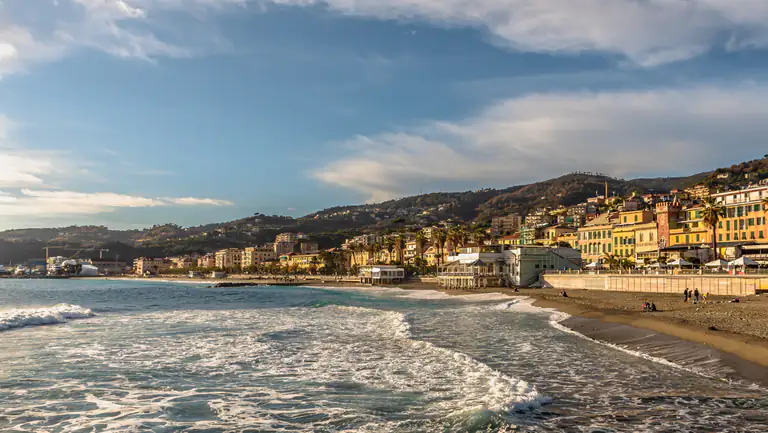
Cogoleto and Arenzano: two seaside towns further east, towards Genoa, also bordering Sassello.
Sassello e le colline dell'Appennino ligurePanorama di Sassello con il campanile della TrinitàSassello vista da San Giovanni, con le montagne dietroIl centro di Sassello visto dai pratiTetti e campanile di Sassello nella valleSassello dall'alto, con il campanile e i montiIl colonnato d'ingresso della chiesa della Santissima Trinità a Sassello
FAQ
Frequently asked questions about Sassello
Is Sassello on the sea?
No. It is an inland village in the province of Savona, at 388 metres, in the Beigua Park. The nearest sea is at Albisola and Varazze.
How do you get to Sassello without a car?
By train to Albisola and then by bus. Buses are infrequent, so check the times before you leave.
How much time do you need to see Sassello?
Half a day for the centre and the museum, a full day if you add part of the Foresta della Deiva.
What can you buy in Sassello?
Mostly soft amaretti. Several producers make them, and the shops in the centre sell them too. Then mushrooms, cured meats and pecorino.
When is the Amaretto Festival?
In September, over two days in the centre. In 2026 it was on 5 and 6 September. The 2027 dates are not yet confirmed.
Is the Perrando Museum open all year?
Opening hours are not confirmed and the sources disagree. Phone the museum on 019 724100 before you go up.
How long is the walk in the Foresta della Deiva?
The Anello della Deiva is about 13–14 km, mostly on a forest road. You can also do just part of it.
Is the Lago dei Gulli a lake?
No. It is a bend of the Erro stream, with a small beach.
Does Sassello have the Orange Flag?
Yes, for 2024–2026, from the Touring Club Italiano. Renewal for the following years is not yet known.
Is it cold in winter?
Yes. In January the average is about 1 °C, and it can be much colder. Bring warm clothes and check the weather.
Cogoleto between Arenzano and Varazze: gravel beaches, Columbus's house, De André seafront, botanical garden, the Beigua from Sciarborasca, trains and…