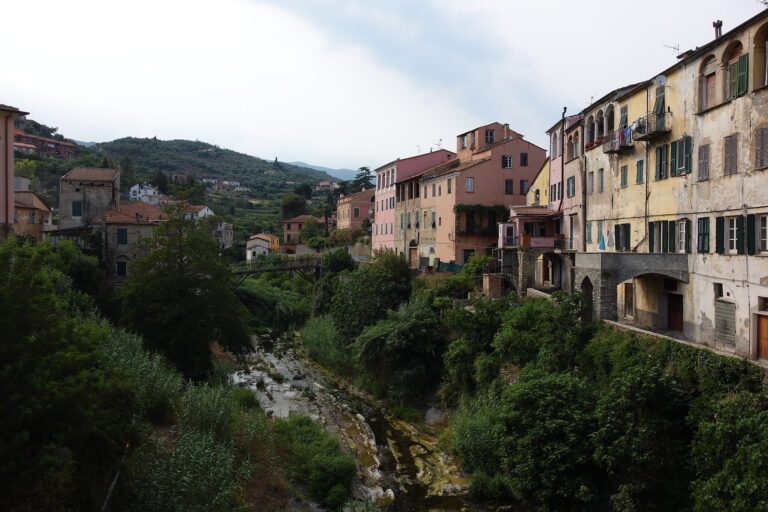
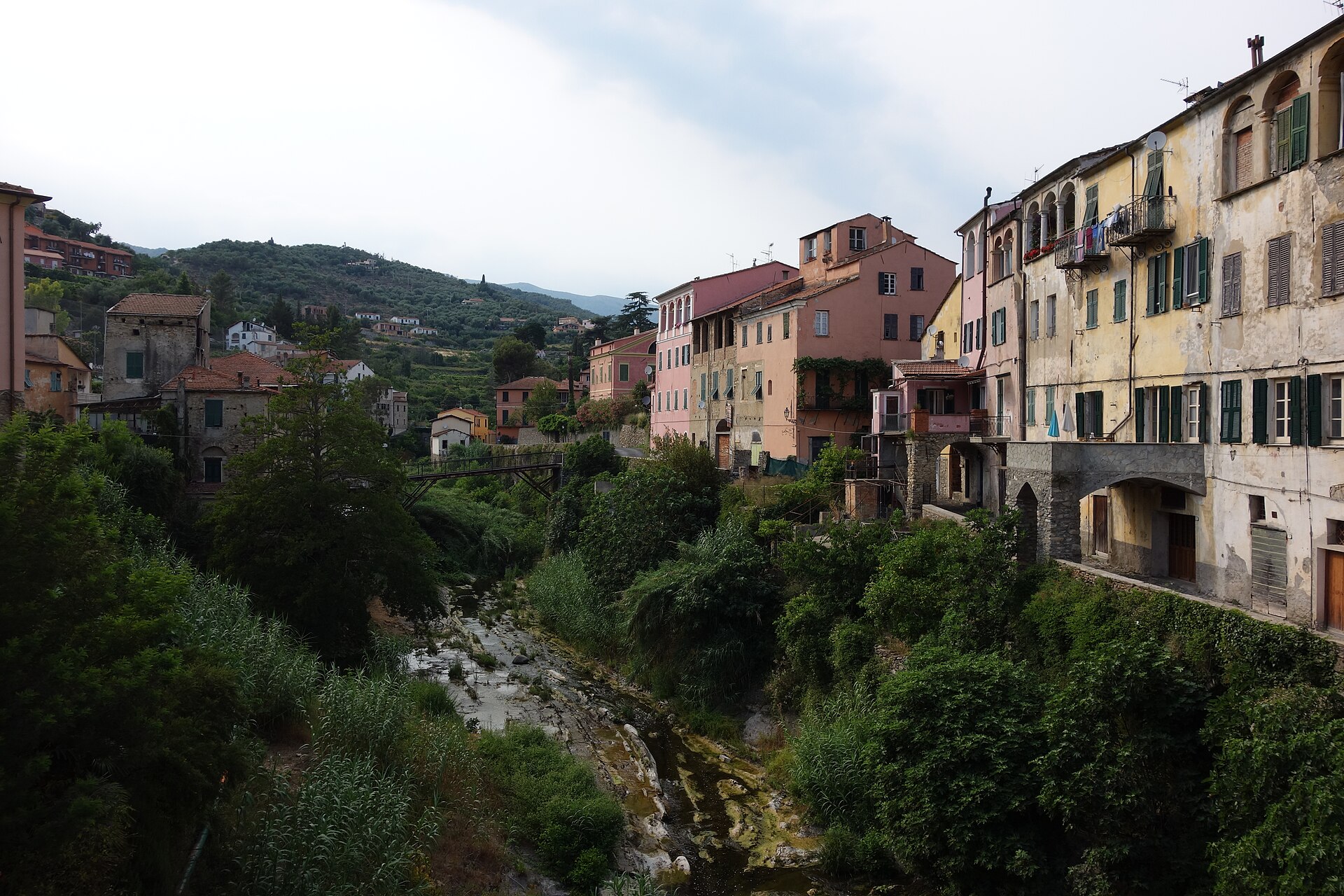
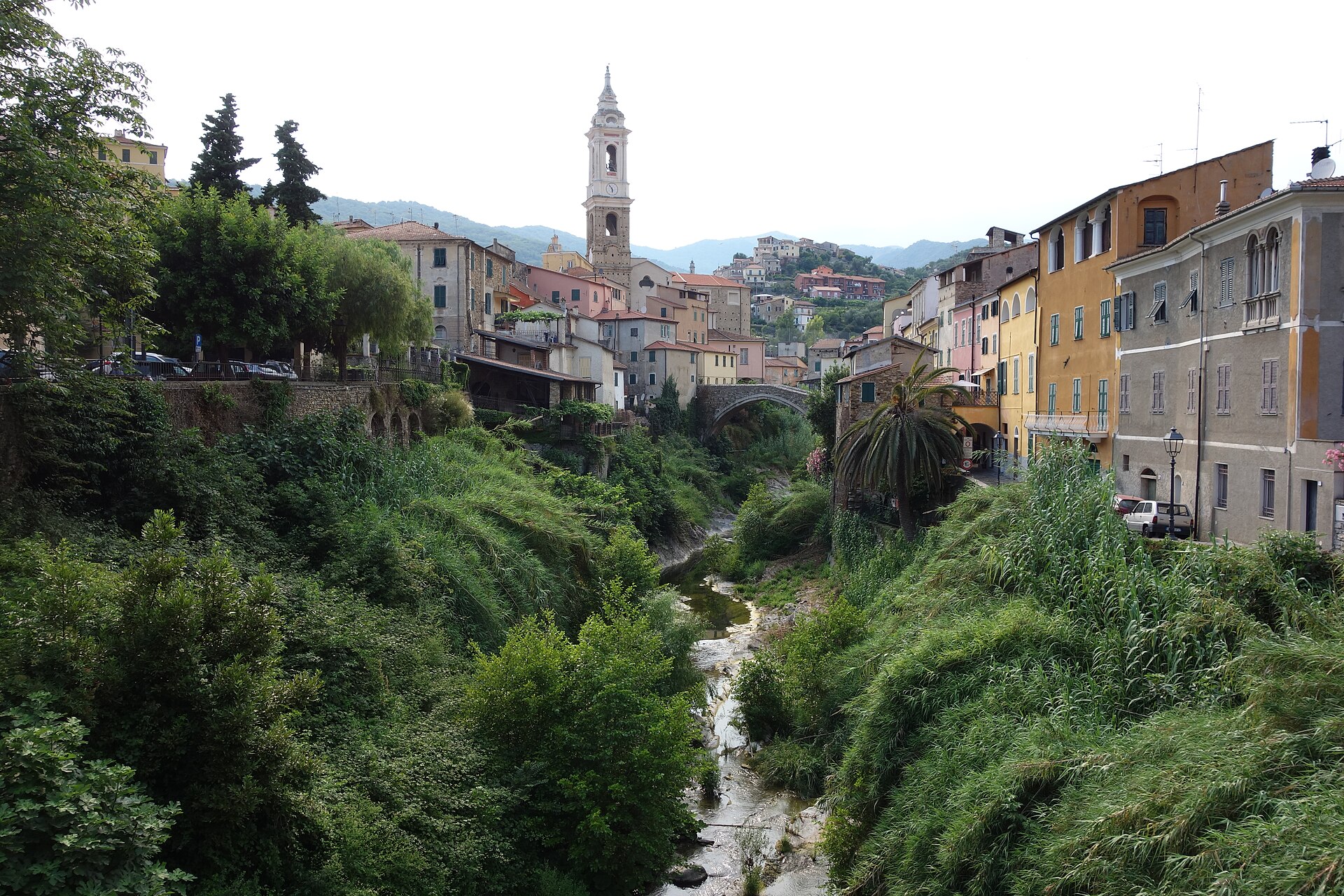
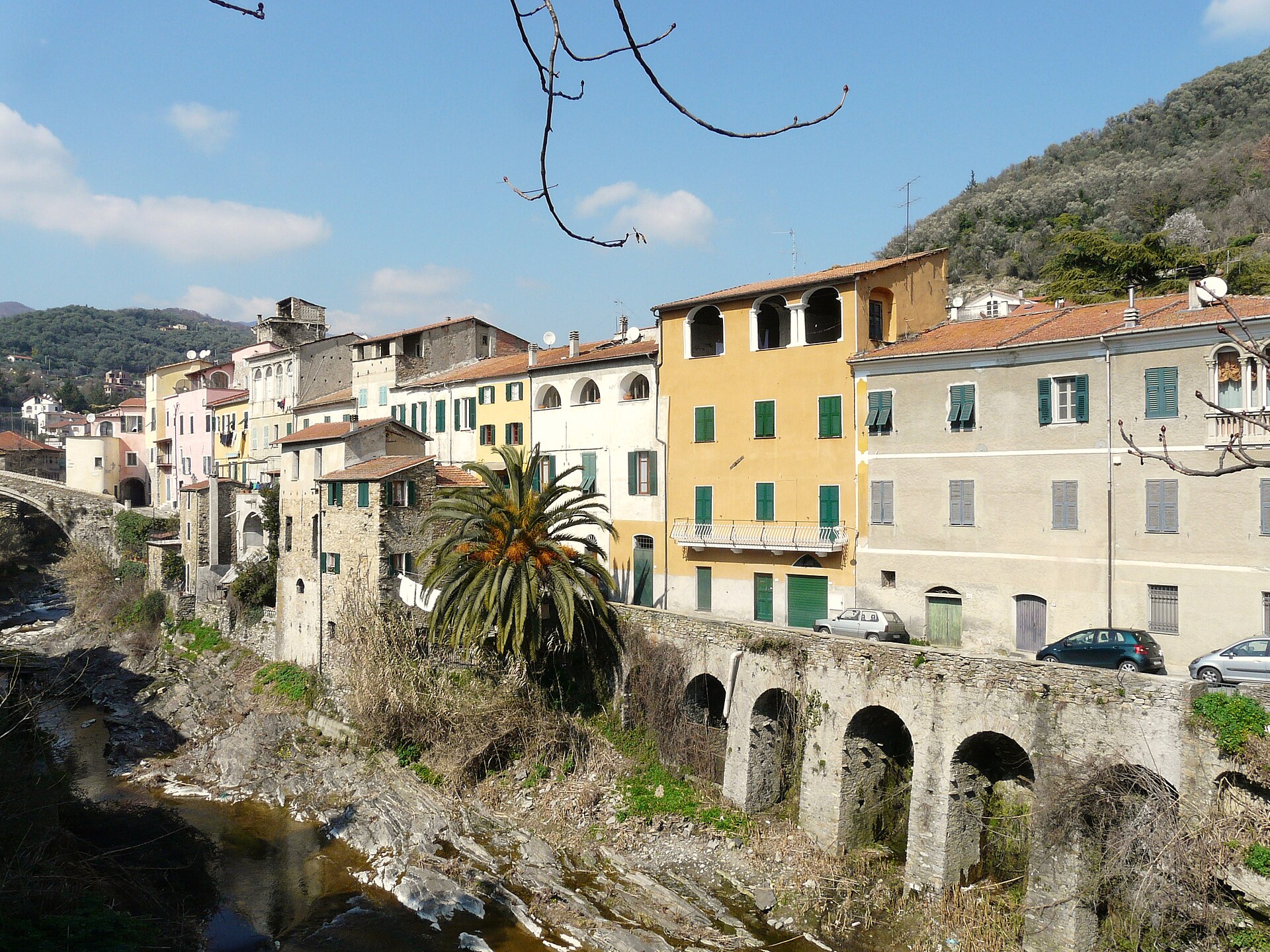
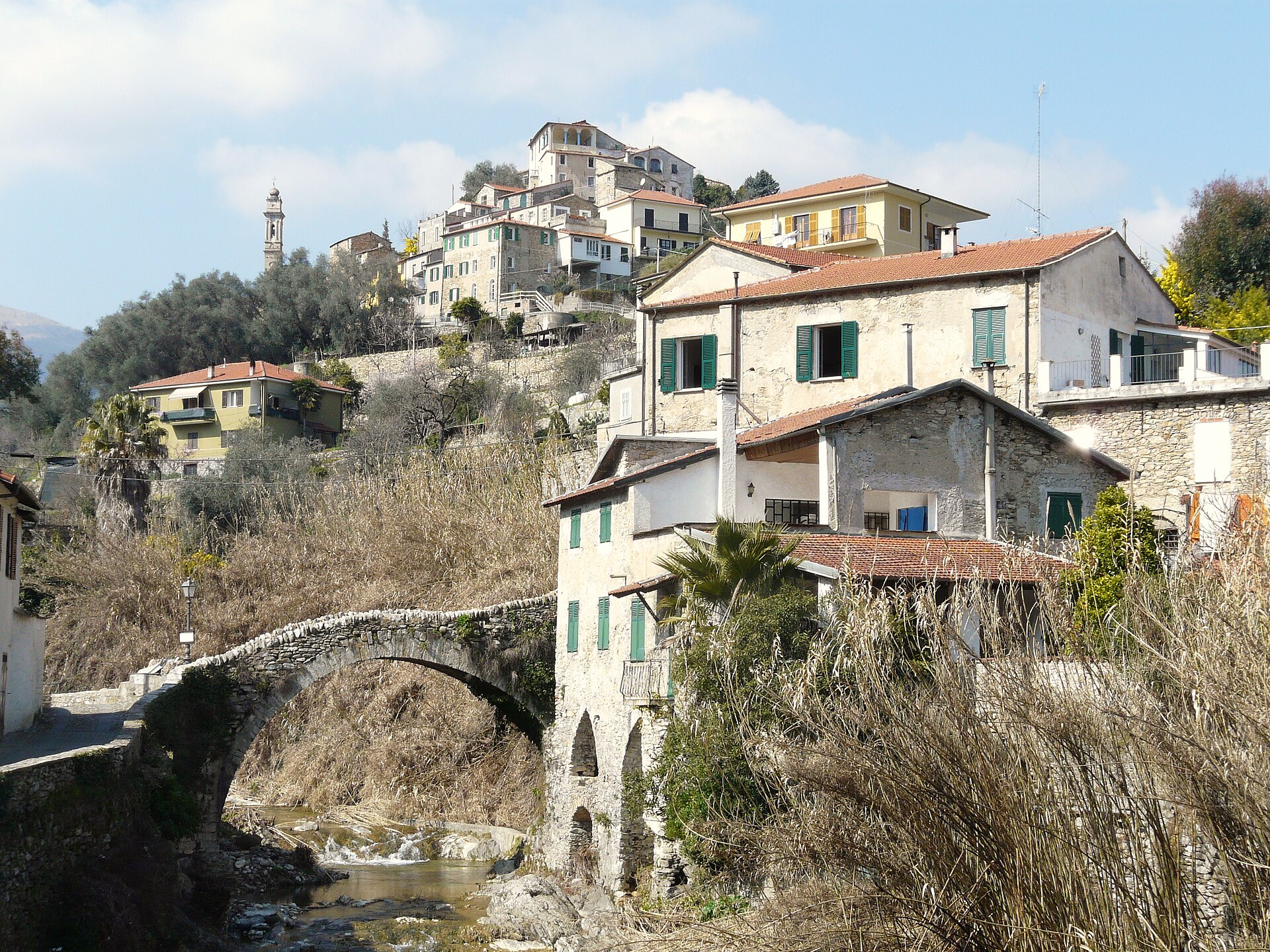
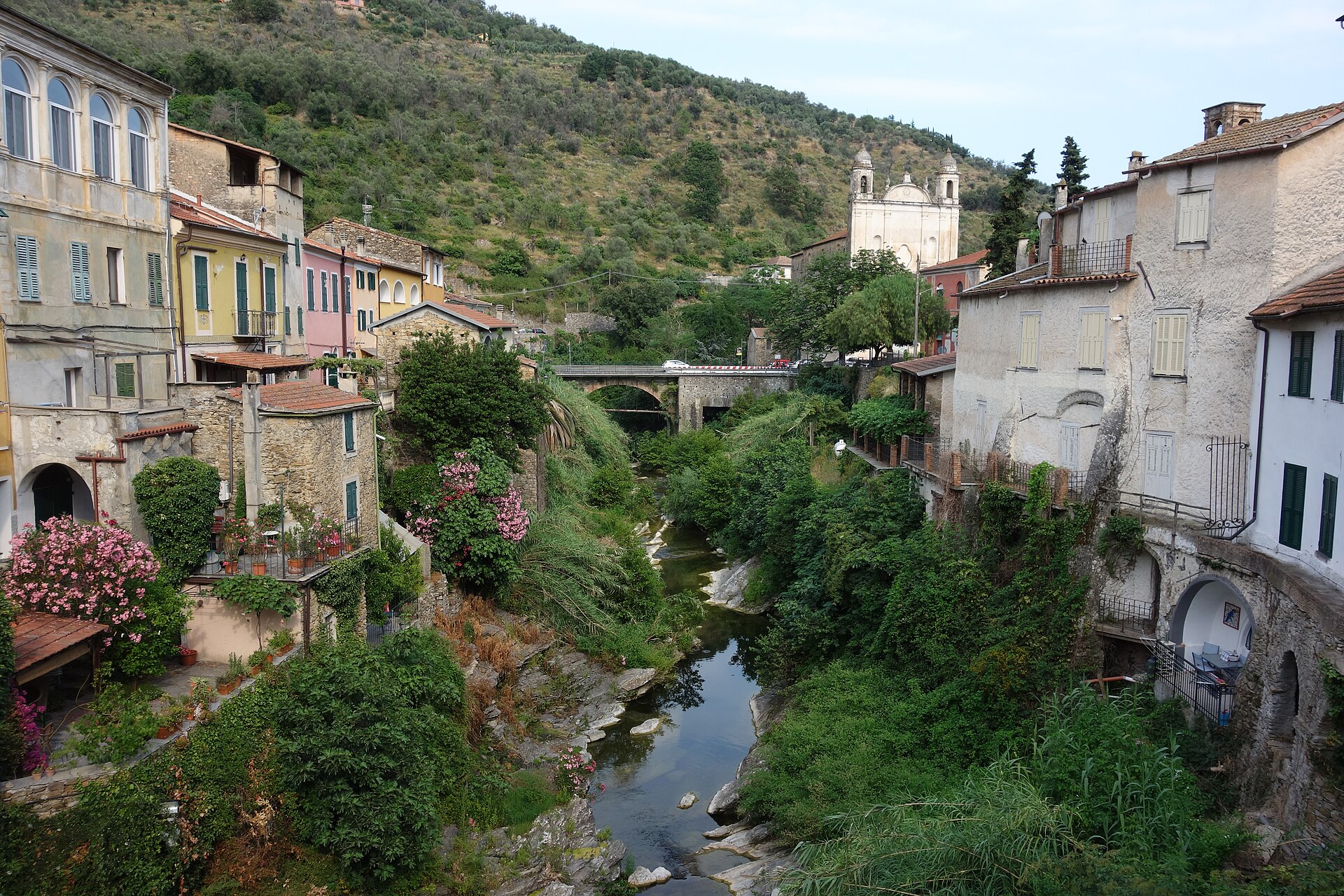
Il torrente Prino e le case di Dolcedo

Dolcedo

Village in the Prino Valley behind Imperia: medieval bridges, houses over the stream, water mills, mule tracks through olive groves and Bellissimi.

Il torrente Prino e le case di Dolcedo
Area
Riviera dei FioriRiviera di Ponente · Province of Imperia
Ideal for
Slow travelolive oil, walks among the olive trees, couples, an alternative to the beach
Beaches
None in the village: the sea is at Imperia and San Lorenzo al Mareabout 10 km away
Best time to go
April–June and September–NovemberJuly–August for the Lecchiore pools
By train
Railway: no station in Dolcedoget off at Imperia (Genoa–Ventimiglia line), then Riviera Trasporti bus 23 or 24
By car
A10, Imperia Ovest exit, then 7–10 km along the Prinofew spaces in the centre
Airport
Genoa (about 125 km), then train to Imperia and buscheck Nice
How long to stay
Half a day for the villagea full day with Lecchiore and Bellissimi

Welcome to Dolcedo

Dolcedo

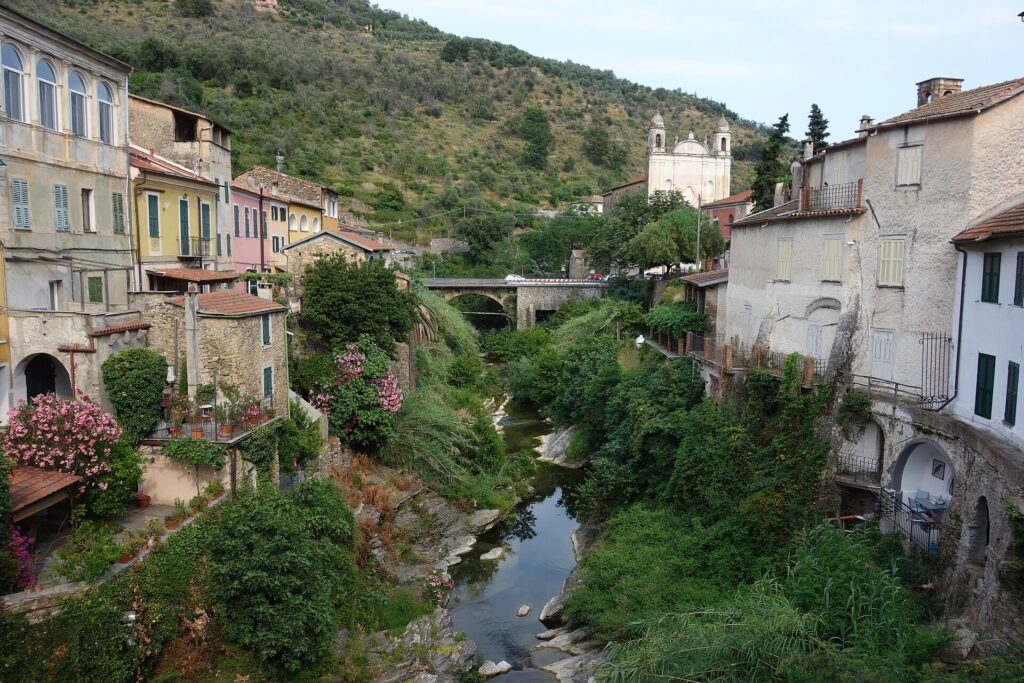
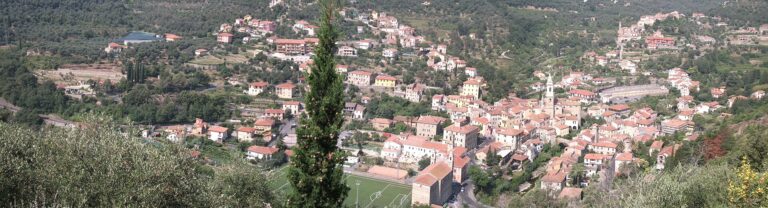
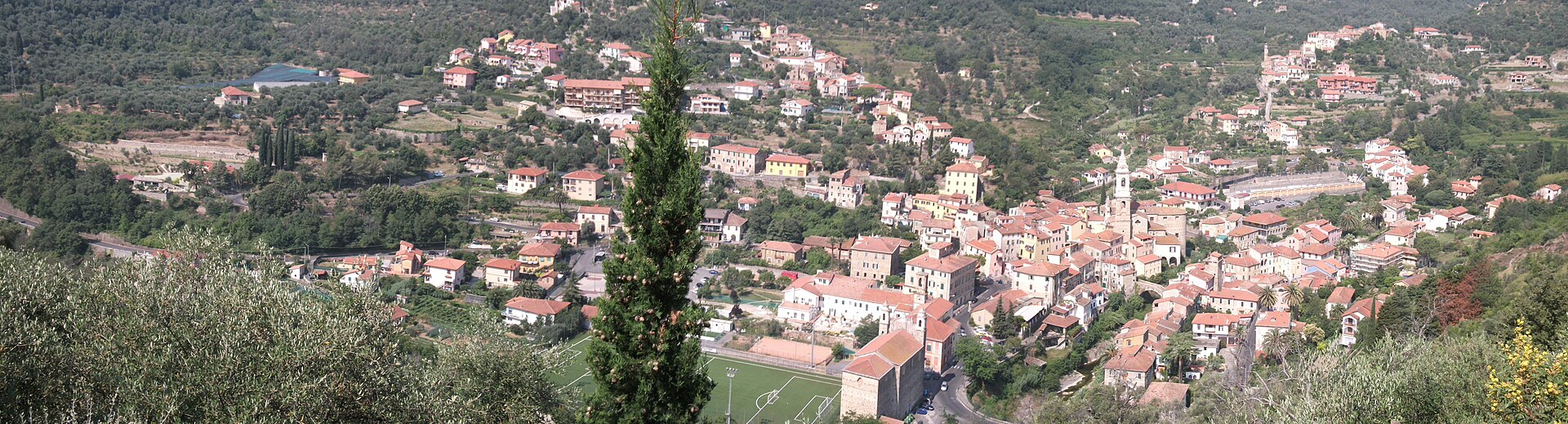
Dolcedo is a village of about 1,300 people in the Prino Valley, in the hills behind Imperia. The old centre sits at 75 metres above sea level, where the Prino stream meets the Rio dei Boschi: stone houses rise straight from the water and medieval bridges link the two banks. Terraced olive groves cover about 31% of the municipality, roughly 615 hectares.

For centuries olive oil was everyone’s work here. In the 14th century the valley was nicknamed the «golden basin» because of the wealth oil brought, and more than a hundred mills and presses once worked along the Prino and the Rio dei Boschi, driven by water. Many are now houses or storerooms, but the wheels, channels and bridges can still be read in the landscape. To see how Taggiasca oil was made, read our guide to olive oil and mills in Dolcedo.

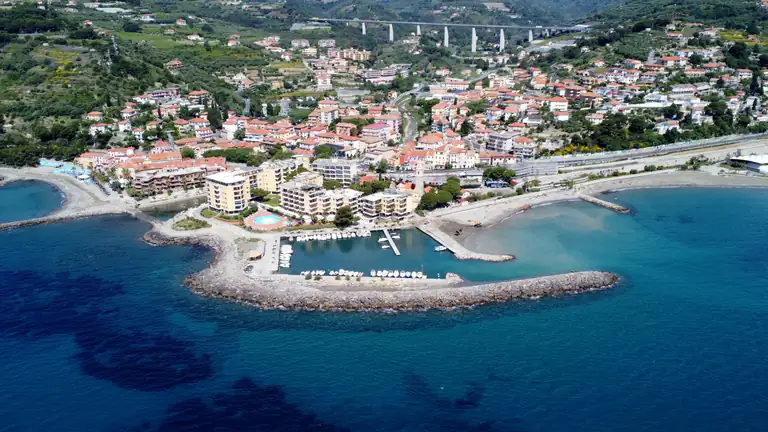
Dolcedo suits half a day or a full day, not a beach holiday: the nearest sea is at Imperia and San Lorenzo al Mare, about ten kilometres away. Come to walk between the bridges, follow the mule tracks through the olive trees, have lunch in an old mill and visit the hamlets of Bellissimi and Lecchiore.

Where is Dolcedo?

Dolcedo is in Liguria (Riviera di Ponente, Riviera dei Fiori, province of Imperia).

Map: where Dolcedo is in LiguriaPIEDMONTLOMBARDYEMILIA-ROMAGNATUSCANYFRANCERIVIERA DI PONENTERIVIERA DI LEVANTELIGURIAN SEASavonaImperiaSanremoLa SpeziaDolcedo
Boundaries: ISTAT, Natural Earth · Interactive map →

What to see

What to see in Dolcedo

Il torrente Prino e le case di Dolcedo

The old centre, called Piazza, takes under an hour on foot. Everything important is close together: the bridge over the Prino, the square with the loggia, the church of San Tommaso, the houses over the water. The other sights are in the hamlets, reached by car or on foot.

Il ponte medievale di Dolcedo

Ponte Grande, the Knights of Malta bridge

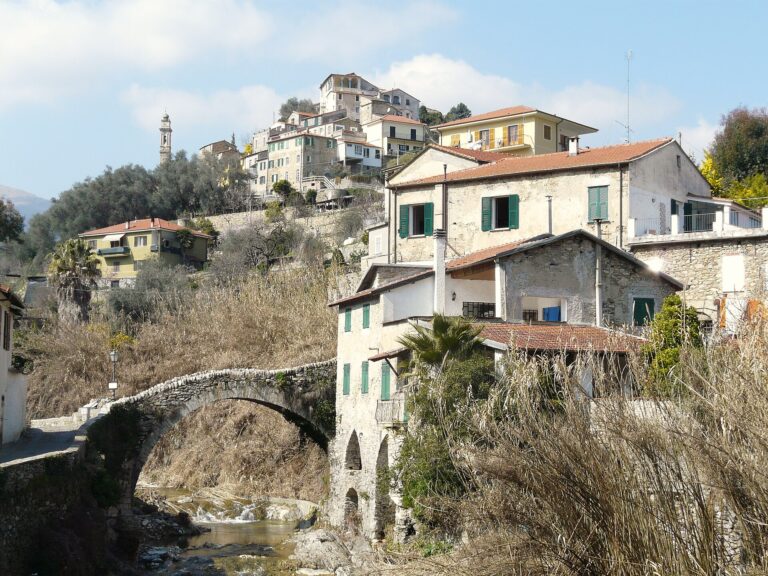
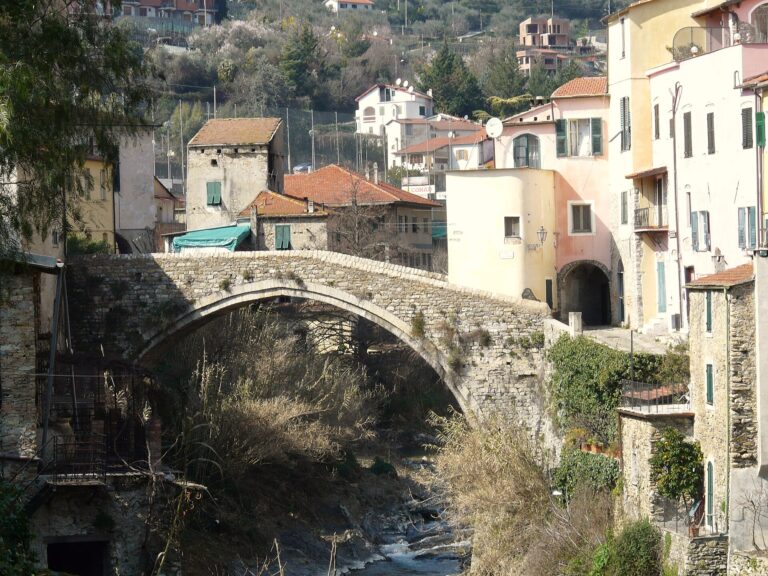
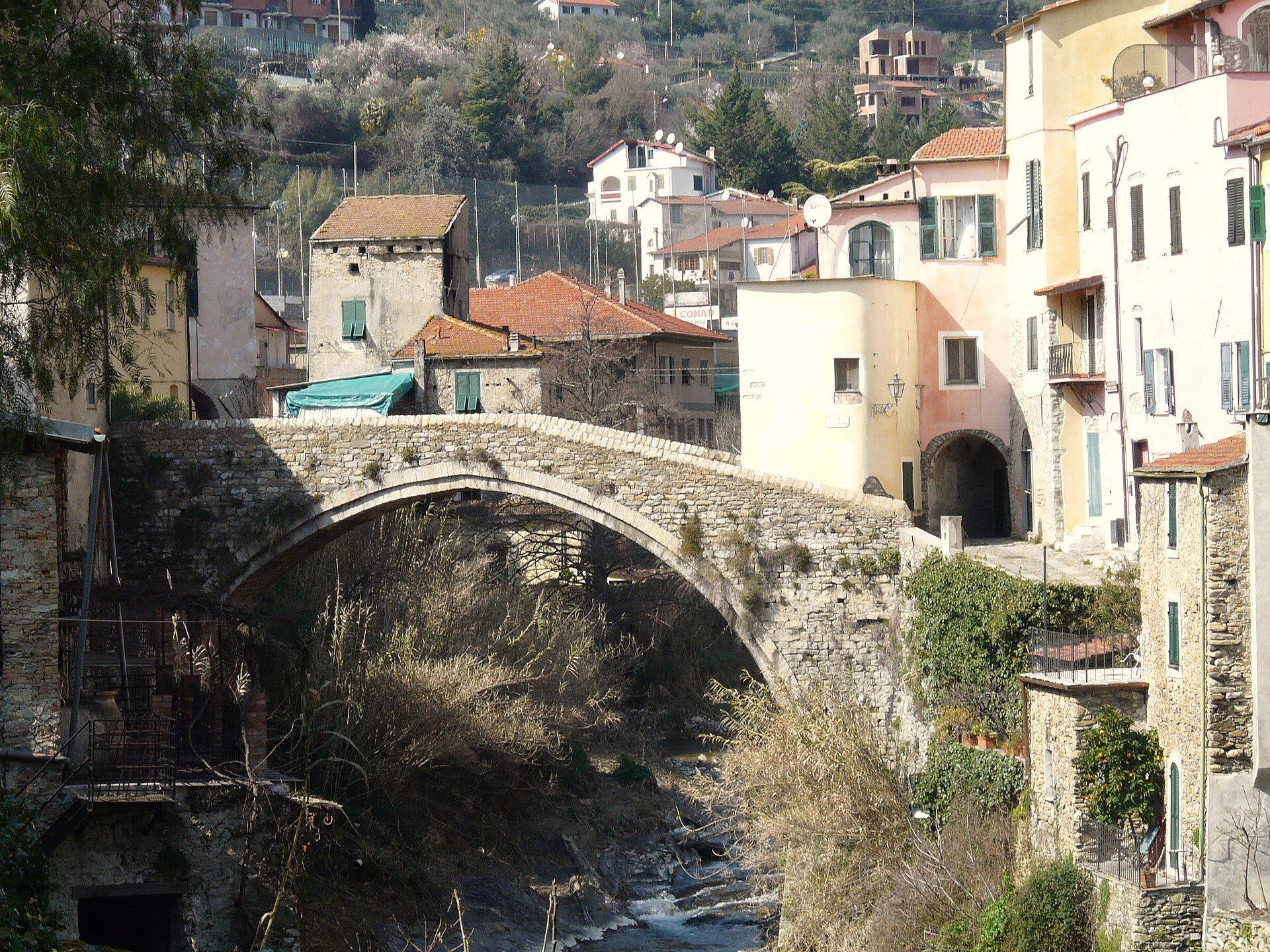
This is the symbol of the village: a single pointed stone arch over the Prino, linking the upper and lower parts of the settlement. For centuries farm produce, oil included, crossed it. Tradition credits the Knights of Malta and the parapet carries the date 1292, but sources disagree on the exact year, so «late 13th century» is the safe way to put it. Stand on the bridge to look at the water and the houses, then go down to the stream for the view from below.

Il centro di Dolcedo di notte

Piazza Doria and the Loggia

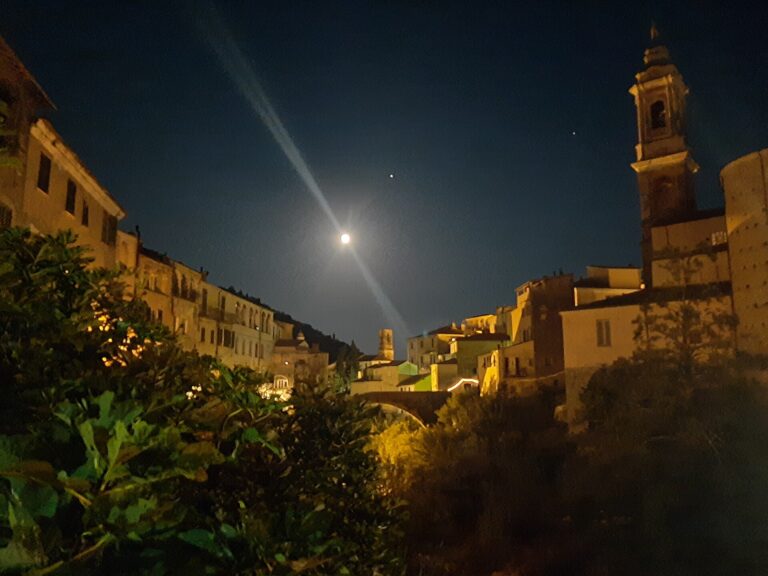
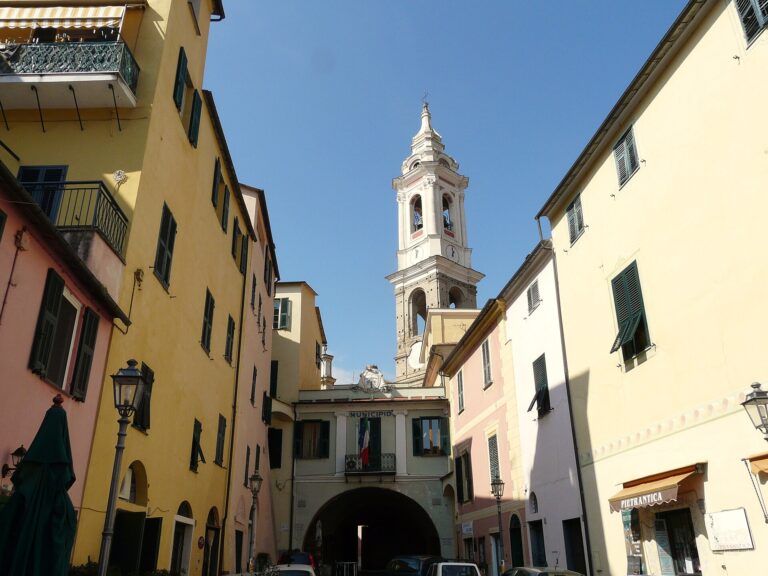
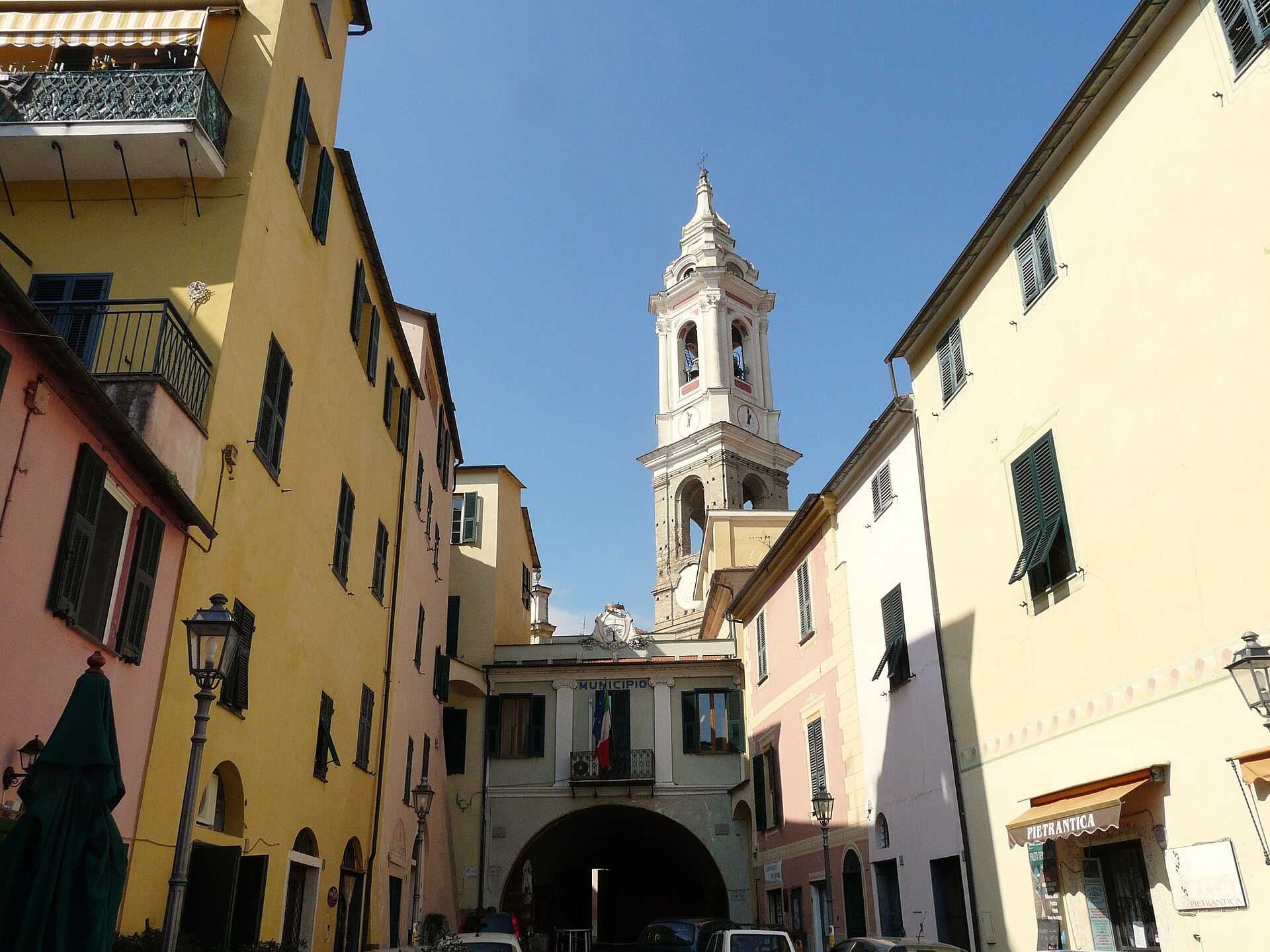
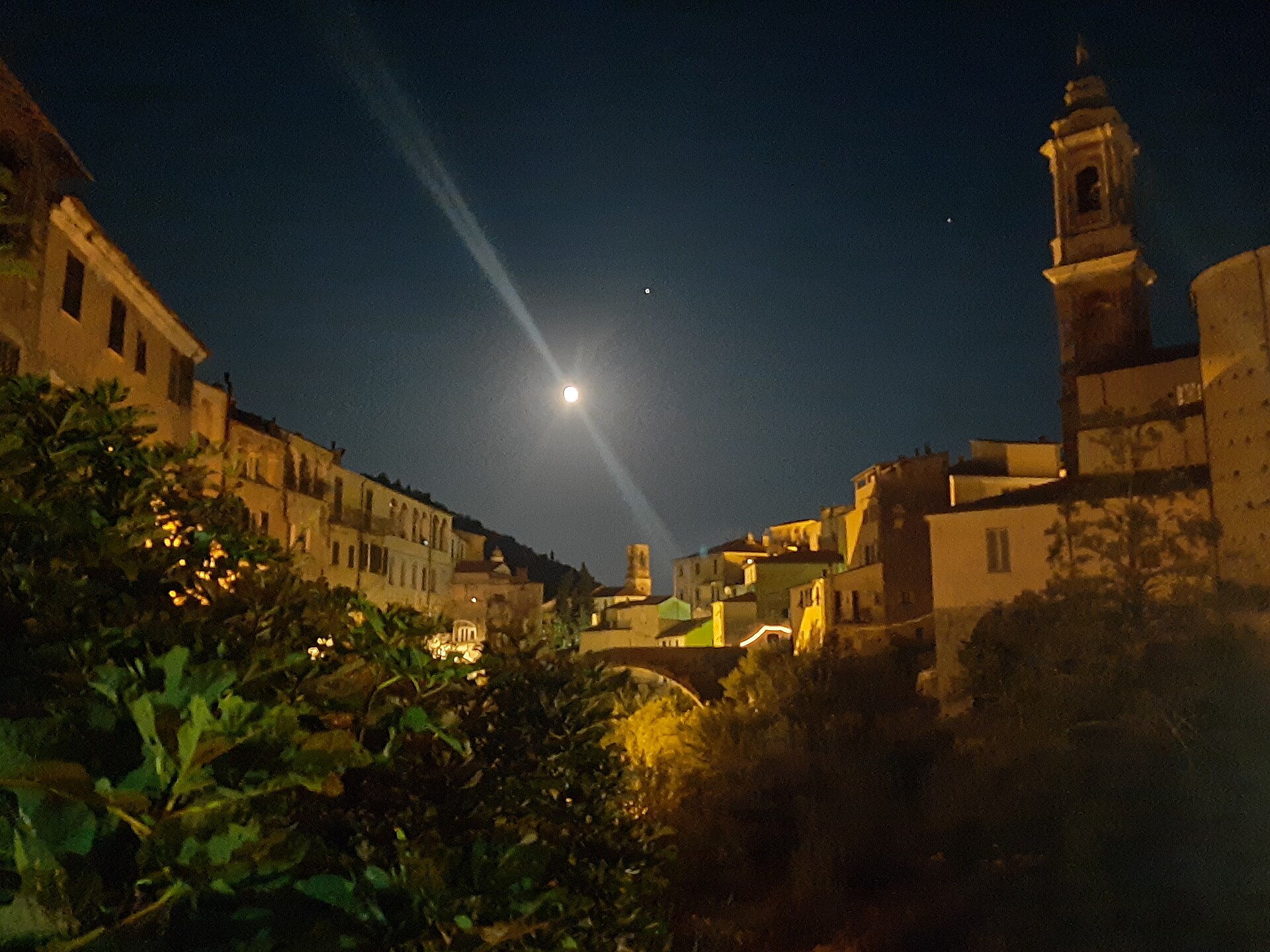
The civic heart of Dolcedo is Piazza Doria, where the town hall stands. The loggia was built in the 17th century, after 1613, when Genoa granted administrative autonomy to the Terziere di San Tommaso. Under its arches look for the marble measures for oil and wine and the iron rods used to measure cloth: they show that the market was held here. The building was also the Monte di Pietà, from 1505 to 1863.

Il campanile di San Tommaso a Dolcedo

The church of San Tommaso Apostolo

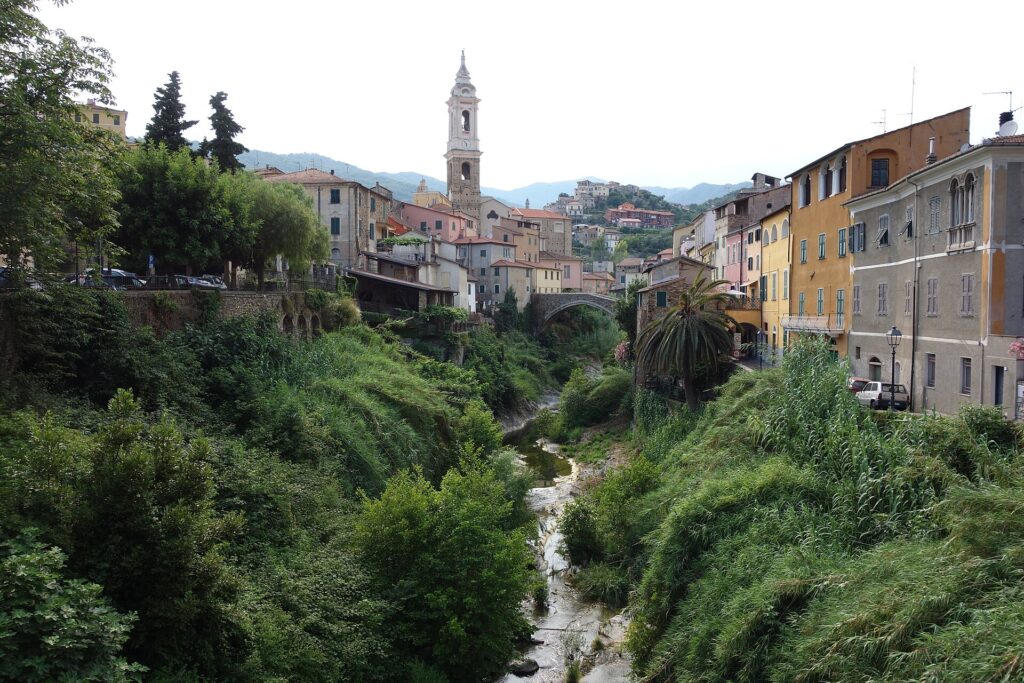
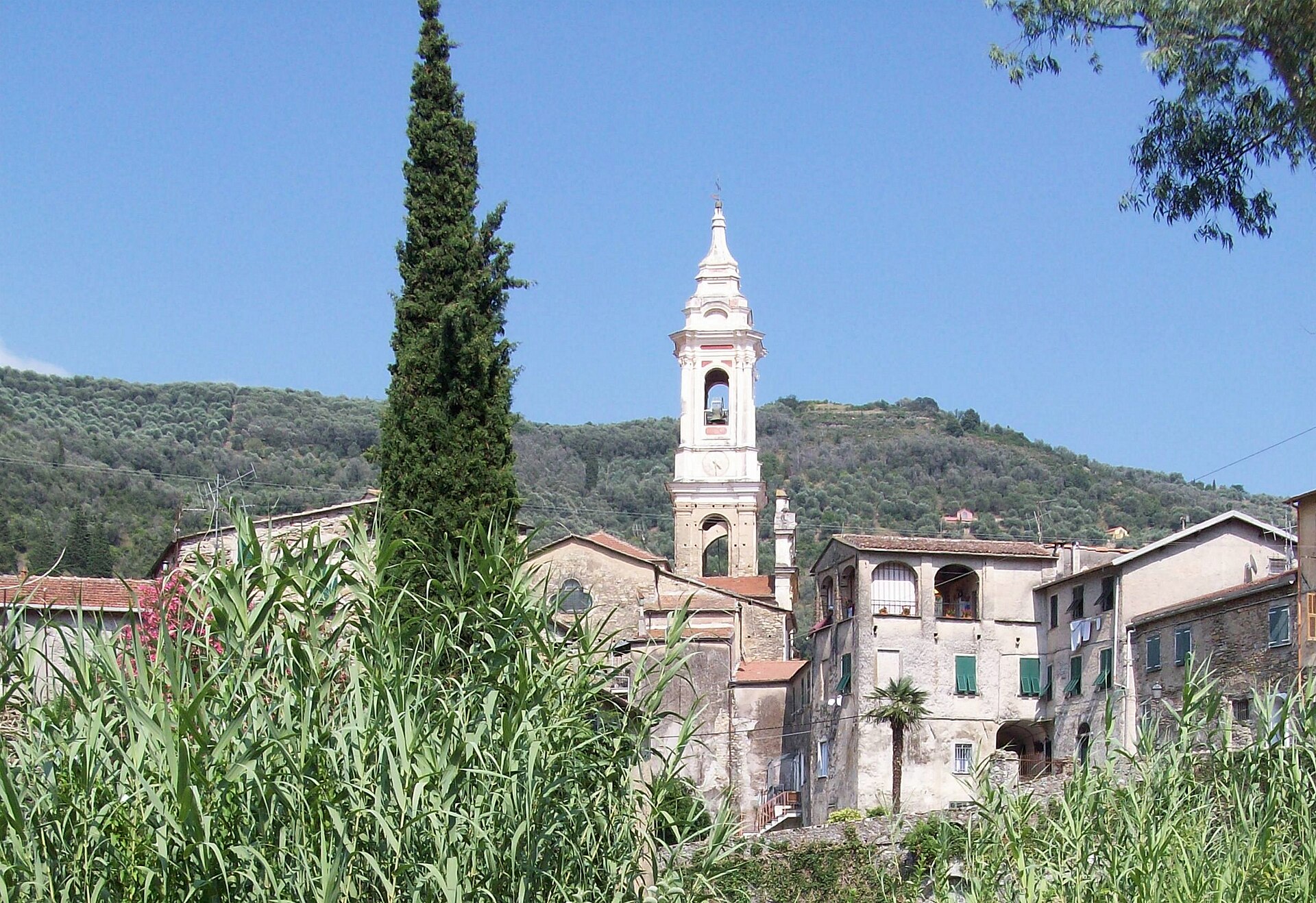
The parish church is Baroque, rebuilt between 1717 and 1738 to a design by the architect Marvaldi, who also worked on the Corallini church in Cervo. It has a Greek-cross plan, nine altars and Genoese-school paintings, among them the Martyrdom of St Peter by Gregorio De Ferrari. The portal is 15th-century black stone and the bell tower keeps a Romanesque base. The pebble-mosaic churchyard is worth a stop even if the church is closed: opening hours are not guaranteed, so ask in the village.

Dolcedo affacciata sul torrente

Houses on the water and the «casô»

Walk along the stream and look at the facades: many houses stand right on the Prino, with arches over channels and old mill entrances. In the village and the hamlets you will also see the «casô», stone houses with slate roofs typical of Dolcedo, and high loggias where mushrooms and figs were dried. A slow walk with a camera.

Il ponte di pietra di Dolcedo

The other bridges: Merea, Martelli and Ripalta

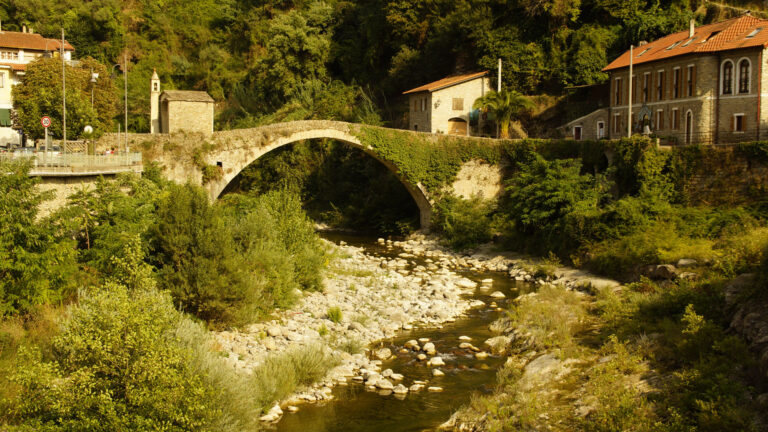
Besides the Ponte Grande, the valley has other stone bridges. The Ponte Merea dates from the early 19th century; the Ponte Martelli lies on the mule track towards it. Reports from 2016 described the Merea as closed because it was unsafe and the Martelli as overgrown, and there is no official confirmation of the current situation. Do not cross a fenced-off bridge: ask the Comune before you plan the walk. Another stone bridge is at Ripalta, over the Rio dei Boschi, near the wheels and channels of the old water-driven mills.

Oratories, chapels and smaller churches

The church of the Santissima Annunziata dates from 1290 and is considered the first parish of the valley. The 17th-century oratory of San Lorenzo, with its monumental facade, opens only on Palm Sunday and 10 August according to a single source: check before you go. At Castellazzo you find Santa Maria del Belvedere, possibly 12th century, Romanesque inside and Baroque outside, and Sant’Antonio Abate, from 1407. At Lecchiore stands the 17th-century sanctuary of Nostra Signora dell’Acquasanta.

The chapel of Santa Brigida

On provincial road 79, at 448 metres, the chapel of Santa Brigida was rebuilt in 1425 on the pass towards Pietrabruna and the Valle San Lorenzo. Legend says St Bridget passed here in 1340 on her way to Rome. It is also the starting point of several walks towards the Passo di Vena.

Dolcedo vista dall'alto

Bellissimi and its paper hot-air balloons

The hamlet of Bellissimi is known as «U paise di balui», the village of paper hot-air balloons. The tradition goes back to the 19th century, and murals on the houses now celebrate it. The launch usually takes place on the first Sunday of September, for the feast of the Madonna della Misericordia; the 2026 programme is not confirmed, so check with the Comune before planning a trip. Bellissimi is a FAI Luogo del Cuore.

Lecchiore and its pools

Lecchiore, about 3 km from Bellissimi, is a quiet hamlet with the Acquasanta sanctuary and a series of pools in the stream with a small waterfall. The water is cold even in summer. The pools are not equipped or supervised, the rocks are slippery and the stream is dangerous in flood: do not leave children alone, do not swim after rain, and ask the Comune whether any ban is in force. A loop from Dolcedo to the pools, according to Komoot, is about 5 km with 260 metres of climbing.

The pallapugno court

The municipal court «L.P. Gandolfo» hosts pallapugno, the hand-ball game typical of inland Liguria and Piedmont. The Comune’s calendar lists the 2026 Italian championship, but no match dates are confirmed: on match afternoons car parks fill up.

Il campanile e il borgo di Dolcedo dal torrente

Where to stay

Where to stay in Dolcedo

Dolcedo has few hotels: accommodation is mostly B&Bs, holiday homes and agriturismi. It is the right choice if you want calm, olive trees and a bell tower outside the window, with the sea about ten kilometres away.

  • Piazza, the centre: a few places in historic houses. For walking to dinner.
  • Bellissimi: houses and apartments, some with a seasonal pool, a few kilometres from the Lecchiore pools. You need a car.
  • Isolalunga and other hamlets: agriturismi and apartments among the olive trees, more space and silence; roads are narrow.
  • Imperia or San Lorenzo al Mare: if you want more choice, evening life and a beach, and visit Dolcedo for the day.

Getting there

How to get to Dolcedo

By car

Take the A10 motorway and leave at Imperia Ovest, then follow the signs for Dolcedo along the Prino. It is about 7–10 km from Imperia and 15–20 minutes by car. The last stretches are narrow.

By train

Dolcedo has no station. Get off at Imperia, on the Genoa–Ventimiglia line, and continue by bus. Train times are on Trenitalia.

By bus

Riviera Trasporti runs two lines from Imperia: line 23 to Dolcedo and Lecchiore, and line 24 to Dolcedo, Prelà and Villatalla. Timetables and frequency change through the year and are not confirmed here: check the Riviera Trasporti website before you go.

By plane

The nearest airport with scheduled flights is Genoa Cristoforo Colombo, about 125 km away. From the airport take the train to Imperia and then the bus. Nice is also an option on the French side: check the connections.

Parking

Spaces in the old centre are few: leave the car in the outer areas and walk in. On match days at the pallapugno court car parks fill up. If you lunch at Casa della Rocca there is parking nearby, at the mill; the Monte Faudo loop starts from Ripalta. For fees and spaces, ask the Comune.

By car

A10, Imperia Ovest exit, then 7–10 km along the Prino; few spaces in the centre

By train

Railway: no station in Dolcedo; get off at Imperia (Genoa–Ventimiglia line), then Riviera Trasporti bus 23 or 24

By plane

Genoa (about 125 km), then train to Imperia and bus; check Nice

The guide

Olive oil and mills in Dolcedo

The Taggiasca olive dominates this valley, and the story of oil here starts early: in 1103 the church of San Tommaso was entrusted to the Benedictines of Lérins, who spread olive growing. The marble measures under the loggia recall how much the product mattered to the local economy.

There is no official list of mills open to visitors, with opening hours. Many old mills are private property and can be seen from public spaces: the remains of wheels and channels are best seen near the Ripalta bridge. Some producers sell oil directly and sometimes offer visits or tastings, usually by booking: contact the producer first. For a proper olive oil museum the safest choice is the Museo dell’Olivo in Imperia. The full story, with the supply chain and the mill walk, is in our guide to olive oil and mills.

What to eat in Dolcedo

Local food is Ligurian inland cooking: vegetable and herb pies, focaccia with extra virgin oil, stuffed vegetables, fresh pasta and ravioli, Ligurian rabbit, stockfish and recipes with borage. No dish is strictly «from Dolcedo»: what counts is the oil, and you taste it on everything.

Two restaurants in the Michelin Guide share a feature: they are in old mills. Equilibrio, in the Martin district, occupies a restored old mill on the Prino; the chef is Jacopo Chieppa, formerly at Mirazur in Menton. Casa della Rocca, on via Ripalta, is in an early 20th-century mill that still has its press and millstone, serving Ligurian land and sea cooking. Book directly with the restaurant, as opening days change through the year. In the old centre a market of organic food, antiques and crafts is usually held on the second Sunday of the month: check the date.

Walks and hikes

Dolcedo is on the Via Marenca and has restored, waymarked mule tracks for walking and mountain biking between terraces and olive trees. A few ideas, to check against an up-to-date map:

  • Sentiero dei Ponti: starts near Santa Brigida and touches the valley’s bridges. Part is on tarmac; the information dates from 2016, so ask the Comune which sections are open.
  • Santa Brigida – Passo di Vena loop: a dirt road up to the Passo di Vena (969 m), then back by mule track through the olive trees.
  • Monte Faudo (1,149 m): from Ripalta via Lecchiore and the Passo di Vena. Half a day or more, with a lot of climbing. At the summit there are a cross, a chapel and radio masts.
  • Dolcedo – Lecchiore pools: a loop of about 5 km with 260 metres of climbing, a couple of hours for most people.

In summer check local orders: in July 2026 the Comune declared a state of serious wildfire danger, with possible bans on entering woods. Carry water, wear walking shoes and do not underestimate the heat on exposed mule tracks.

Events in Dolcedo

  • First Sunday of September: paper hot-air balloon launch at Bellissimi, for the feast of the Madonna della Misericordia (check the year’s programme).
  • 21 December: feast of the patron saint, St Thomas the Apostle.
  • Early November: Olioliva, the new-oil festival, is held in Imperia, not in Dolcedo. A good chance to taste local oils.

Day trips from Dolcedo

Dolcedo is a good base for the hinterland and the Imperia coast. Distances are as the crow flies; driving times depend on the roads, so check a map.

  • Imperia: the closest, a few kilometres away. Porto Maurizio, Oneglia, the Museo dell’Olivo and the railway station.
  • San Lorenzo al Mare: about 8 km, the nearest sea for a swim.
  • Cervo: a seaside village with the Corallini church, about 10 km.
  • Diano Marina: a long beach and promenade, about 10 km.
  • Arma di Taggia and Sanremo: towards the west, about 15 and 20 km away.
  • Triora: the village of the witches, about 30 km as the crow flies but a long road.
Weather

Weather and best time to visit Dolcedo

April–June and September–November; July–August for the Lecchiore pools

☀️
20°CNow · wind 23 km/h
  1. Thu 15⛅20° 17° 
  2. Fri 16☁️22° 15° 
  3. Sat 17🌦️21° 15°1 mm
  4. Sun 18🌧️19° 15°14 mm
  5. Mon 19🌧️21° 15°1 mm
  6. Tue 20☀️21° 17° 

Forecast: MET Norway (Yr), CC BY 4.0 licence. Updated hourly.

Dolcedo weather: 10-day forecast and climate →

Weather across Liguria →

MonthJanFebMarAprMayJunJulAugSepOctNovDec
SeaOff seasonOff seasonOff seasonOff seasonPossiblePossiblePossiblePossiblePossibleOff seasonOff seasonOff season
Sightseeing and hikingOff seasonOff seasonPossibleGoodIdealIdealGoodGoodIdealIdealGoodPossible
CrowdsQuietQuietFew peopleFew peopleFew peopleFew peopleBusyVery busyFew peopleFew peopleQuietQuiet
Don't missPaper hot-air balloon launch at BellissimiFeast of St Thomas

IdealGoodPossibleOff season

Crowds:QuietFew peopleBusyVery busy

Gallery

Photos of Dolcedo

FAQ

Frequently asked questions about Dolcedo

What can I see in Dolcedo in half a day?

The Ponte Grande, Piazza Doria with the loggia, the church of San Tommaso and the houses over the stream. With more time add Ripalta for the remains of the mills and lunch in one of the old mills.

Does Dolcedo have a beach?

No. The nearest sea is at Imperia and San Lorenzo al Mare, about 10 km away. Near the village are the Lecchiore pools, which are not equipped or supervised.

How do I get to Dolcedo without a car?

Take the train to Imperia, then bus line 23 or 24 from Riviera Trasporti. Check timetables on the company website.

When was the Ponte Grande built?

In the late 13th century: the parapet carries the date 1292, but sources do not all agree. Tradition mentions the Knights of Malta.

Can I cross the Ponte Merea?

We have no confirmation of its current state: in 2016 it was closed as unsafe. Do not cross barriers and ask the Comune before walking the bridges route.

Can I visit the olive mills in Dolcedo?

There is no official list with opening hours. Some producers offer visits or tastings by booking: contact them first. For a real museum go to the Museo dell’Olivo in Imperia.

Where can I eat in Dolcedo?

Equilibrio and Casa della Rocca, both in the Michelin Guide and both in old mills. Book directly.

Are the Lecchiore pools safe?

They are not equipped or supervised, the rocks are slippery and the stream is dangerous in flood. Avoid them after rain and ask the Comune about bans.

When are the Bellissimi balloons launched?

Usually on the first Sunday of September, for the feast of the Madonna della Misericordia. Check the year’s programme.

Is it better to stay in Dolcedo or Imperia?

Dolcedo for calm, olive trees and nature; Imperia for more choice, the station and the sea close by.

Nearby

What to see near Dolcedo

6 km as the crow flies

San Lorenzo al Mare

The smallest municipality in Liguria: a fishing village, Blue Flag 2026 beaches, a marina and a seafront cycle path between…

Discover →

6 km as the crow flies

Imperia

Porto Maurizio and Oneglia: the Parasio and Logge di Santa Chiara, San Maurizio, Villa Grock, the Olive Museum, Blue Flag…

Discover →

8 km as the crow flies

Badalucco

Stone village in the Argentina valley: two bridges, five gates, murals and ceramics, olive mills and stockfish. 10 km from…

Discover →

9 km as the crow flies

Diano Marina

3.5 km of fine Blue Flag 2026 sand with shallow water, a seafront promenade, a museum with a Roman wreck,…

Discover →
Photos: Michael Schmalenstroer (CC BY-SA 4.0) · Davide Papalini (CC BY-SA 3.0) · ElisaSit (CC BY-SA 4.0) · Davide Papalini (CC BY-SA 3.0) · Michael Schmalenstroer (CC BY-SA 4.0) · Davide Papalini (CC BY-SA 3.0) · Paul Wordingham (CC BY 2.0) · Michael Schmalenstroer (CC BY-SA 4.0) · Davide Papalini (CC BY-SA 3.0) · Jürgen Kehrberger (CC BY-SA 3.0) — Wikimedia Commons
Scroll to Top