Brugnato is a village in the Val di Vara, in the province of La Spezia, 115 metres above sea level on the banks of the Vara river. It has about 1,300 residents (1,286 according to ISTAT, May 2026), a compact old town with two medieval gates, and a co-cathedral that grew out of an abbey founded by the monks of St Columbanus. It is not on the sea: it sits inland, about 25 km from La Spezia and not far from the Cinque Terre.
For centuries the village was the seat of a diocese. In 1133 Pope Innocent II made it a bishop’s see, and the Bishop’s Palace still houses the diocesan museum. Brugnato is one of the “Borghi più belli d’Italia” and holds the Touring Club’s Orange Flag, confirmed for 2024–2026. According to Wikipedia, the name probably comes from the local word “brigne”, plums, which also appear on the coat of arms.
You can see Brugnato in half a day. It is worth it for the co-cathedral with its archaeology, the museum, the stone lanes and, in June, the Corpus Christi flower carpet (Infiorata). It is not a place for beaches or nightlife: it is a slow stop if you are exploring the Val di Vara, or a quiet alternative to the busier towns on the coast. The full story of the abbey and cathedral is in our abbey and cathedral guide.
By Italian Riviera editorial team·Updated on ·10 min read
Where is Brugnato?
Brugnato is in Liguria (Riviera di Levante, province of SP).
The old town is small and takes an hour or two on foot, without long stops. The stops below follow a route that starts at the co-cathedral square and ends outside the walls.
Piazza Brosini and the old town
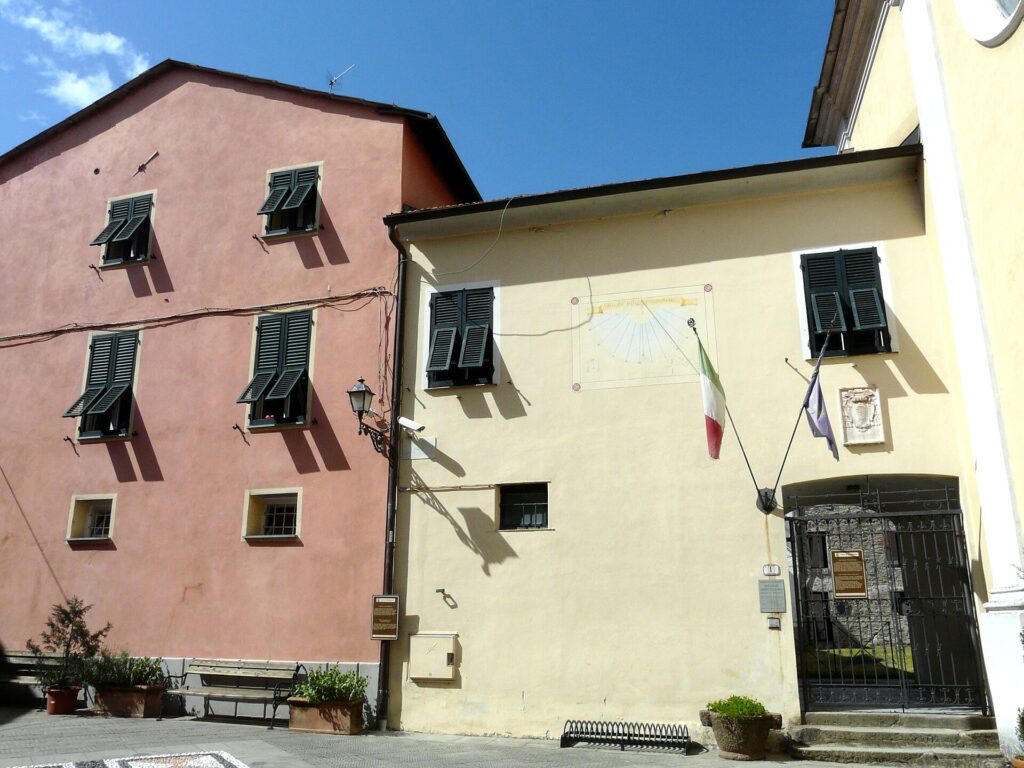
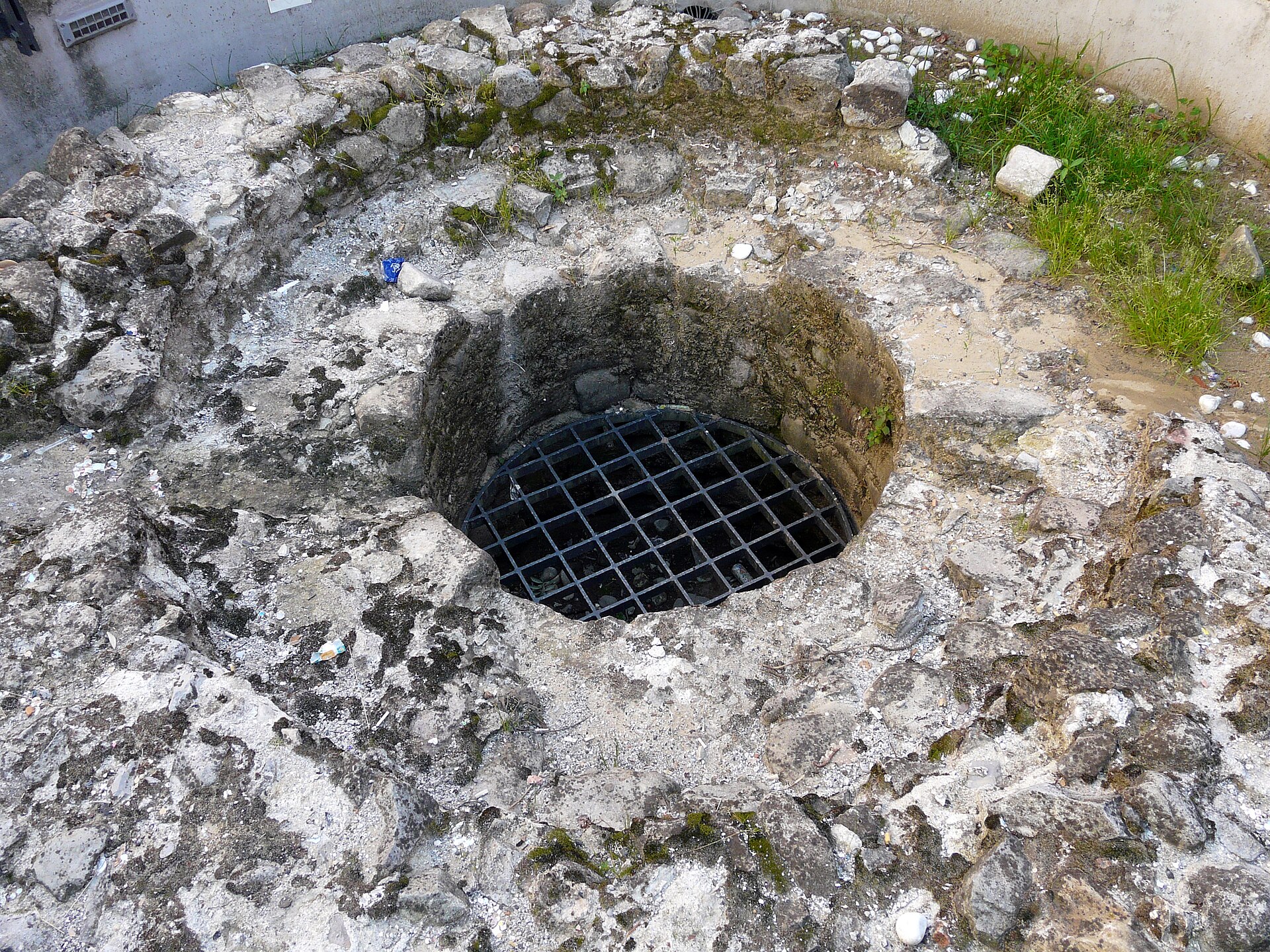
The heart of the village is Piazza Brosini, the square in front of the co-cathedral. There is an old well here, and the main buildings stand around the square. Some guides describe the layout of the village as a “pincer”: narrow paved lanes converge on the cathedral complex. Just walk around without a plan: the centre is tight, with stone houses, workshops and small squares.
The Sottana and Soprana gates
You enter the old town through two medieval gates, Porta Sottana and Porta Soprana. The arch of the Soprana frames the Baroque façade of the Oratory of San Bernardo, one of the most photographed views in the village. Along Via Borgo San Bernardo you will find old houses and corners whose light changes through the day.
The Co-Cathedral of Saints Peter, Lawrence and Columbanus
This is the main monument. The present church dates from the 11th–12th century, with two naves divided by stone columns and an apse with three narrow windows, and it has been altered several times. The interior is plain. Inside you can see a 15th-century fresco of St Columbanus giving a blessing, a “Presentation of Jesus in the Temple” uncovered in 1994, and a polyptych with scenes of the Passion. From 1133 until 1820 it was the cathedral of the Diocese of Brugnato; the diocese was then merged with Luni-Sarzana, and the church is today a “co-cathedral”. History, excavations and art are in the abbey and cathedral guide.
The remains of the abbey
Under and around the co-cathedral, archaeologists found the remains of the earliest church and of the monastery of the monks of St Columbanus, linked to Bobbio Abbey. The 1994 excavations uncovered perimeter walls, a terracotta floor and a baptismal font under the central nave. According to guides they can be seen from the floor of the church; we have no confirmed information on how and when, so ask on the spot or at the museum.
Bishop's Palace and Diocesan Museum
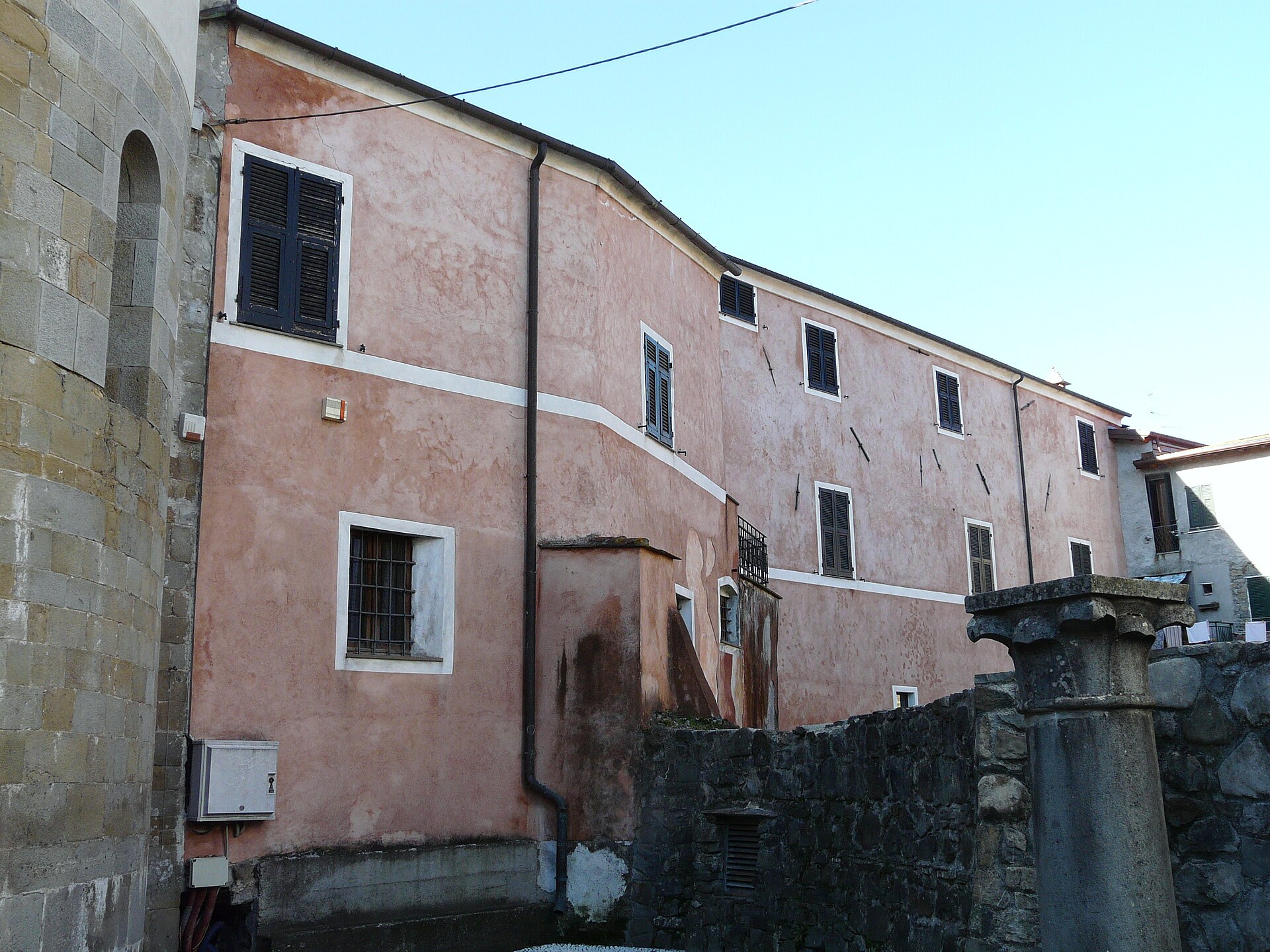
Next to the co-cathedral stands the Bishop’s Palace, the residence of the bishops of Brugnato, which now houses the museum. The ground floor has the archaeological section with the remains of the abbey, including a monumental arcosolium tomb; the upper floors hold paintings of the Genoese school, cathedral silver and liturgical vestments. The entrance is in Piazza San Pietro. The listing of the Italian Ministry of Culture gives weekend afternoon opening and a €3 ticket, but the page has not been updated recently: phone before you go.
Oratory of San Bernardo
The oratory has a Baroque façade and is the church of the confraternity: inside you will find a banner and processional crosses. The bronze portal is by Pietro Ravecca. The feast of St Bernard the Abbot is in mid-August: confirm the exact dates.
The bridge over the Vara
A little outside the centre a stone bridge crosses the Vara. It is probably of Roman origin, but it has been rebuilt several times after floods. Guides call it the “Roman bridge”: it is a good place to stop and see the river from below.
The Sanctuary of Nostra Signora dell'Ulivo
The sanctuary stands on a hill outside the centre. It holds a fresco of the Madonna and Child with Saints Peter and Lawrence. One guide mentions a pilgrimage on Easter Monday. Ask for directions in the village and find out how to get up.
The convent of San Francesco
Along the provincial road stands the former convent of San Francesco, completed in 1635 and held by the Passionist Fathers since 1843. You can recognise it by the cloister and the church. We have no opening times: see it from outside, or by arrangement with the community.
Bozzolo, the only hamlet
Bozzolo is Brugnato’s only hamlet, joined to the municipality in 1956. It has the parish church of Sant’Antonio Abate, rebuilt in the 18th century on a church of 1350. One guide suggests a walk of about 2 km from the centre: it is the right choice if you have an hour and want to see the village from above.
The Accola church, in Borghetto di Vara
The Brugnato municipality lists the Accola church among the sights, but it stands in the territory of neighbouring Borghetto di Vara. It is a small church, now the cemetery chapel, of possibly Carolingian origin, with the present building dating to around 1250 according to FAI. It is a stop for lovers of Romanesque churches; we have no opening times.
The mineralogical museum
Brugnato also has the “Ambrogio Del Caldo” Mineralogical Museum. We have no verified hours, address or prices: it is a stop for enthusiasts, to be confirmed with the municipality first.
Where to stay
Where to stay in Brugnato
In Brugnato you sleep in a few hotels, bed and breakfasts and holiday homes in the centre and nearby. We do not name places: the offer changes and we have no verified data. There are also farm stays in the hamlet of Bozzolo.
Old town: on foot from everything, quiet in the evening; if you arrive by car check first where to leave it.
Bozzolo and surroundings: countryside and more space, you need a car.
By the sea: for the beach and the Cinque Terre many prefer to sleep in Levanto or La Spezia and come up for the day.
Brugnato is a base for people who travel by car along the Val di Vara and towards the coast. If you want the sea on foot, choose a coastal town. Before you leave, check the Brugnato weather forecast.
A12, exit Brugnato-Borghetto di Vara; La Spezia about 25 km; parking at the edge of the centre ⚠️
By train
No station: train to La Spezia, then ATC bus (about 50 min, times to be checked) ⚠️
By plane
Pisa or Genoa, then train to La Spezia and bus or taxi ⚠️
By car
Take the A12 and leave at Brugnato-Borghetto di Vara. From the exit the village is close: provincial road 7 links Brugnato to SP 566 of the Val di Vara. La Spezia is about 25 km away (sources give from 24 to 27 km).
By train
There is no station at Brugnato. The reference is La Spezia, on the Genoa–Pisa line: from there you continue by bus.
By bus
A local guide mentions an ATC connection from La Spezia station, of about 50 minutes. We have no official timetable and services in the Val di Vara are few: check the ATC website or ask the municipality before you leave.
By air
The most convenient airports are Pisa and Genoa. From Pisa you reach La Spezia by train; from Genoa you can use the railway towards the east. From Nice it is far: the best way is the train to La Spezia.
Parking
The old town is small. Leave the car at the edge and continue on foot. We have no verified spaces or rates. For information: the municipality, Piazza Martiri 1, tel. 0187 894110 (switchboard read on the municipality website in October 2026), or the municipality website.
The best-known event is the Corpus Christi Infiorata. On the Sunday of Corpus Christi, usually between late May and June, residents cover the streets of the old town with petals, seeds and flowers: the carpet is almost a kilometre long and the designs change every year. Groups work from early morning, and in the evening a procession follows the carpet to the co-cathedral. Entry is free. Arrive early to see the designs being made, and check the date on the municipality’s website: it depends on the Easter calendar.
The municipality’s calendar also lists the Fiera di San Lazzaro, the Festa di San Pietro, the beer festival and the Fiera di Santa Lucia. Other events, such as the patron saint’s feast of San Pasquale or the celebrations of St Bernard the Abbot, are reported by unofficial sources: confirm dates with the municipality. For more on the area see our guide to the Riviera di Levante.
What to eat in Brugnato
The local sweet is the canestrello, a traditional Ligurian biscuit that guides cite as a speciality of the village. We have no verified addresses to buy it. Among the dishes guides mention are meat ravioli and savoury herb pies, typical of the mountain cooking of the Val di Vara. We do not name restaurants: we have no verified list, and review pages are unreliable. Ask in the village or at the municipality. For the region’s cooking in general see our guide to Ligurian cuisine.
Around Brugnato: Val di Vara and organic farming
The Val di Vara is Liguria’s “organic valley”: an organic district of farmers, municipalities and associations promotes organic crops and livestock, with many certified hectares. Brugnato is among the municipalities involved in the project “Strada del Biologico e dei Sapori della Val di Vara”, promoted by the Riviere di Liguria Chamber of Commerce. Participating farms open to the public on set days and times, with tastings and visits. We have no up-to-date list: to choose where to go, contact the farms or the Strada del Biologico directly. The district’s festival, the Valle Bio Festival, is held in Varese Ligure, not in Brugnato.
For walking, part of Brugnato’s territory lies in the Montemarcello-Magra-Vara Regional Natural Park: the routes follow the river and the hills, on roads and paths that call for hiking shoes. We have no verified routes with times and ascents to offer: for walking see our guide to hiking in Liguria and ask at the municipality. There are also farms and farm stays in the area: see our page on farm stays in Liguria.
Near the motorway toll booth there is also the Brugnato 5Terre Outlet Village, a shopping centre with many discount brand stores. Hours change with the season and are on the outlet’s own website. For many travellers it is the reason to leave the A12 at Brugnato, but the historic village is a few kilometres away and a different thing altogether.
Day trips from Brugnato
La Spezia: the provincial capital, about 25 km away, with the port, the Naval Museum and the starting point for trains to the Cinque Terre.
Levanto: a seaside town on the coast and one of the starting points for the Cinque Terre. We have no verified distances or times.
Panorama di Brugnato e del fondovalle del VaraPiazza Brosini, la piazza della concattedrale a BrugnatoLa facciata della concattedrale dei Santi Pietro, Lorenzo e Colombano a BrugnatoIl Palazzo Vescovile di Brugnato, sede del museo diocesanoI resti del ponte antico sul fiume Vara a BrugnatoUn arco del centro storico di Brugnato, con una facciata a rosone sullo sfondoVia Borgo San Bernardo nel centro storico di Brugnato
FAQ
Frequently asked questions about Brugnato
Is Brugnato on the sea?
No. It is inland, in the Val di Vara, about 25 km from La Spezia. The nearest sea is on the coast of the Riviera di Levante.
What can you see in Brugnato in half a day?
The co-cathedral, the diocesan museum, the medieval gates, the oratory of San Bernardo and the bridge over the Vara. Walk around the centre, then go up to the sanctuary or to Bozzolo.
Is Brugnato one of the most beautiful villages in Italy?
Yes, it belongs to the association. It also has the Touring Club Orange Flag, confirmed for 2024–2026.
Is Brugnato an organic village?
We found no official “organic village” title. Brugnato does lie in a valley that bets on organic farming, with the Val di Vara organic district and the Strada del Biologico.
When is the Brugnato Infiorata?
On the Sunday of Corpus Christi, between late May and June. The date changes every year: check it on the municipality website.
Is the diocesan museum open?
The ministry listing gives weekend afternoons, but it is out of date. Phone first: the hours are not confirmed.
Can you get to Brugnato by train?
There is no station. Take the train to La Spezia and then a bus; check the times.
How long do you need for Brugnato?
Half a day for the centre and museum; a full day if you add a walk, an organic farm or the outlet.
Where do you park in Brugnato?
At the edge of the old town. We have no verified rates and spaces: ask the municipality.
Can you combine Brugnato with the Cinque Terre?
Yes, it is a day trip from Brugnato to the coast, but it is best to start early: we have no verified journey times.