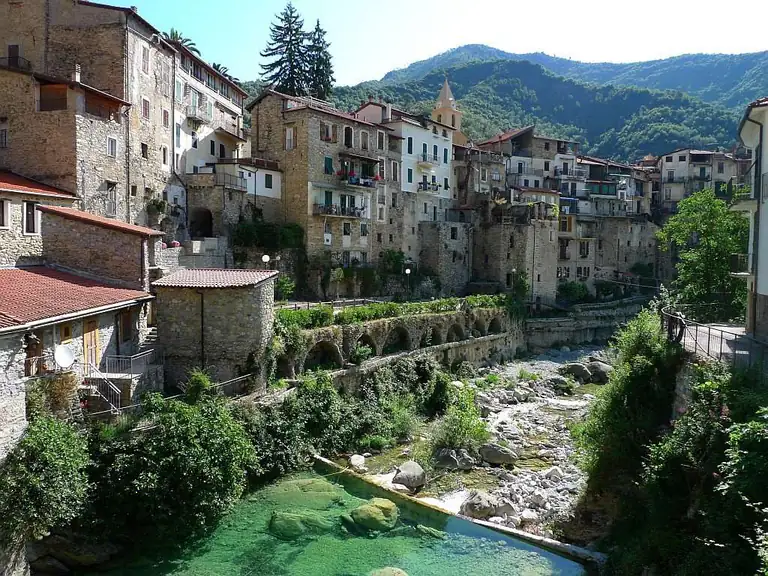
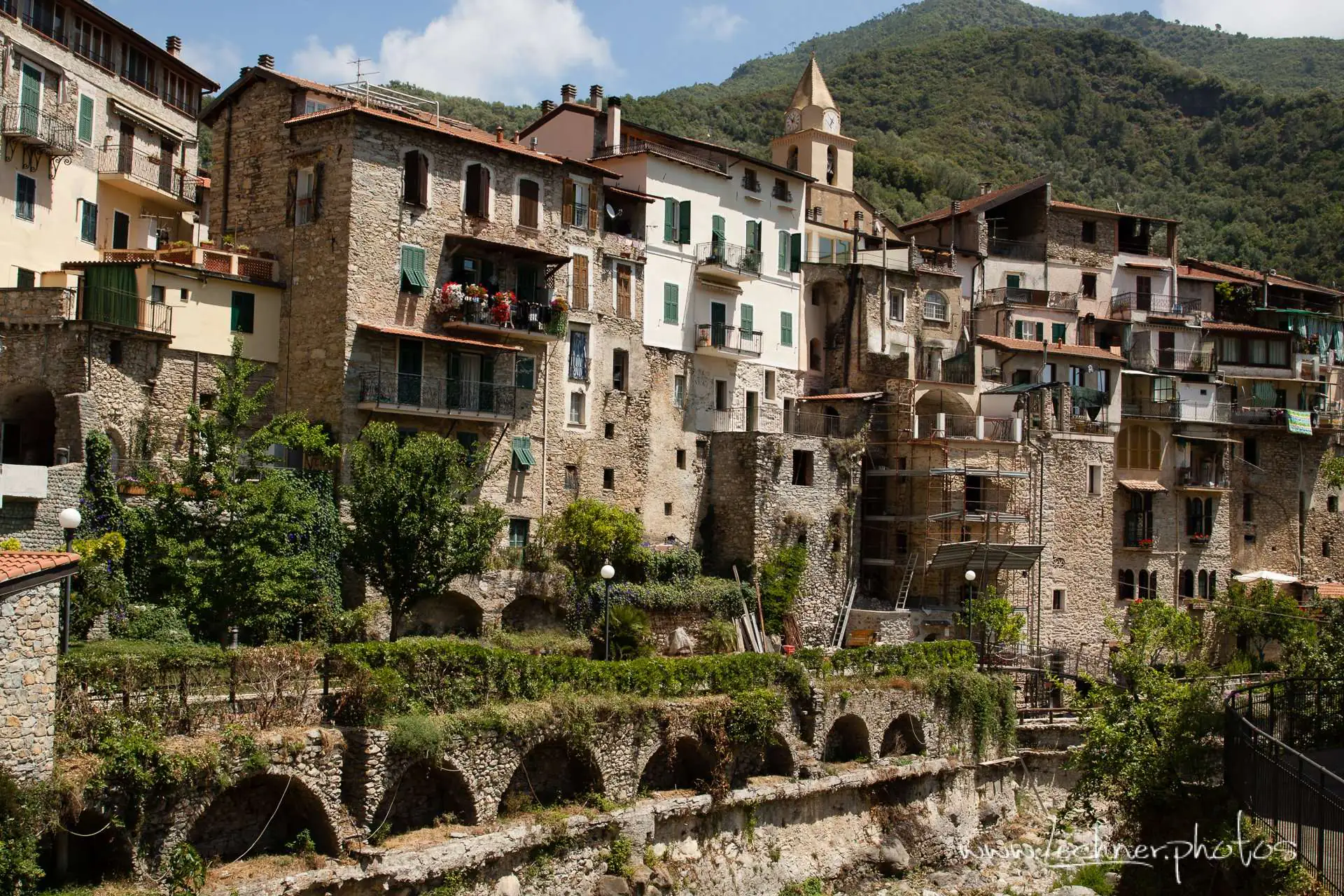
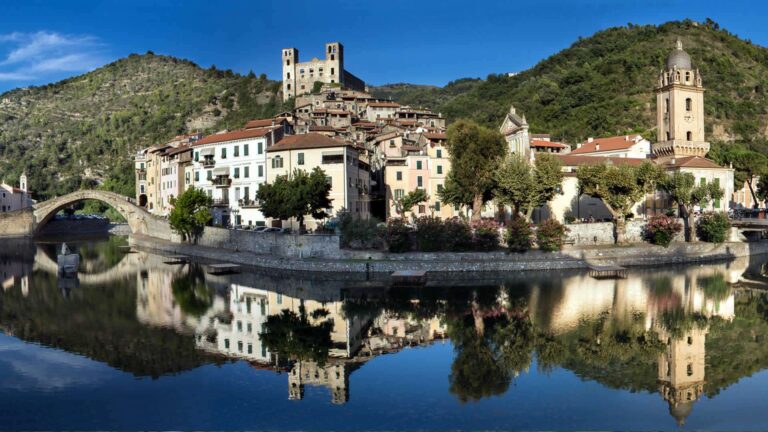
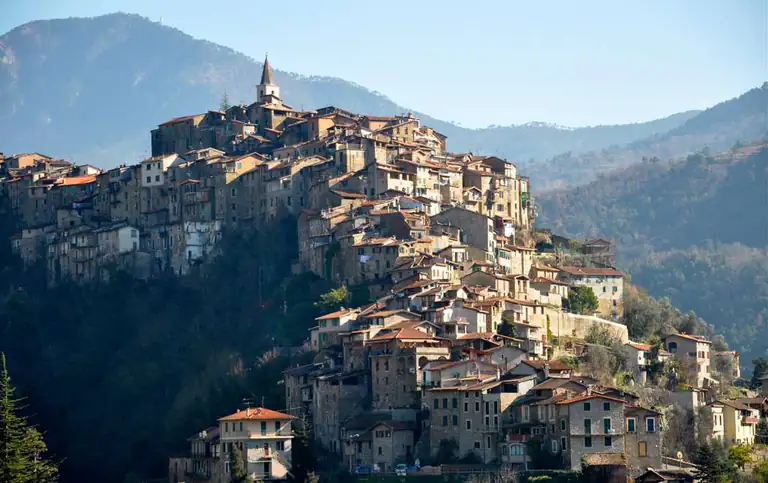
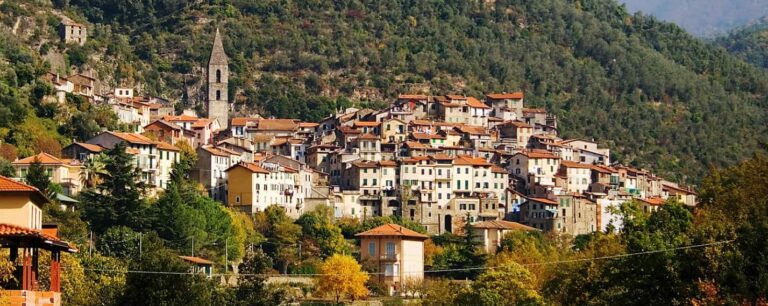
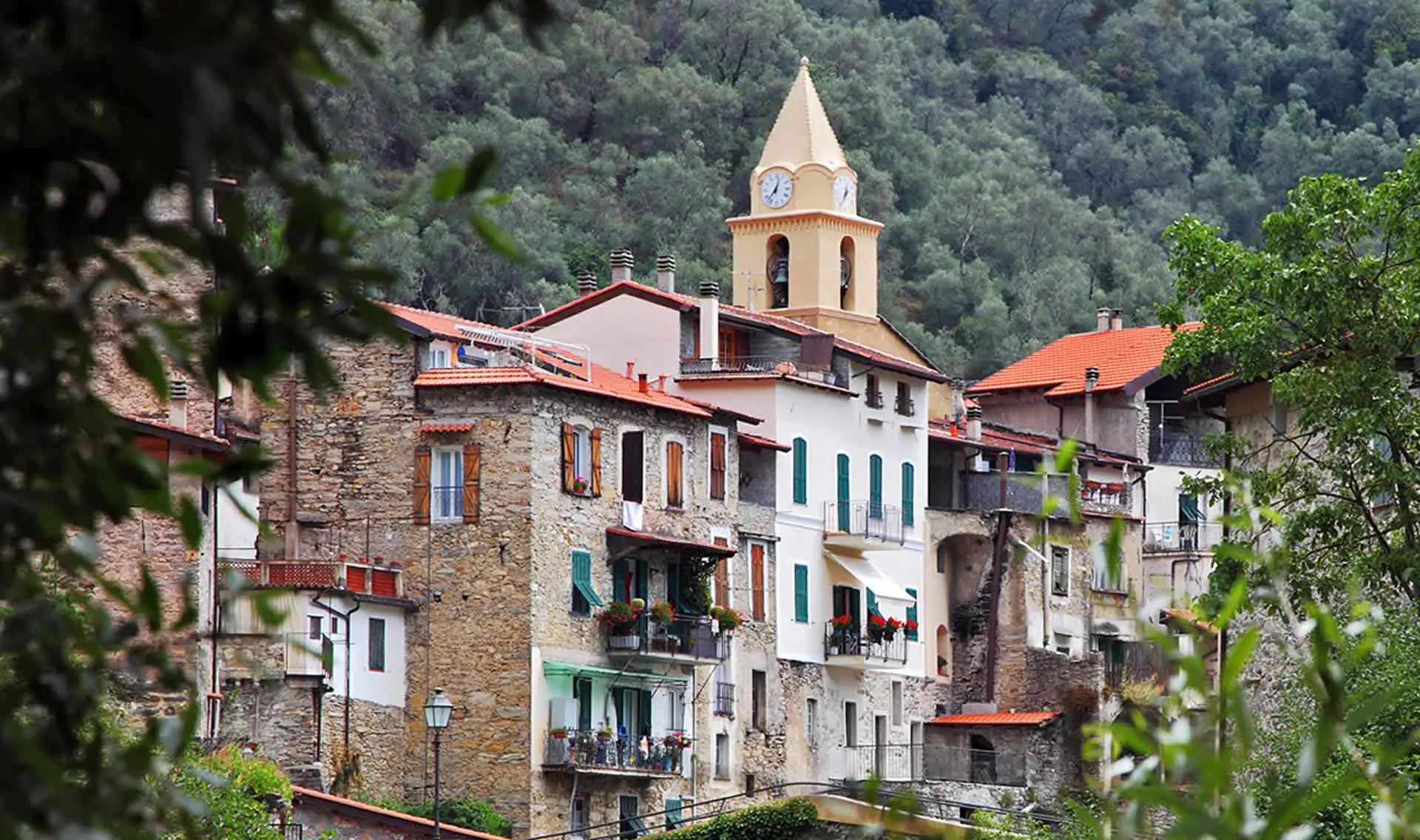
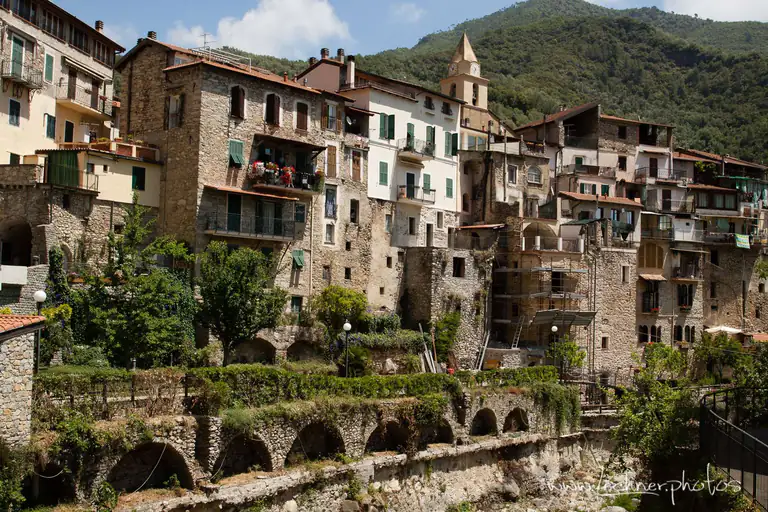
Bell tower and houses of Rocchetta Nervina

Rocchetta Nervina

Medieval village in the Val Nervia on the Barbaira stream: humpback bridge, carruggi, E Dubarìe museum, natural swimming pools and a canyon.

Bell tower and houses of Rocchetta Nervina
Area
Riviera dei FioriRiviera di Ponente · Province of Imperia
Ideal for
Nature, stream swimming, hiking and canyoningfamilies and walkers
Beaches
The sea at Ventimiglia, about 13 kmin summer, swimming in the Barbaira pools
Best time to go
Summer for the poolsspring and autumn for the trails
By train
Ventimiglia stationabout 13 km), then Riviera Trasporti bus or taxi
By car
A10, Ventimiglia or Bordighera exitsthen the Val Nervia provincial road
Airport
Nice Côte d'Azur (about 60 km)about 1 hour by car
How long to stay
Half a day or a day2–3 days with the Val Nervia

Welcome to Rocchetta Nervina

Rock pools and medieval bridges

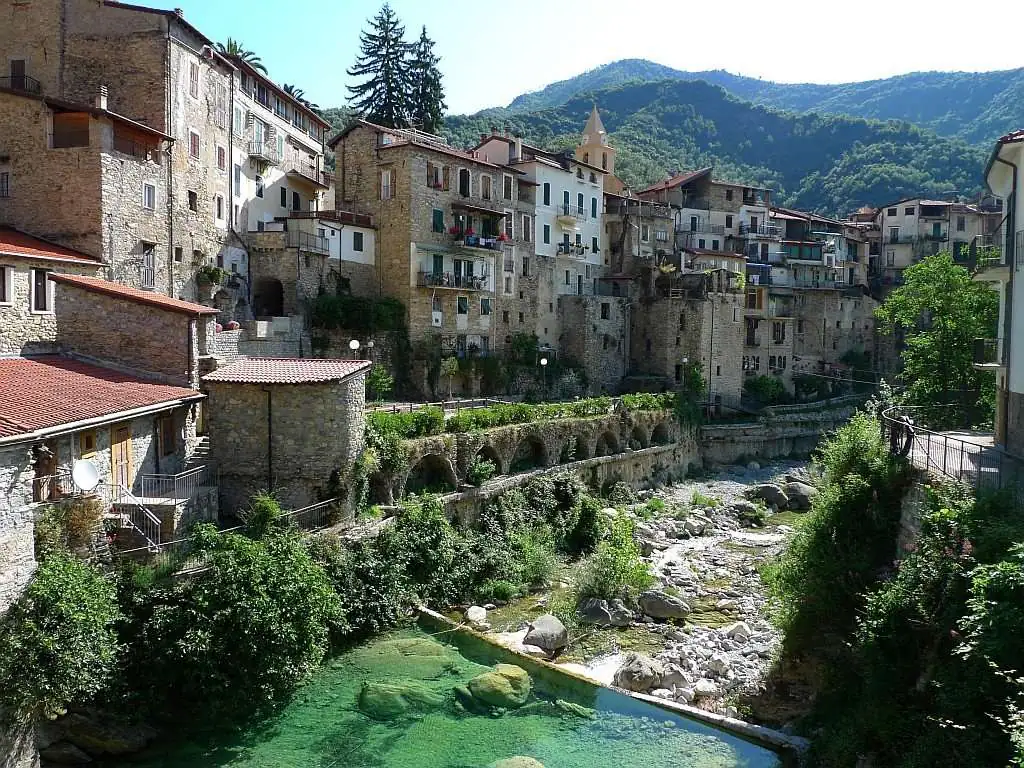
Rocchetta Nervina is a small medieval village in the Val Nervia, in the hills behind Ventimiglia, about 13 kilometres from the coast. Its stone houses huddle along the Barbaira stream, right where it is joined by the rio Oggia, on the slopes of Monte Terca. The village has fewer than three hundred inhabitants and borders France.

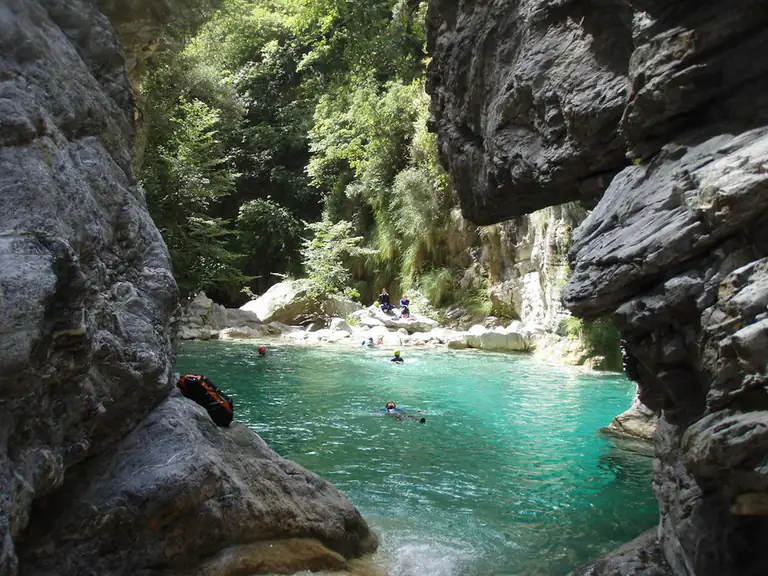
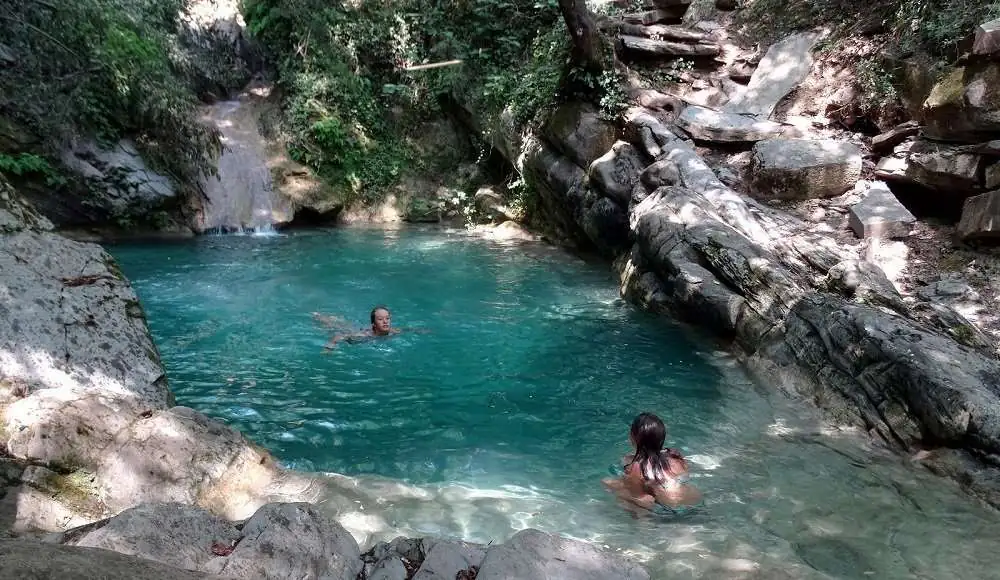
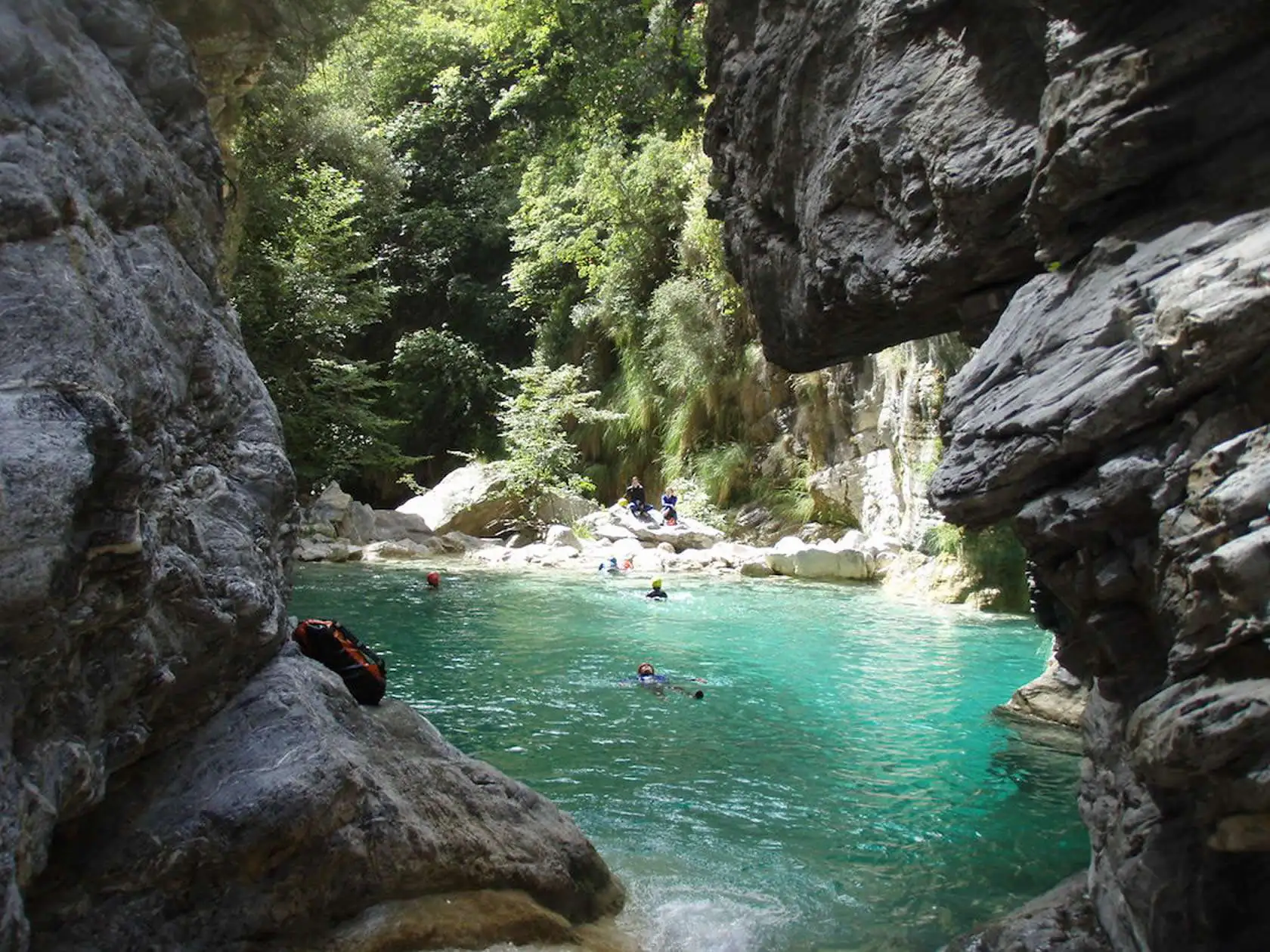
Most people come for the water. A few steps from the houses the Barbaira forms a series of emerald-green natural pools, the laghetti, where people swim in summer. Further upstream the stream cuts a canyon that draws thousands of canyoning enthusiasts from all over Europe every year. Around the village, trails wind past stone bridges, country chapels and woods, partly inside the Alpi Liguri Regional Nature Park.

The village is first mentioned in 1186 as “Castrum Barbairae”. In the 14th century it passed to the Doria family and was long disputed between the House of Savoy and Genoa; after the French period it became part of the Kingdom of Sardinia and then the Kingdom of Italy, taking its current name in 1862. In the local dialect it is called “A Rochetta”.

Where is Rocchetta Nervina?

Rocchetta Nervina is in Liguria (Riviera di Ponente, Riviera dei Fiori, province of Imperia).

Map: where Rocchetta Nervina is in LiguriaPIEDMONTLOMBARDYEMILIA-ROMAGNATUSCANYFRANCERIVIERA DI PONENTERIVIERA DI LEVANTELIGURIAN SEASavonaImperiaSanremoLa SpeziaRocchetta Nervina
Boundaries: ISTAT, Natural Earth · Interactive map →

What to see

What to see in Rocchetta Nervina

You can walk round the village in an hour; the rest of the day belongs to the pools and the trails along the stream.

The old village of Rocchetta Nervina with its stone bridge

The humpback bridge

The way into the old centre is a medieval stone humpback bridge that crosses the Barbaira and links the newer part of the village, with the square, to the houses lined up on the opposite bank. It is the most photographed spot in Rocchetta: from the bridge you can see the stream flowing beneath the houses and the first pools of green water.

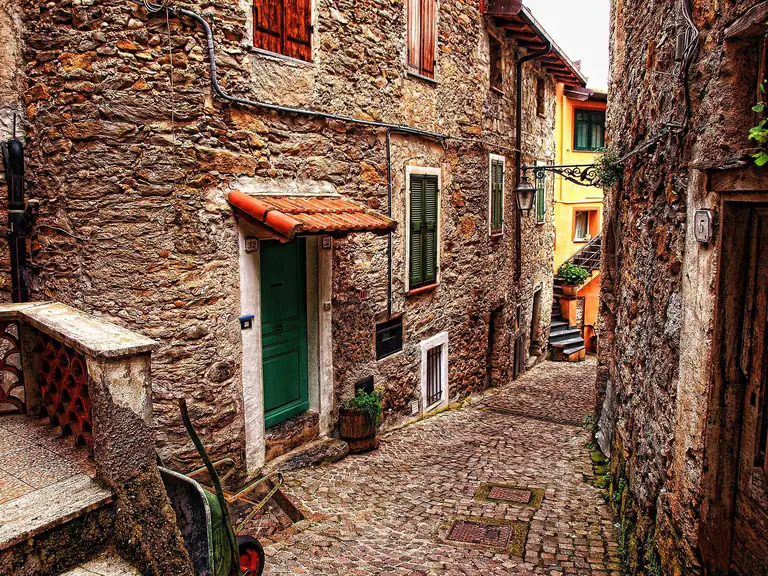
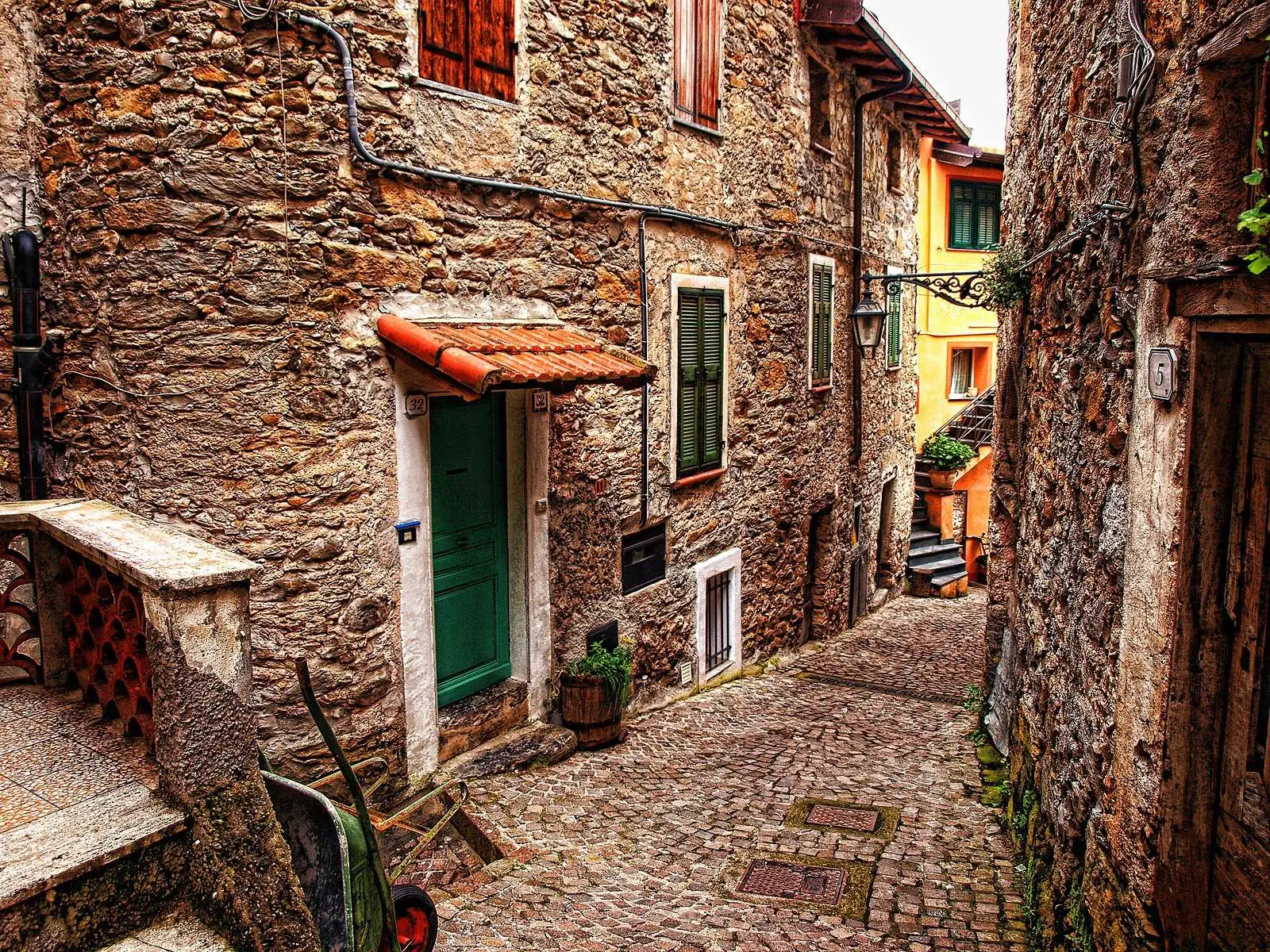
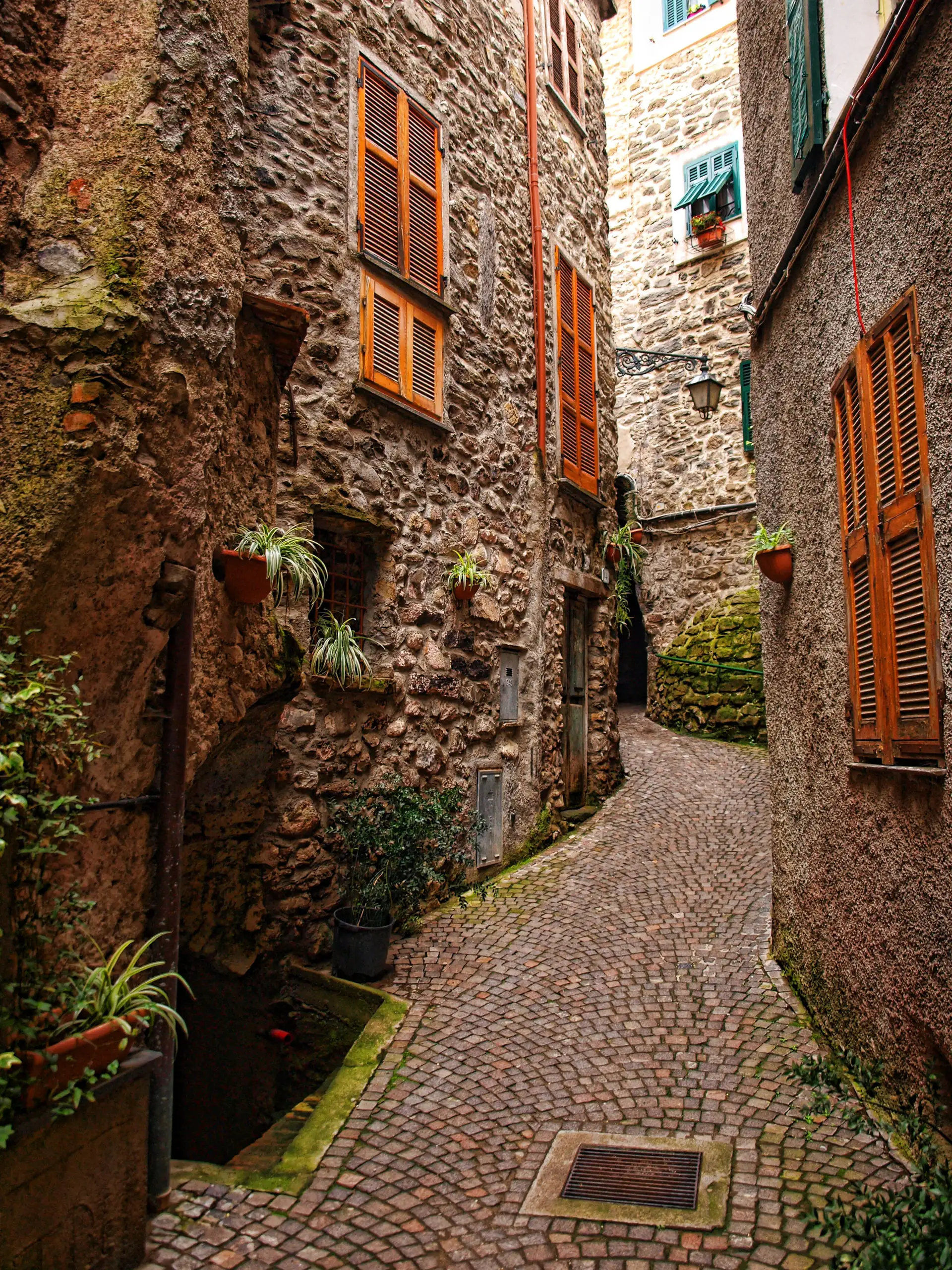
Stone alley in the old town of Rocchetta Nervina

The old town and its carruggi

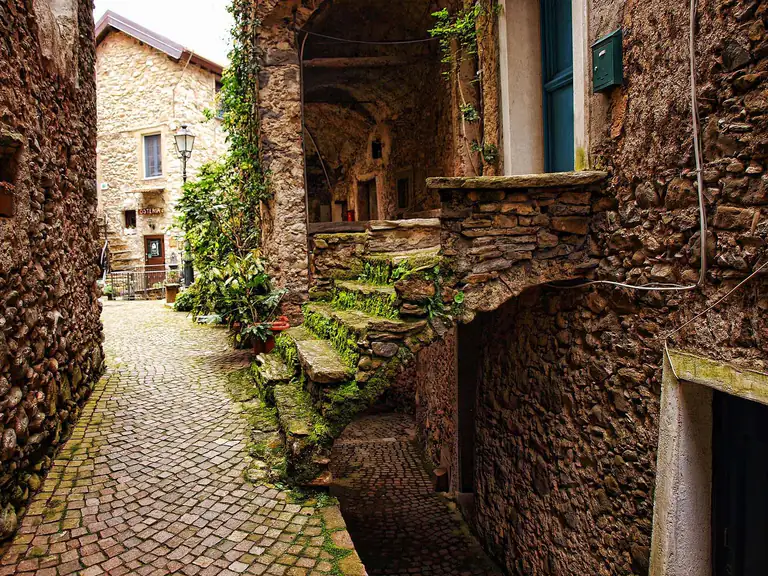
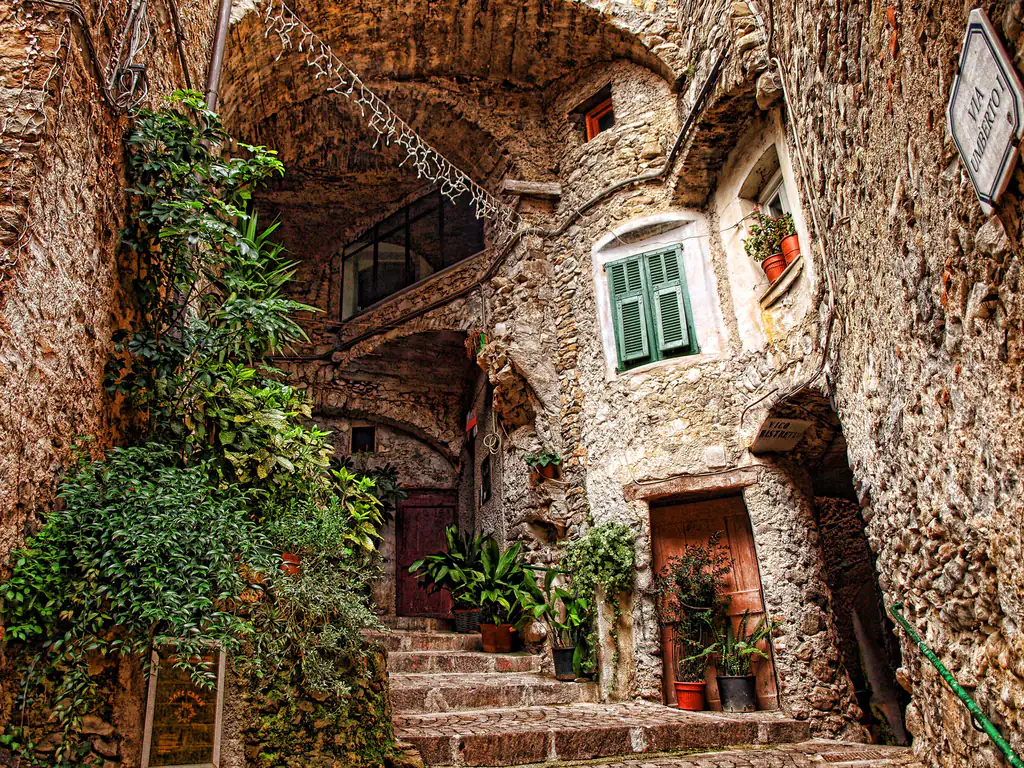
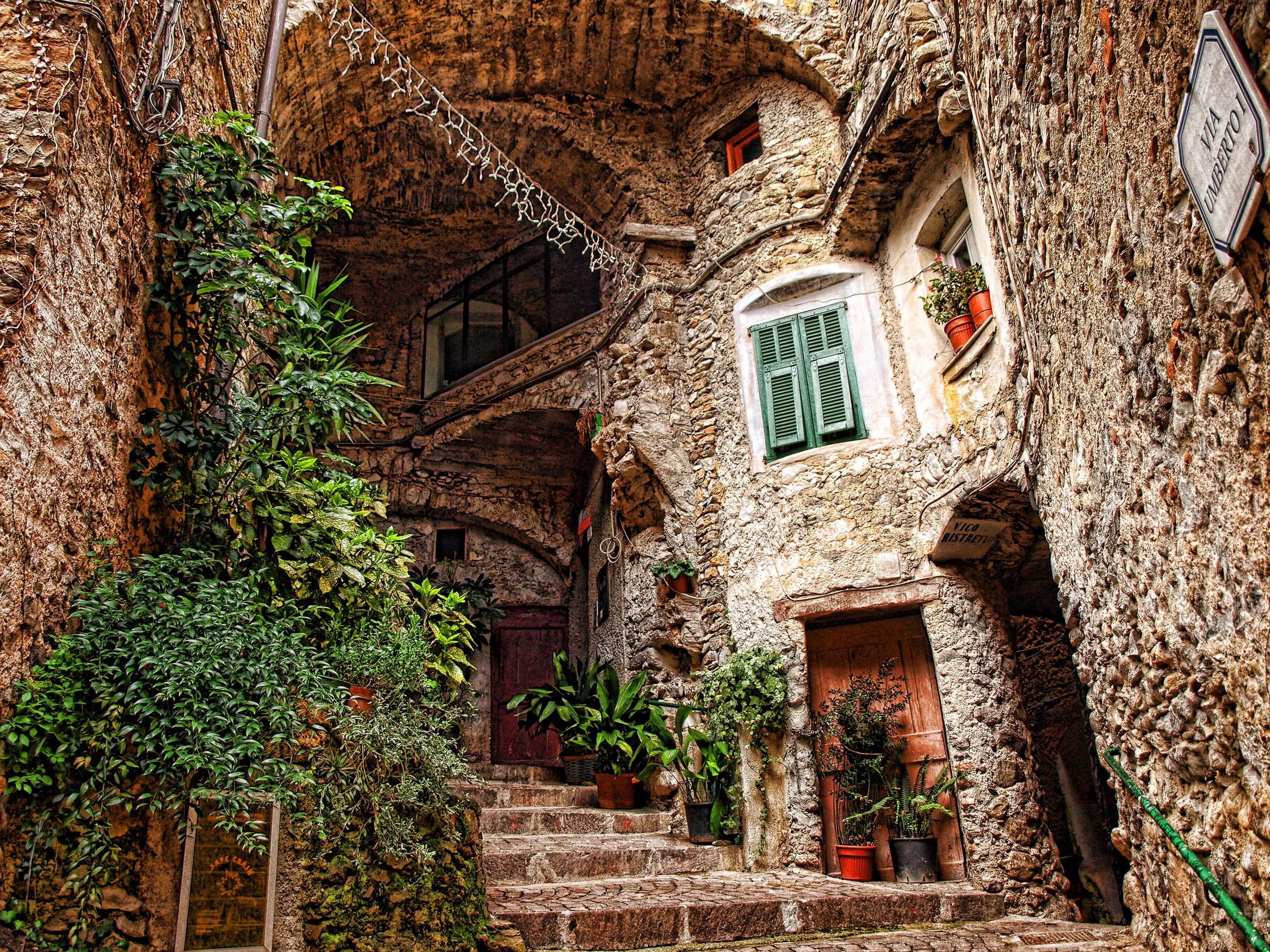
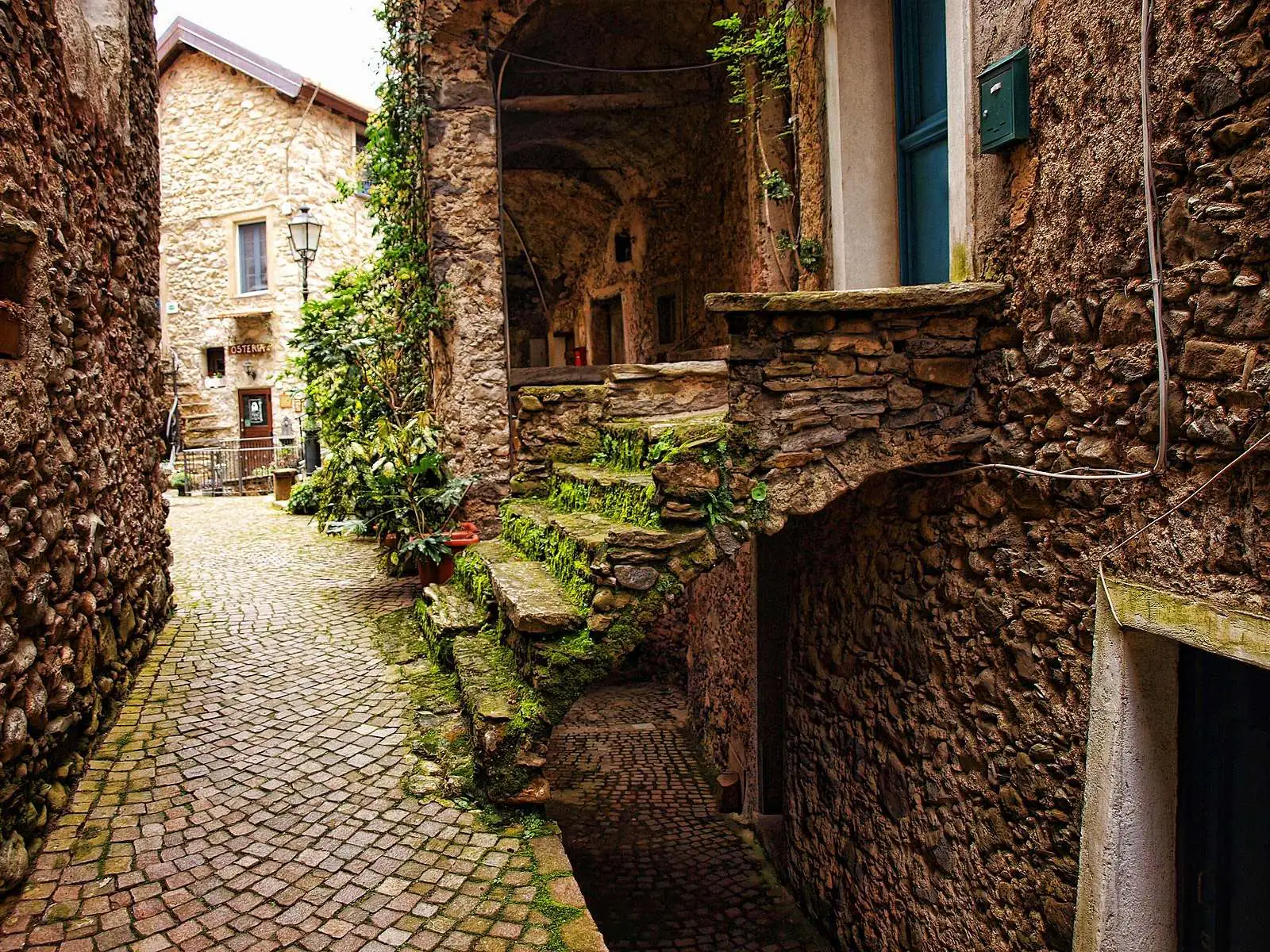
Beyond the bridge begins a tangle of carruggi, the narrow paved alleys typical of Ligurian villages, often covered by arches and passages linking one house to the next. The medieval houses follow the course of the stream and climb up the hillside. Take your time: it is a small, quiet village where people still live.

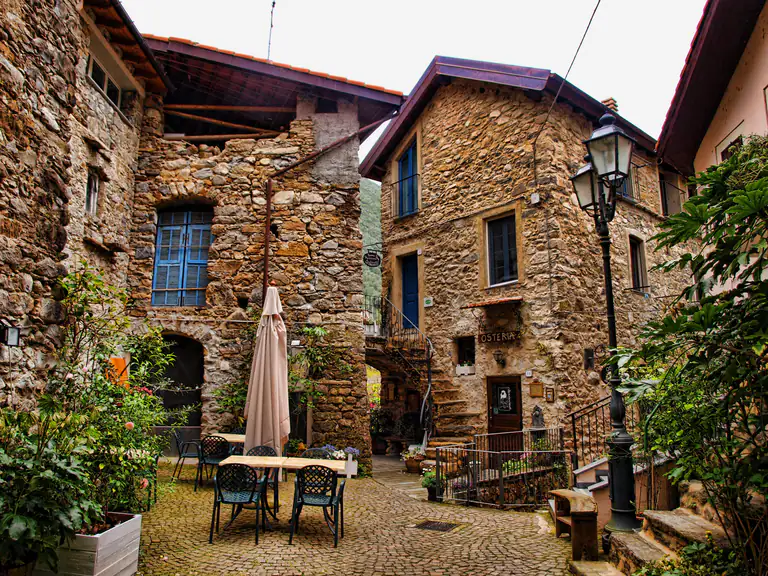
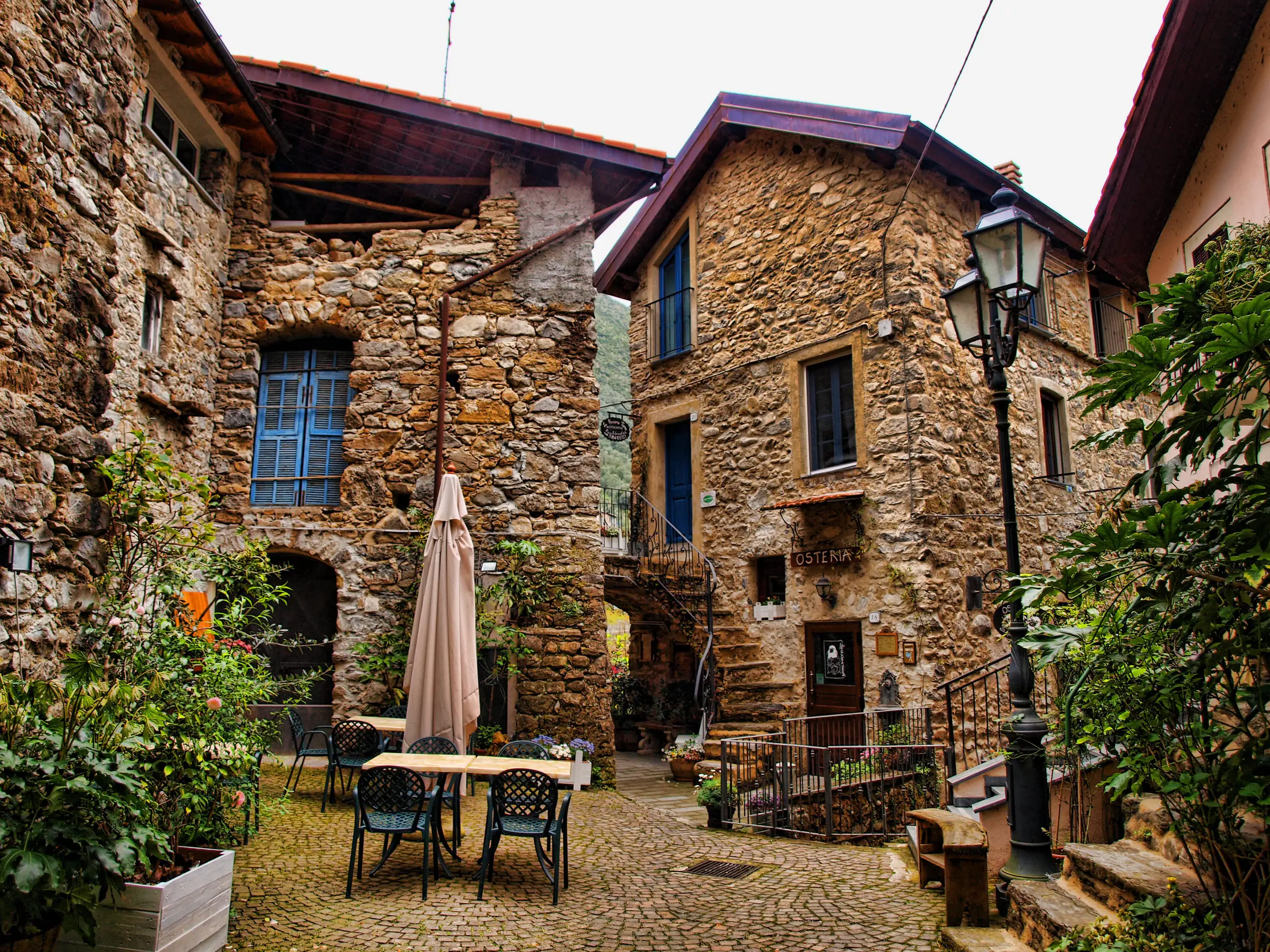
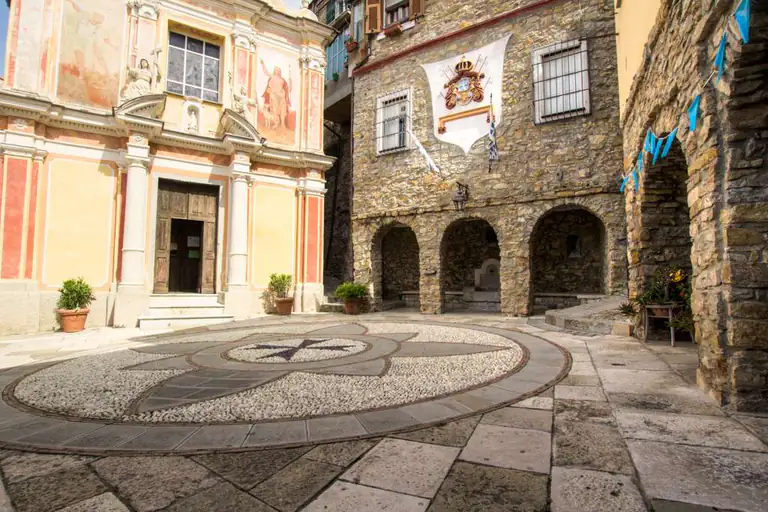
Small square with stone houses in Rocchetta Nervina

Church of Santo Stefano protomartire

The parish church is dedicated to St Stephen, the village’s patron saint, whose feast day is 26 December. Founded in the 16th century and remodelled in Baroque style, it overlooks the piazza del balun, the most characteristic space in the village.

Oratorio della Santissima Annunziata

The 15th-century oratory stands at the entrance to the village. Inside are two 17th-century paintings depicting an episode from local history: the Virgin putting out the flames during a pirate raid. The path to the pools starts next to the oratory.

Stone lanes and passageways of Rocchetta Nervina

E Dubarìe museum

On the Barbaira riverside, in a medieval building that was once a tannery, the small E Dubarìe museum tells the story of the village’s trades: tanning, the mill and the water system that supplied the local workshops. The most curious exhibit is a reconstructed horizontal water wheel with eighteen beechwood paddles, which turns a millstone. In dialect, “dubarìe” refers to the low, foul-smelling places where hides were tanned or hemp was beaten. Opening hours are limited, so check them first on the museum website.

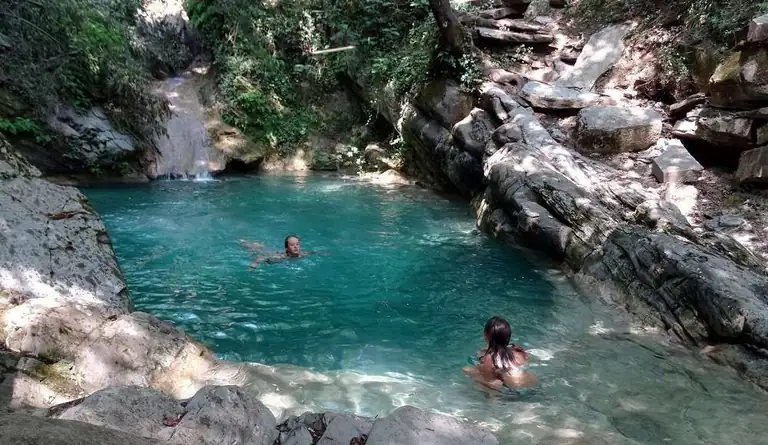
Pools and rocks of the stream at Rocchetta Nervina

The pools of the Barbaira stream

Right next to the houses begins a series of natural pools that everyone calls “i laghetti”: clear green water, smooth rocks and small waterfalls. In summer they are the busiest spot in the valley, especially at weekends. The first pools are a few minutes from the village; the further you go up the stream, the quieter it gets. How to get there, where to leave the car and when to go are covered in the guide to the Rocchetta Nervina pools.

Rocchetta Nervina and its stream among the mountains

Ponte Cin and Ponte Pau

From the village the Balcone path climbs the Barbaira valley through rocks, terraces and Mediterranean scrub. After about fifty minutes’ walk it reaches Ponte Cin, an old stone bridge over the stream, and continues towards Ponte Pau. Along the way you pass the small country church of San Bernardo.

Gorge and pools for canyoning at Rocchetta Nervina

The Barbaira canyon

Above the pools the stream narrows into a true canyon, one of the best known in the western Riviera for canyoning, a sport that combines caving, mountaineering and swimming techniques. This is not a stroll: you need equipment, experience or a guide. In summer 2026 there were again accidents requiring helicopter rescues, the latest in August near Ponte Cin.

Stone-built old town of Rocchetta Nervina

Where to stay

Where to stay in Rocchetta Nervina

There are few beds in the village itself: there is the Ostello delle Alpi Liguri, handy for hikers and groups. For more choice, stay in Dolceacqua or the other villages of the Val Nervia, a few minutes away by car.

If you prefer the sea, the most practical base is Ventimiglia or Bordighera, from where you can drive up to Rocchetta for the day. In July and August book ahead, because the pools draw many visitors, including from France.

Nearby alternative

Looking for more choice? Down by the sea is Bordighera, with hotels, B&Bs and apartments and trains along the coast and to France.

Where to stay in Bordighera →Day trips from Bordighera →

Getting there

How to get to Rocchetta Nervina

By car

Leave the A10 motorway at Ventimiglia or Bordighera, follow the signs for the Val Nervia and take the Val Nervia provincial road up through Dolceacqua. From Ventimiglia it is about 13 kilometres.

By train

The nearest station is Ventimiglia, on the Genoa–Nice line. From there continue by bus or taxi.

By bus

Riviera Trasporti buses link Ventimiglia with the Val Nervia and Rocchetta Nervina. Services are infrequent and have been unreliable, so check the timetable on the Riviera Trasporti website before setting off.

By plane

The nearest airport is Nice Côte d’Azur, about 60 kilometres away: around an hour by car. Alternatively, take the train to Ventimiglia and then the bus or a taxi.

Parking

Rocchetta has a large car park, but on summer weekends it is not big enough for everyone coming to the pools and the canyon. Arrive by mid-morning and do not leave your car in no-parking zones or on the edge of the provincial road: the mayor has repeatedly flagged this as a problem. The old town cannot be driven through.
Rocchetta Nervina43.8906, 7.5996
Open in Google Maps →Interactive map →

By car

A10, Ventimiglia or Bordighera exits; then the Val Nervia provincial road

By train

Ventimiglia station (about 13 km), then Riviera Trasporti bus or taxi

By plane

Nice Côte d'Azur (about 60 km); about 1 hour by car

The guide

Rocchetta Nervina in a day: the itinerary

  • Morning: arrive early, especially in summer, and park. Cross the humpback bridge, wander the carruggi and visit the church of Santo Stefano and the Annunziata oratory.
  • Late morning: take the path from the oratory, pass San Bernardo and climb up to Ponte Cin, stopping at the pools along the stream.
  • Afternoon: swim in the pools or visit the E Dubarìe museum, if it is open; then head down to Dolceacqua for the Doria castle and the bridge over the Nervia.
  • Evening: dinner with dishes from the valley; in July and August check the Pro Loco’s programme of evening events.

Hikes and trails around the village

Rocchetta’s territory has about a hundred kilometres of trails. Besides the Balcone path to Ponte Cin and Ponte Pau, hikers follow the Monte Terca loop, which drops into the gorges of the rio Oggia and the Barbaira past humpback bridges, the chapel of Santa Lucia and small waterfalls, and the Roche Fourquin loop. A stage of the Grande Traversata delle Alpi, on the Marittime–Mercantour section, also starts from Rocchetta and heads towards Torri.

  • Waymarking: not always present; bring a GPS track or a map.
  • When: spring and autumn are ideal; around Ferragosto it is very hot and the rio Oggia is almost dry, while the Barbaira has more water.
  • What to bring: hiking shoes, water and something for wading or swimming.

Food and local dishes in Rocchetta Nervina

The cooking is that of the western Ligurian hinterland, based on fresh pasta, pulses and mountain meats.

  • Cruseti: fresh handmade pasta made to the village recipe, celebrated with a sagra in August.
  • Capra e fagioli: goat with beans, the signature dish of the valley.
  • Ravioli al “pezigu”: handmade ravioli sealed with a pinch, served with butter and thyme or with tomato sauce.
  • Ravioli di borragine: the local version with wild borage.
  • Cinghiale in umido: wild boar stew, a classic main course of the valleys.
  • Oil and wine: olive groves and vineyards are still part of the local economy; Rossese wine is made in nearby Dolceacqua.

Festivals and events in Rocchetta Nervina

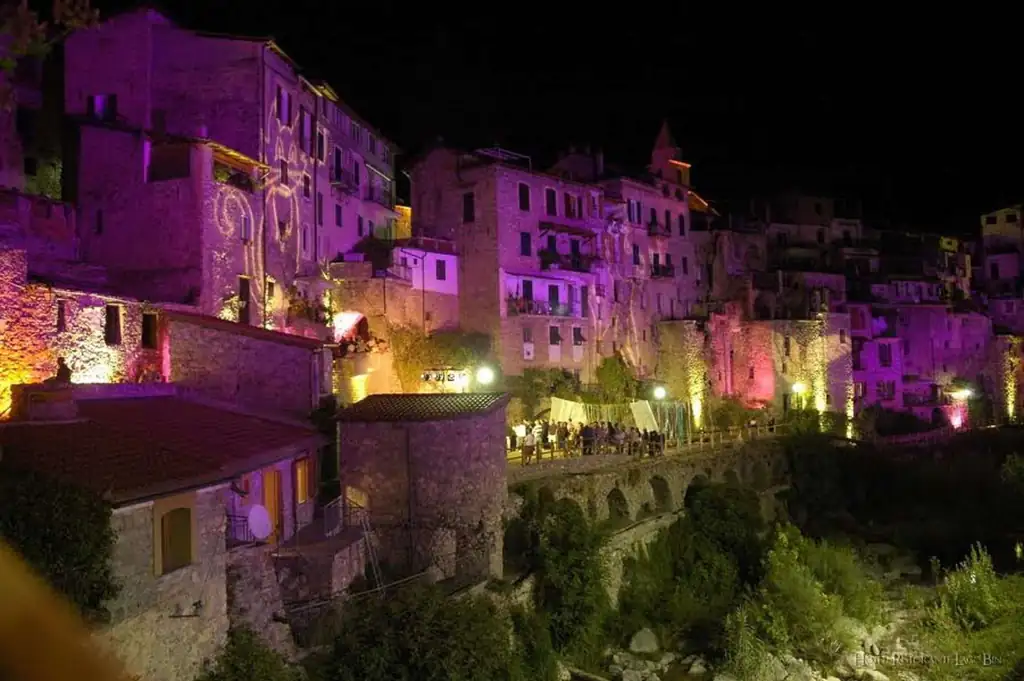
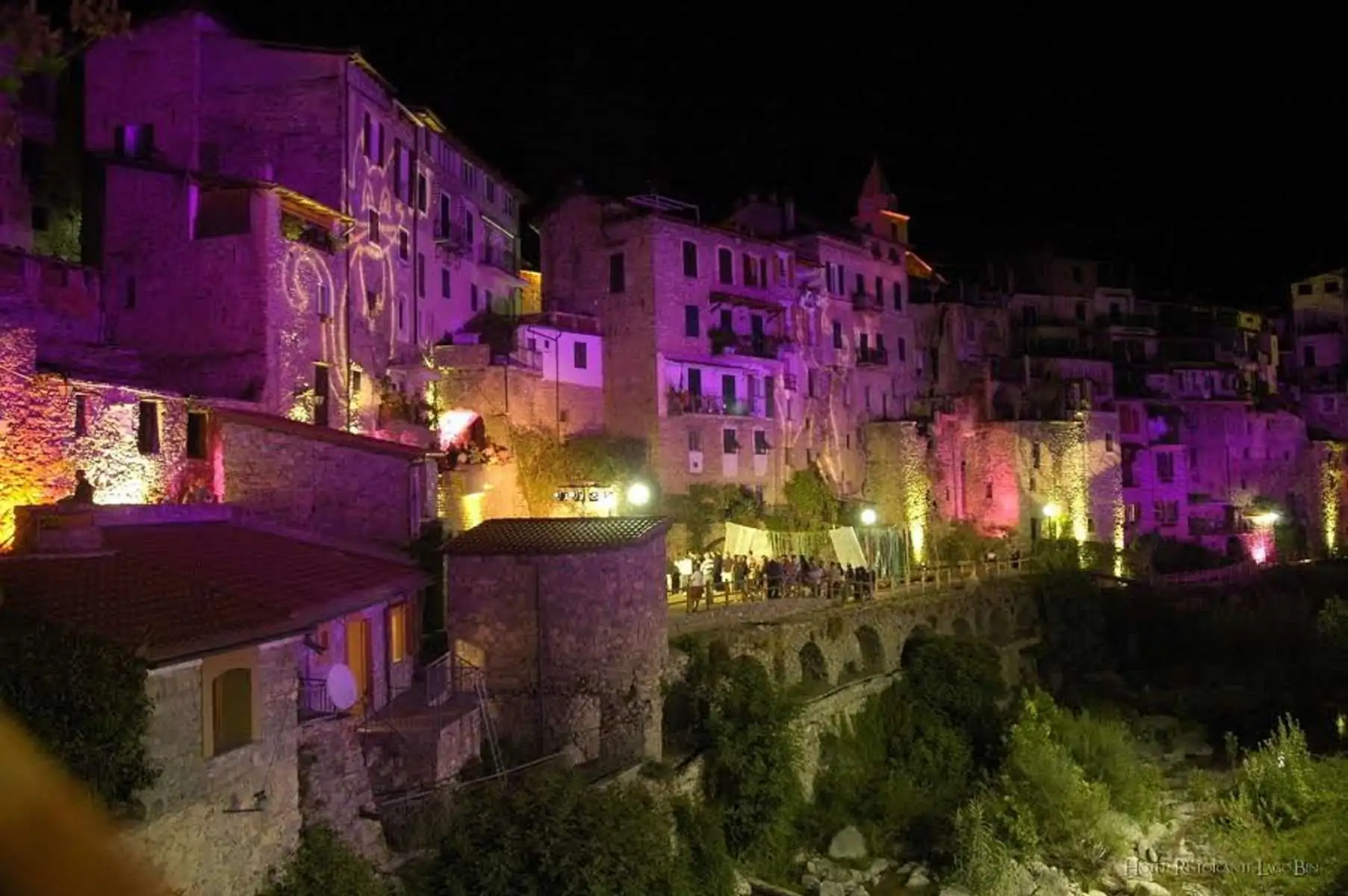
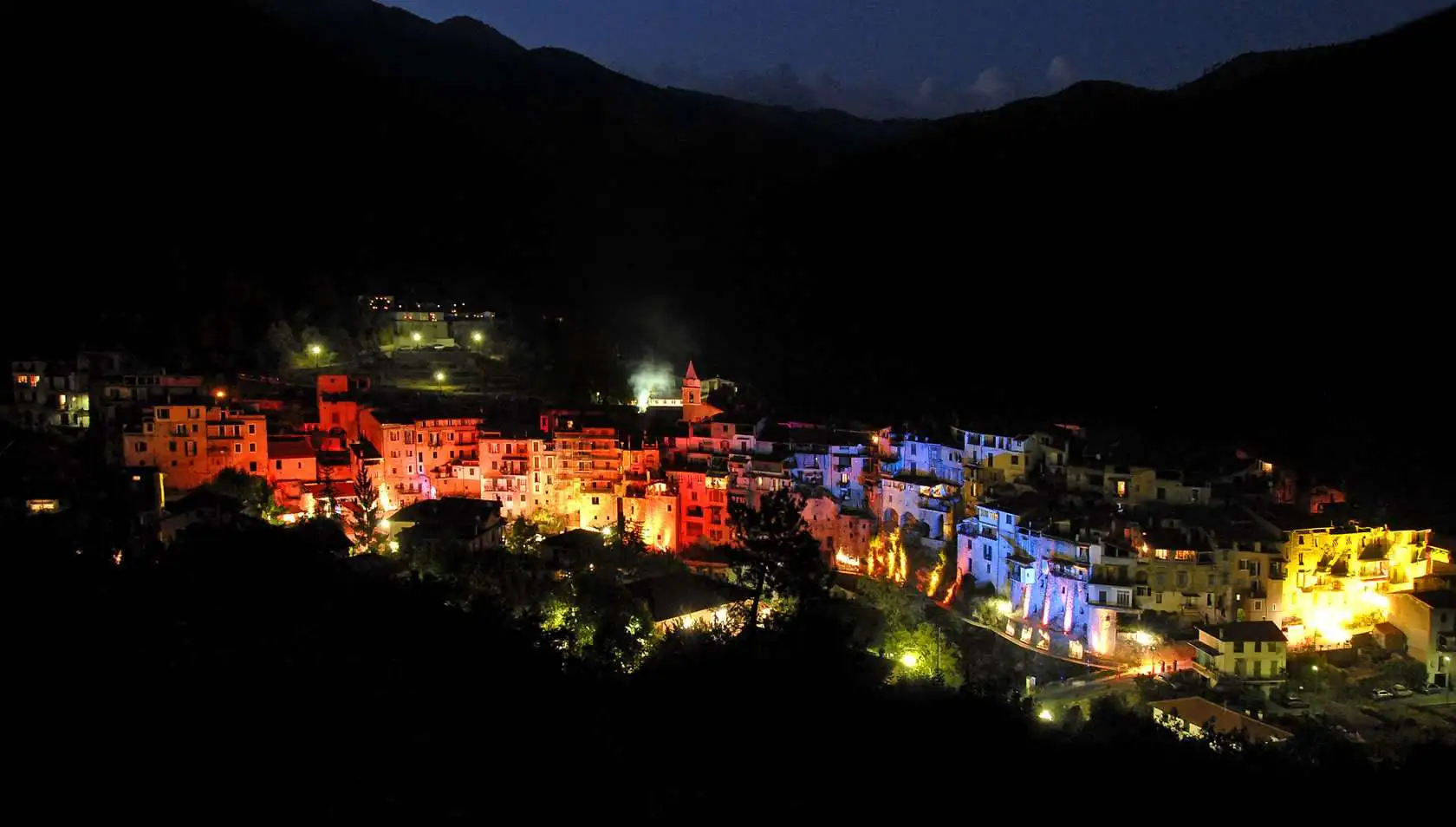
Rocchetta Nervina lit up at night during the fairy-tale festival

In summer the Pro Loco organises food evenings with music in the festival area on viale Rimembranze, from 7.30pm. This was the 2026 programme; for 2027 check the Pro Loco calendar.

  • July: Carioca Night (11 July 2026) and the Capra e fagioli evening (25 July 2026).
  • August: Sagra dei Cruseti (7 August 2026) and Raviolata di Ferragosto (15 August 2026).
  • September: U Festin, the closing evening (2 September 2026).
  • December: feast of the patron saint Santo Stefano, on 26 December.

For years the village also hosted the Festival delle Fiabe in August, with the alleys lit up and turned into sets for roving performances. Check whether it is on before planning your trip.

Day trips from Rocchetta Nervina

  • Dolceacqua: just down the valley, with the Doria castle and the medieval bridge painted by Monet.
  • Apricale: a neighbouring hilltop village, among the most beautiful in Liguria.
  • Pigna: in the upper Val Nervia, with the church of San Michele and its white beans.
  • Ventimiglia: the nearest sea and the Friday market, described in the guide to Ventimiglia market.
  • Bordighera: seafront promenade and gardens, a short way from the motorway exit.
  • Seborga: the village of the “principality”, in the hills above Bordighera.

Weather

Weather and best time to visit Rocchetta Nervina

Summer for the pools; spring and autumn for the trails

⛅
18°CNow · wind 18 km/h
  1. Fri 9🌦️20° 12°1 mm
  2. Sat 10🌤️21° 10° 
  3. Sun 11⛅22° 11° 
  4. Mon 12⛅21° 13°1 mm
  5. Tue 13☀️22° 12° 
  6. Wed 14☁️22° 11° 

Forecast: MET Norway (Yr), CC BY 4.0 licence. Updated hourly.

Weather across Liguria →

MonthJanFebMarAprMayJunJulAugSepOctNovDec
SeaOff seasonOff seasonOff seasonOff seasonPossibleGoodIdealIdealGoodPossibleOff seasonOff season
Sightseeing and hikingPossiblePossibleGoodIdealIdealIdealGoodGoodIdealIdealGoodPossible
CrowdsQuietQuietFew peopleFew peopleFew peopleBusyVery busyVery busyBusyFew peopleQuietFew people
Don't missCapra e fagioliSagra dei Cruseti and Raviolata di FerragostoU FestinSanto Stefano

IdealGoodPossibleOff season

Crowds:QuietFew peopleBusyVery busy

Gallery

Photos of Rocchetta Nervina

FAQ

Frequently asked questions about Rocchetta Nervina

What is there to see in Rocchetta Nervina?

The medieval humpback bridge, the carruggi, the church of Santo Stefano, the Oratorio della Santissima Annunziata, the E Dubarìe museum and above all the pools of the Barbaira stream, with the path up to Ponte Cin.

Where are the Rocchetta Nervina pools?

They start right next to the houses, along the Barbaira stream. The path begins near the oratory and reaches Ponte Cin in about fifty minutes.

Can you swim in the Rocchetta Nervina pools?

Yes, in summer the natural pools of the Barbaira are popular for swimming. The water is cold and the rocks slippery: go in carefully and do not jump where you cannot see the bottom.

Where can you park in Rocchetta Nervina?

In the village car park. On summer weekends it fills up early: arrive in the morning and do not park illegally along the road.

Can you go canyoning in Rocchetta Nervina?

Yes, the Barbaira canyon, above the pools, is very well known. It is a technical route: you need equipment and experience, or a guide.

How do you get to Rocchetta Nervina without a car?

By train to Ventimiglia, then by Riviera Trasporti bus to the Val Nervia or by taxi. Services are few, so check the timetable.

How far is Rocchetta Nervina from the sea?

About 13 kilometres from the coast at Ventimiglia, reached by car along the Val Nervia provincial road.

What food festivals are held in Rocchetta Nervina?

In summer the Pro Loco organises the Capra e fagioli evening in July, the Sagra dei Cruseti and the Raviolata di Ferragosto in August and U Festin at the beginning of September.

When is the best time to visit Rocchetta Nervina?

From June to September for the pools, ideally on weekdays; in spring and autumn for walking in pleasant temperatures with fewer people.

Nearby

What to see near Rocchetta Nervina

5 km as the crow flies

Dolceacqua

The bridge painted by Monet, the Castello dei Doria and Rossese, Liguria's first DOC: a guide to the iconic Val…

Discover →

5 km as the crow flies

Apricale

Sun-drenched stone village in the val Nervia: the Castello della Lucertola, murals, a theatre-like square, pansarola and the Teatro della…

Discover →

7 km as the crow flies

Pigna

Medieval village in the upper Val Nervia: the chibi alleys, the loggia, San Michele with Canavesio's polyptych, Buggio, Pigna beans…

Discover →

10 km as the crow flies

Seborga

The Principality village above Bordighera: Piazza San Martino, Palazzo dei Monaci, sentry boxes, mimosa and views over the Côte d'Azur.

Discover →
Scroll to Top