Liguria is not a one-stop trip. Along less than 300 kilometres of coast you get stone villages in the hills, botanical gardens above the sea, a major art city in Genoa, the Portofino promontory, the Cinque Terre and footpaths that run high above the water. If your time is short, these are the four things not to miss: Genoa, Portofino and San Fruttuoso, the Cinque Terre with Portovenere and, to the west, Dolceacqua and the Hanbury Gardens.
This guide is not a list of towns (for that, see towns and villages of Liguria). It covers the sights and experiences worth the trip, grouped by theme and ordered from west to east, from the French border towards Tuscany. At the end you will find three ready-made itineraries of 3, 5 and 7 days, plus answers to the most common questions. Every entry links to the full destination guide, with opening times, parking and practical tips.
Medieval hill villages

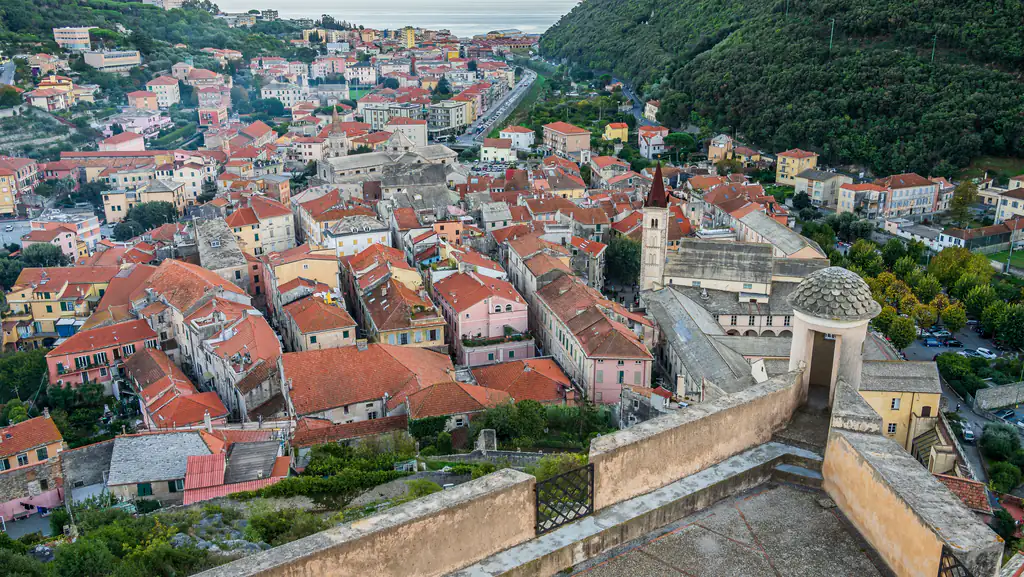
A few kilometres inland, Liguria changes completely: stone villages perched on hillsides, stepped alleys, castles and humpback bridges. Many visitors skip this side of the region, yet it often gives the most memorable days, especially outside high summer. You will almost always need a car; local buses exist but run only a few times a day.
Dolceacqua and Apricale
In the Nervia valley, about ten kilometres from Ventimiglia, Dolceacqua is instantly recognisable: the humpback Ponte Vecchio over the stream, painted by Claude Monet in 1884, and above it the Doria Castle, restored and open to visitors, with a panoramic walkway over the valley and the Rossese vineyards (see Doria Castle). A few kilometres further up, Apricale is one of the “Most Beautiful Villages in Italy”: houses all facing south, a square that feels like a stage, murals in the lanes and the Lizard Castle. Do both in one day, adding Pigna and Rocchetta Nervina if you have time.
Triora, the witches’ village
At 780 metres, at the top of the Argentina valley, Triora is famous for the witch trial of 1587–1589, triggered by a famine: around thirty women accused, torture, but no executions. The Ethnographic and Witchcraft Museum tells the story with period documents; the covered alleys, old gates and castle ruins do the rest. The real history, separated from legend, is in our piece on the witches of Triora. From Arma di Taggia it is about 30 km of mountain road.
Bussana Vecchia and Seborga
On the hill above Sanremo, Bussana Vecchia was left uninhabitable by the earthquake of 23 February 1887 and stood empty for sixty years; from the late 1950s artists moved in and rebuilt houses among the ruins. Today you walk between studios and the roofless church of Sant’Egidio. Above Bordighera, at 500 metres, Seborga is a well-kept village with views of the sea and the Alps, known for its self-proclaimed “principality”, recognised by no state: the story is in the Principality of Seborga.
Cervo, Albenga and Finalborgo
Cervo steps down the hill to the sea, crowned by the baroque façade of the Corallini church; in summer its square hosts the chamber music festival. Albenga is the town of towers: a brick centre laid out on the Roman grid, with 12th–13th-century towers and an early Christian baptistery. Further east, Finalborgo is enclosed by 15th-century walls, with four gates and two castles on the heights (route in Finalborgo’s castles). Near Loano you can add the Toirano Caves, visited on guided tours booked online.
Gardens and seaside villas
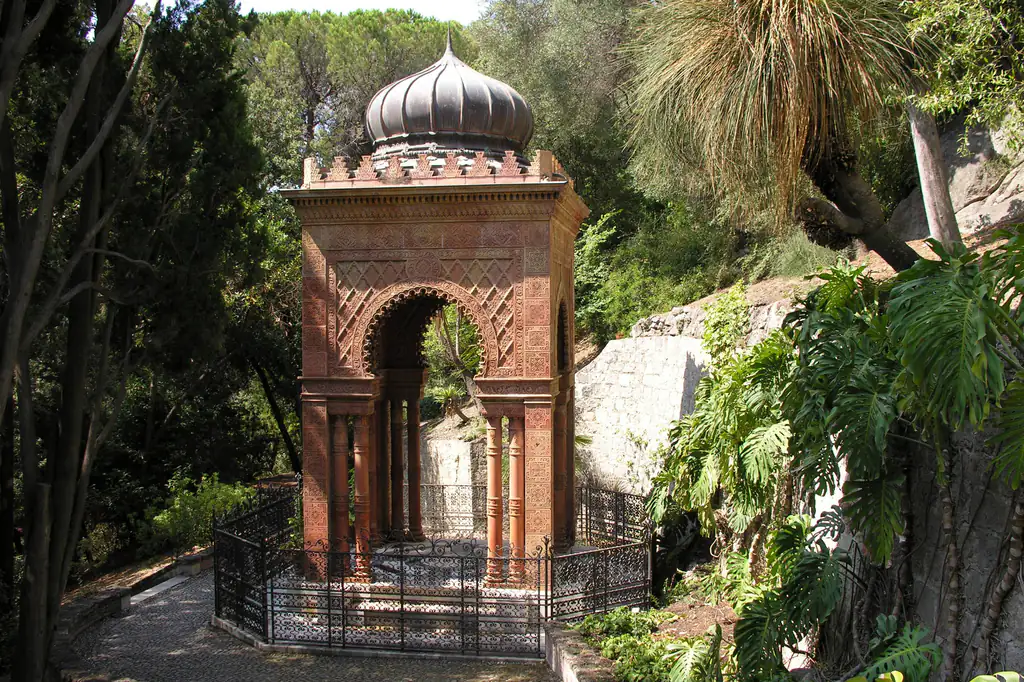
From the 19th century the Riviera was the winter retreat of the British and of European aristocracy, who left villas and gardens full of exotic plants. Thanks to the mild climate many are open all year; spring is the best time.
Hanbury Gardens
On the Mortola headland at Ventimiglia, a stone’s throw from France, Thomas Hanbury began in 1867 an acclimatisation garden that now covers 18 hectares of terraces down to the sea, with around 5,800 species: palms, citrus, succulents. It is run by the University of Genoa. Allow at least two hours. Just west are the prehistoric caves of Balzi Rossi and their museum.
Bordighera, Sanremo and Alassio
In Bordighera the British colony left villas, palms and the Pallanca Exotic Garden, a hectare of cacti and succulents; Monet spent almost three months here in 1884 (see Monet in Bordighera). In Sanremo the Villa Ormond gardens are public and free, close to the seafront. In Alassio the Villa della Pergola gardens, 22,000 square metres of wisteria and agapanthus, can only be seen on a pre-booked guided tour. In Imperia you will find Villa Grock, the eclectic home of the Swiss clown Grock, now a clown museum.
Villa Durazzo in Santa Margherita
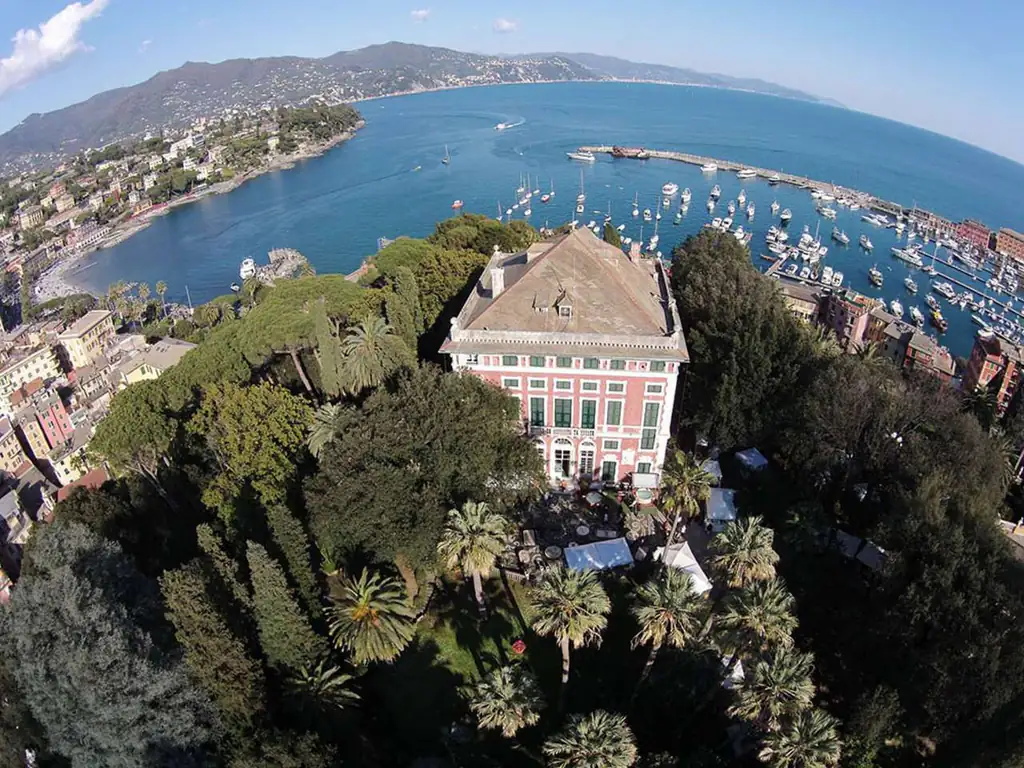
In Santa Margherita Ligure the 17th-century villa of the Durazzo and later Centurione families opens every day: stucco rooms and Genoese paintings, and a park of about three hectares with a citrus grove and pebble paths above the Tigullio gulf. In Genoa, in the same spirit, the Nervi parks are historic villas with lawns and sea views.
Genoa
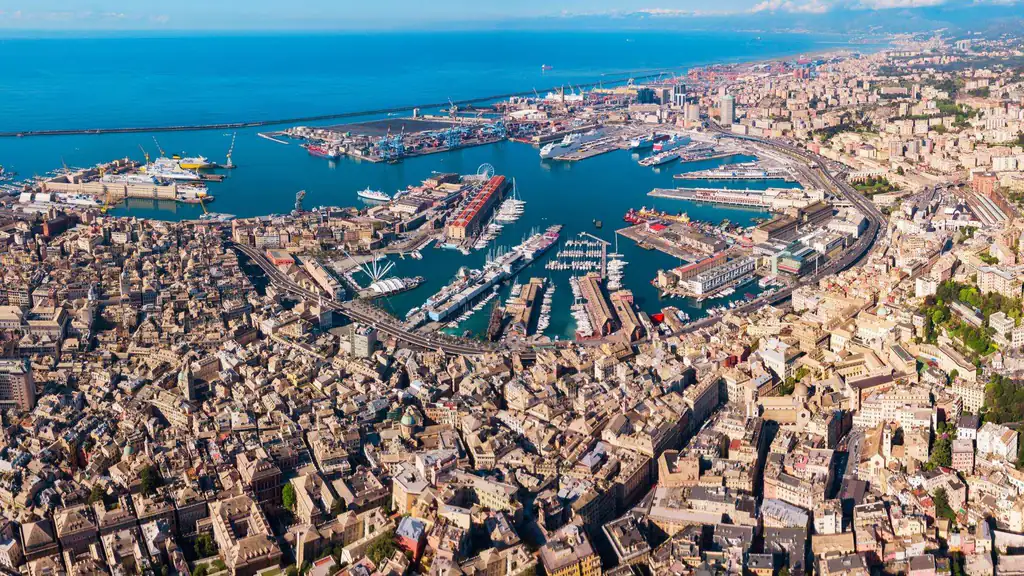
Genoa deserves at least two days and is the right choice when the weather is not beach weather. It is a vertical city of lifts and funiculars, with one of Europe’s largest historic centres. For areas and hotels, see where to stay in Genoa.
Old town and the Rolli Palaces
Start in the caruggi, the narrow lanes running down to the port, full of small shops, fry shops and hidden squares. Then climb to Via Garibaldi, the 16th-century Strade Nuove, where the Rolli Palaces have been UNESCO-listed since 2006: some are museums, others open during the Rolli Days. Don’t miss the striped Cathedral of San Lorenzo or the view from Spianata di Castelletto.
Old Port and Aquarium
The Porto Antico, redesigned by Renzo Piano, is the city’s waterfront, home to the Genoa Aquarium, the Galata Maritime Museum and the Biosphere. With children it is an easy half day. The city’s symbol, the Lanterna lighthouse, can be reached on foot along a walkway through the port.
Boccadasse and Nervi
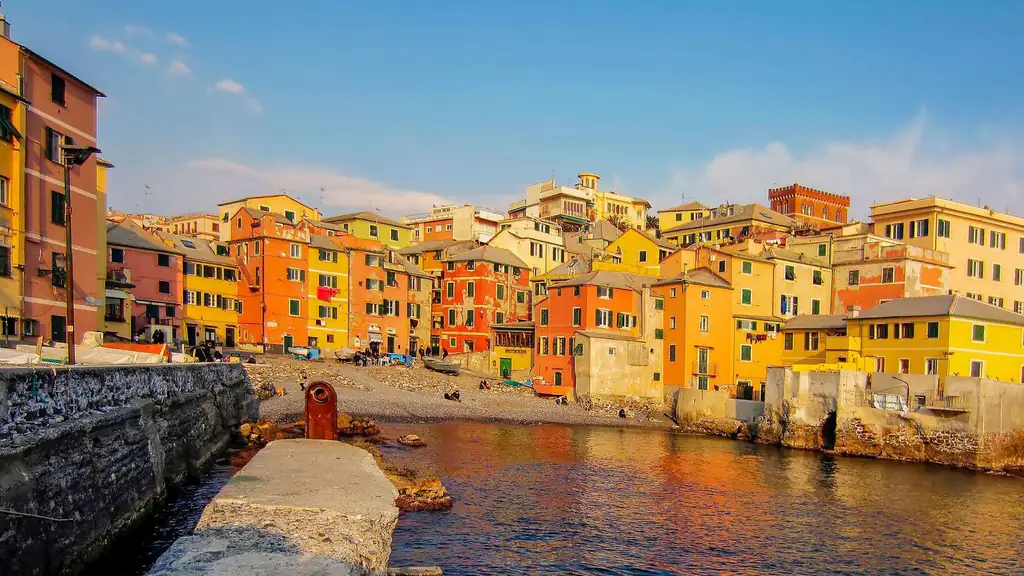
Boccadasse is an old fishing hamlet inside the city: coloured houses, a pebble cove and boats pulled up on shore, best at sunset. Further east, Nervi has the Anita Garibaldi promenade, about two kilometres along the rocks. For what to order, from focaccia to farinata and pesto, read what to eat in Genoa.
Portofino and the Tigullio
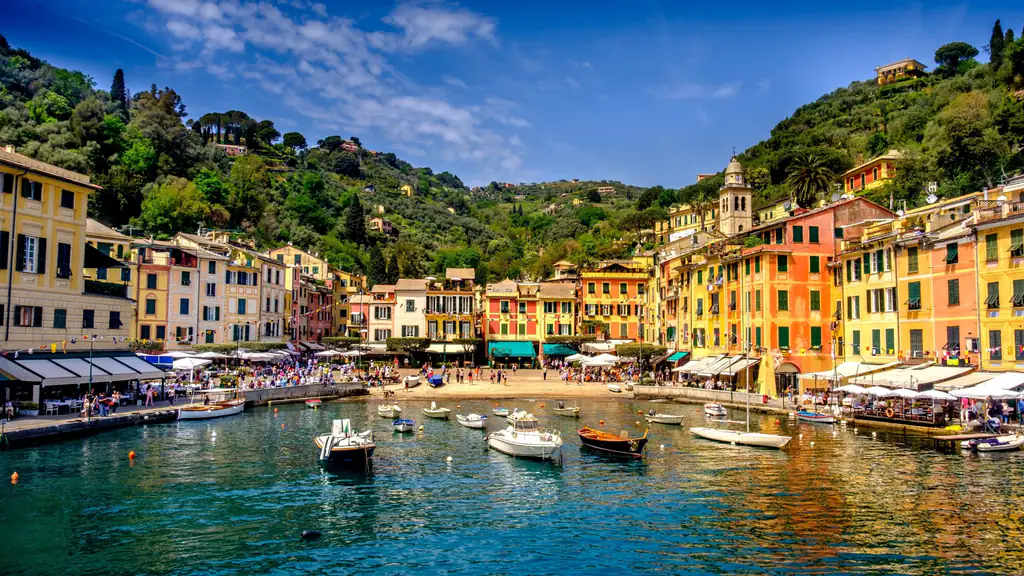
The Portofino promontory is a nature park and a marine protected area, with the Tigullio gulf on one side and the Golfo Paradiso on the other. The best way to see it is without a car: train to Santa Margherita, Rapallo or Camogli, then bus, ferry and footpaths.
Portofino
Portofino is tiny, around 360 residents, and takes a few hours on foot: the Piazzetta on the horseshoe harbour, the climb to San Giorgio, Castello Brown above the bay and the walk to the Punta del Capo lighthouse. Arrive early or stay until evening, when the day-trippers leave. From Santa Margherita you can walk there in about an hour and a half: route in Santa Margherita to Portofino.
San Fruttuoso
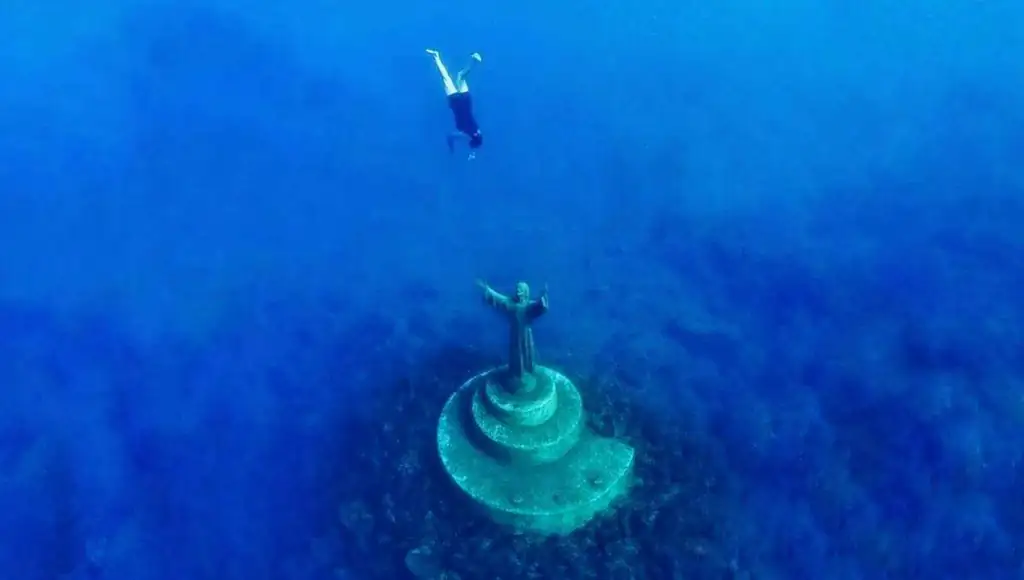
The Abbey of San Fruttuoso sits in a bay reachable only on foot or by boat. Offshore, a few metres down, is the Christ of the Abyss, a bronze statue placed in 1954. From Portofino the trail takes about two hours with 250–280 metres of climbing: details in Portofino–San Fruttuoso trail. Take the ferry back.
Camogli, Rapallo and Sestri Levante
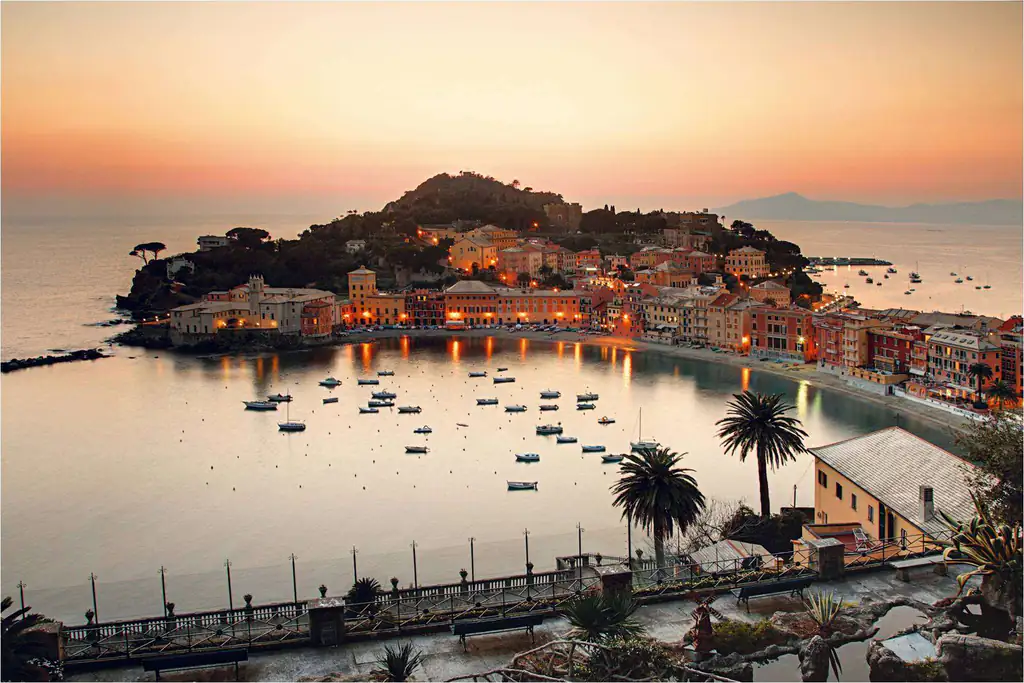
Camogli is the postcard of the Golfo Paradiso: tall painted houses on the sea, a small harbour with wooden boats, the basilica on its rock; ferries leave from here for San Fruttuoso all year. In Rapallo the castle stands in the water and a cable car climbs in about seven minutes to the sanctuary of Montallegro, at 612 metres. Further east, Sestri Levante has two bays side by side: the small Bay of Silence and the Bay of Fables. Antique lovers should time a visit with the monthly market in Chiavari.
Hotels, B&Bs and apartments all over Liguria: compare prices and availability.
Cinque Terre and the Gulf of Poets
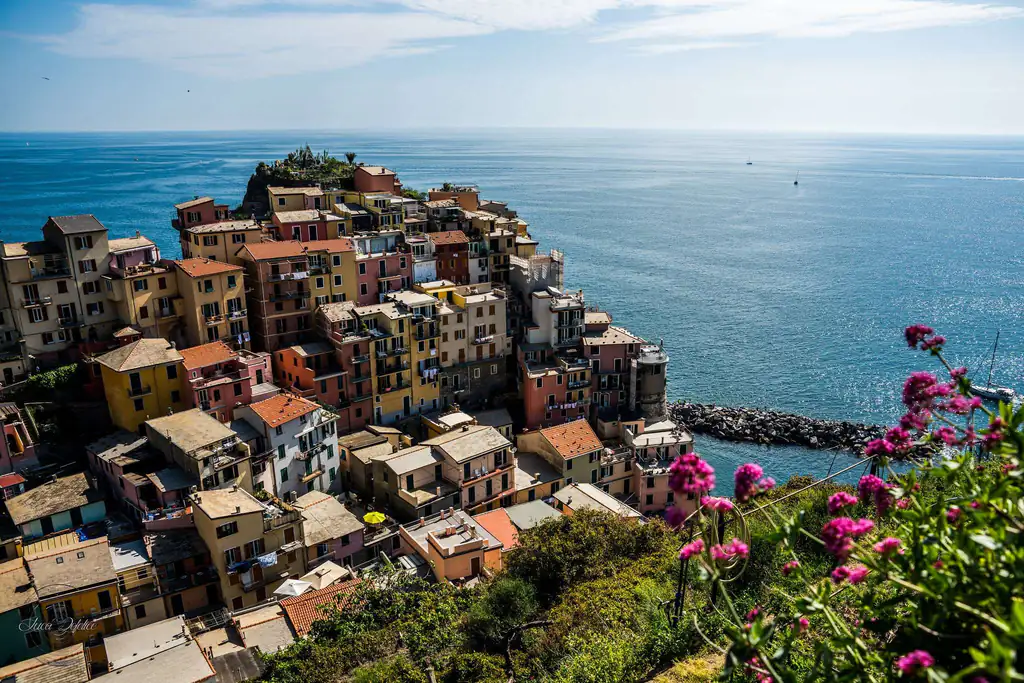
The Cinque Terre are Liguria’s most famous sight and the most crowded: five villages on a steep coast of terraced vineyards, UNESCO-listed since 1997 together with Portovenere and the islands. Travel by train, never by car: the line links the villages in a few minutes (times and fares in Cinque Terre train timetable).
The five villages
Monterosso is the largest and the only one with real beaches; Vernazza has its square on the harbour and the Doria castle; Corniglia sits on top of a headland, reached by the Lardarina stairway of 377 steps; Manarola is the one in the famous photo, houses on a rocky spur; Riomaggiore runs down a narrow valley to a tiny harbour. Give them two days, not one: early morning and evening are a different world.
Via dell’Amore
Reopened after years of works, the Via dell’Amore is a 900-metre cliff path between Riomaggiore and Manarola. It now runs one way only, in that direction, with a ticket (from 10 euros) and a time slot booked on the official website. It is the easiest walk in the Cinque Terre; in high season book well ahead.
Portovenere and Palmaria island
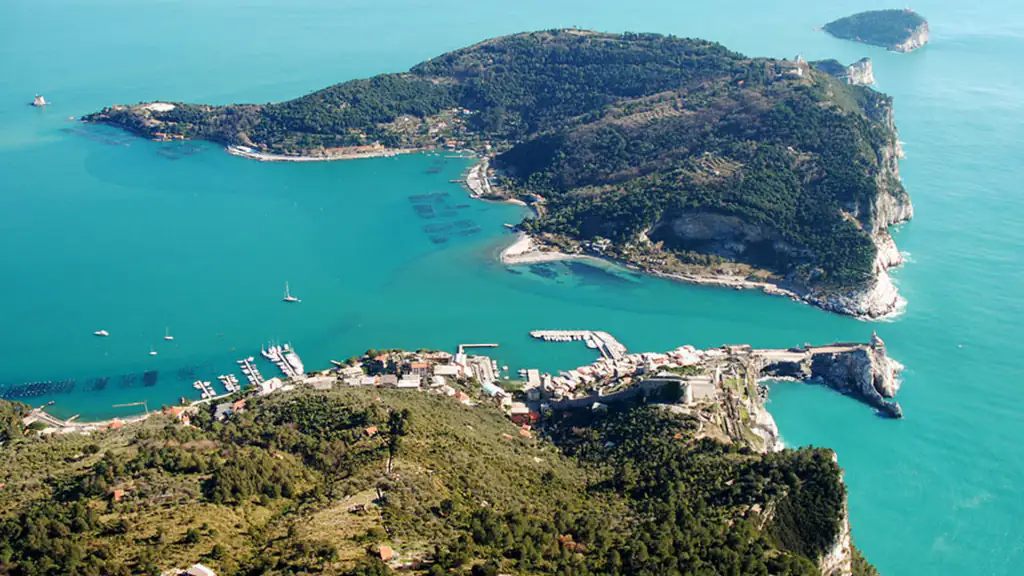
Portovenere closes the Gulf of La Spezia with tall coloured houses on the harbour, the Doria castle and the church of San Pietro on the cliff. Opposite lies Palmaria, the largest island in Liguria, a short boat ride away: the loop trail is about six kilometres, two to three hours on foot (see Palmaria island). From La Spezia ferries run to Portovenere, the islands and the Cinque Terre.
Lerici, Tellaro and Sarzana
Across the gulf, Lerici has a castle on the sea and a promenade to San Terenzo; a coast road leads on to Tellaro, a fishing village built on the rocks, with the pink church of San Giorgio by the water. Inland, a few kilometres from Tuscany, Sarzana is an art town with two 15th-century fortresses (see Sarzana’s fortresses) and a main street lined with antique shops.
Coastal walks
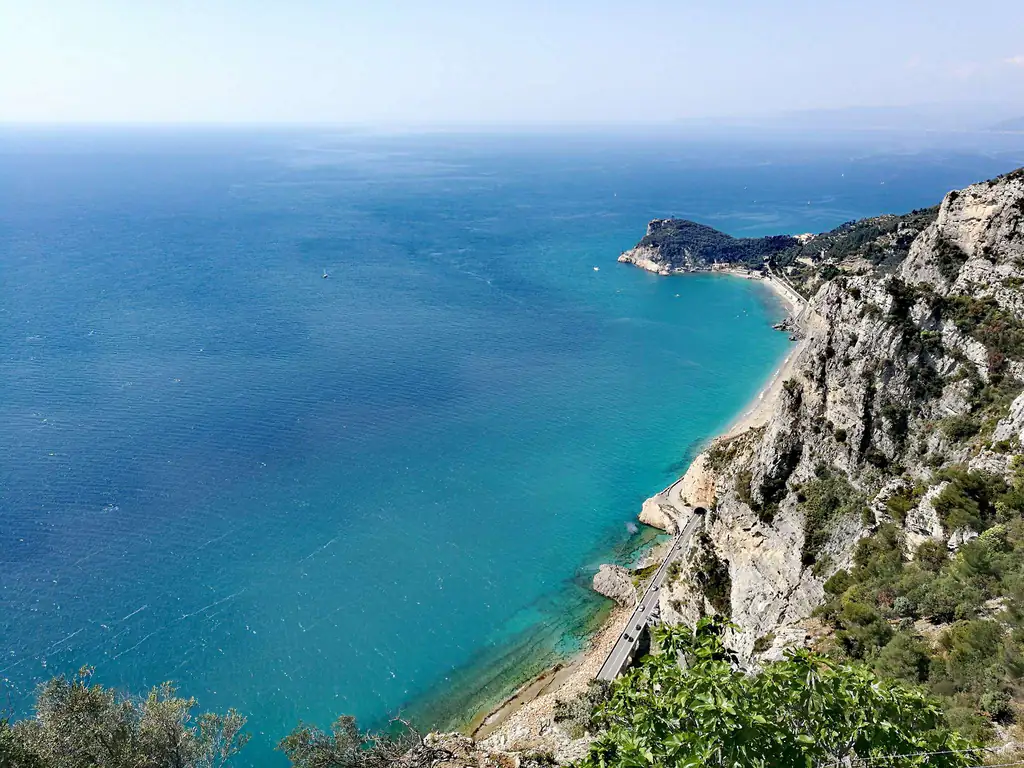
Liguria makes most sense on foot. Coastal trails are mostly short, two to three hours, but with steep climbs and steps: wear hiking shoes, carry water and start early in summer. Always check trail status before you set off, as landslides often close sections.
- Pilgrim’s Path: from Varigotti to Noli over Capo Noli, about 5–6 km and 2–3 hours, past the Forgers’ Cave and the Witches’ Tower. Details in Pilgrim’s Path.
- Portofino–San Fruttuoso: about two hours through the park woods. The Passo del Bacio and Via dei Tubi on the Camogli side are banned by local ordinance.
- Levanto–Monterosso via Punta Mesco: about three hours from Levanto, ending with the descent onto Monterosso bay.
- Cinque Terre Blue Trail: since 10 September 2026 the National Park has closed the Corniglia–Vernazza–Monterosso section for geological checks, with no reopening date; Manarola–Corniglia has been closed for years. Open alternatives are on our Cinque Terre trails page.
- Tellaro and Montemarcello: paths through olive groves above the sea near Lerici, described in Tellaro trails.
If you prefer cycling, the Riviera dei Fiori cycle path follows the old railway for almost 48 continuous kilometres between Ospedaletti and Andora, passing Sanremo and San Lorenzo al Mare (see the cycle path). For mountain biking, the place is Finale Ligure, with over 200 trails and more than 4,000 climbing routes inland.
Beaches worth the detour
Most of the Ligurian coast is pebbles and rocks; sand is concentrated in the west, in the province of Savona. Below are the beaches worth going out of your way for; the full list is in Liguria beaches and, for sand only, sandy beaches in Liguria.
- Alassio: more than three kilometres of fine sand facing Gallinara island. See Alassio beaches.
- Varigotti: Varigotti has coloured houses right on the sand and, towards Capo Noli, the Baia dei Saraceni.
- Bergeggi: a marine protected area with an island and a sea cave to explore by kayak or with a snorkel. See Bergeggi island.
- Bay of Silence: a small beach among the coloured houses of Sestri Levante, best early in the morning.
- Paraggi and Camogli: the bay of Paraggi, between Santa Margherita and Portofino, and the pebbles below Camogli’s houses (see Camogli beaches).
- Monterosso: the widest beaches in the Cinque Terre, at Fegina and in the old village. See Monterosso beaches.
For a swim away from the sea, in summer try the Rocchetta Nervina rock pools, emerald natural basins in the Barbaira stream.
What to eat in Liguria
Ligurian food is simple and fragrant: herbs, olive oil, vegetables and oily fish. Some things are worth tasting in the right place.
- Pesto genovese: Genoese basil (DOP), pine nuts, garlic, cheese and oil, pounded in a mortar. With trofie, trenette or in minestrone.
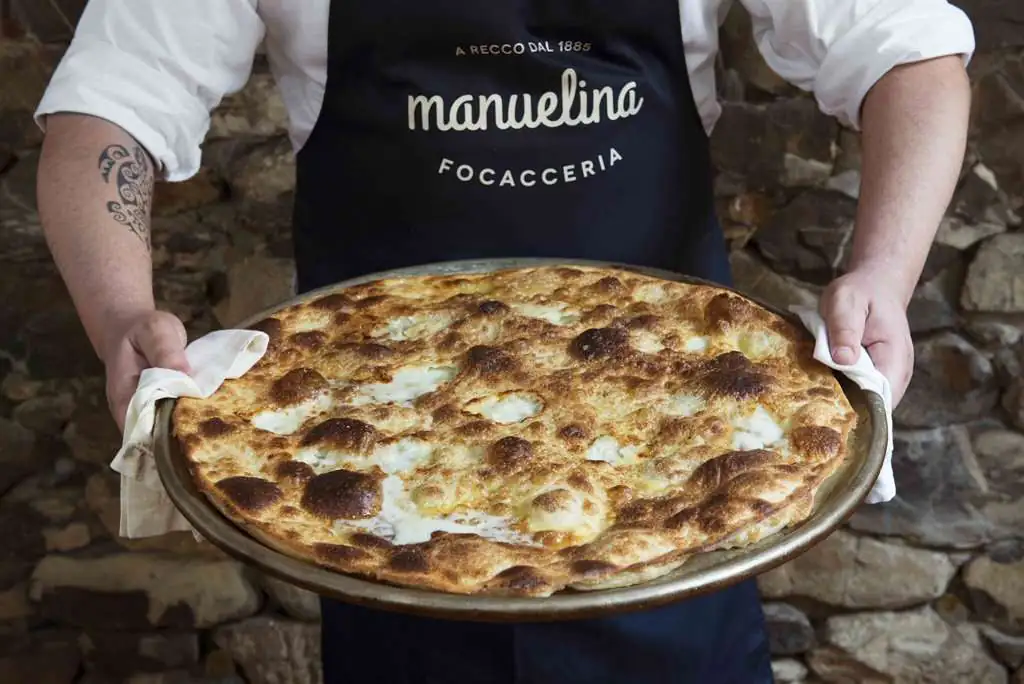
- Focaccia: Genoese focaccia, thick and oily, is breakfast food; focaccia di Recco with cheese, IGP since 2015, is paper-thin and filled with fresh cheese. Try it in Recco or Camogli.
- Farinata and fried snacks: chickpea flatbread baked in a wood oven, sold in Genoa’s sciamadde alongside vegetable pies and fritters.
- Wine: Rossese di Dolceacqua, Liguria’s first DOC (1972), Pigato from the Albenga plain, Cinque Terre white and Sciacchetrà, a sweet wine from dried grapes.
- Olive oil and Taggiasca olives: named after Taggia, above Arma di Taggia; you will find them all over the western Riviera.
- Sweets and seafood: Baci di Alassio, hazelnut and chocolate biscuits, and muscoli (mussels) from Portovenere and La Spezia, sometimes stuffed.
Suggested itineraries: 3, 5 and 7 days
These routes use the coastal train, with ferries where useful; a car only pays off for the western hinterland. Pick one base per area instead of changing hotel every night: ideas in where to stay in Liguria.
3 days: Genoa, Portofino and Cinque Terre
- Day 1: Genoa, the caruggi, Via Garibaldi and the Old Port; evening in Boccadasse.
- Day 2: train to Santa Margherita, walk or bus to Portofino, trail or ferry to San Fruttuoso; sleep in Santa Margherita or Rapallo.
- Day 3: Cinque Terre by train: Monterosso in the morning, Vernazza, then Manarola at sunset. To sleep in the villages, see where to stay in Monterosso or in Manarola.
5 days: the whole Riviera di Levante
- Days 1–3: as above, adding half a day in Camogli or Sestri Levante.
- Day 4: Cinque Terre at a slower pace: Corniglia, Riomaggiore and a pre-booked Via dell’Amore.
- Day 5: Portovenere and Palmaria by boat, evening in Lerici or Sarzana. A practical base for the last three days: La Spezia or Levanto.
7 days: west to east
- Day 1: Hanbury Gardens, then Dolceacqua and Apricale (by car); sleep in Bordighera or Sanremo (see where to stay in Bordighera).
- Day 2: Sanremo and its old town, the Pigna, Bussana Vecchia, and an afternoon on the cycle path.
- Day 3: Cervo, Alassio and Albenga, then Finalborgo for the evening; with an extra day, the Pilgrim’s Path between Varigotti and Noli.
- Day 4: Genoa.
- Day 5: Camogli, Portofino and San Fruttuoso.
- Days 6–7: Cinque Terre and Portovenere.
To get a sense of distances, check the map of Liguria and our area guides to the Riviera di Ponente and the Riviera di Levante.
To explore the western Riviera and the Côte d’Azur without changing hotel every night, you can stay in Bordighera: there is a one-week plan in Bordighera as a base.
Guides by theme
- Gulf of Poets and Tigullio Gulf: the two best-known bays of the eastern Riviera
- Hiking in Liguria and the Alta Via dei Monti Liguri
- Ligurian food and Ligurian wines, from Sciacchetrà to Rossese
- Pelagos Sanctuary and whale watching
- From Nice to the Italian Riviera by train
- Dog beaches and Cinque Terre vs Amalfi Coast
Frequently asked questions
What is the most beautiful place in Liguria?
The Cinque Terre are the most famous, but for many the best combination is Portofino with San Fruttuoso, reached on foot or by boat. For something less crowded, Dolceacqua and Apricale in the western hinterland are the surprise of the trip.
How many days do you need in Liguria?
Three days cover Genoa, Portofino and the Cinque Terre. Five let you see the eastern Riviera properly, including Portovenere and Palmaria. For the whole coast, west included, allow at least seven days.
Riviera di Ponente or Riviera di Levante?
The Levante (east) has the famous names, Portofino, Cinque Terre and Portovenere, and a steeper coast with fewer sandy beaches. The Ponente (west) has wider beaches, gardens, hill villages and often lower prices. For a short first trip choose the east; for a family beach holiday, the west.
Do you need a car in Liguria?
Not for the coast: the railway links almost every town from Ventimiglia to La Spezia, and in the Cinque Terre and Portofino a car is more problem than help. You do need one for hill villages such as Triora, Apricale or Pigna, which have few buses.
Is the Cinque Terre Blue Trail open?
Not in full. Since 10 September 2026 the National Park has closed the Corniglia–Vernazza–Monterosso section for geological checks, with no reopening date, and Manarola–Corniglia has been closed for years. The Via dell’Amore between Riomaggiore and Manarola is open with a ticket and booking. Check the Park website before you go.
When is the best time to visit Liguria?
May, June and September: the sea is already or still warm, trails are in good shape and crowds are smaller than in July and August. In winter the coast stays mild, which makes it a good time for Genoa, the gardens and the villages without queues.
Where is the best base for exploring Liguria?
For the east, Santa Margherita, Rapallo, Sestri Levante, Levanto and La Spezia all have a station and ferries. For the west, Sanremo, Bordighera, Alassio and Finale Ligure work well. Genoa is the right base for the city and for day trips by train in both directions.