Villa Rosa ad Altare, villa Liberty sede del Museo dell'Arte Vetraria Altarese

Altare

The glass town of the Val Bormida: Glass Museum at Villa Rosa, furnace, churches and forts. 11 km from Savona.

Villa Rosa ad Altare, villa Liberty sede del Museo dell'Arte Vetraria Altarese
Area
Riviera delle PalmeRiviera di Ponente · Province of SV
Ideal for
Glass and museumArt Nouveau villas, a Val Bormida town, a day trip from the sea
Beaches
None in townthe nearest sea is the Savona coast (11 km)
Best time to go
April–June and September–OctoberSan Martino in mid-November, Glass Fest in summer
By train
Station in townSavona–San Giuseppe di Cairo line: about 16–20 min from Savona, few trains ⚠️
By car
A6 Turin–Savona, Altare exitSS 29 through the centre. From Savona 11 km, from Genoa about 62 km
Airport
Genoa (distance from Altare not verified)Turin Caselle is far ⚠️
How long to stay
Half a day, best in the afternoona full day with Cairo Montenotte or Millesimo

Welcome to Altare

Altare

Altare is a small town in the hills behind Savona, at about 400 metres and 11 km from the city, on the northern (Po Valley) side of the Apennines. It has around 1,950 inhabitants and borders Cairo Montenotte, Carcare, Mallare, Quiliano and Savona. What it is known for is glass. Glassmaking here is documented without a break from the 12th to the 20th century, and the town has turned it into a museum, a festival and a way of telling its own story.

This is not a seaside stop and it has no postcard centre. You come for two or three specific things: the Glass Museum in an Art Nouveau villa, the demonstration furnace that is lit in the garden on certain occasions, and a walk past churches, villas and the remains of old fortifications. It takes half a day, ideally in the afternoon, because the museum opens after lunch.

The town sits on the road that climbs from Savona to the Cadibona pass and over into Piedmont, so it pairs well with a Val Bormida day out with Cairo Montenotte and Millesimo. The story of its glass, from the medieval masters to the 19th-century cooperative, is told in Altare glass: history, museum and furnace.

Where is Altare?

Altare is in Liguria (Riviera di Ponente, Riviera delle Palme, province of SV).

Map: where Altare is in LiguriaPIEDMONTLOMBARDYEMILIA-ROMAGNATUSCANYFRANCERIVIERA DI PONENTERIVIERA DI LEVANTELIGURIAN SEASavonaImperiaSanremoLa SpeziaAltare
Boundaries: ISTAT, Natural Earth · Interactive map →

What to see

What to see in Altare

Villa Rosa ad Altare, villa Liberty sede del Museo dell'Arte Vetraria Altarese

You can walk round the town in an hour or two, stops not included. A sensible order is Villa Rosa and the museum first, then down to the centre and the churches, leaving the pass and the forts outside town for last. The municipality publishes no opening times for the churches: if they are closed, look from outside.

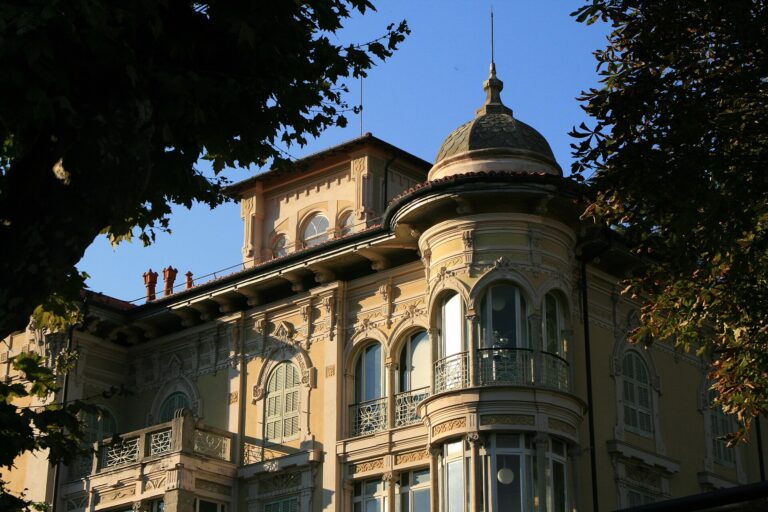
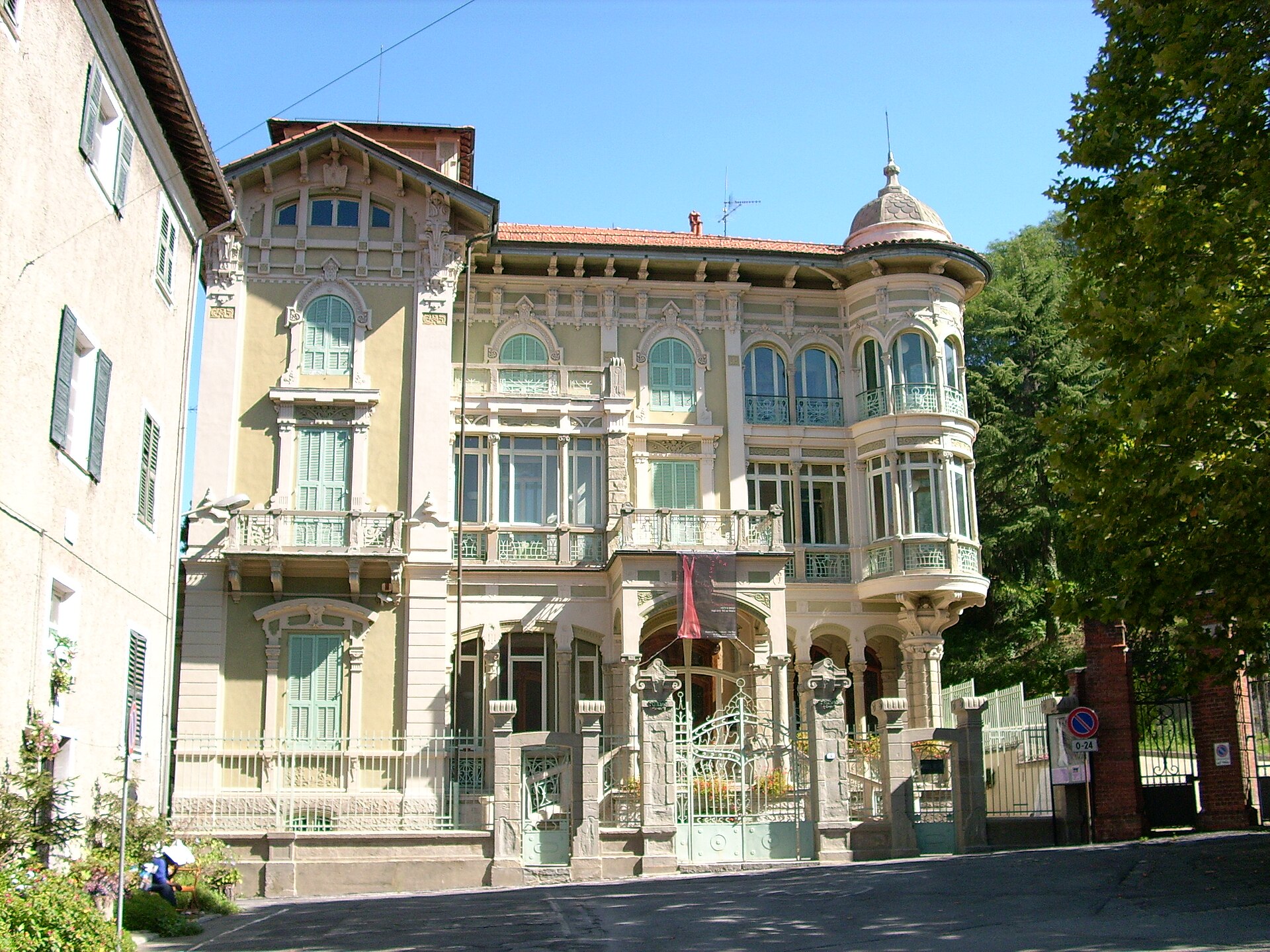
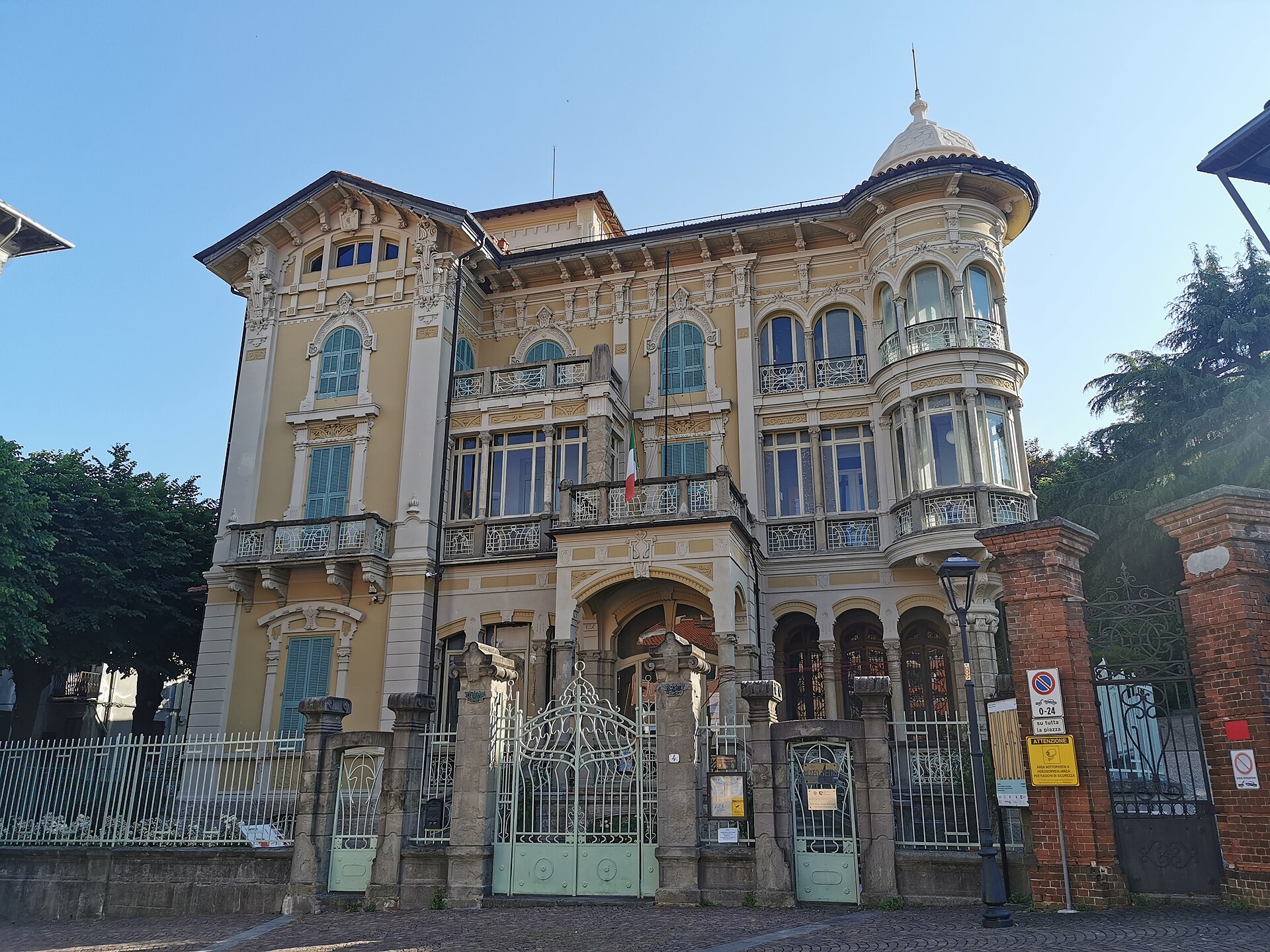
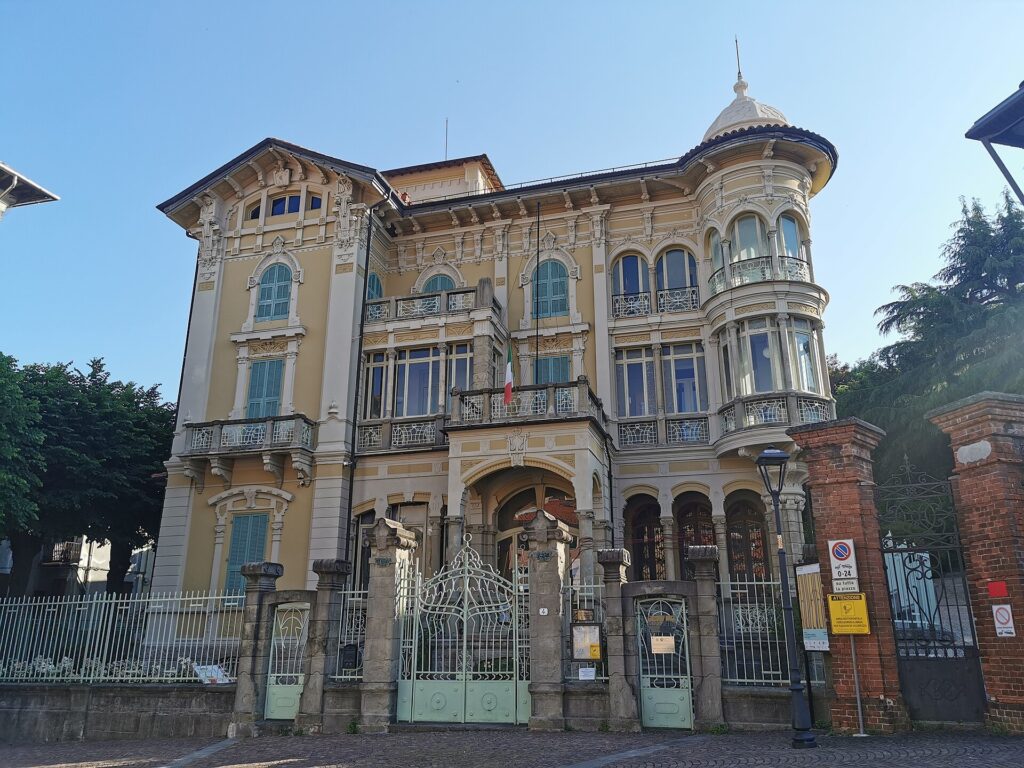
La facciata di Villa Rosa con il bovindo ad angolo, sede del museo del vetro

Villa Rosa

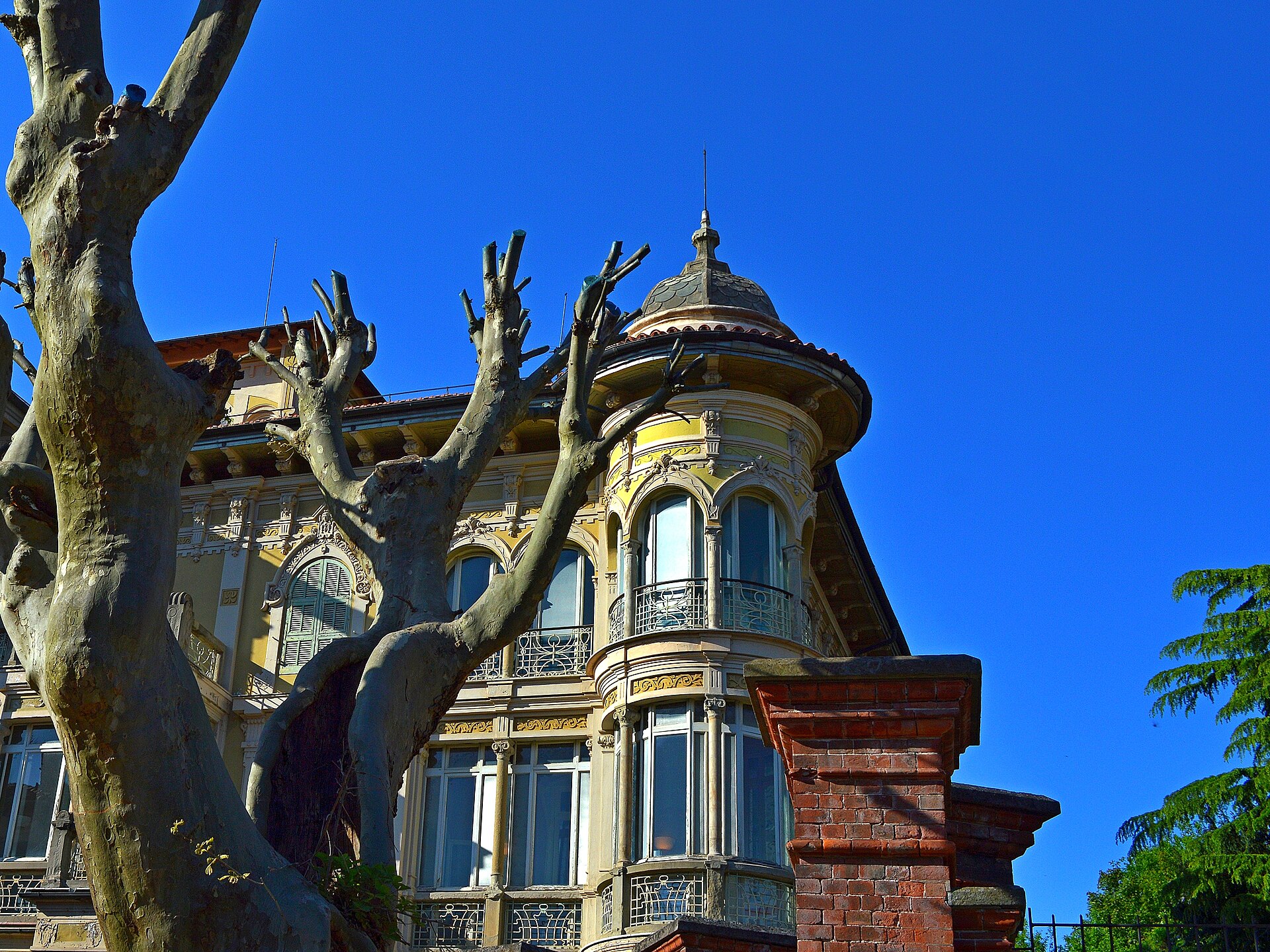
The most recognisable building in town. It was built between 1905 and 1906 by Monsignor Giuseppe Giovanni Bertolotti, who named it after his sister Rosalia; the engineer Nicolò Campora designed it. It has the Art Nouveau style typical of early 20th-century villas, with a corner bay window and decorated windows. The State bought it in 1992 using its right of pre-emption and, after restoration, it became the home of the glass museum. The villa also holds a specialist glass library. You can see it well from the square outside even if you do not go in.

Villa Rosa, sede del Museo dell'Arte Vetraria Altarese, vista dal basso con la cupola

Museo dell'Arte Vetraria Altarese (Glass Museum)

It began as the company museum of the SAV, the glassmakers’ cooperative, and is the best starting point for understanding Altare. The collection runs from 1650 to today, with everyday objects, glass for pharmacies and for chemistry, tools and moulds used in hand glassmaking, and multimedia displays explaining the stages of the work. In the garden there is a small demonstration furnace for blown glass, which the museum lights often during the year.

The opening times are not simple. Everything agrees that it is closed on Mondays. For October 2026 the museum’s own website shows winter hours, Tuesday to Saturday 14:00 to 18:00; the Ministry of Culture and museionline give Tuesday to Sunday 14:00 to 18:00. According to the Ministry listing, updated in May 2026, tickets are 7 € full and 5 € reduced. Before you set out, call the museum (019 584734) or write to info@museodelvetro.org ⚠️.

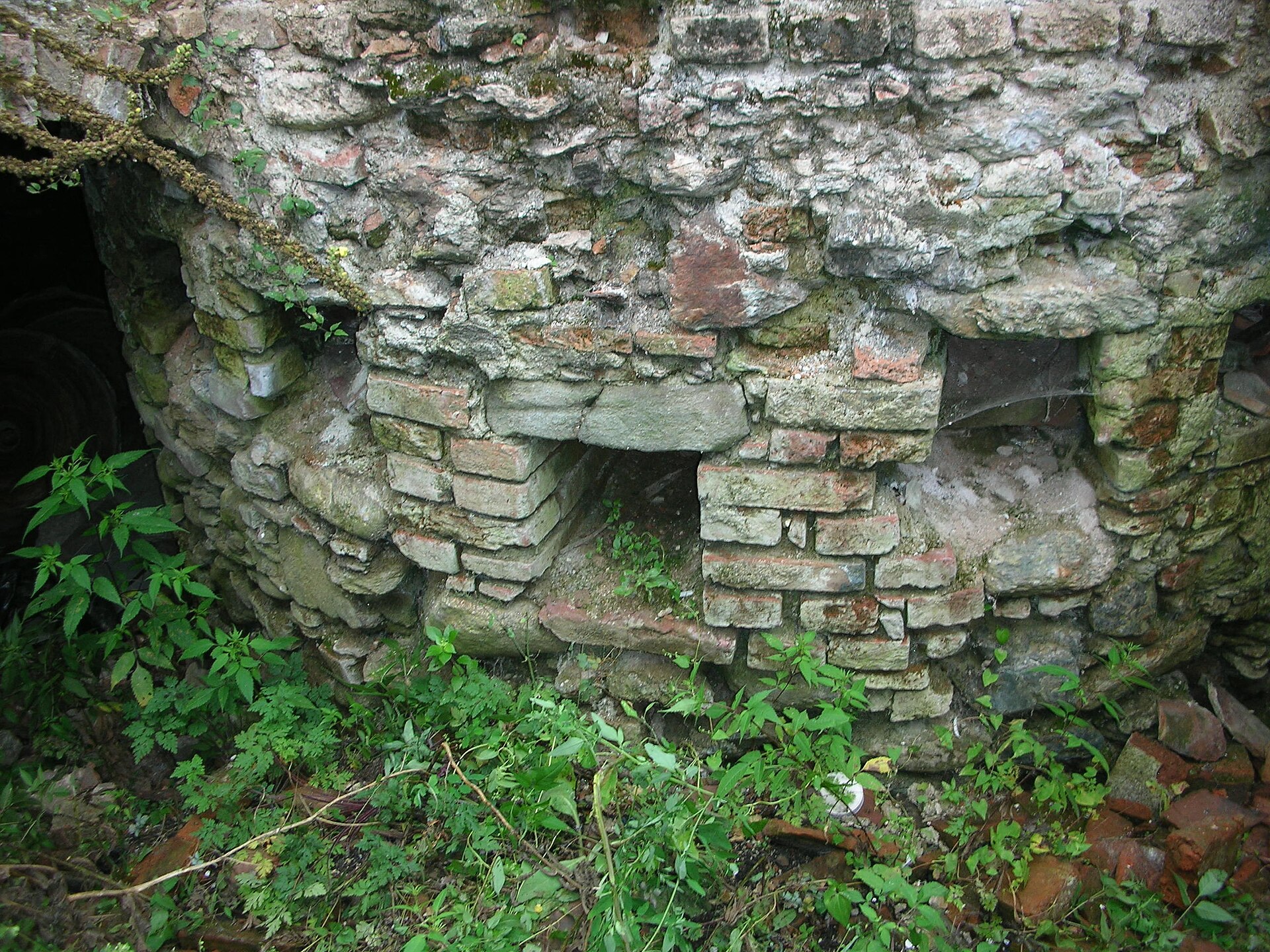
Resti del forno Racchetti, antico forno fusorio del vetro ad Altare

The Racchetti furnace

Altare still has the ruins of the melting furnace of the Racchetti glassworks, from the 17th to 18th century, considered the oldest surviving physical evidence of glassmaking in the area. It has been reported to the heritage authority and is protected; no visiting information or hours are published, so do not make a special trip: see the museum first and ask there where it is ⚠️.

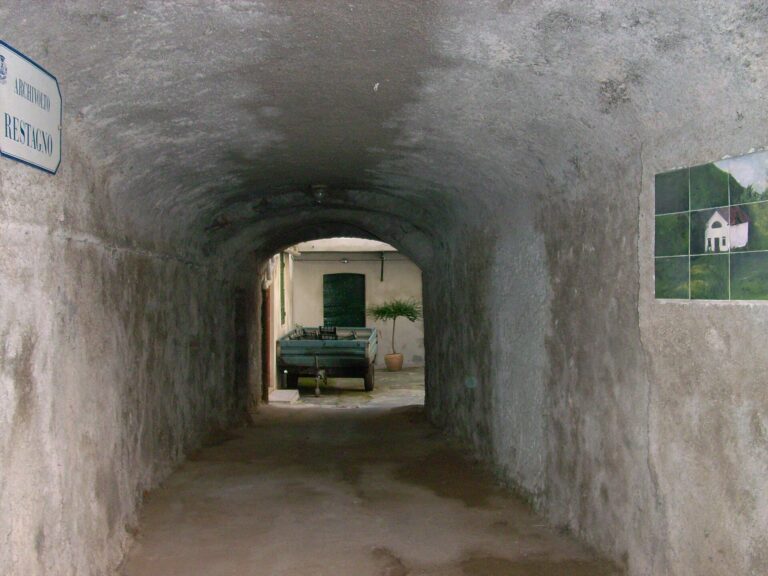
L'archivolto Annibale Restagno, passaggio coperto nel centro storico di Altare

The old centre and the Restagno archway

The old centre is small and easy to walk. Among the covered passages is the Annibale Restagno archway, worth a photograph. Besides Villa Rosa, the town’s Art Nouveau villas include Villa Agar and Villa Bordoni, both from 1901; you look from outside, since they are not open to the public. The Ponte della Volta is first mentioned in 1232.

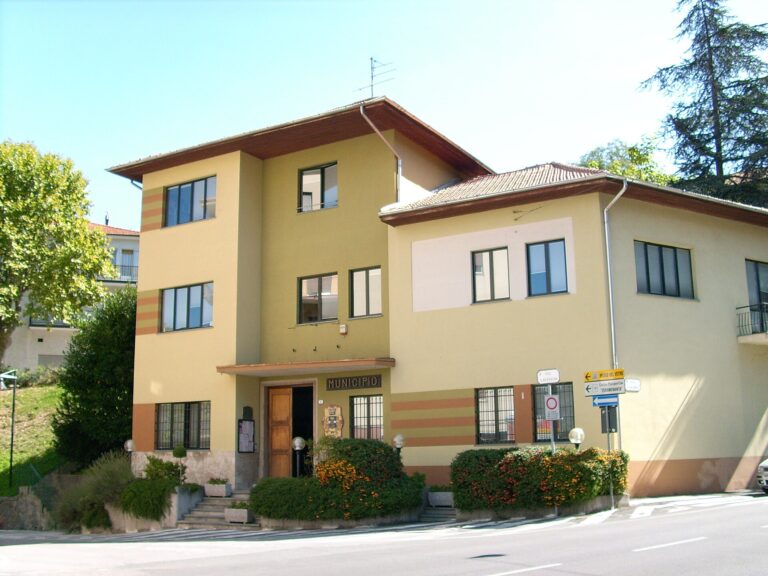
Il municipio di Altare

The town hall

The Comune is at via Restagno 2. Its website has a section called «Vivere Altare» with pages on history, civil, religious and military architecture and the museum: worth a look before you leave, because it is the fullest source on the town.

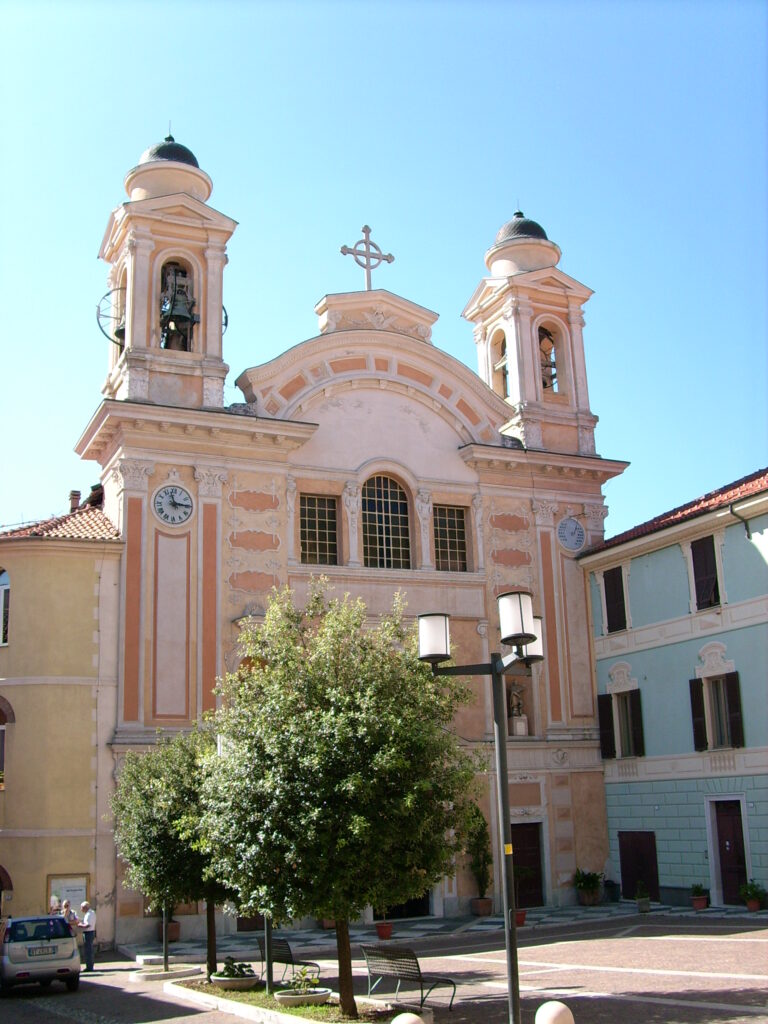
La chiesa parrocchiale di Sant'Eugenio ad Altare

Church of Sant'Eugenio

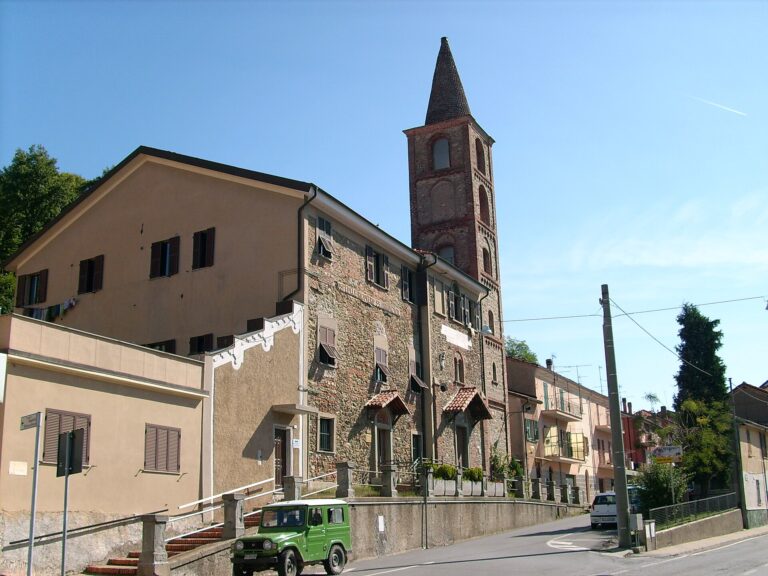
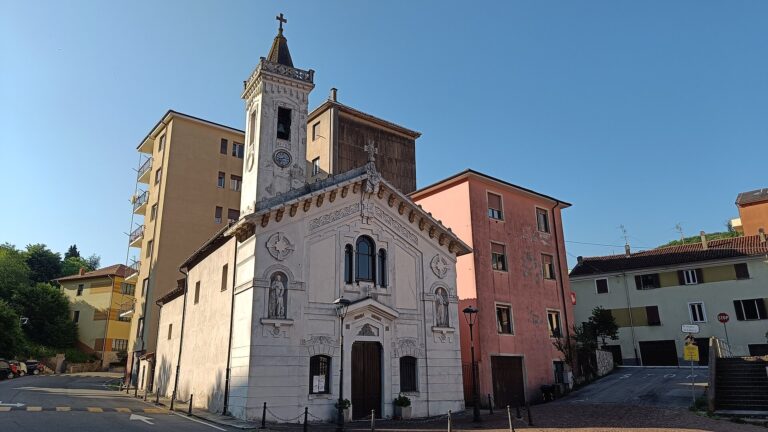
The parish church, in the old centre. It was built between 1620 and 1650, heavily altered in 1875, and the façade, with two small bell towers, was partly rebuilt in 1901. Inside there is a single rectangular nave with four side chapels on each side and a wide presbytery.

La chiesa della Santissima Annunziata e il suo campanile ad Altare

Church of the Santissima Annunziata

This was the earliest parish church. The first church dates from the mid-12th century and was built by the Benedictine monks of Lérins from the monastery of Bergeggi; the present building is from 1650, paid for by the glassmaker Matteo Buzzone on the foundations of the earlier church. One detail links it to the rest of the town: the Benedictines are named as the probable origin of local glassmaking.

Nostra Signora dei Prati

A small church that the Comune dates to around the year 1000, built by the townspeople. It keeps frescoes in a local style that are said to show scenes from the lives of Saints Nazarius and Celsus. In the Second World War it served as a mortuary chapel, then as a store, and it was reopened for worship in 1992.

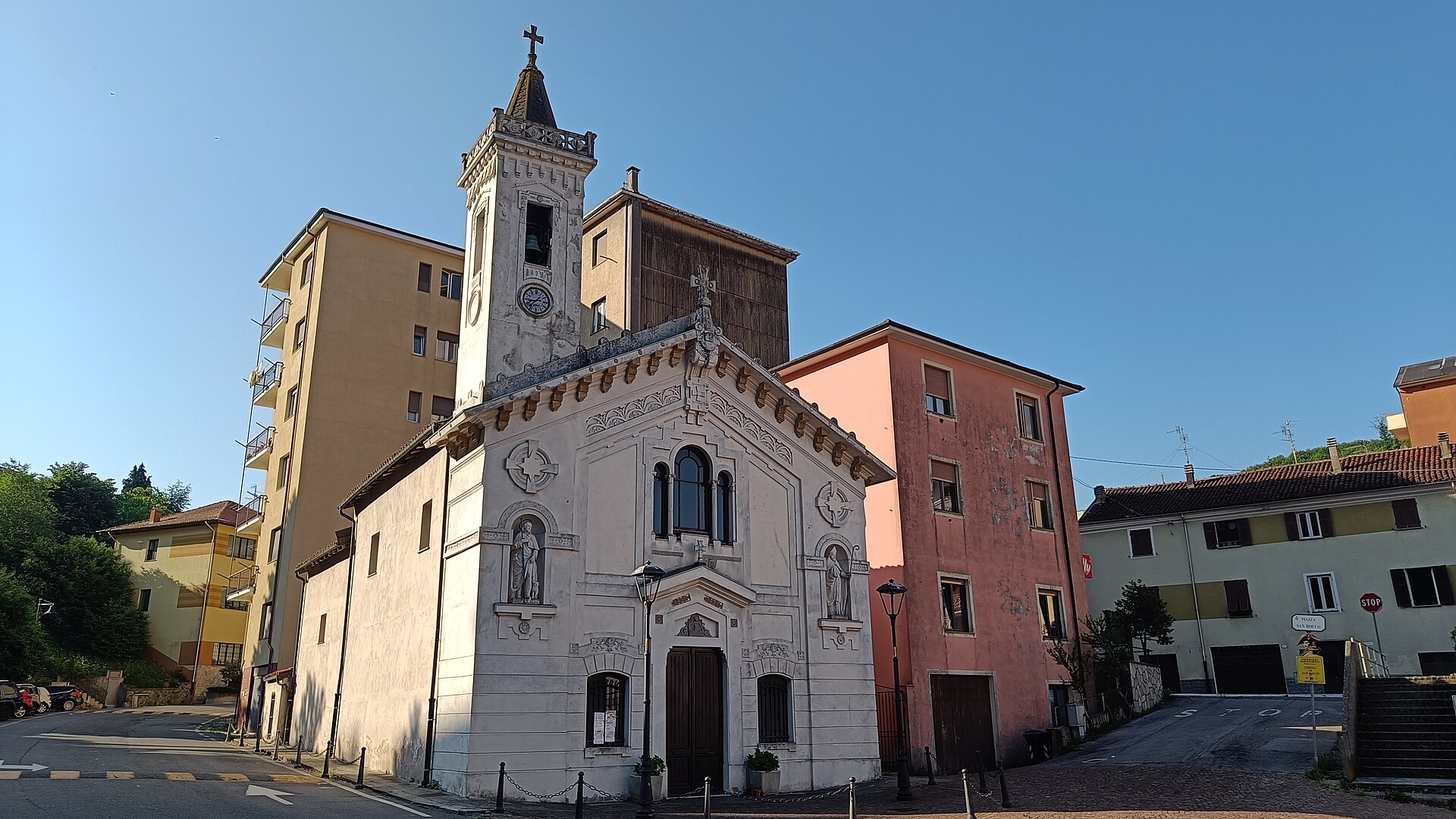
La chiesa di San Rocco ad Altare

The oratories of San Rocco and San Sebastiano

The oratory of San Rocco dates from 1590 and was originally dedicated to Saint Philibert, patron of glassmakers; it took the name of San Rocco after the plague of 1628–1631. Inside are statues of both saints, and on 16 August, the patron’s feast day, the statue of San Rocco is carried in procession. Restoration finished in 2008. The oratory of San Sebastiano is 16th-century, in Renaissance style, and until 2004 it housed the glass museum temporarily before it moved to Villa Rosa.

The marquises' castle

The castle was built in the 12th century and demolished in 1629: only ruins remain, and there are no published routes or opening times. If the history of the marquises who ruled the town interests you, the Comune’s history pages cover it; there is not much to see on the spot.

The forts of the Altare barrier

Above the town, among the woods, are 19th-century forts built to block the road over the Cadibona pass. Sources disagree on dates: the FAI gives 1885–1890 for Forte Tecci, Wikipedia gives 1890–1895 for the Forte di Altare. The FAI describes Tecci as abandoned and in poor condition and has listed it as a «Luogo del Cuore»: there are no regular visits or access, so look from outside and do not go in ⚠️.

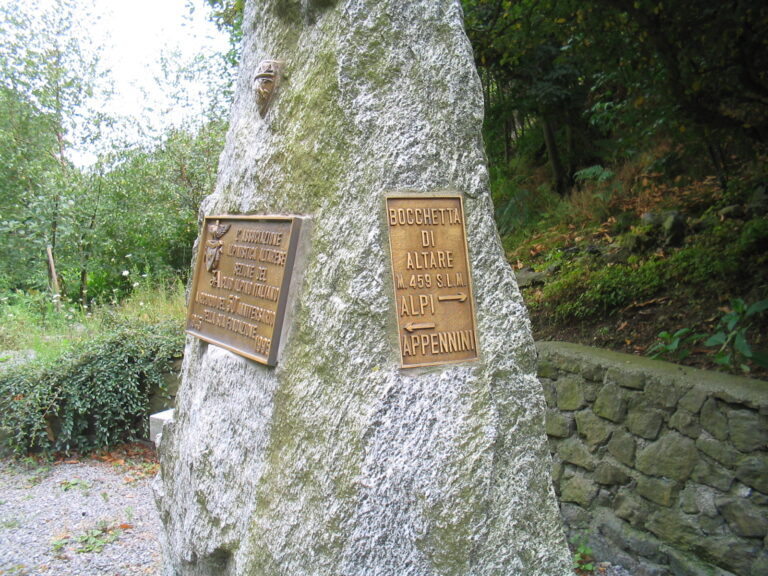
Il monumento alla Bocchetta di Altare, punto di divisione tra Alpi e Appennini

The Bocchetta di Altare

The Bocchetta di Altare, also called the Cadibona pass, is at 459 metres. By convention it is where the Ligurian Alps end and the Apennines begin, and a monument put up by the Alpine Committee marks the spot. State road 29 crosses it, and the Alta Via dei Monti Liguri path comes down to it. We have no marked and verified walk from Altare to the pass: ask the Comune for a map.

The fossil laboratory

The Comune mentions a fossil laboratory in the «Aldo Capasso» primary school; no visiting hours are published, so arrange it with the Comune.

Villa Rosa ad Altare, villa Liberty sede del Museo dell'Arte Vetraria Altarese

Where to stay

Where to stay in Altare

We have no verified data on how many places to stay there are in town, so we name none: a town of about 1,950 people has a small supply and it is best to book early. Staying in Altare makes sense if you want a quiet base for the Val Bormida or Piedmont; for the sea and a wider choice of restaurants and hotels, Savona, 11 km away, or a Riviera resort is easier. Without a car it is simpler to stay on the coast and come up for the day.

Getting there

How to get to Altare

By car

A6 Turin–Savona, Altare exit; SS 29 through the centre. From Savona 11 km, from Genoa about 62 km

By train

Station in town, Savona–San Giuseppe di Cairo line: about 16–20 min from Savona, few trains ⚠️

By plane

Genoa (distance from Altare not verified); Turin Caselle is far ⚠️

By car

Take the A6 Turin–Savona motorway and leave at Altare. State road 29 of the Colle di Cadibona runs through the centre. It is 11 km from Savona; route calculators give about 62 km by road from Genoa and about 123 from Turin.

By train

Altare has a station on the Savona–San Giuseppe di Cairo line, part of the Turin–Fossano–Savona route. According to aggregators the regional train from Savona takes about 16–20 minutes, but there are few services: check times and works notices on Trenitalia, because in 2026 there have been replacement buses on the line ⚠️.

By bus

We found no verified bus timetables for Altare ⚠️. For a service from Savona or Cairo, ask the Comune (its «Come raggiungerci» section) or the local operator.

By air

The most convenient airport is Genoa; we have no verified distance from Altare, and Turin Caselle is a long trip too. From either you then need a car or a train via Savona.

Parking

There is no official information on car parks or charges. The centre is small: leave the car where signs allow and continue on foot.

The guide

Altare glass in brief

The most useful thing to know before entering the museum is how the craft worked. Its origins are probably Benedictine; the first glassmakers with names appear in 13th-century notarial deeds. The Statute of the Art asked outsiders for 300 lire of Savona to be admitted to the Guild, and whoever joined spent four years as a «tizzatore» and another four as an apprentice before becoming a master. By the end of the 15th century about 200 master glassmakers belonged to it.

The glassmakers of Altare travelled: they opened furnaces across Italy, up to 52 glassworks in the 17th century, and in France, where they won tax privileges. One of them, Bernardo Perotto, born in Altare on 26 June 1619, received royal letters patent from Louis XIV in 1688 for casting crystal on tables, a process that allowed mirrors of more than a square metre. In 1856 the furnaces merged into the SAV, the Società Artistico Vetraria. The details, with dates and sources, are in Altare glass.

Events in Altare

San Martino and the Messa del Fuoco. In mid-November, on a Sunday, the museum recalls the tradition: for glassmakers the working year in the furnaces began at Saint Martin’s, with a rite in which the priest lit the melting fire and the Maestro di Piazza blew the first flask, filled with wine and offered with riso in cagnone in a rite called «Bagnare la Piazza». For 2026 the museum’s website shows Sunday 15 November: glassmaking demonstration in the furnace from 14:00 to 18:00, presentation of the commemorative object at 15:00, and the Fiera di San Martino in the streets all day ⚠️.

Altare Glass Fest. The museum’s glass festival, usually between July and early August, with glassmakers from different traditions working in the Villa Rosa furnace. The latest dated edition we found is 2025, 17 July to 3 August; the museum announced the festival’s return in June 2026, but we found no dates, so check the museum website ⚠️.

Feast of San Rocco. On 16 August, with a procession of the saint’s statue from the oratory.

Day trips from Altare

  • Savona, 11 km: harbour, old town and trains to the rest of Liguria.
  • Cairo Montenotte, about 9 km as the crow flies: the Ferrania film factory, covered in Ferrania Film Museum.
  • Millesimo, further up the Val Bormida: the Gaietta bridge and the castle.
  • Bergeggi: home of the Benedictine monastery from which, according to the Comune, came the monks who founded the church of the Annunziata.
  • Albissola, for the other great craft of the Savona area, ceramics: two trades tied to fire and sand.
  • Spotorno and Noli for the sea, on the coast beyond Savona.

A day that works: morning in Savona, lunch in the Val Bormida, glass museum from 14:00, and back to the sea in the evening.
Weather

Weather and best time to visit Altare

April–June and September–October; San Martino in mid-November, Glass Fest in summer

☀️
16°CNow · wind 14 km/h
  1. Sat 24⛅16° 8° 
  2. Sun 25⛅15° 6° 
  3. Mon 26⛅17° 7° 
  4. Tue 27🌤️18° 8° 
  5. Wed 28⛅18° 9° 
  6. Thu 29☀️17° 11° 

Forecast: MET Norway (Yr), CC BY 4.0 licence. Updated hourly.

Altare weather: 10-day forecast and climate →

Weather across Liguria →

MonthJanFebMarAprMayJunJulAugSepOctNovDec
SeaOff seasonOff seasonOff seasonOff seasonOff seasonOff seasonOff seasonOff seasonOff seasonOff seasonOff seasonOff season
Sightseeing and hikingPossiblePossibleGoodIdealIdealIdealIdealGoodIdealIdealIdealGood
CrowdsQuietQuietQuietFew peopleFew peopleFew peopleBusyBusyFew peopleFew peopleBusyQuiet
Don't missAltare Glass Fest (July–early Aug; 2026 dates to be confirmed) ⚠️Feast of San Rocco (16)San Martino and Messa del Fuoco (mid-Nov)

IdealGoodPossibleOff season

Crowds:QuietFew peopleBusyVery busy

Gallery

Photos of Altare

FAQ

Frequently asked questions about Altare

Why is Altare famous?

For glassmaking: the town has documented activity from the 12th to the 20th century, a glassmakers’ cooperative founded in 1856 and a glass museum in an Art Nouveau villa.

How long does it take to visit Altare?

The town takes an hour or two; with the museum, which has a route through several rooms, allow half a day.

When is the Altare Glass Museum open?

It is closed on Mondays. For October 2026 the museum’s website shows Tuesday to Saturday 14:00–18:00; other listings give Tuesday to Sunday. Call 019 584734.

How much is a ticket to the museum?

The Ministry of Culture listing, updated in May 2026, gives 7 € full and 5 € reduced. Check before you go.

Can you see a glassmaker at work?

The museum often lights its demonstration furnace in the garden; at San Martino there is a demonstration from 14:00 to 18:00. Ask the museum for the programme.

Can you reach Altare by train?

Yes: it has a station on the Savona–San Giuseppe di Cairo line, about 16–20 minutes from Savona, with few trains a day.

Are there beaches in Altare?

No. The nearest sea is the Savona coast, 11 km away.

Can you visit the forts above the town?

There are no regular visits: the FAI describes Forte Tecci as abandoned. Look from outside.

When is the best time to go to Altare?

Spring and autumn for walking; mid-November for San Martino and the lit furnace; summer for the Glass Fest. In winter it can be cold at 400 metres.

Nearby

What to see near Altare

9 km as the crow flies

Cairo Montenotte

Val Bormida town: medieval old town, castle ruins, Ferrania Film Museum and the Adelasia reserve. 20 km from Savona.

Discover →

11 km as the crow flies

Savona

Priamar Fortress, the Torretta, the Sistine Chapel and the old harbour: a walkable cruise-port city with white farinata and chinotto.

Discover →

12 km as the crow flies

Millesimo

Medieval village in the upper Val Bormida: Gaietta bridge, Del Carretto castle, Napoleonic Museum, Bric Tana park and truffles. 28…

Discover →

12 km as the crow flies

Bergeggi

Island and Marine Protected Area, sea cave, Blue Flag beaches, snorkelling, kayaking and clifftop trails between Savona and Spotorno.

Discover →
Photos: MadBob (CC BY-SA 4.0) · Davide Papalini (CC BY 2.5) · Fotoscot (CC BY-SA 4.0) · Badano5 (CC BY-SA 4.0) · Davide Papalini (CC BY 2.5) · Davide Papalini (CC BY 2.5) · Davide Papalini (CC BY 2.5) · Davide Papalini (CC BY 2.5) · MadBob (CC BY-SA 4.0) · Lohe (CC BY-SA 3.0) · Fotoscot (CC BY-SA 4.0) · Karloskarate (Carlo Marchesano) (CC BY-SA 4.0) · F Ceragioli (CC BY-SA 3.0) · Abbrey82 (CC BY-SA 4.0) — Wikimedia Commons
Scroll to Top