Sanremo's museum is in Palazzo Nota, no longer on Via Matteotti: archaeology, picture gallery and Garibaldi. Hours and tips.
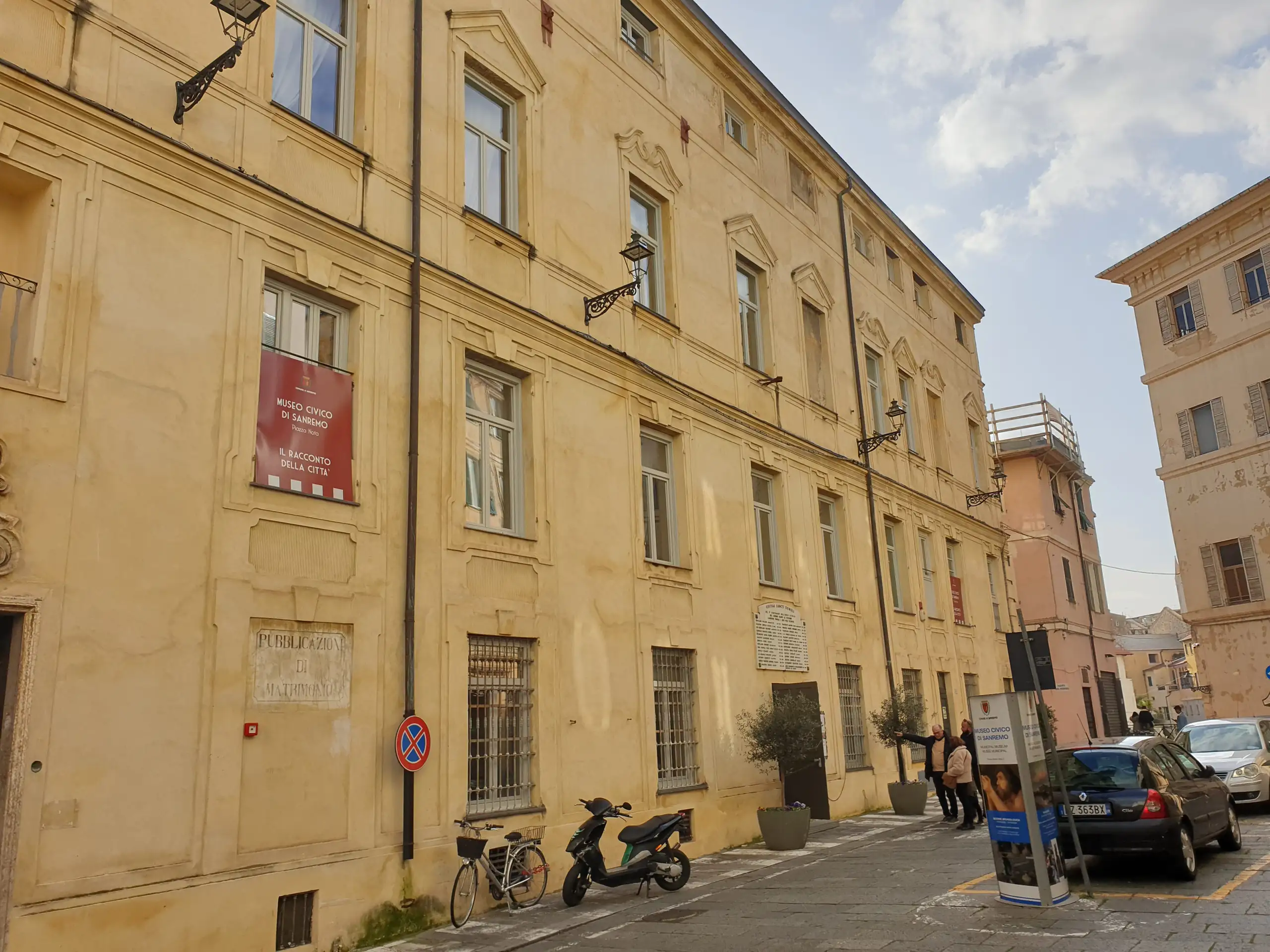
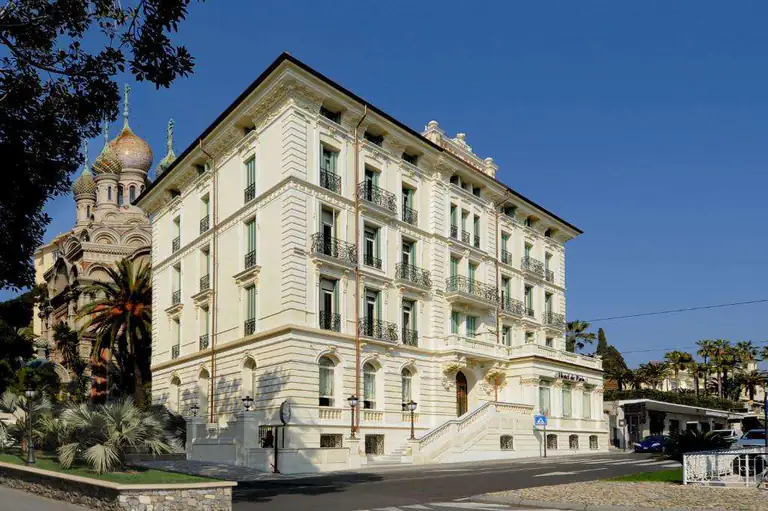
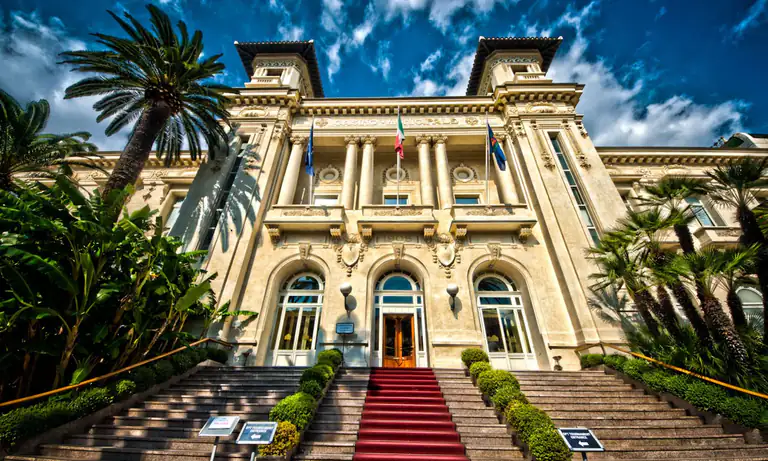
Palazzo Borea d'Olmo, home of the Civic Museum of Sanremo
Where
Palazzo Nota, Piazza Alberto Nota 2, Sanremoin the Pigna
Hours
according to the Comunepage updated May 2026), Tuesday to Sunday 10:00-18:00, closed Monday. Summer hours differ: in 2026, 1 July to 31 August, 10:00-13:00 and 18:00-22:30
Sanremo’s Civic Museum is in Palazzo Nota, a 17th-century building at Piazza Alberto Nota 2 in the old town, the Pigna. It brings together the archaeology of the Western Riviera, a picture gallery and the city’s history, with a room on Garibaldi. If you are looking for it on Via Matteotti, it is no longer there: since 30 December 2016 the museum has been in Palazzo Nota, having moved from Palazzo Borea d’Olmo.
By Italian Riviera editorial team·Updated on ·3 min read
The building
Palazzo Nota was designed in 1667 by the architect Pietro Antonio Corradi. From 1687 it housed the General Commissioner of the Republic of Genoa, who governed the Western Riviera from here, and from 1794 it was Sanremo’s town hall, until the offices moved to Palazzo Bellevue in 1963. The name comes from Alberto Nota, a Savoyard official active here from 1823. The town’s coat of arms over the doorway was carved by Gio Andrea Manni in 1713.
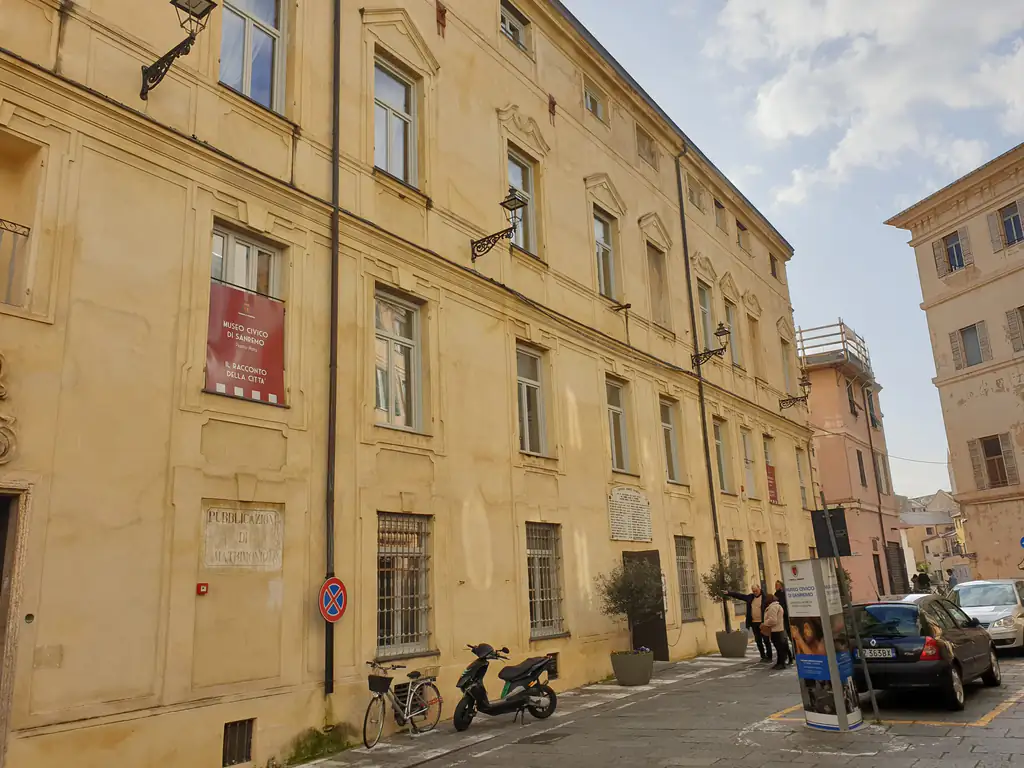
The photo above actually shows Palazzo Borea d’Olmo, the museum’s former home on Via Matteotti, which is a separate visit: see Palazzo Borea d’Olmo.
What to see
Archaeological section (first floor)
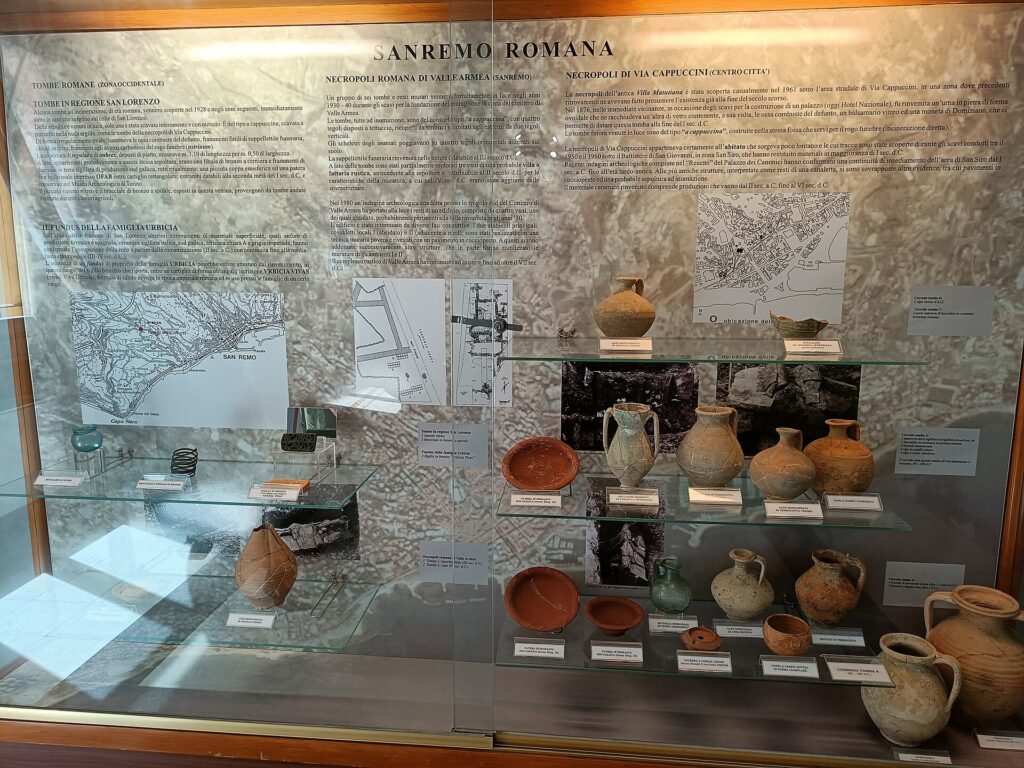
This is the richest part. It shows the oldest finds from the area: Palaeolithic material from the Arma cave, then Neolithic, Bronze Age and Iron Age objects, and finally Roman remains, including grave goods from a necropolis and finds from the Roman villas of Foce and Bussana.
Picture gallery (second floor)
Paintings from the 17th century onwards. Among the best known are Rubens’s Coronation of Saint Catherine of Alexandria and a view of Èze by Edward Lear. There is also a room devoted to Antonio Rubino, an illustrator and caricaturist from Sanremo, and a contemporary art room. The old council chamber is on the same floor, with 18th-century wall decoration that came to light during a restoration.
Garibaldi and the city's history
One room covers the Risorgimento on the Riviera and Giuseppe Garibaldi.
Getting there
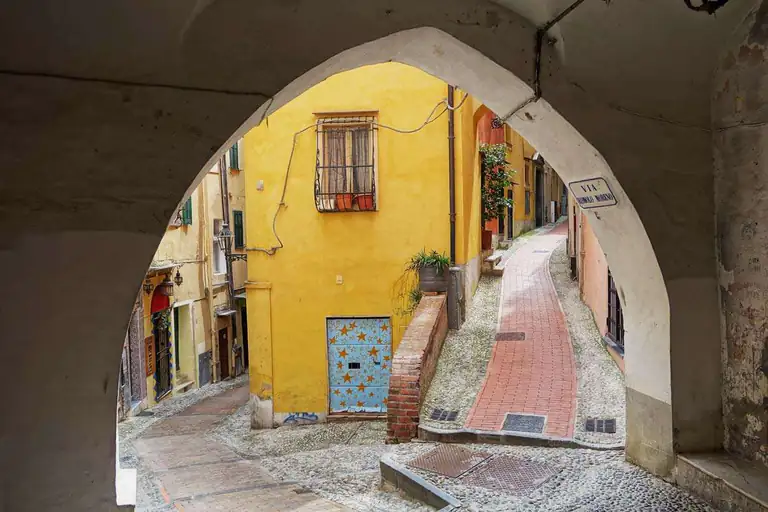
The palace is inside the Pigna, the hillside old town of alleys and steps, so you arrive on foot. If you need step-free access, phone the museum first. In the same area see San Siro and the Madonna della Costa sanctuary.
Practical tips
Opening hours have changed several times in recent years: call or write to ufficio.museocivico@comune.sanremo.im.it before climbing up.
Tickets: local press reported free entry from 2 January 2025, while older listings give 5 EUR (reduced 3 EUR). We found no official confirmation for 2026.
Combine the visit with a walk through the Pigna, Via Matteotti and our wider guide to Sanremo.
In Palazzo Nota, Piazza Alberto Nota 2, in the old town (the Pigna). It is no longer on Via Matteotti: the former home, Palazzo Borea d’Olmo, was left at the end of 2016.
When is it open?
The Comune lists Tuesday to Sunday 10:00-18:00, closed Monday, with different evening hours in summer. Hours can change, so check first.
How much is the ticket?
Before 2025 it was 5 EUR (reduced 3 EUR). Local press reported free entry from 2 January 2025; we have no confirmation for 2026, so ask the museum.
What is there to see?
The archaeology of the area from the Palaeolithic to Roman times, a picture gallery with a Rubens, the Antonio Rubino room and the Garibaldi section.
How long does a visit take?
One to two hours, depending on your interest in archaeology and painting.
Where to stay
Where to stay in Sanremo
All places to stay in Sanremo on Booking: compare prices and availability.