Riviera di Ponente › Riviera dei Fiori
Dolcedo
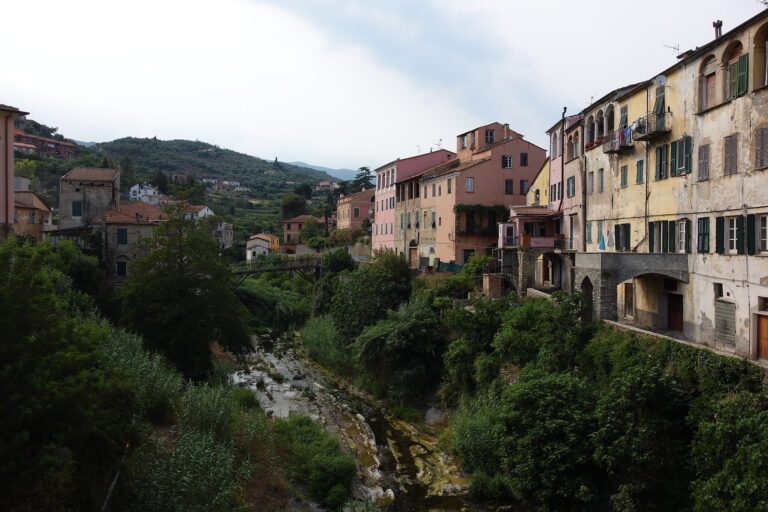
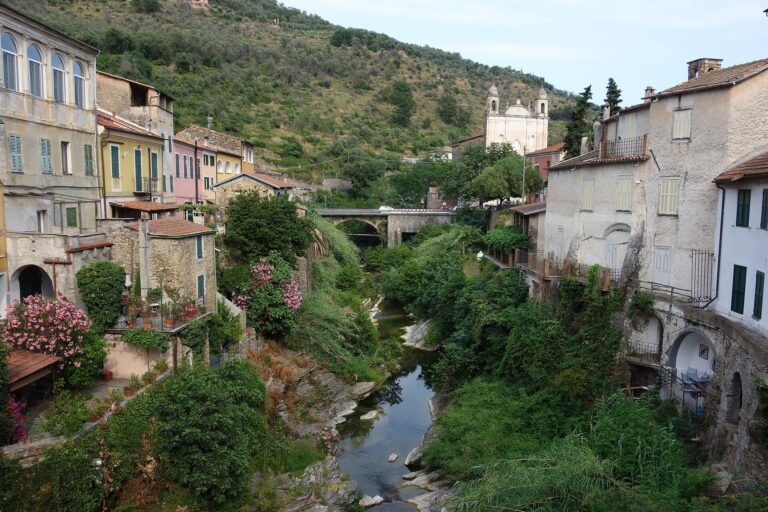
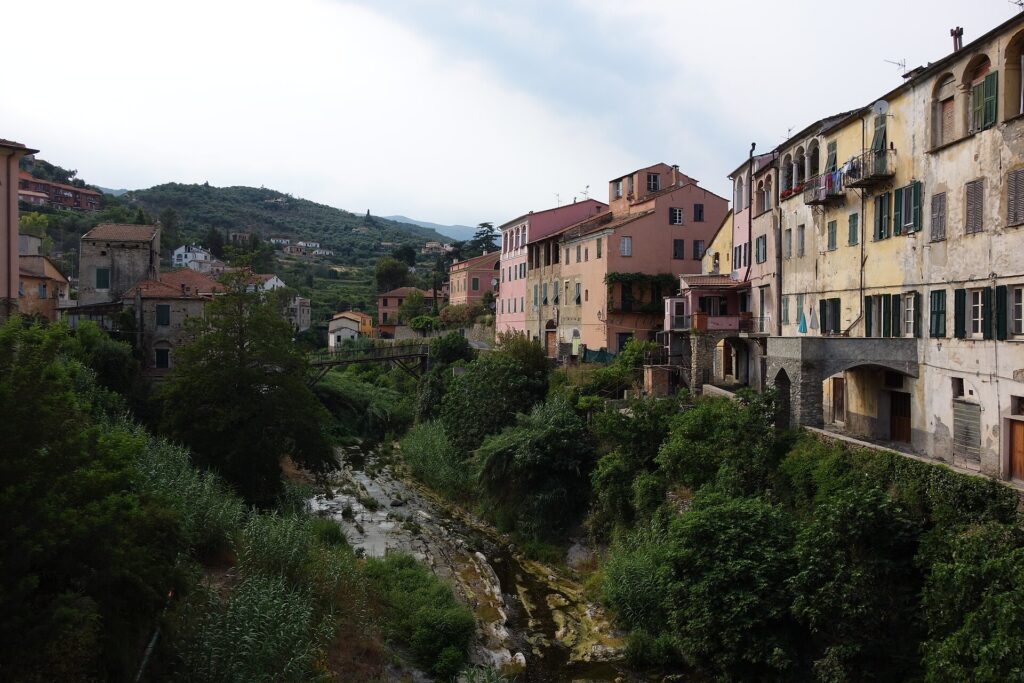
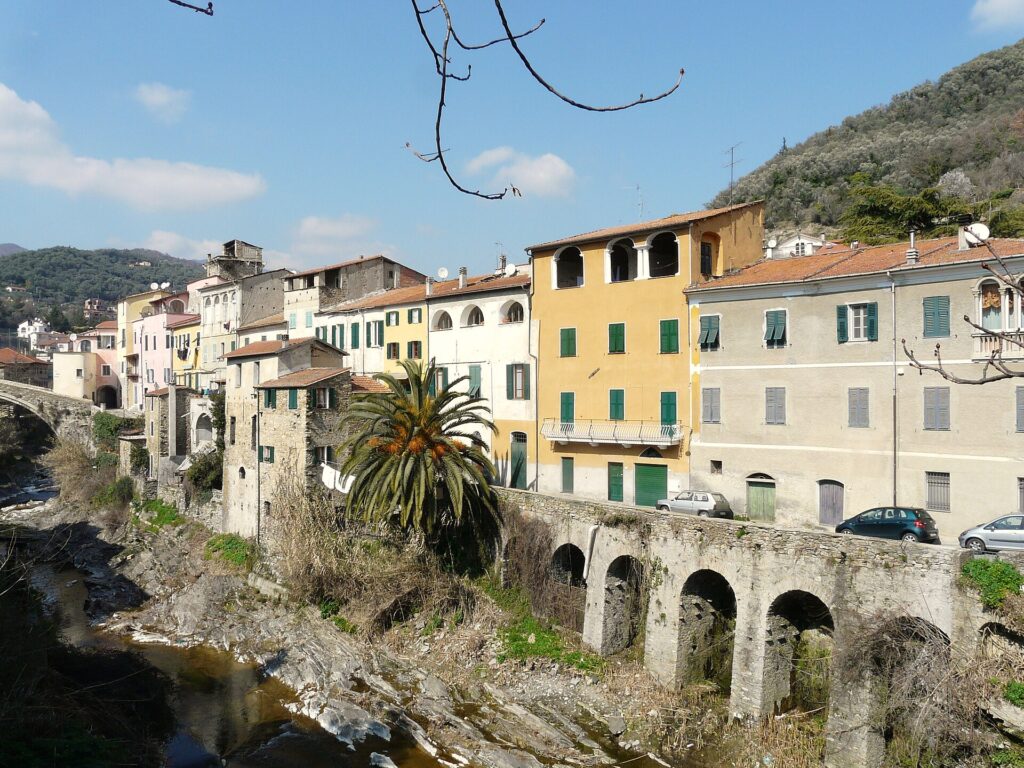
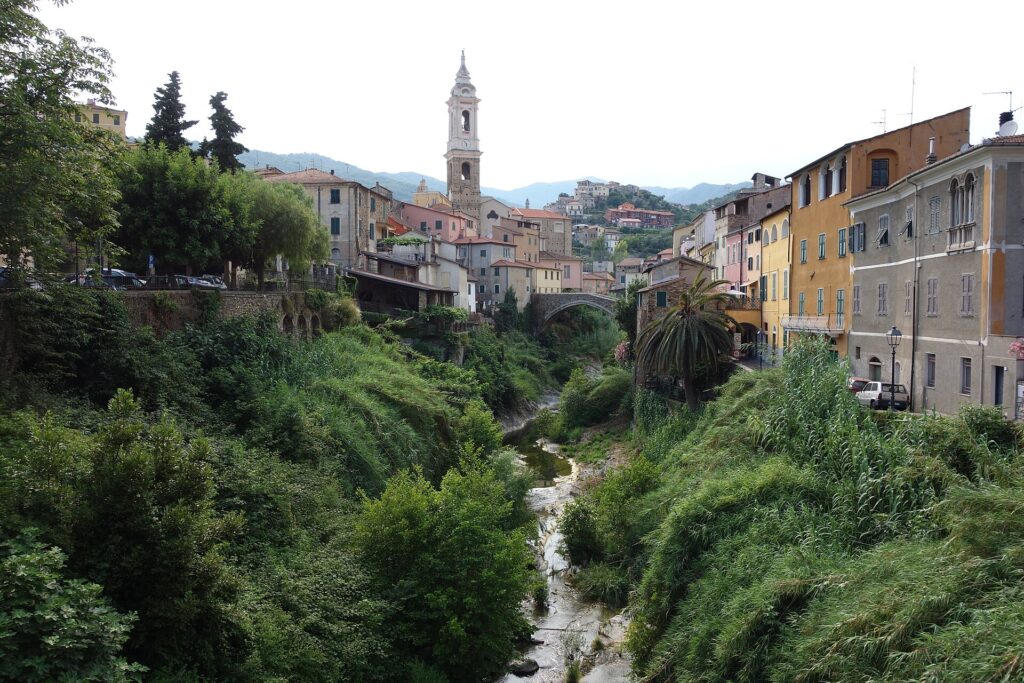
Village in the Prino Valley behind Imperia: medieval bridges, houses over the stream, water mills, mule tracks through olive groves…
Discover →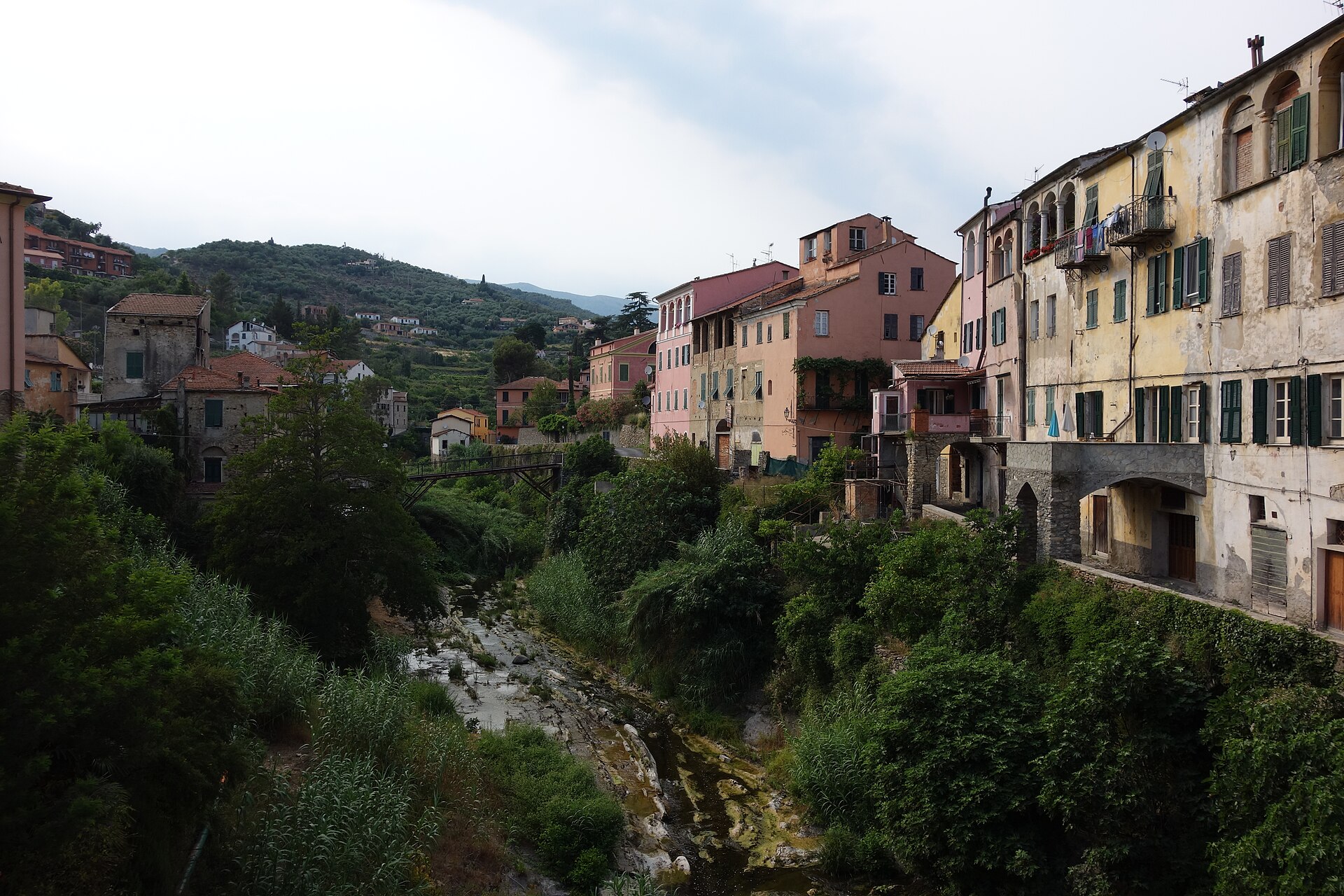
How a water mill worked in Dolcedo, what you can see today, where to eat in the old mills and a walk between Ripalta, bridges and the stream.
Olive oil is the reason Dolcedo looks the way it does: the bridges, the houses over the stream and the loggia on the square grew around an economy built on olive trees. This page explains how a water-driven mill worked, what traces remain in the village, what you can really visit and a walk between mills and bridges, without promising anything that no official source confirms.
Taggiasca is the typical olive of western Liguria and dominates the groves of the Prino Valley. The olives are picked in autumn and winter and must be pressed quickly, because they start to deteriorate after picking. The trees grow on dry-stone terraces: in Dolcedo olive trees are everywhere and the landscape is hand-made.
In the past pressing took place in mills driven by the stream. In general it worked like this: a water wheel turned a large stone millstone that crushed the olives into a paste; the paste was pressed and the oil was then separated from the water. That is why the mills stood on the banks of the Prino and the Rio dei Boschi, with channels carrying water to the wheel.
The spread of the olive is linked to the Benedictines of Lérins, to whom the bishop of Albenga entrusted the church of San Tommaso in 1103. In the 14th century the valley was nicknamed the «conca d’oro» because of the oil. In the 17th century, when Genoa granted administrative autonomy to the Terziere di San Tommaso, the village built the town loggia: under its arches you can still see the marble measures for oil and wine and the iron rods for measuring cloth.
How many mills were there? Sources disagree. Some write «119», others «more than a hundred», and none gives a list. That is why we say «more than a hundred mills and presses over the centuries». How many still work today is not confirmed.
Dolcedo has no olive oil museum: for that go to the Museo dell’Olivo in Imperia. There is also no official list of mills open to visitors with hours. The «L’Olio» page on the Comune di Dolcedo website is the first place to look.
Start from the old centre of Dolcedo, at 75 metres above sea level.
The Ponte Merea and the Ponte Martelli, on the mule track towards the Merea, belong to the Sentiero dei Ponti, but in 2016 the Merea was closed as unsafe. We have no confirmation of its current state: ask the Comune and do not cross fenced-off bridges.
The new-oil festival is not in Dolcedo but in Imperia: Olioliva takes place in early November, and the dates of each edition should be checked in the official programme. Do not confuse the two: Dolcedo has no documented «oil festival». To taste new oil choose November-December and ask at the producers; to walk among the olive trees go in spring or early autumn. In summer check the orders on woodland: the Comune declared a state of serious wildfire danger in July 2026.
Nearby
Riviera di Ponente › Riviera dei Fiori
Village in the Prino Valley behind Imperia: medieval bridges, houses over the stream, water mills, mule tracks through olive groves…
Discover →Guide
The weather in Dolcedo today, tomorrow and for the next 10 days: hourly forecast, wind, rain and the climate month…
Discover →