Palazzo Doria and the Roman mosaic
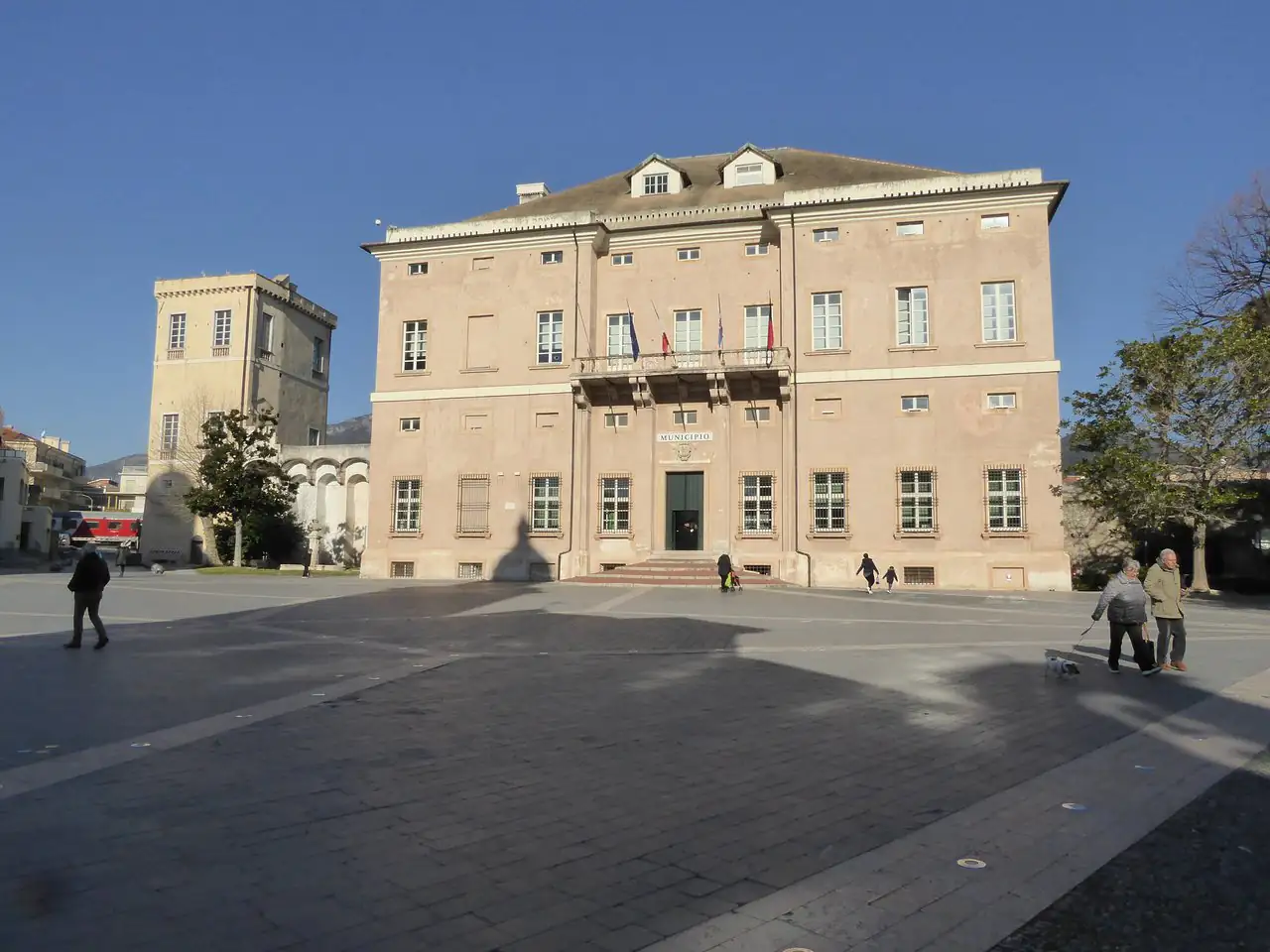
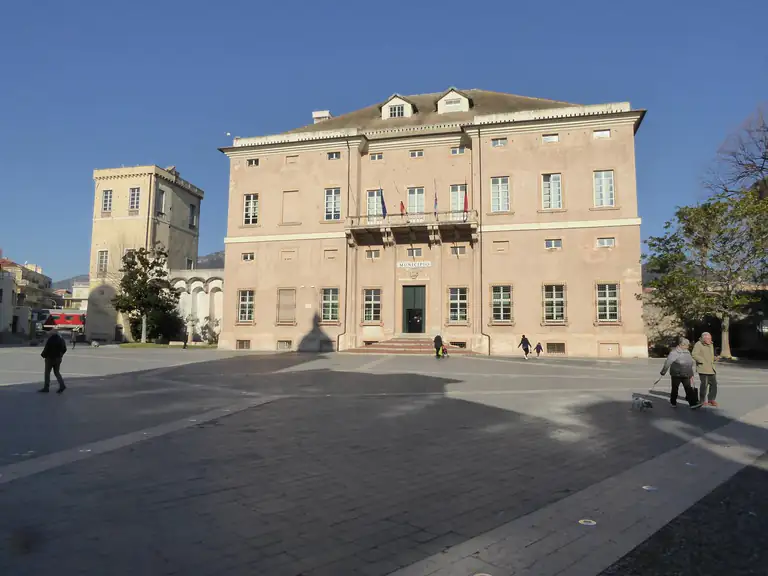
The palace was built between 1574 and 1578 for Giovanni Andrea Doria and his wife Zenobia Del Carretto, to a design attributed to Galeazzo Alessi or one of his pupils. It is a Renaissance residence with something of a fortress about it, which you notice in the pentagonal tower added in 1602 to guard the walls and linked to the palace by a walkway. Today it houses the town hall. Look for the sixteenth-century slate doorway and, in the gardens, the Fontana Giovanna and a small open-air theatre.
Inside, in the Sala del Mosaico, is a fragment of a Roman floor mosaic from the third century AD, found in the town centre. Entry is free during town hall opening hours, and the room often hosts temporary exhibitions. Recent digs in the lanes of the old town have uncovered more mosaic fragments and walls that point to a Roman villa of the imperial age.