
Riviera di Levante
Pignone
Village in the Val di Vara next to the Cinque Terre: parish church, loggia, Castellaro, caves, potatoes and beans, getting…
Discover →
Pignone's onion, potato and beans: what they are, when they are harvested, the dishes and the Gli Orti di Pignone market.
The typical products are the most concrete reason to climb to Pignone, a village of the Val di Vara a few kilometres from the Cinque Terre. For generations the village’s vegetable gardens have produced beans, potatoes and maize, and families traded them with the seaside villages, such as Levanto and the Cinque Terre. Today the Comune lists them as typical products and protects them with a safeguarding project. Here you will find what they are, when they are harvested and how to taste them.
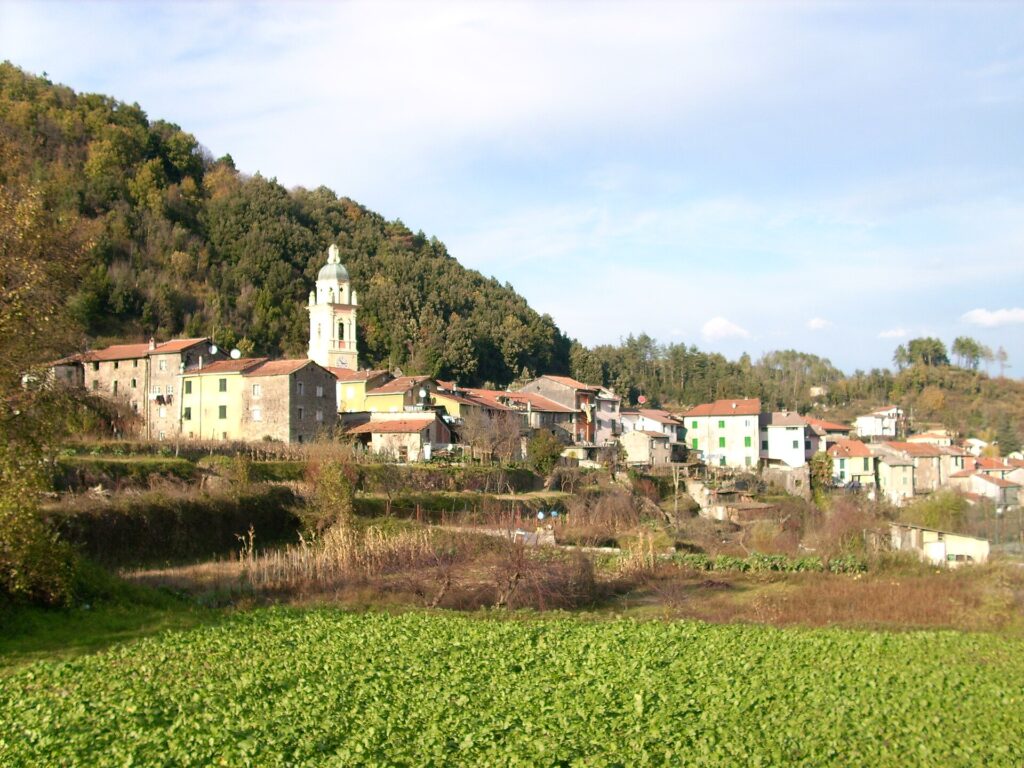
It is a red spring-summer onion, with a large, oval bulb flattened at the poles. According to the Comune it is grown at Monti, in Pignone, and at Festiere and Pastine, in Casale. It is sown in August, transplanted in October and harvested in June: if you want to see it fresh, the right time is early summer. According to some sources it is eaten in salads, for example with beans.
The Pignone potato is white and medium-sized. It is sown around 1 April and harvested in the first half of August, in time for the end-of-summer festivals. It is the base of three traditional dishes: gnocchi, potato cake and «pan di patate». The Comune cites no designation of origin: it is a local variety, not a brand.
These are three different varieties, all grown in the Pignone area:
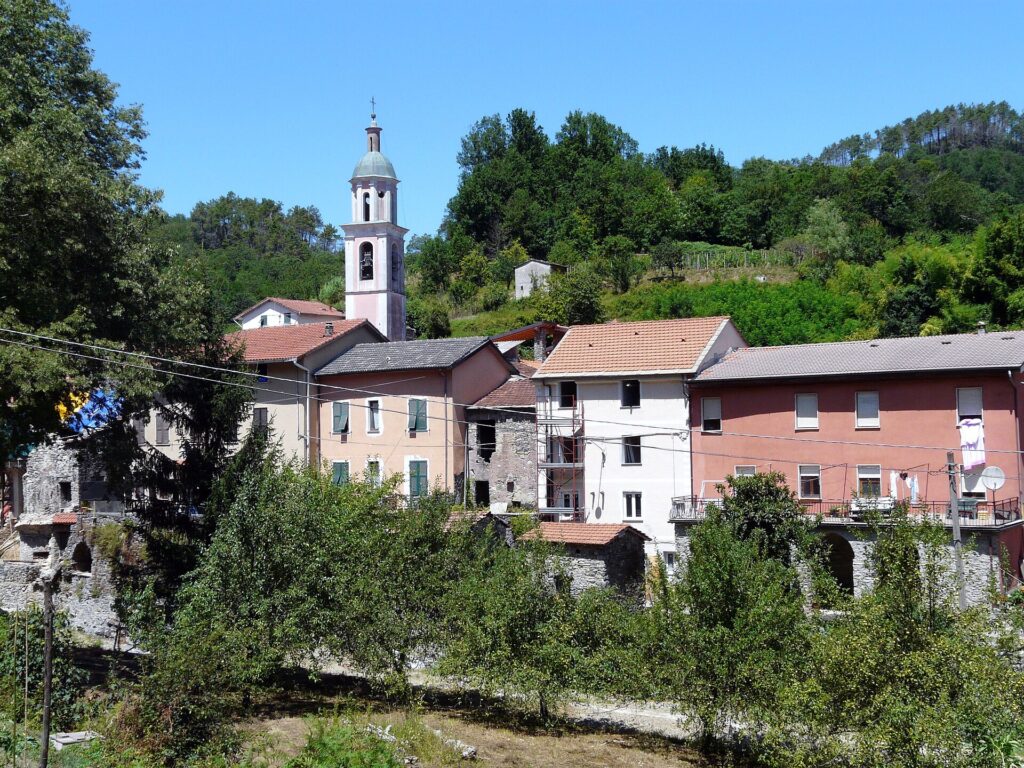
The dishes the Comune cites are those of peasant cooking: pan di patate, potato cake, sausages with beans, polenta with cabbage and home-made ravioli. According to some sources the local maize, the «dall’asciutto» corn, is used for polenta and for a flatbread of flour cooked in an oven called a testarolo. Pignone’s testarolo is not the same as the testarolo of Pontremoli, which is a dish of the Lunigiana: do not confuse them.
At the summer festivals they also serve asado, Argentine-style grilled meat. The Comune links it to emigration to Latin America between the nineteenth and twentieth centuries.
There are only a few places to eat in the village and their opening hours are not published: if you want a lunch based on local products, call ahead ⚠️.

This is the market and exhibition of typical products, with the sale and tasting of potatoes and beans, food, wine and live music. The Comune gives two different periods: the page on the potato puts it in the last weekend of August, the one on the Cenerino bean in the first week of September. The 2026 edition was held on Sunday 30 and Monday 31 August. Programme, hours and prices are not published: for the next edition, ask at the Comune.
We found no official point of sale: to buy local potatoes, onions and beans it is best to ask at the Comune or wait for the festival. The harvest calendar helps you choose when to go: in June onions and the first beans are picked, in August the potatoes and the Lupinaro, and at the end of August the Cenerino is dried. To visit the village, the parish church, the loggia and the Castellaro, go back to our guide to Pignone.
Since 2005 the Comune, the Province of La Spezia and the Pallodola experimental centre for agriculture, in Sarzana, have been running a project to save and relaunch the potato, onion and beans. Over the years they have been entered in the regional atlas of typical products (2003-2004) and in 2008 the Pro Loco collected about fifty old recipes. None of these products has a formal Slow Food Presidium.
Nearby
Riviera di Levante
Village in the Val di Vara next to the Cinque Terre: parish church, loggia, Castellaro, caves, potatoes and beans, getting…
Discover →Guide
The weather in Pignone today, tomorrow and for the next 10 days: hourly forecast, wind, rain and the climate month…
Discover →