La Cabotina
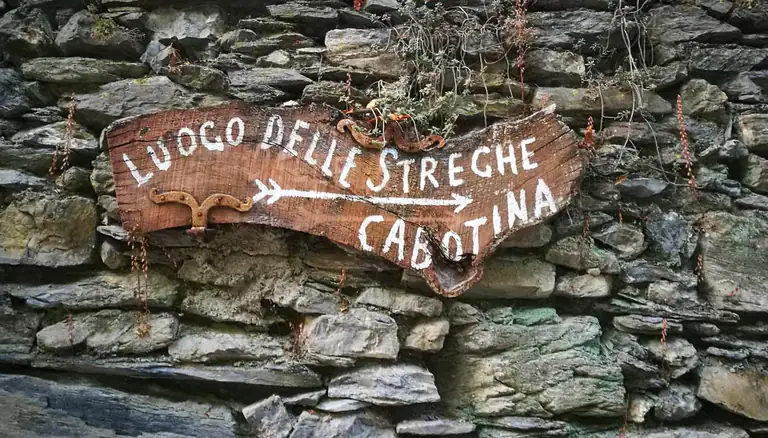
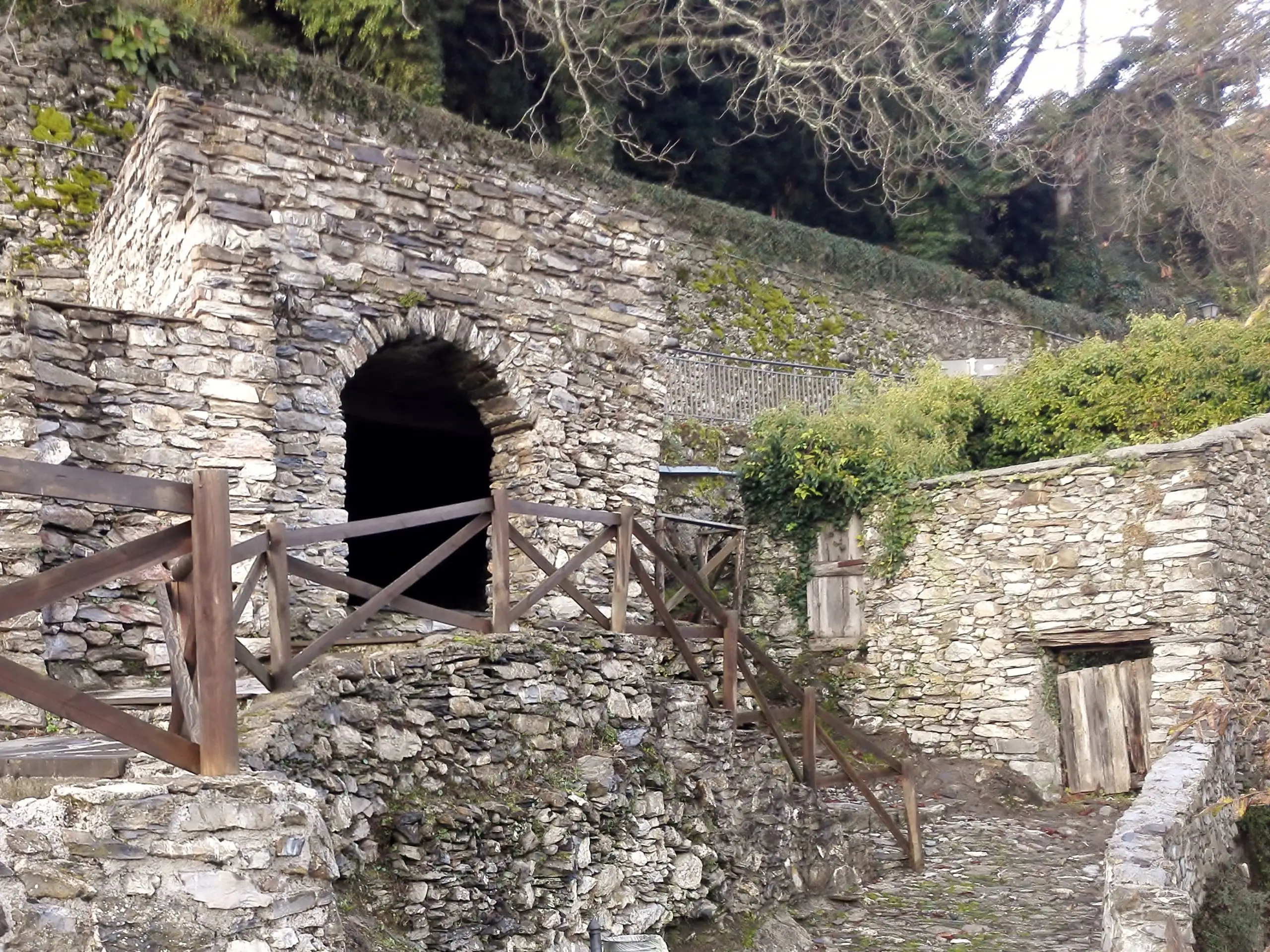
The ruined farmhouse just outside the walls, near the Fontana Soprana gate, is the place most closely tied to the myth. From here you look out over the valley, with the mountains often snow-capped in winter.
The true story of the 1587–1589 trial, the Witchcraft Museum, the Cabotina, Strigora and Halloween: legend and reality in the village of witches.
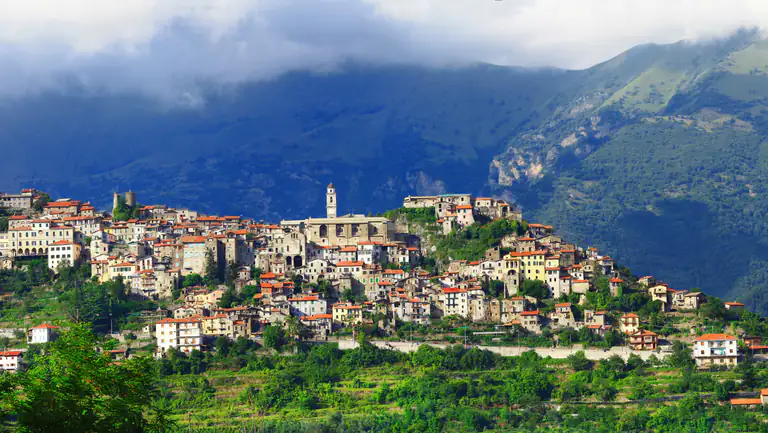
Triora is known throughout Italy as the village of witches. Behind the name lies a true story: between 1587 and 1589, after a long famine, around thirty women from the village were accused of witchcraft, imprisoned and tortured. This guide separates fact from legend and brings together the places to visit, the museum and the festivals that remember those events today.
At the end of the 16th century Triora was an important village of the Republic of Genoa, on the road to France. After two years of poor harvests and hunger, the idea spread in the village that the famine was caused by spells. The accusations fell on poor women or women on the margins of the community.
First came the vicar of the Genoese inquisitor; then the Republic sent its own commissioner, Giulio Scribani, who led the interrogations even more harshly. Under torture, thirteen women confessed. The elderly Isotta Stella died during questioning and another woman threw herself from a window to escape the torment.
Scribani asked for the death sentence for four women, but the government in Genoa refused it without further evidence. In April 1589 the trial was halted. Many historians link the famine to speculation by landowners, who were often among the accusers themselves.
Many websites speak of hundreds or thousands of accused women and of witches burned in the square. That is not what happened: the historical sources mention around thirty women and no executions. This does not make the story any less tragic: the accused suffered torture, imprisonment and the loss of everything.
In the local dialect witches are called “bagiue”. Legend has them meeting at the Cabotina, healers who knew the herbs of the mountains. It is an image that grew up in later centuries and today lives alongside the historical memory.

This is the main stop for understanding the trial. Founded in 1983, the museum fills three floors and fifteen rooms of the old town hall, at the entrance to the village. The ethnographic section tells the story of farming life in the Argentina valley; in the basement the interrogations are recreated, with reproductions of the trial documents and instruments of torture.
The ruined farmhouse just outside the walls, near the Fontana Soprana gate, is the place most closely tied to the myth. From here you look out over the valley, with the mountains often snow-capped in winter.
In the carruggi, three routes are marked by round stickers on the paving. The blue one is devoted to curiosities and legends and takes in the most atmospheric spots in the village; the yellow one is designed for children.
The remains of the 13th-century castle, at the highest point of the village, and the old gates recall the Genoese stronghold where the trial took place.
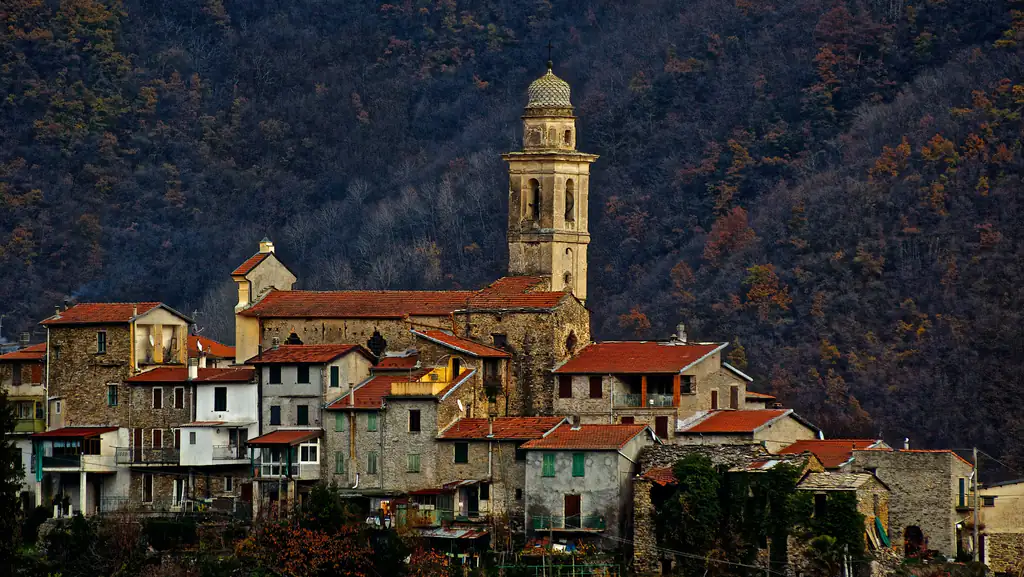
Strigora is the witches’ festival in August, usually on the Sunday after Ferragosto: in 2026 it took place on 23 August. The village becomes an open-air theatre with a medieval market, music in the small squares and re-enactments of the trial.
On 31 October Triora holds a Halloween day every year, with shows, stalls and costume parties from morning until night. In the past, entry to the village required a paid ticket. For the 2026 programme, tickets and any shuttle buses from the valley, check the Comune’s website.
On both days the village gets crowded: arrive early, leave the car lower down and book in good time if you want to stay overnight in the valley. All the information on getting there is in the Triora guide.
Nearby
Riviera di Ponente › Riviera dei Fiori
The village of witches in the upper Argentina valley: medieval alleys, witchcraft museum, Collegiata, Cabotina and trails up to Monte…
Discover →