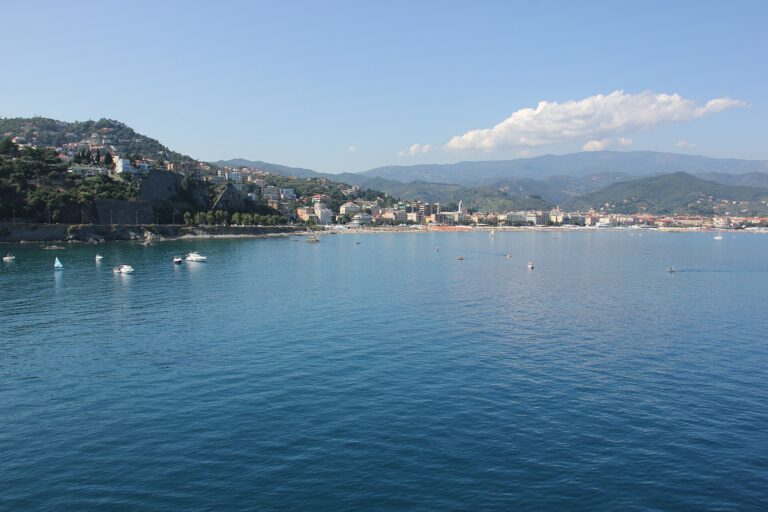
Riviera di Ponente › Riviera delle Palme
Albissola
Albissola Marina and Albisola Superiore: artists' seafront mosaics, ceramics, villas, 2026 Blue Flag beaches, trains, parking and where to stay.
Discover →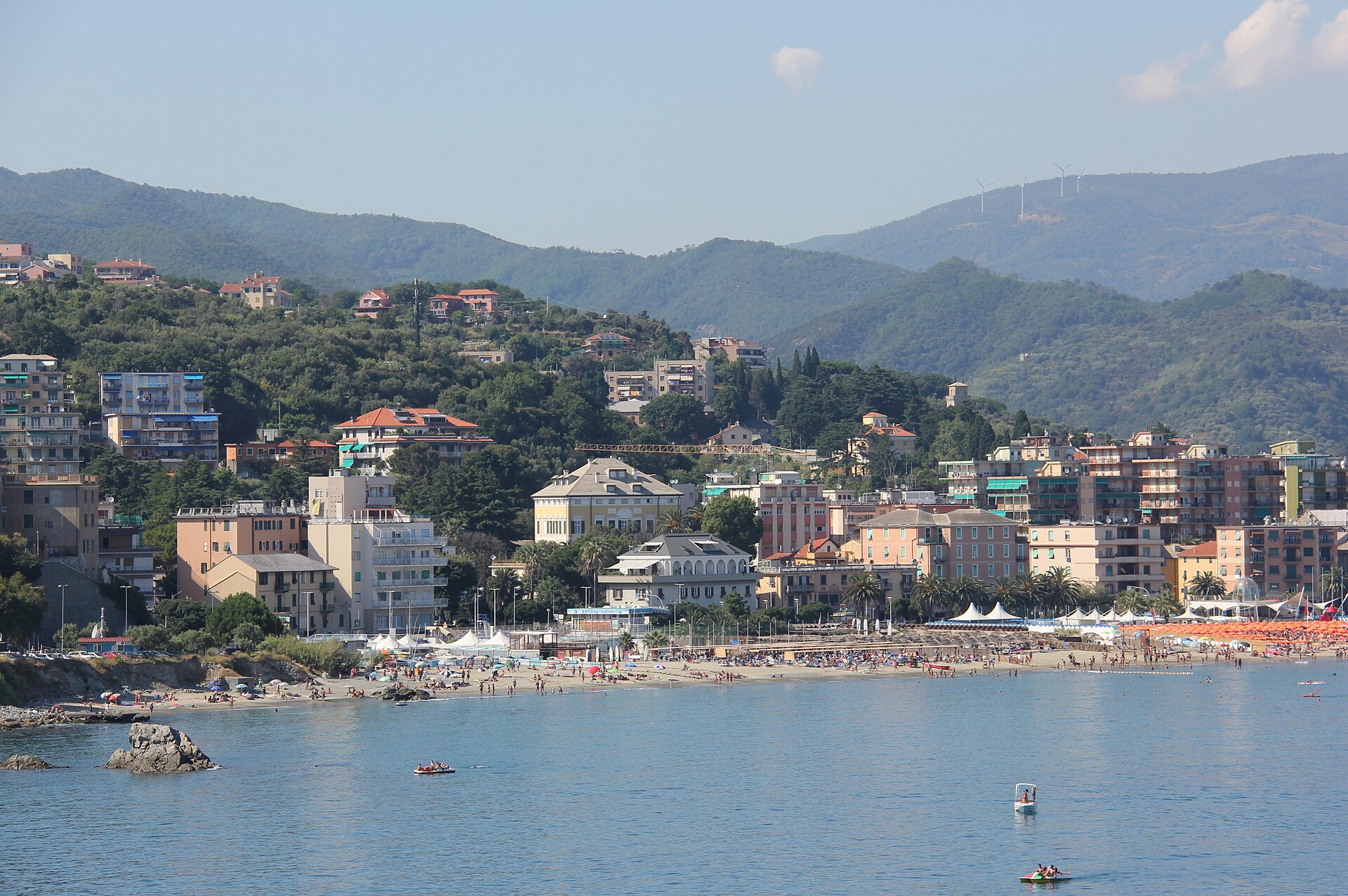
A walking route through the ceramics of Albissola: artists' seafront, MuDA, Alba Docilia kiln, Casa Jorn, Trucco Museum and workshops, town by town.
Ceramics is the reason Albissola is on the art map: clay and majolica have been worked here for more than five centuries, and in the 20th century Fontana, Jorn and Lam left works you can still see in the street. This page tells you what to see, which of the two towns each sight belongs to, how to put a walking route in order and how to buy real ceramics. For everything else see the guide to Albissola.
Albisola ceramics grew from two things: the red clay and white earth of the plain, rare along the Ligurian coast, and the beaches from which goods were shipped. Production is documented from the late 1400s. In 1589 the potters wrote their statutes, the Capitula Artis Figulorum. From the early 1600s blue-on-white took hold, imitating Chinese porcelain; in the 1700s and 1800s came pharmacy jars and nativity figures.
In the 20th century Futurism brought Tullio d’Albisola, while Manlio Trucco opened a kiln in 1921 and brought Art Deco. After the war came Lucio Fontana, Asger Jorn, Wifredo Lam, Aligi Sassu, Agenore Fabbri and Emanuele Luzzati: they worked in the local kilns, which is why you find their work in the street and in houses today.
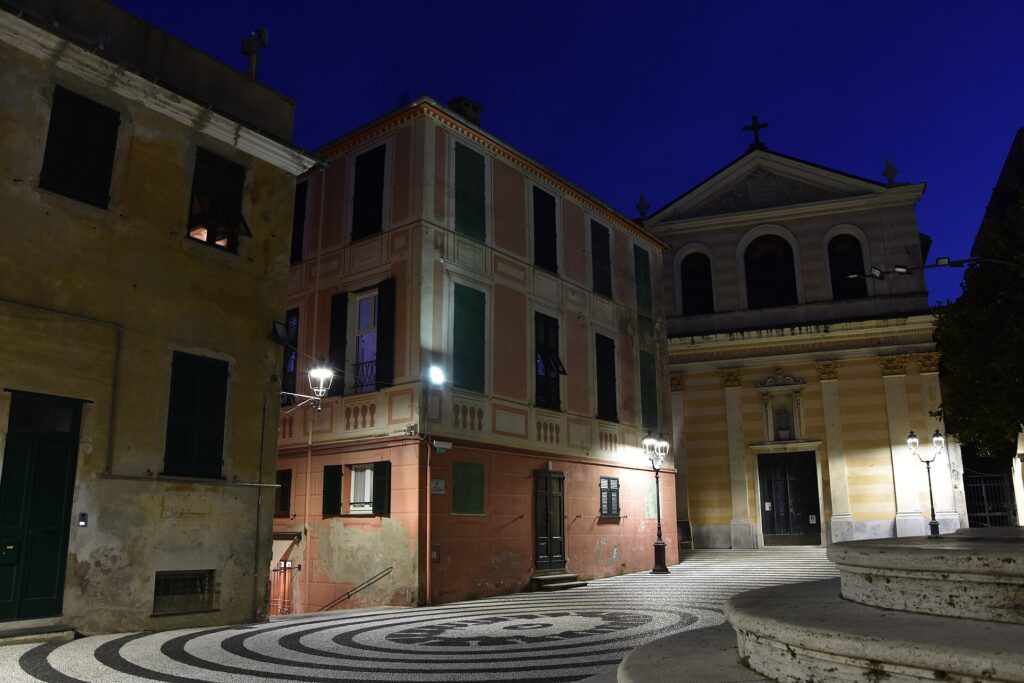
It is a half-day loop, flat apart from the climb to Casa Jorn. You can change the order depending on when workshops open.
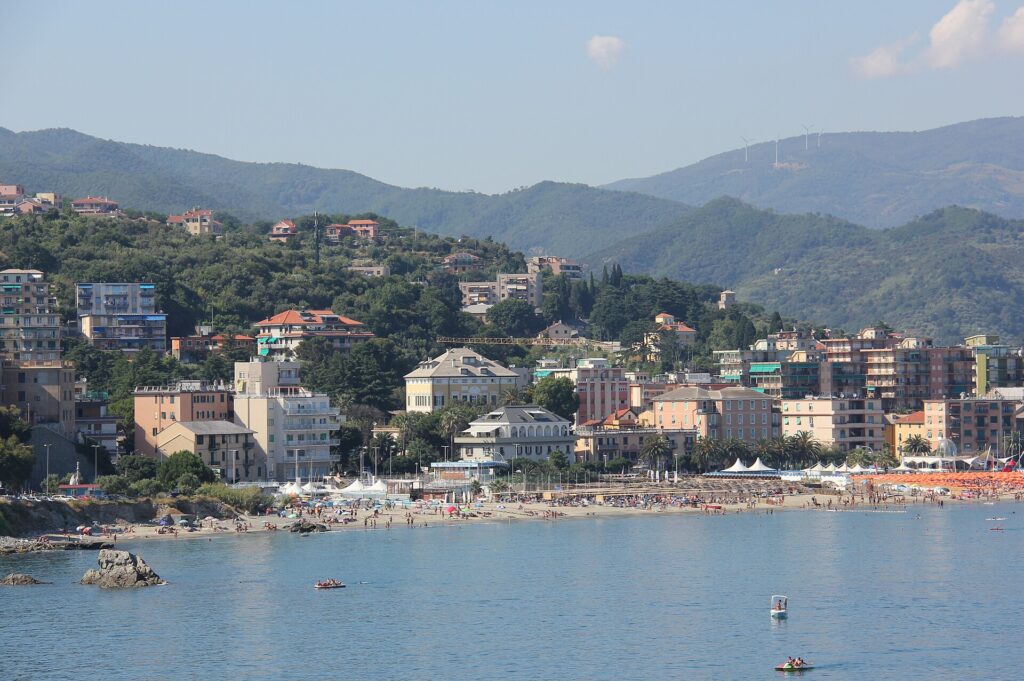
About a kilometre of ceramic and stoneware floor mosaic, with twenty original panels by Italian and foreign artists, including Fontana, Sassu, Capogrossi, Luzzati, Lam, Jorn, Crippa and Leoncillo. It was inaugurated on 10 August 1963. In 1999 a mosaic after a work by Jorn was added. It also includes Leoncillo’s monument “To the fallen of all wars” of 1955. Signs along the way explain the works. Access is free, but in strong storms it can be closed or covered in debris, as happened at the end of October 2018.
Asger Jorn lived on the hill, in the Bruciati district: his house is a “total” work with murals and ceramic collages. The association Amici di Casa Jorn has its seat on via D’Annunzio. You climb on foot from the centre, from piazza del Popolo by via Repetto, via Bruciati and via Massardo, with a steep stairway. Hours vary with the month and are published by the association: check the Casa Jorn website before climbing. Guided visits need a booking.
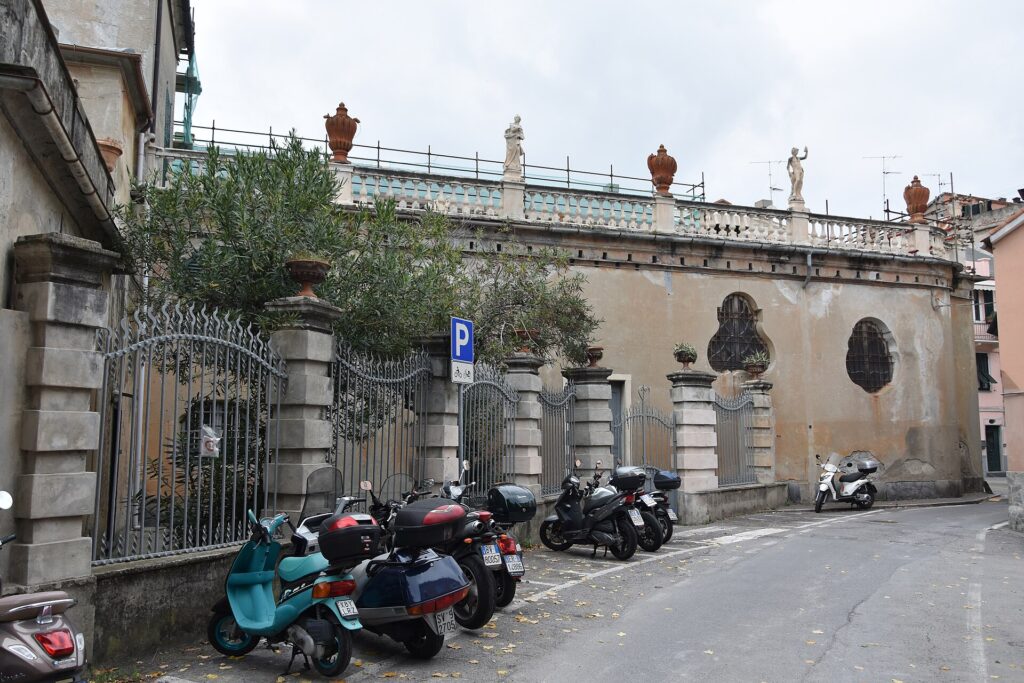
Across the Sansobbia, the ceramics thread continues with three stops:
Villa Gavotti, in Albisola Superiore, has a majolica floor in its Four Seasons room, but it is private and opens only on special dates. Villa Faraggiana, by contrast, is in Albissola Marina and can be visited by reservation.
The town of Albissola Marina lists seven working workshops, including Ceramiche Giuseppe Mazzotti 1903 and Ceramiche San Giorgio on corso Matteotti, Ceramiche Pierluca on via Italia and La Nuova Fenice on via Repetto, plus studios and galleries on via Repetto, via Isola and at Pozzo Garitta. Some are open all year, others by appointment: the tourist office in piazza Wifredo Lam, open mostly at weekends, can tell you who is open. Always ask whether the piece is made in the workshop and hand-decorated. MuDA’s “#Terra Acqua Fuoco” project offers workshop visits. If you want to learn, the municipal Ceramics School in Albisola Superiore has existed since the 1970s; courses for visitors are not published.
It rotates between Savona, Albissola Marina, Albisola Superiore and Celle Ligure. The fourth edition ran from 5 to 7 June 2026, with more than fifty events, a “white and blue dinner” and a market of ceramic antiques. Dates for 2027 are not yet announced. In Savona, a few minutes by train, is the Ceramics Museum, which is something different from the Trucco.
Nearby
Riviera di Ponente › Riviera delle Palme
Albissola Marina and Albisola Superiore: artists' seafront mosaics, ceramics, villas, 2026 Blue Flag beaches, trains, parking and where to stay.
Discover →Guide
The weather in Albissola today, tomorrow and for the next 10 days: hourly forecast, wind, rain, sea temperature and the…
Discover →