Altare glass in brief
The most useful thing to know before entering the museum is how the craft worked. Its origins are probably Benedictine; the first glassmakers with names appear in 13th-century notarial deeds. The Statute of the Art asked outsiders for 300 lire of Savona to be admitted to the Guild, and whoever joined spent four years as a «tizzatore» and another four as an apprentice before becoming a master. By the end of the 15th century about 200 master glassmakers belonged to it.
The glassmakers of Altare travelled: they opened furnaces across Italy, up to 52 glassworks in the 17th century, and in France, where they won tax privileges. One of them, Bernardo Perotto, born in Altare on 26 June 1619, received royal letters patent from Louis XIV in 1688 for casting crystal on tables, a process that allowed mirrors of more than a square metre. In 1856 the furnaces merged into the SAV, the Società Artistico Vetraria. The details, with dates and sources, are in Altare glass.
Events in Altare
San Martino and the Messa del Fuoco. In mid-November, on a Sunday, the museum recalls the tradition: for glassmakers the working year in the furnaces began at Saint Martin’s, with a rite in which the priest lit the melting fire and the Maestro di Piazza blew the first flask, filled with wine and offered with riso in cagnone in a rite called «Bagnare la Piazza». For 2026 the museum’s website shows Sunday 15 November: glassmaking demonstration in the furnace from 14:00 to 18:00, presentation of the commemorative object at 15:00, and the Fiera di San Martino in the streets all day ⚠️.
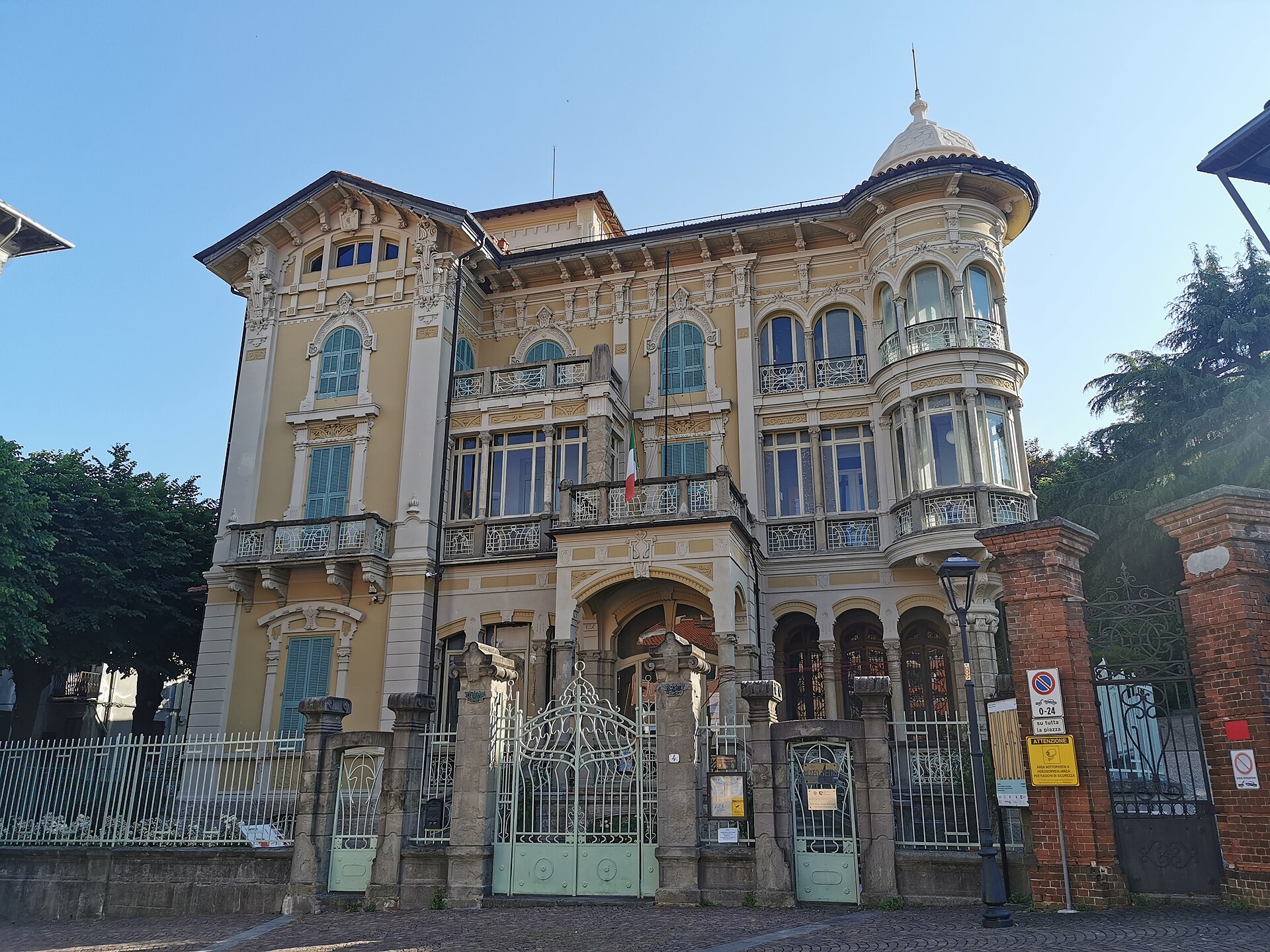
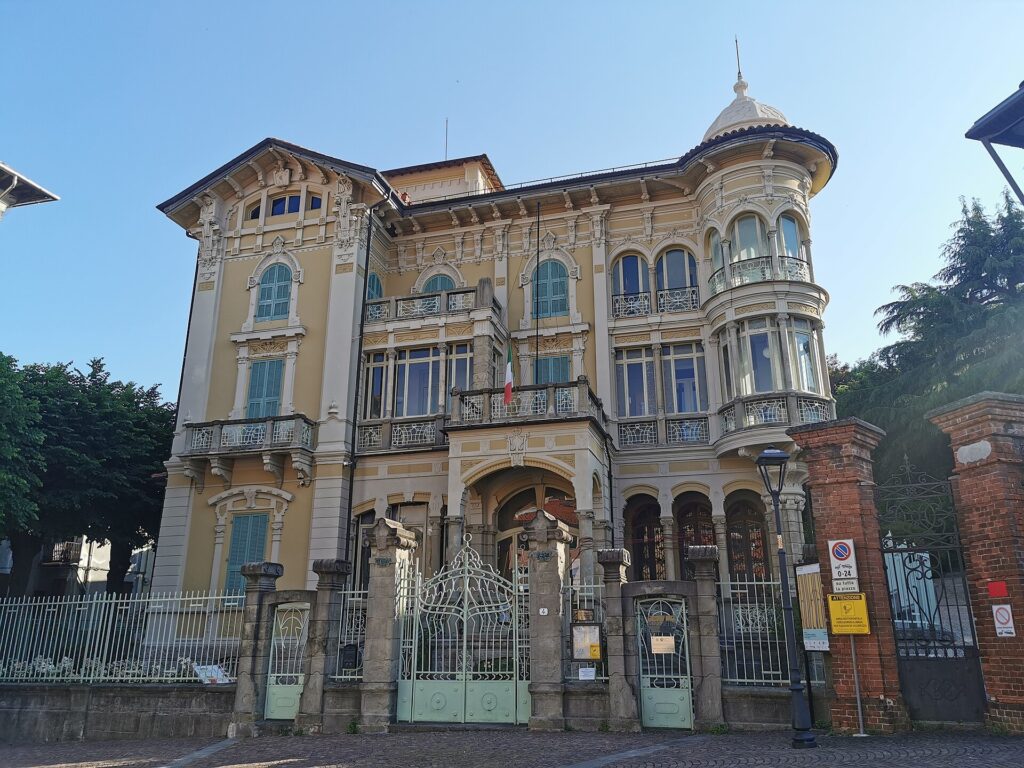
Altare Glass Fest. The museum’s glass festival, usually between July and early August, with glassmakers from different traditions working in the Villa Rosa furnace. The latest dated edition we found is 2025, 17 July to 3 August; the museum announced the festival’s return in June 2026, but we found no dates, so check the museum website ⚠️.
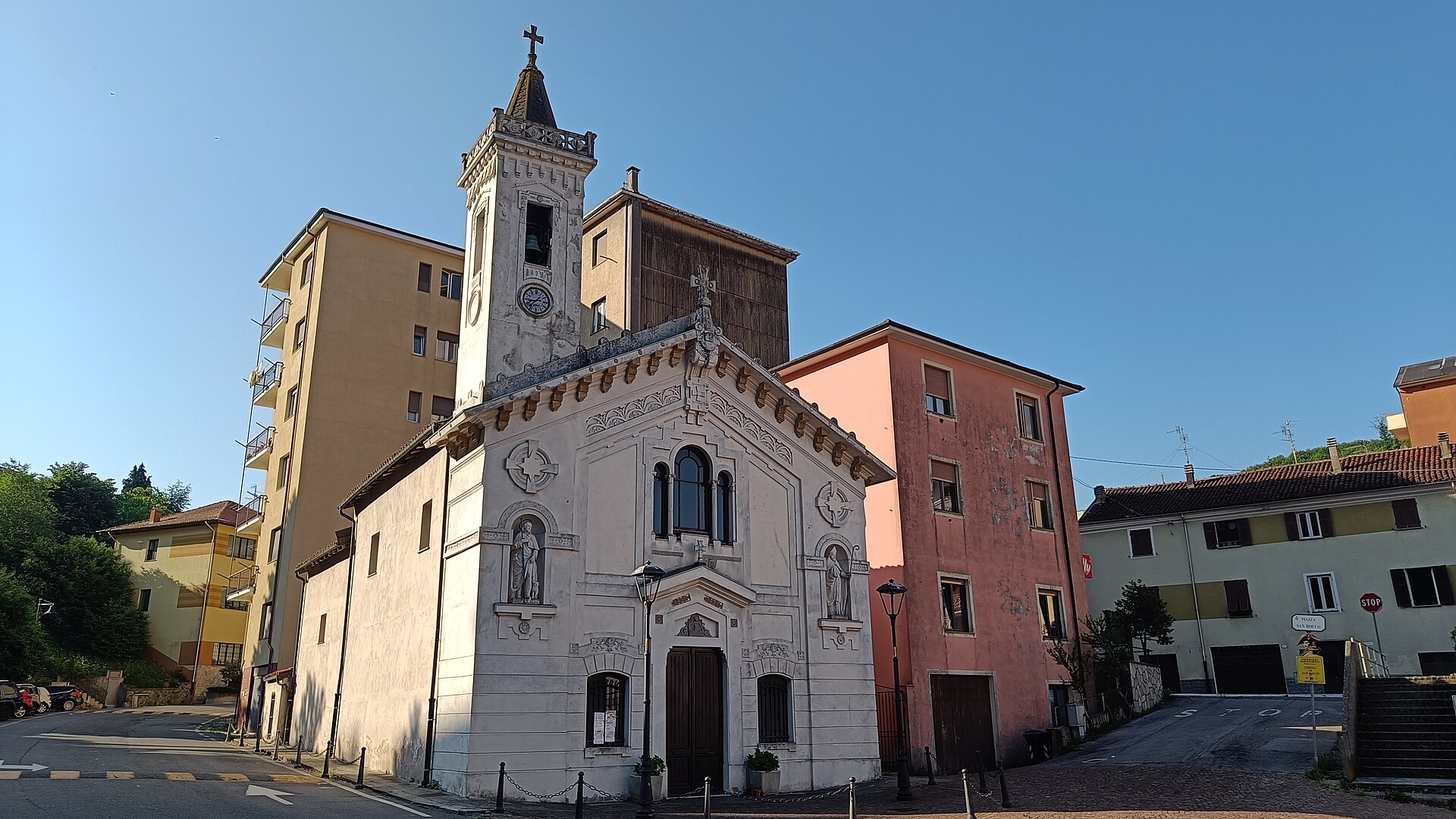
Feast of San Rocco. On 16 August, with a procession of the saint’s statue from the oratory.
Day trips from Altare
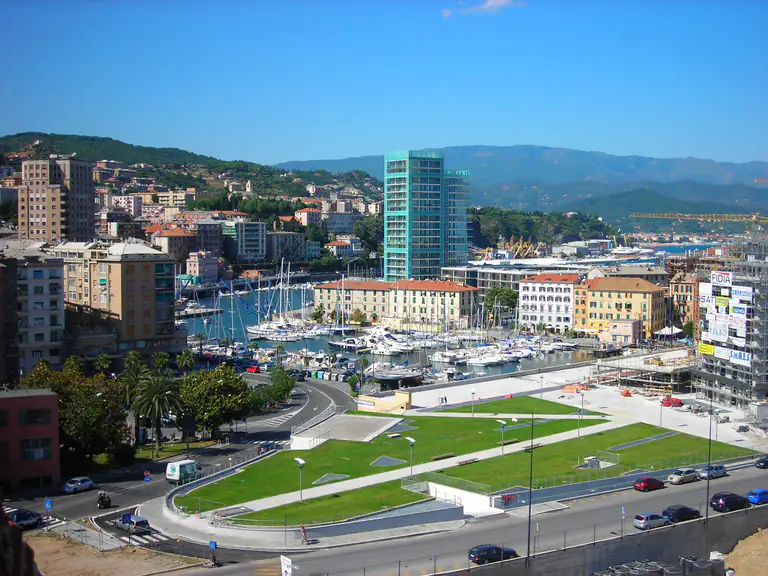
- Savona, 11 km: harbour, old town and trains to the rest of Liguria.
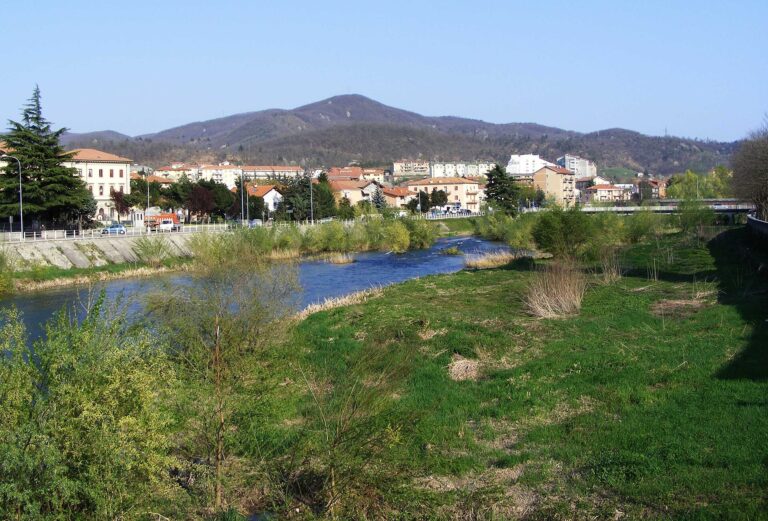
- Cairo Montenotte, about 9 km as the crow flies: the Ferrania film factory, covered in Ferrania Film Museum.
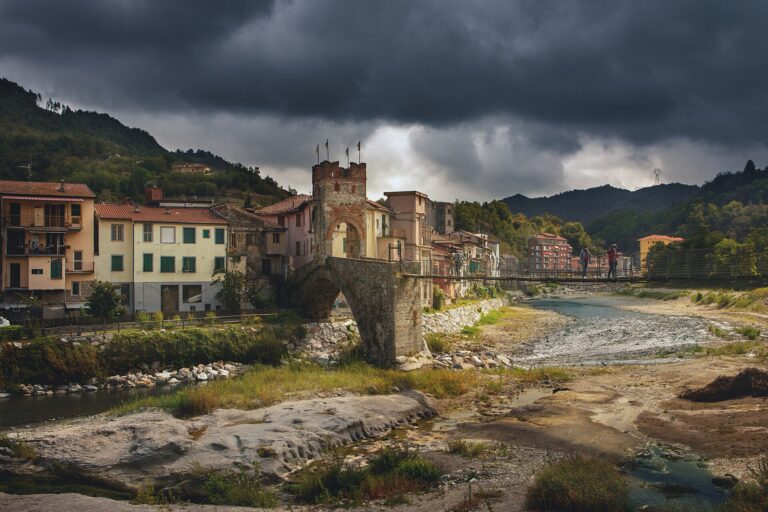
- Millesimo, further up the Val Bormida: the Gaietta bridge and the castle.
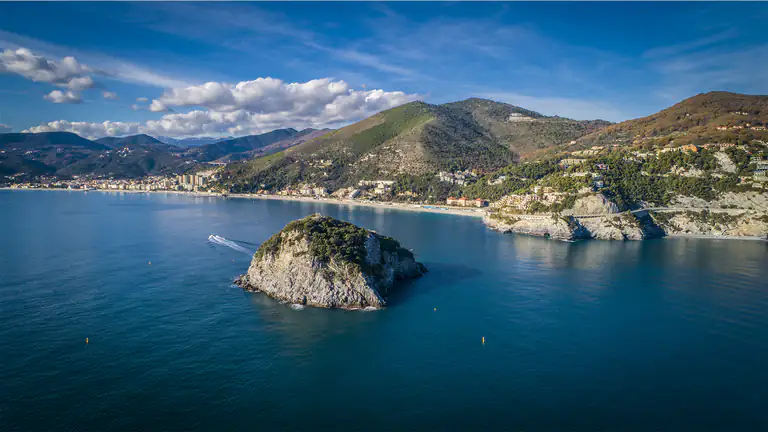
- Bergeggi: home of the Benedictine monastery from which, according to the Comune, came the monks who founded the church of the Annunziata.
- Albissola, for the other great craft of the Savona area, ceramics: two trades tied to fire and sand.
- Spotorno and Noli for the sea, on the coast beyond Savona.
A day that works: morning in Savona, lunch in the Val Bormida, glass museum from 14:00, and back to the sea in the evening.