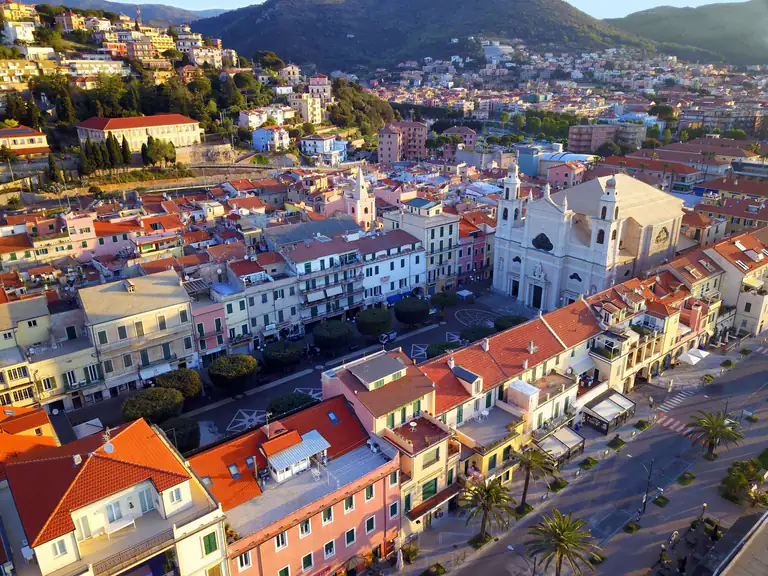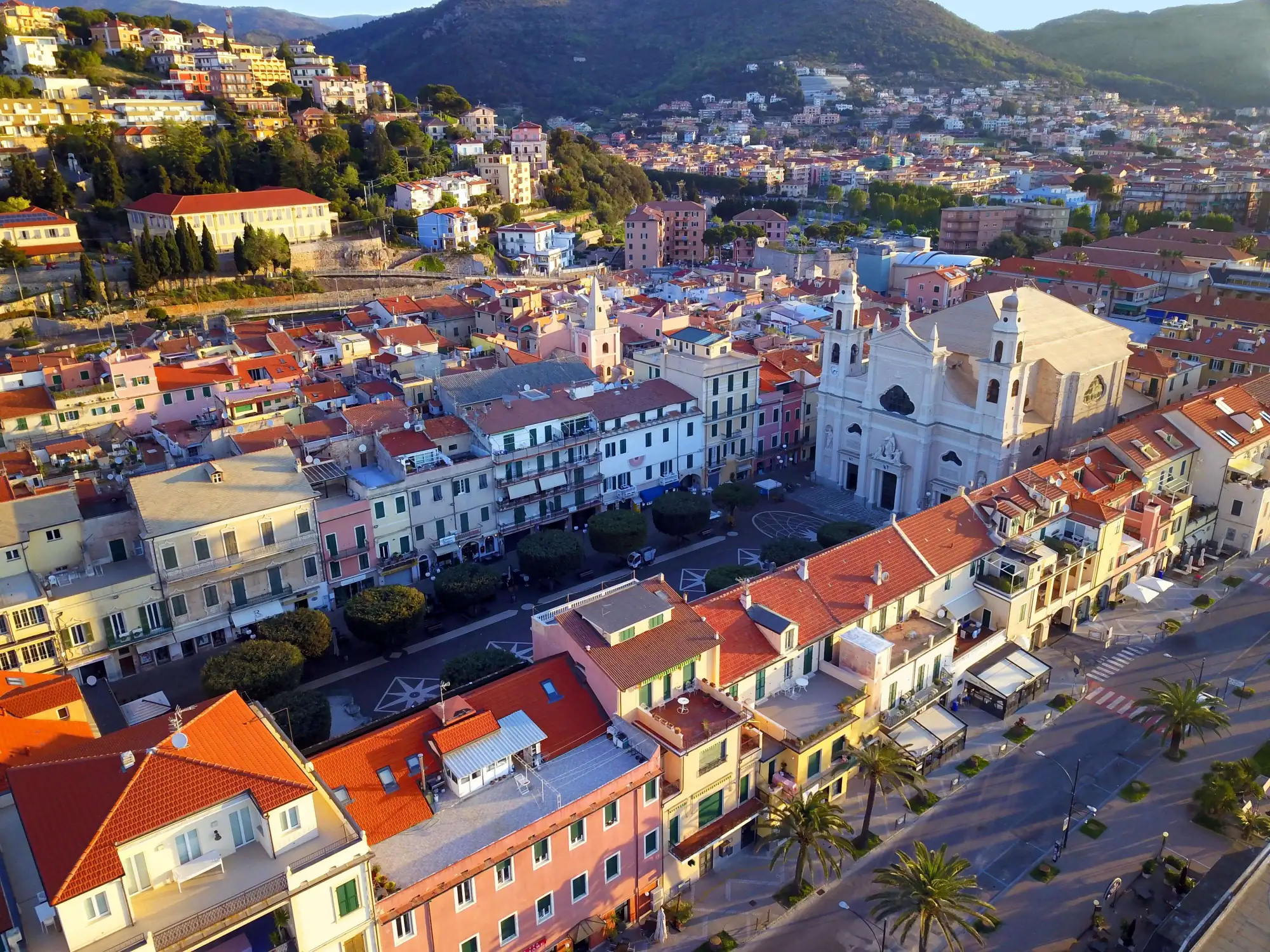
Pietra Ligure with its basilica and beach from above

Pietra Ligure

Blue Flag sandy beaches, the Basilica of San Nicolò, the castle on its rock, a pedestrian old town and a hinterland of trails and caves.

Pietra Ligure with its basilica and beach from above
Area
Riviera delle PalmeRiviera di Ponente · Province of Savona
Ideal for
Families with childrenbeach holidays, combining the sea with hiking and mountain biking
Beaches
Sand and fine shingle, gently shelvingBlue Flag 2026 (Ponente); two dog beaches
Best time to go
June to September for the seaspring and autumn for the town and hiking
By train
Pietra Ligure station (Genoa–Ventimiglia line), near centre and beachesabout 1 h 10 from Genoa
By car
A10 Genoa–Ventimiglia, Pietra Ligure exitcentre a few minutes from the toll booth
Airport
Genoa (about 70 km)Nice (about 130 km)
How long to stay
A day for the towna week for the beach and nearby day trips

Welcome to Pietra Ligure

Blue Flag beaches and an old town

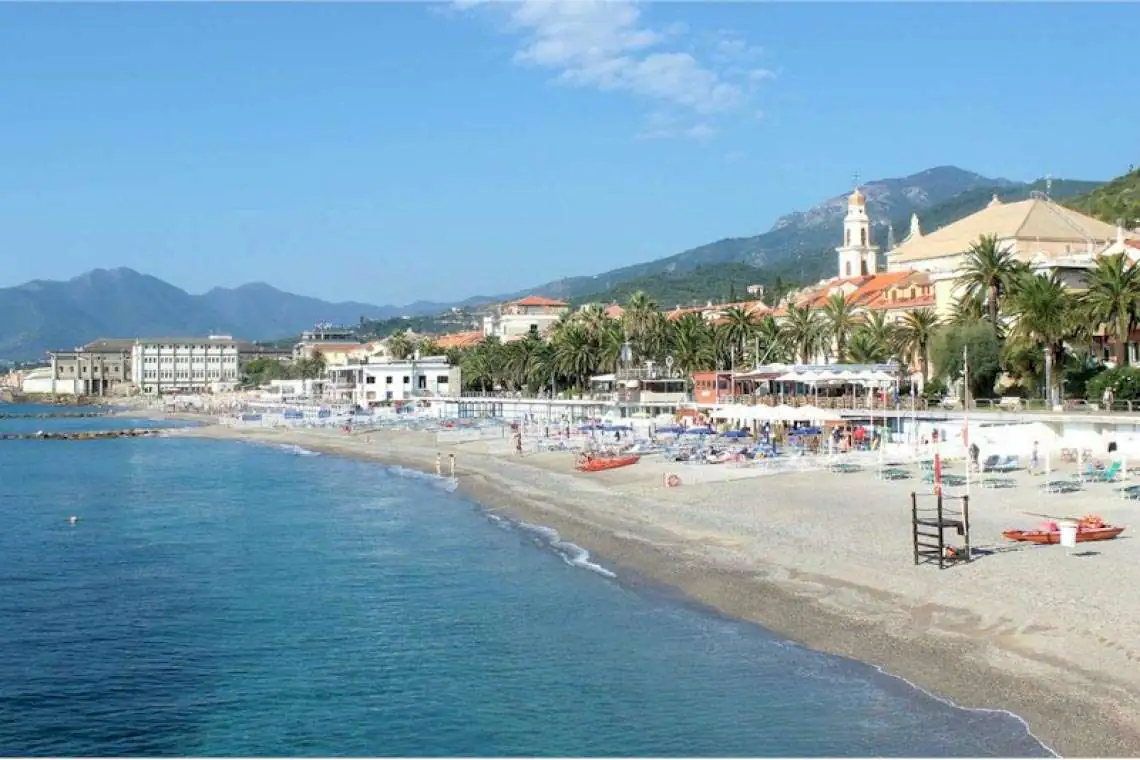
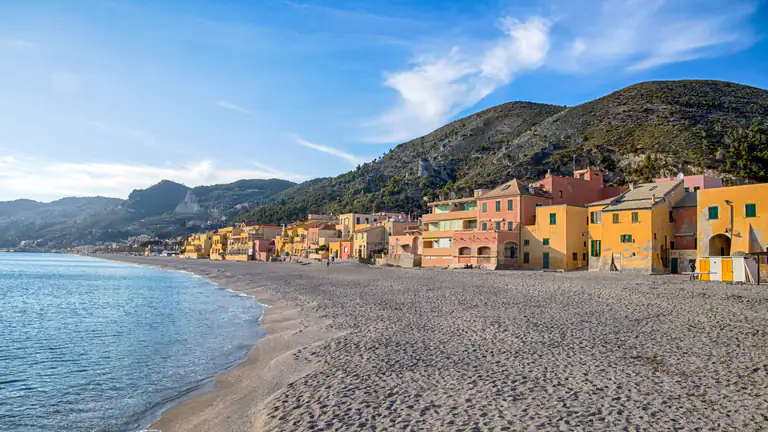
Pietra Ligure is a seaside town on the Riviera di Ponente, the western half of the Ligurian coast, in the province of Savona, between Loano and Borgio Verezzi. It has about six kilometres of coastline, beaches of sand and fine shingle with water that stays shallow for a few metres, a palm-lined promenade and a mostly pedestrian old town built around the large Basilica of San Nicolò, which locals simply call “il Duomo”.

The name comes from the “pietra”, the rock spur on which the castle stands. For centuries the town belonged to the bishops of Albenga, who used it as their summer residence from 1100; in 1385 the pope handed it to the Republic of Genoa. The date locals remember most, though, is 8 July 1525: the end of a plague epidemic, credited to Saint Nicholas, which gave the town both its basilica and its biggest festival.

Today Pietra Ligure has around 8,100 residents and fills up with families in summer. In 2026 it again holds the Blue Flag. It is an easy base without a car: the station is in town, trains run along the coast, and the hills behind offer trails, crags and caves. It suits a beach week with children, or a stay that mixes the sea with hiking and mountain biking. It is not a base for the Cinque Terre or Portofino, which lie on the far side of Genoa: think of it instead as a gateway to the western Riviera.

Where is Pietra Ligure?

Pietra Ligure is in Liguria (Riviera di Ponente, Riviera delle Palme, province of Savona).

Map: where Pietra Ligure is in LiguriaPIEDMONTLOMBARDYEMILIA-ROMAGNATUSCANYFRANCERIVIERA DI PONENTERIVIERA DI LEVANTELIGURIAN SEASavonaImperiaSanremoLa SpeziaPietra Ligure
Boundaries: ISTAT, Natural Earth · Interactive map →

What to see

What to see in Pietra Ligure

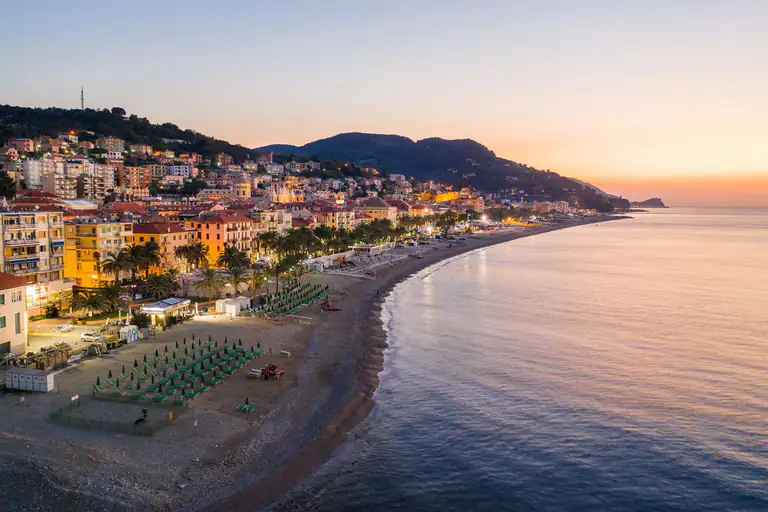
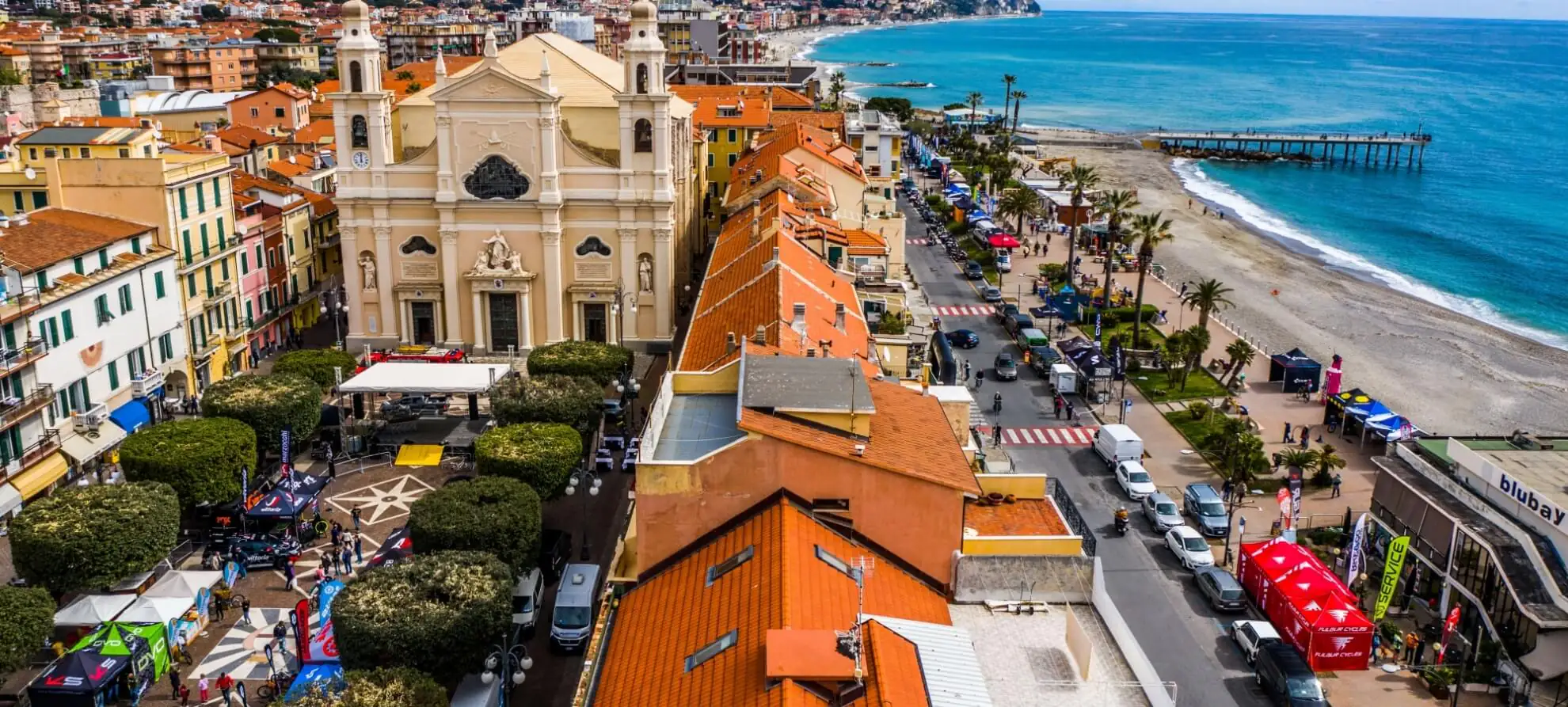
Pietra Ligure with its basilica and beach from above

You can walk the centre in a couple of hours. The old quarter has a regular grid of streets running parallel to the shore, with the newer quarter next to it; between the two are the basilica, the oratories and the historic palaces. Distances are short: from the station to the beach and the centre is a few minutes on foot.

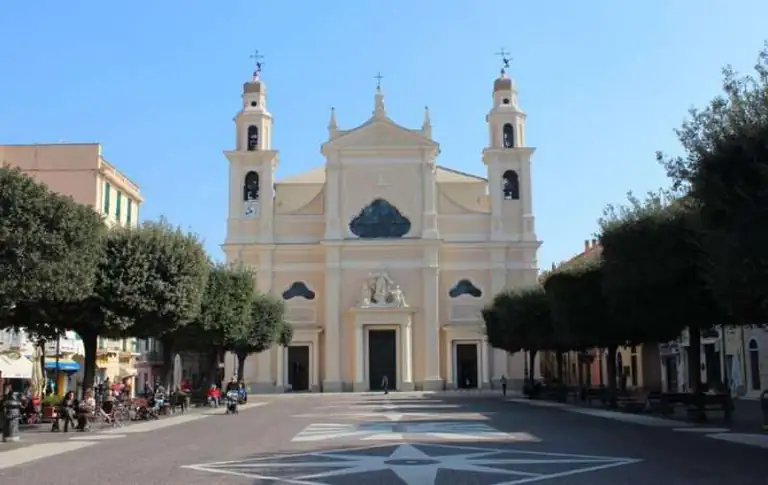
Basilica of San Nicolò in Pietra Ligure

Basilica of San Nicolò, the "Duomo"

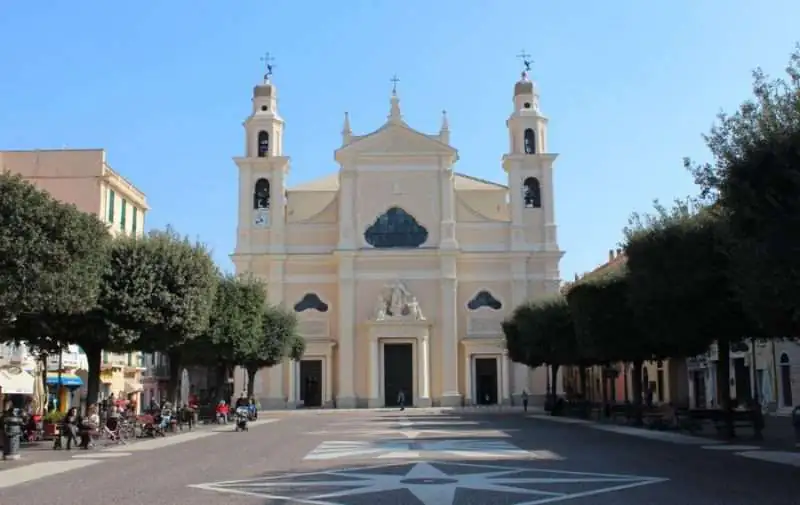
The largest building in town towers over the tree-lined square in the centre. It was vowed after the plague of 1525, but work only began in 1750, to a design attributed to the Genoese architect Giovanni Battista Montaldo, and took more than forty years. The church was blessed in 1791 while still unfinished, completed in the 19th century and consecrated on 8 July 1891. It has been a minor basilica since 1992.

Inside, look for the icon of Saint Nicholas painted in 1498 by Giovanni Barbagelata, central to the miracle story, and the wooden choir and pulpit that came from Marseille cathedral. Despite what some guides say, it is not a Romanesque church: it is a late 18th-century building with a 19th-century façade.
The miracle of San Nicolò

In 1525 plague devastated the town. According to tradition, the survivors locked the eight gates in the walls, entrusted the keys to the icon of the saint and fled into the countryside. On the morning of 8 July they heard the bells of the old parish church ringing, came back and found the print of a hand on the largest bell, attributed to Saint Nicholas. Every 8 July since, the town has celebrated with a fair, an evening procession carrying the saint’s statue and fireworks over the sea.

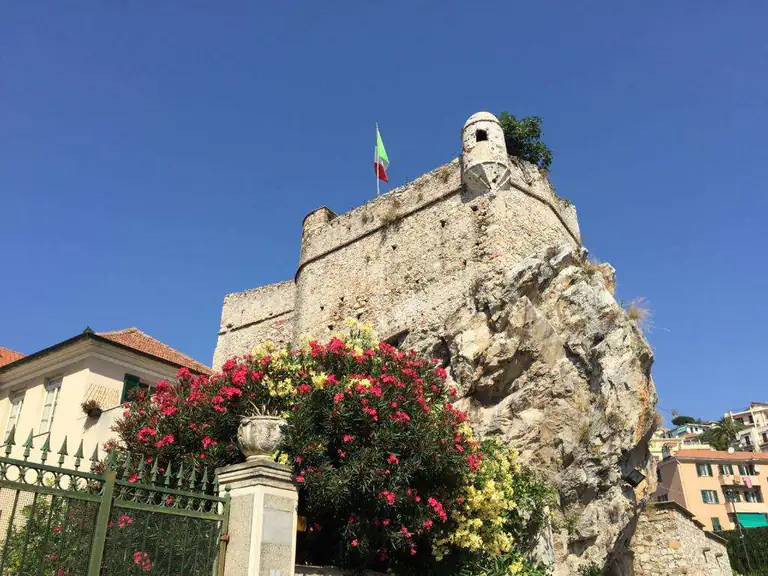
Pietra Ligure Castle on its rock

The castle and Palazzo Leale Franchelli

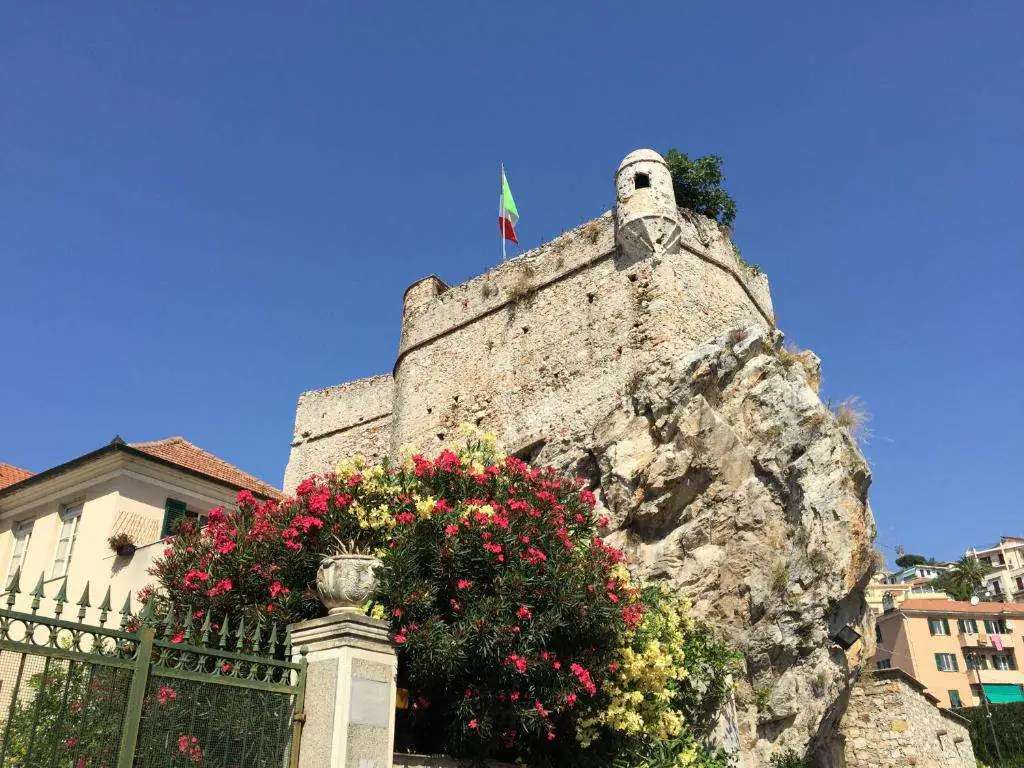
The castle sits on the rock to the north-east of the centre, the “pietra” that gave the town its name. Its origins go back to the 7th–8th century; in the 12th century it was rebuilt as a stronghold of the bishops of Albenga. Part of it survives today, joined to the 17th-century Palazzo Leale Franchelli, whose rooms were frescoed by Antonio Novaro. You get a good view of it from the old town and the promenade; ask the tourist office whether any visits are running during your stay.

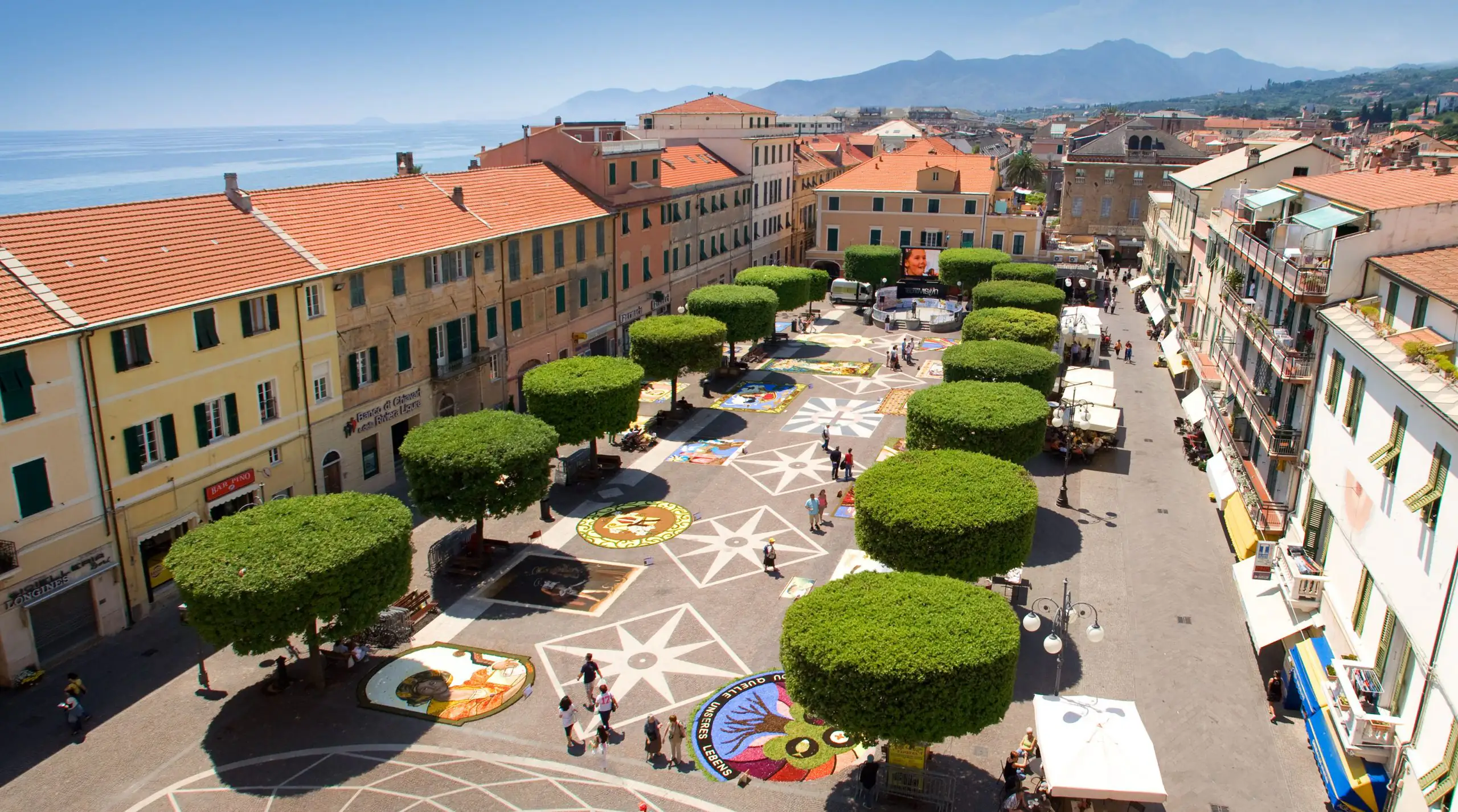
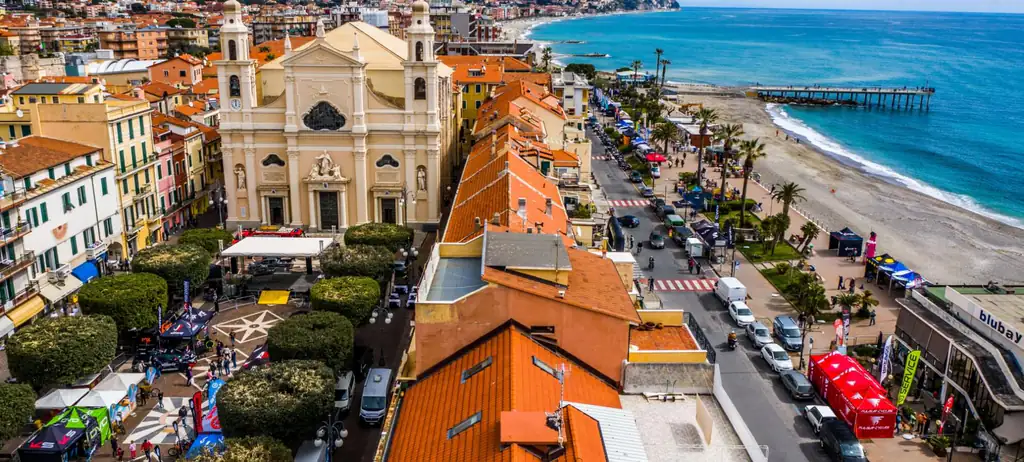
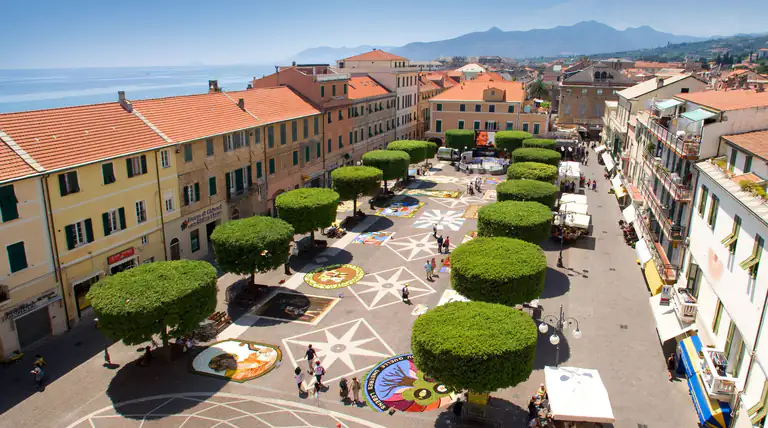
Tree-lined square in Pietra Ligure from above

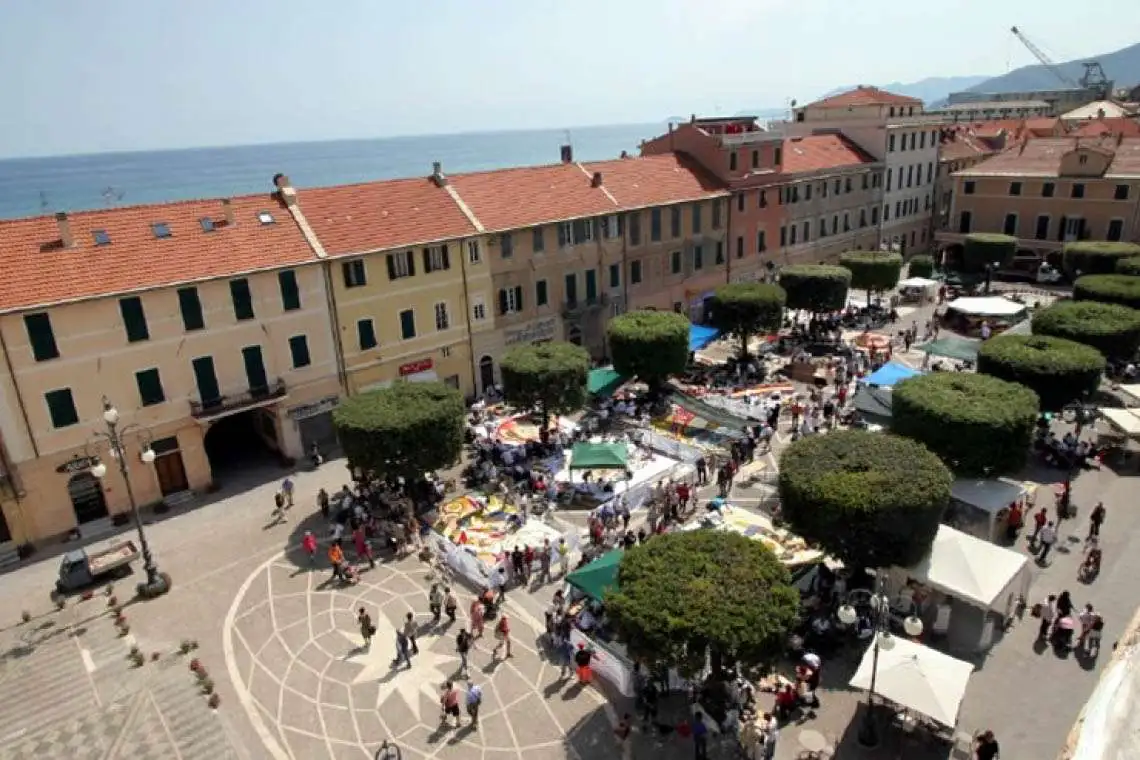
Old town and the basilica square

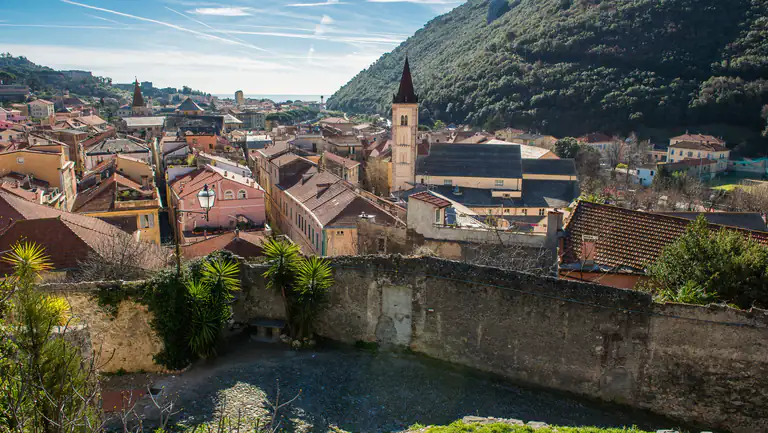
The old quarter is a mesh of tall, narrow houses, lanes (carruggi) parallel to the sea and archways leading down to the beach. Since its redevelopment it is almost entirely pedestrian, paved in stone and brick, easy going even with a pushchair. Stretches of the old walls and gates still mark the edge of the medieval town.

The square in front of the basilica, shaded by pines, is where the town meets in the evening: the shopping streets start here, and in summer there are concerts and markets. The town hall is in Palazzo Golli.

Rooftops and basilica of Pietra Ligure

Oratory of the Annunziata

The Oratory of the Santissima Annunziata dates from 1481, when a lay brotherhood gave a building to the Dominicans; the church was consecrated in 1519 and enlarged between 1660 and 1683. It has a small spired bell tower from the 15th century. In 1550 the Dominican friar Michele Ghislieri, later Pope Pius V, lived here. Today it is looked after by the confraternity of Santa Caterina, known as “the Reds”.

Oratorio dei Bianchi

This was the town’s old parish church, the one whose bells rang on the morning of the miracle. The present building has early medieval roots and was rebuilt in Romanesque style in 1384. Abandoned once the basilica was built, it passed to a confraternity, later became an auditorium and, after restoration, returned to worship in 2006.

Sanctuary of Nostra Signora del Soccorso

The church of the Soccorso was founded in 1548 and has been a parish church since 1969. It is less famous than the basilica but part of the town’s religious heritage, and worth a stop if you are nearby.

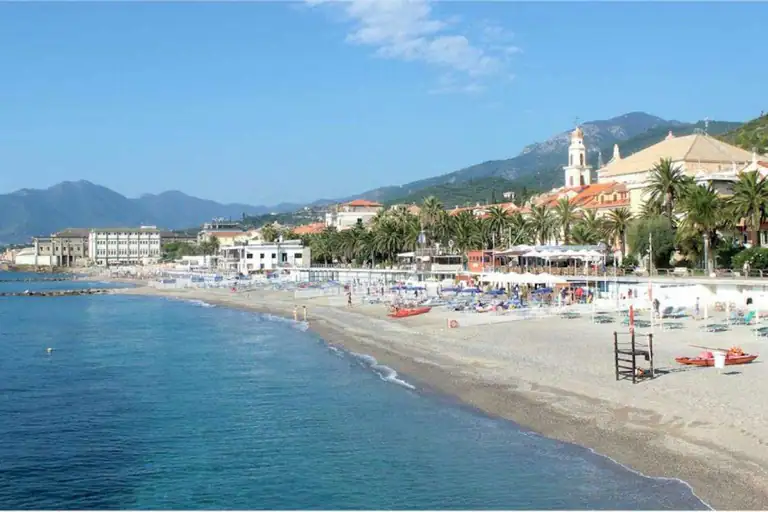
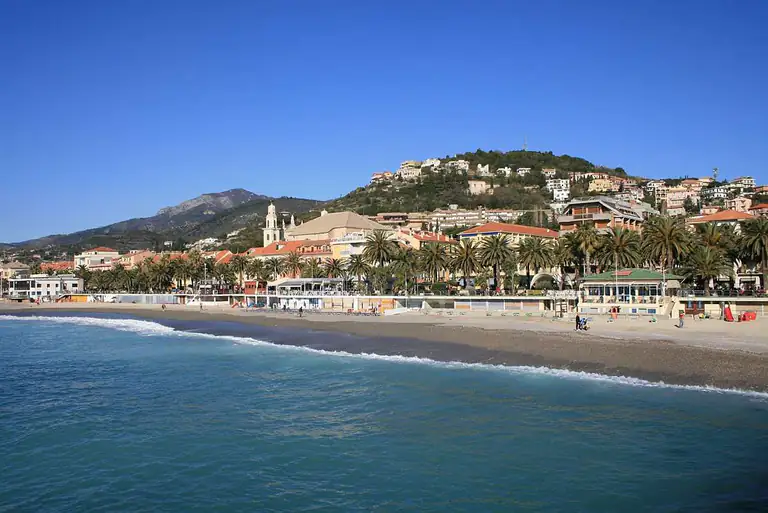
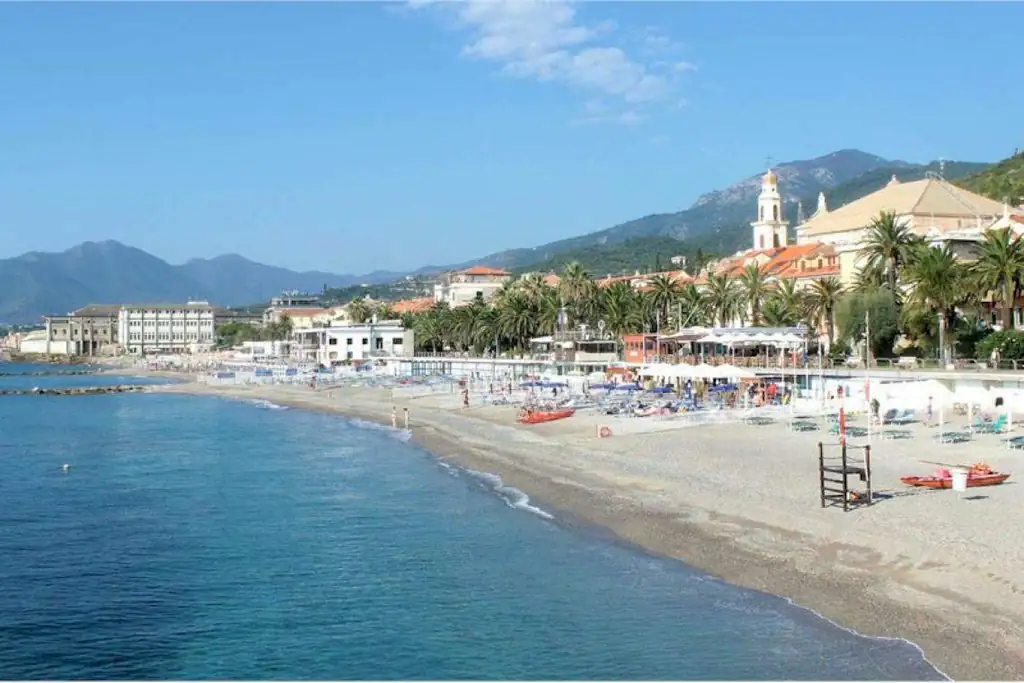
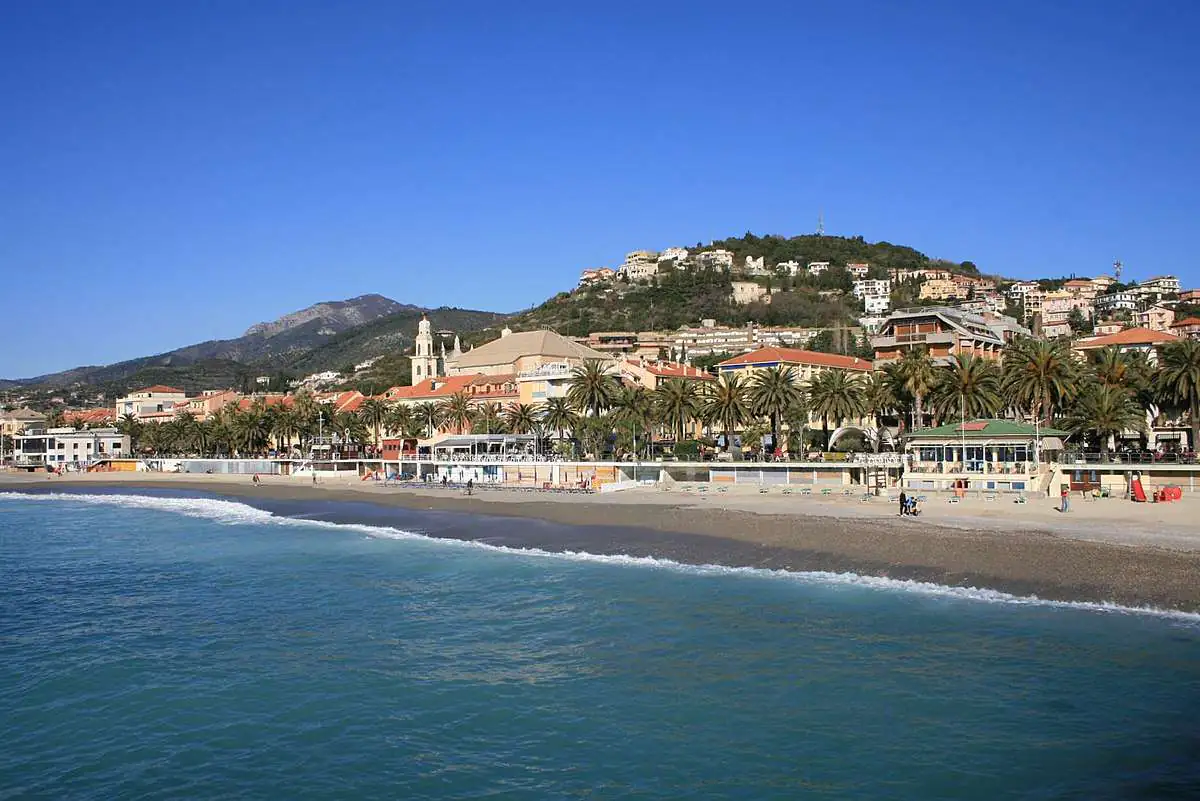
Pietra Ligure beaches with the basilica in the background

Promenade and pier

The promenade runs for about two kilometres past palms, beach clubs and free stretches of sand. It is the evening stroll for everyone, on foot or by bike. From the pier you can look back at the coast, with the basilica and the castle behind: this is where the summer fireworks are launched.

Parco Pietro Toesca

At the foot of Monte Trabocchetto is a botanical garden given to the town in 1966. It has local plants and species from other parts of the world, a pond with fish and turtles, a small wooden bridge and an animal area: the easiest outing with children on a non-beach day.

Ranzi

Pietra Ligure’s only outlying village sits on the hill behind town, among olive groves and footpaths. It is home to “Pietra Ligure in Fiore”, the flower carpets laid for the Corpus Domini procession, which every three years become a large festival. Several walking and mountain-bike routes start from here.

Sea

Beaches in Pietra Ligure

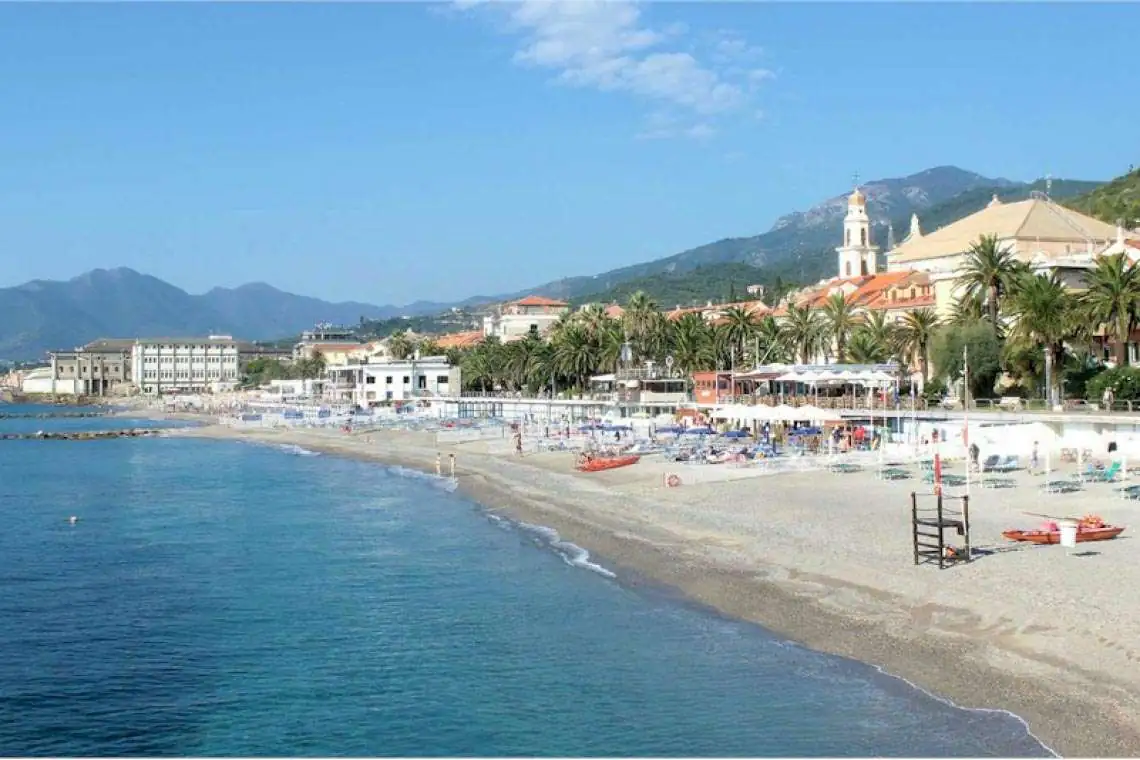
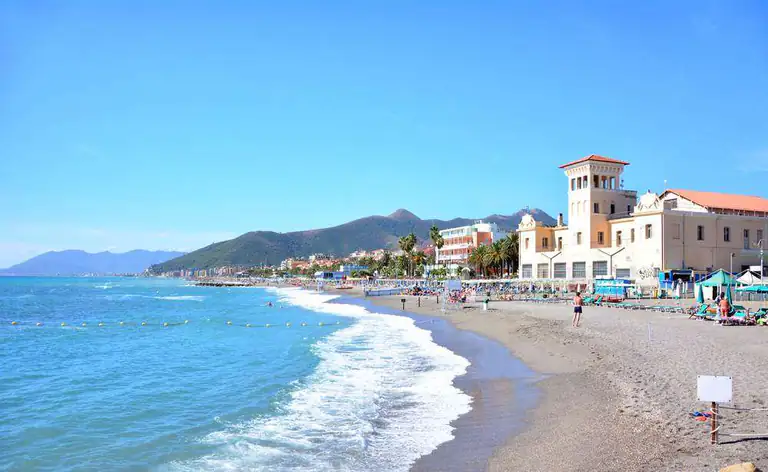
The coast is mostly sandy, with patches of fine, rounded shingle. The seabed shelves gently for a few metres, which is why Pietra is so popular with families. Most of the shore is taken by equipped beach clubs (stabilimenti), with free beaches in between, including the Spiaggia delle Barche in front of the old town.

Read more: Beaches of Pietra Ligure →
Pietra Ligure beach and coastline

Blue Flag 2026

awarded to the Ponente (western) stretch.

Dog beaches

Free beach

two free beaches with services, one to the west and one to the east, under council rules.

Water sports

SUP, windsurfing, snorkelling, diving and boat trips.

Beach-by-beach details are in our guide to the beaches of Pietra Ligure.

Sandy beach in Pietra Ligure

Where to stay

Where to stay in Pietra Ligure

There is plenty of choice: hotels, residences, B&Bs, holiday apartments and campsites, many of them family run. Which area to pick depends on your trip.

  • Old town and seafront: best if you arrive by train and want to walk everywhere, beach, restaurants and evening stroll included. The liveliest area, and sea-view rooms go first.
  • Western side: towards Loano, quieter, good for families and close to the free beaches with services.
  • Hills and Ranzi: for travellers with a car who want quiet and an early start for trails and crags.

For July, August and the days around 8 July, book well ahead.

Getting there

How to get to Pietra Ligure

By car

Take the A10 Genoa–Ventimiglia motorway and exit at Pietra Ligure: the centre is a few minutes from the toll booth. The coastal Via Aurelia runs through town and is handy for hopping between Loano, Borgio Verezzi and Finale.

By train

Pietra Ligure station is on the Genoa–Ventimiglia line, close to the centre and the beaches. Direct regional trains from Genova Piazza Principe take about one hour ten minutes. If you land in Milan or Turin, change in Genoa or Savona. Check times on Trenitalia.

By bus

TPL Linea buses connect Pietra Ligure with the coastal towns and some inland villages. Check routes and timetables on TPL Linea.

By air

The nearest airport is Genoa Cristoforo Colombo, about 70 kilometres away: just over an hour by car, or a bus to Genoa station and then the train. Nice Côte d’Azur is about 130 kilometres away, around an hour and a half on the motorway if traffic is light.

Parking

According to the council, there are large free car parks near the beaches; the biggest is the former sports ground (ex campo sportivo), with electric-car charging points. Closer to the centre most spaces are paid. The old town is almost entirely pedestrian, so leave the car and walk. In high season, arrive early.

For information on the spot, the IAT tourist office is at Piazza Martiri della Libertà 29.

Pietra Ligure44.1489, 8.2837
Open in Google Maps →Interactive map →

By car

A10 Genoa–Ventimiglia, Pietra Ligure exit; centre a few minutes from the toll booth

By train

Pietra Ligure station (Genoa–Ventimiglia line), near centre and beaches; about 1 h 10 from Genoa

By plane

Genoa (about 70 km); Nice (about 130 km)

The guide

Things to do in Pietra Ligure

  • A beach day with children: shallow water near the shore, well-equipped beach clubs and free beaches close to car parks.
  • On the water: the town’s tourism website lists SUP, windsurfing, surfing, snorkelling (also at night), diving, sailing days, fishing trips and whale watching.
  • Guided walks: the council runs guided walks in the old town and the surroundings, including one on the bell of the miracle.
  • Evenings: a walk along the seafront, gelato in the square and, in summer, music and themed nights in the centre.
  • Caves: two famous cave systems are a short drive away, at Borgio Verezzi and Toirano (see day trips).

Walks and hikes

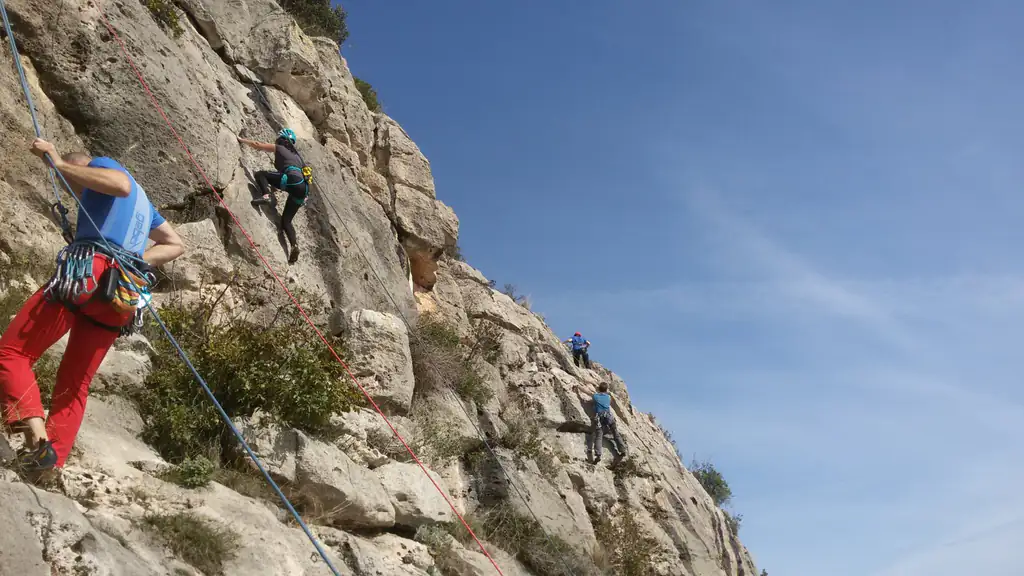
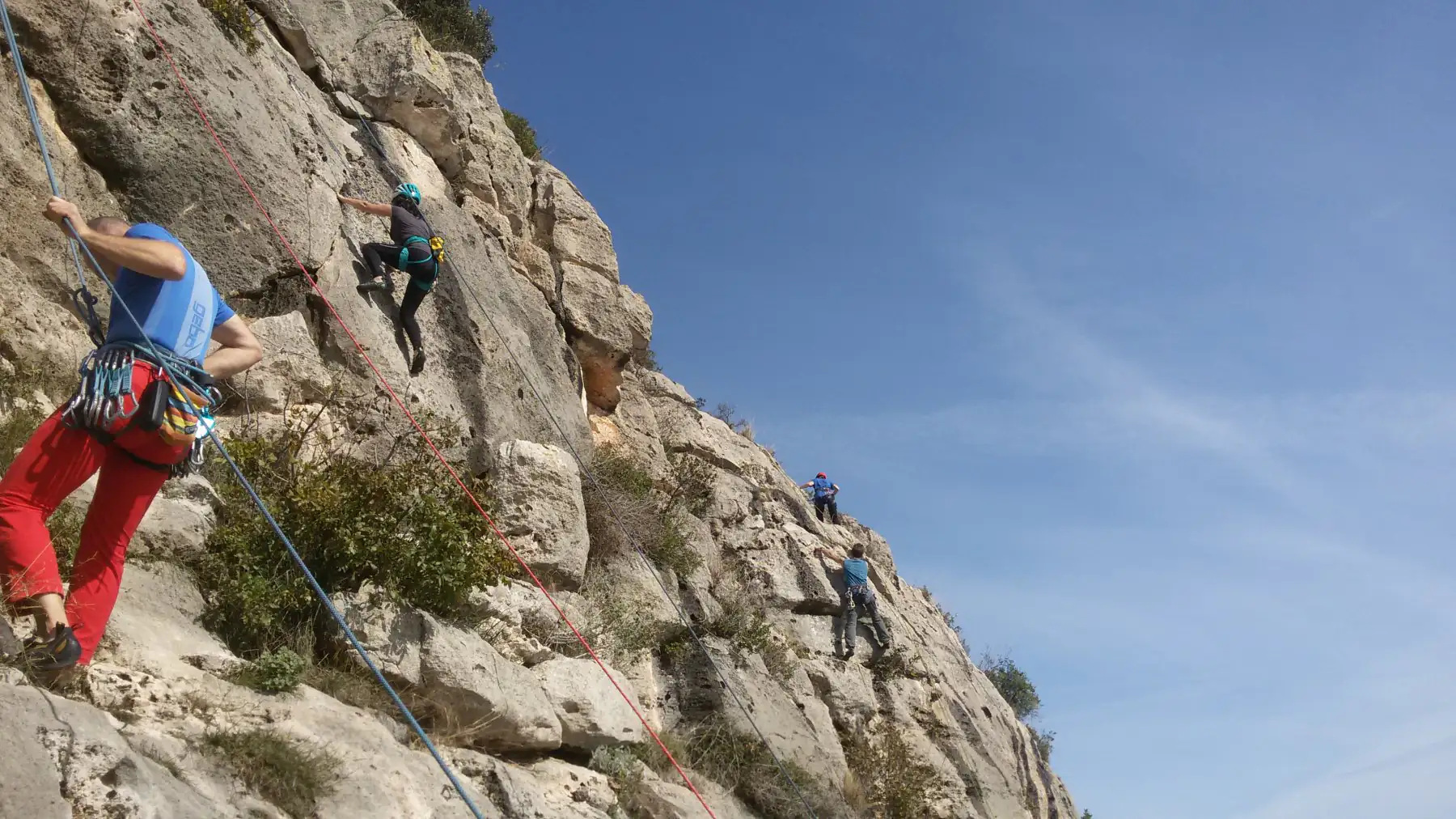
Climbing on the Cento Corde crag near Pietra Ligure

Behind Pietra the hills rise straight away: olive terraces, old quarries and limestone crags. The Val Maremola inland is part of the Finale outdoor network, with marked routes for hiking, mountain biking and climbing.

  • Monte Trabocchetto: the path starts from Via della Cornice, climbs an old paved mule track through the olives and reaches a viewpoint over the bay. The short loop takes about an hour and a half.
  • Falesia delle Cento Corde: a limestone crag above town used by climbers; go with your own gear and experience, or with a guide.
  • Mountain biking: the Val Maremola trails link up with those around Finale; maps and routes are on the Finale Outdoor Region portal.
  • Via ferrata degli Artisti: on Bric Agnellino, inland, for those with via ferrata experience.
  • Giustenice and Monte Carmo: the hill village next to Pietra, in the Scarincio valley, has the ruins of a Del Carretto fortification and trails climbing towards Monte Carmo di Loano, 1,389 metres. In late July the Palio dei Carri recalls the Genoese siege of 1448.

What to eat in Pietra Ligure

The food is that of the Savona Riviera: bakery goods, vegetables, olive oil and fish.

  • Focaccia and farinata: olive-oil focaccia for breakfast or a snack, chickpea farinata in the evening.
  • Fugassin: small fried focaccias, a staple of summer food festivals.
  • Pesto and trofie: Liguria’s classic pasta dish.
  • Oily fish: anchovies fried, stuffed or marinated.
  • Extra virgin olive oil: from the hills of Giustenice and the Val Maremola.
  • Sweets: in September the “Dolcissima Pietra” festival brings artisan pastry makers to the old town.

Events in Pietra Ligure

  • Feast of the Miracle of San Nicolò (8 July): evening procession with the saint’s statue and the confraternities, a fair and fireworks from the pier.
  • Assumption fireworks (15 August): fireworks over the sea.
  • Dolcissima Pietra (September): artisan sweets festival in the old town.
  • Pietra Ligure in Fiore (Corpus Domini): flower carpets in Ranzi, with a major edition every three years.
  • Confuoco (Sunday before Christmas): an old ceremony of medieval origin, one of the town’s most cherished traditions.

The up-to-date calendar is on the town’s tourism website.

Day trips from Pietra Ligure

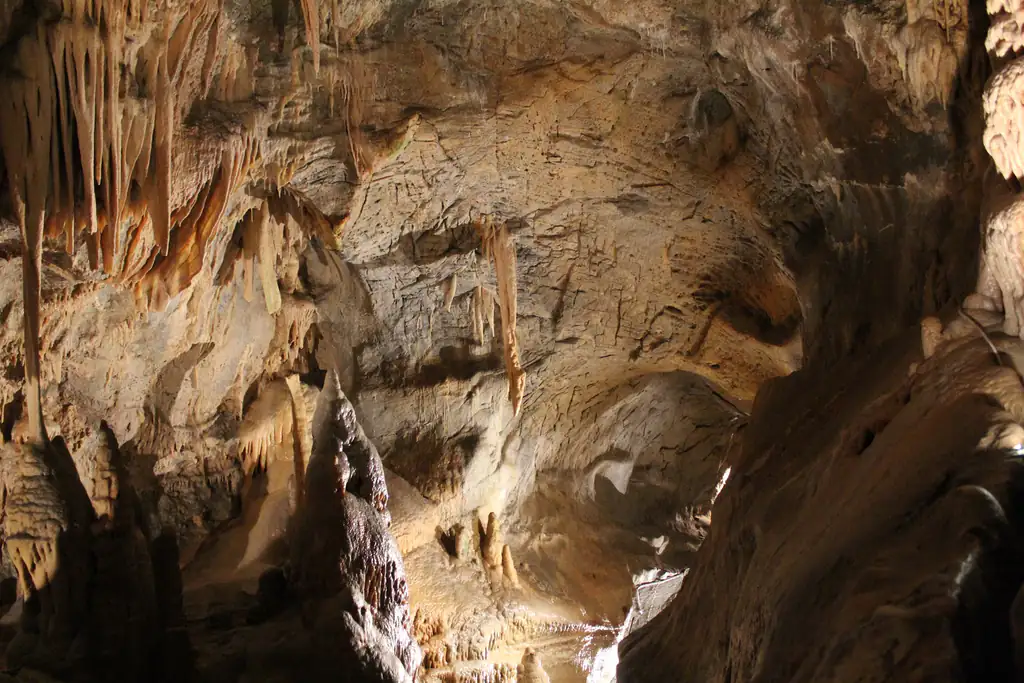
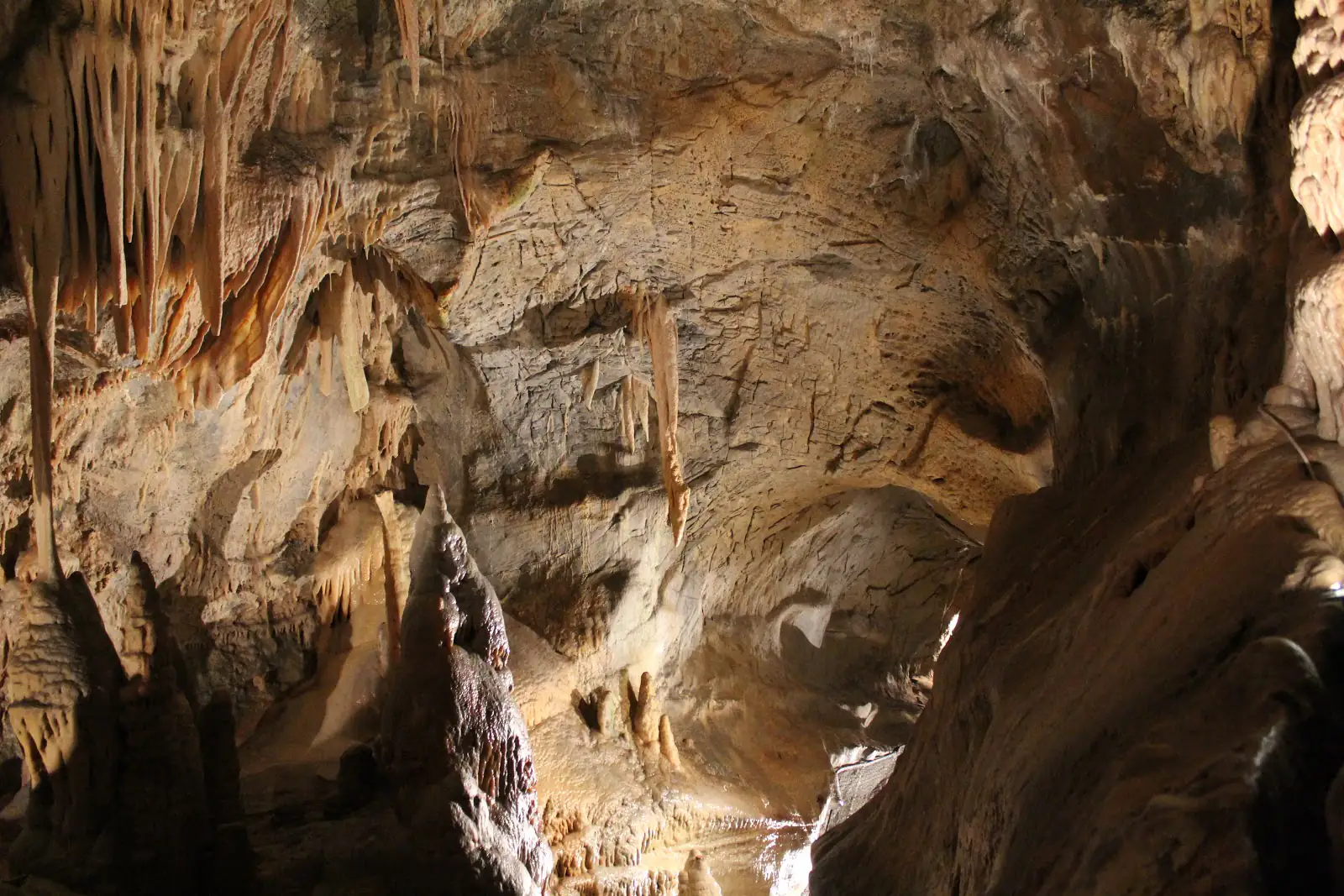
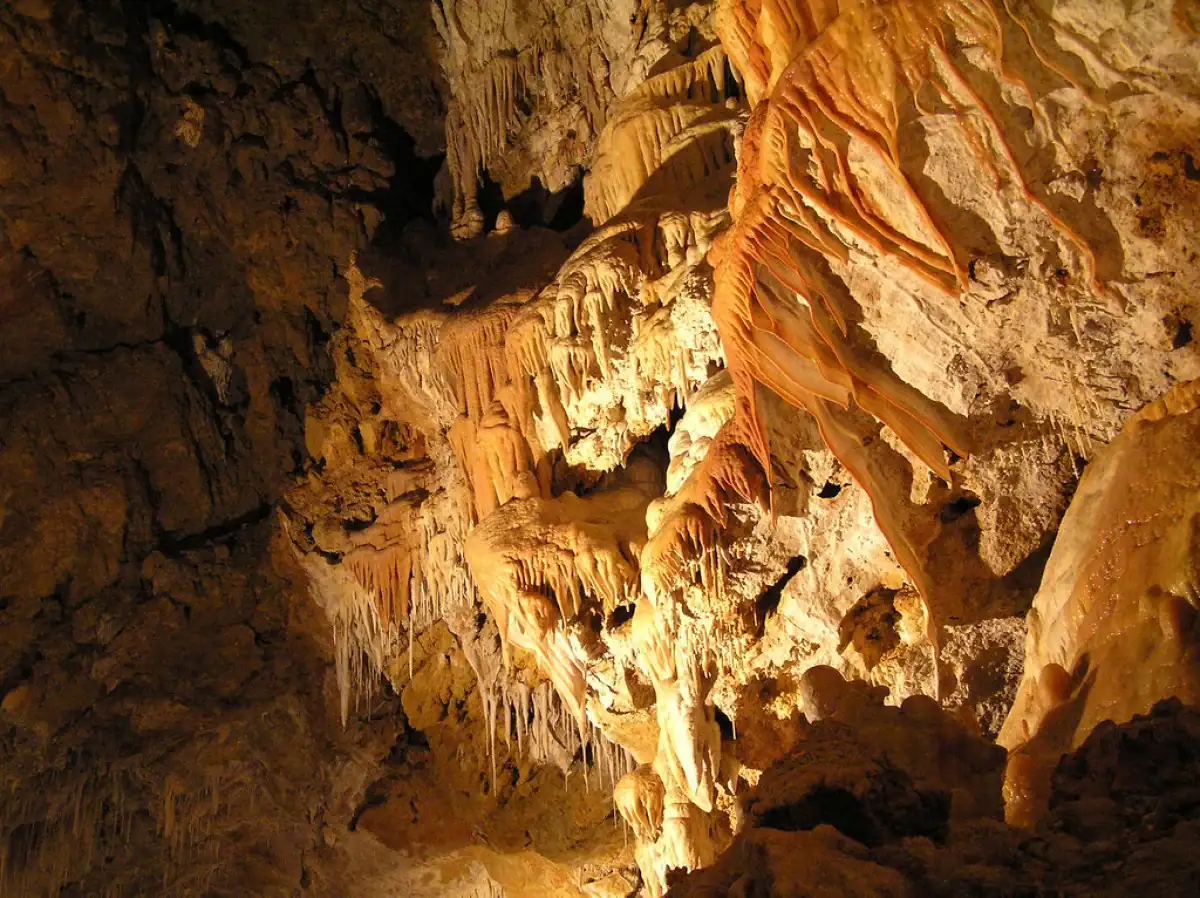
Stalactites and stalagmites in the Toirano Caves
  • Loano: the next town west, with its marina and promenade; you can walk or cycle there.
  • Borgio Verezzi: the Valdemino caves, coloured by minerals, and the hill village of Verezzi with its summer theatre festival. Cave visits are guided at set times.
  • Toirano Caves: stalactites, stalagmites and traces of cave bears, inland from Borghetto. Guided visits must be booked on the official website.
  • Finale Ligure and Finalborgo: beaches, a walled village listed among Italy’s most beautiful, and the outdoor capital of Liguria, one train stop away.
  • Varigotti: colourful houses on the sand and the Baia dei Saraceni.
  • Albenga: the town of medieval towers and an early Christian baptistery, whose bishops once summered in Pietra.
  • Alassio: the Muretto, the narrow shopping lane and one of the longest beaches on the Riviera.

Weather

Weather and best time to visit Pietra Ligure

June to September for the sea; spring and autumn for the town and hiking

⛅
15°CNow · wind 10 km/h
  1. Sat 10⛅22° 15° 
  2. Sun 11🌦️22° 15°1 mm
  3. Mon 12🌤️22° 16° 
  4. Tue 13☀️23° 15° 
  5. Wed 14⛅22° 15° 
  6. Thu 15☀️24° 14° 

Forecast: MET Norway (Yr), CC BY 4.0 licence. Updated hourly.

Weather across Liguria →

MonthJanFebMarAprMayJunJulAugSepOctNovDec
SeaOff seasonOff seasonOff seasonOff seasonPossibleGoodIdealIdealGoodPossibleOff seasonOff season
Sightseeing and hikingPossiblePossibleGoodGoodIdealIdealIdealIdealIdealGoodPossiblePossible
CrowdsQuietQuietFew peopleFew peopleFew peopleBusyVery busyVery busyBusyFew peopleQuietFew people
Don't missMiracle of San NicolòAssumption fireworksDolcissima PietraConfuoco

IdealGoodPossibleOff season

Crowds:QuietFew peopleBusyVery busy

Gallery

Photos of Pietra Ligure

FAQ

Frequently asked questions about Pietra Ligure

What can you see in Pietra Ligure in one day?

The Basilica of San Nicolò, the old town with the Annunziata and Bianchi oratories, the castle seen from the lanes, the promenade out to the pier and, if you have time, the Toesca park or the Monte Trabocchetto path.

Does Pietra Ligure have a Blue Flag in 2026?

Yes. In 2026 the Blue Flag was awarded to Pietra Ligure’s Ponente (western) beach.

Are the beaches in Pietra Ligure sandy?

Mostly, with stretches of fine shingle. The seabed shelves gently for a few metres, so they suit young children.

Are there dog-friendly beaches in Pietra Ligure?

Yes, two free beaches with services for dogs: RinTin Beach to the west and Ex Leonessa to the east. Dogs must be on a lead and have their health documents in order.

What is the miracle of San Nicolò?

According to tradition, on 8 July 1525 the plague left town and the print of a hand, attributed to Saint Nicholas, appeared on the bell of the old parish church. The town celebrates every 8 July with a procession and fireworks.

Can you visit the castle in Pietra Ligure?

You can see it well from the centre and the seafront. It is joined to a historic palace and has no published regular opening hours: ask the IAT office whether visits are available.

Where can you park in Pietra Ligure?

In the free car parks near the beaches, such as the former sports ground. In the centre most spaces are paid, and the old town is pedestrian.

Can you reach Pietra Ligure by train?

Yes. The station is on the Genoa–Ventimiglia line, close to the centre; direct regional trains from Genoa take just over an hour.

How far are the Toirano Caves from Pietra Ligure?

A few kilometres inland from Borghetto Santo Spirito: about a quarter of an hour by car. Visits are guided and must be booked.

Is Pietra Ligure good for families?

Yes: shallow water near the shore, a pedestrian centre, a flat promenade, the Toesca park and a station in town make it one of the easiest places on the western Riviera for travelling with children.

Nearby

What to see near Pietra Ligure

3 km as the crow flies

Loano

Blue Flag family beach, Palazzo Doria with its Roman mosaic, old walls, Monte Carmelo and the marina: a practical guide…

Discover →

5 km as the crow flies

Finalborgo

Finale Ligure's walled medieval village: 15th-century gates, San Biagio, Santa Caterina cloisters, archaeology museum and castles on the Strada Beretta.

Discover →

5 km as the crow flies

Finale Ligure

Finalmarina, Finalborgo, Finalpia and Varigotti: Blue Flag beaches, Del Carretto castles, 200+ MTB trails and 4,000 climbing routes.

Discover →

10 km as the crow flies

Varigotti

The Saracen village near Finale Ligure: coloured houses on the beach, Punta Crena and its Byzantine fort, the Baia dei…

Discover →
Scroll to Top