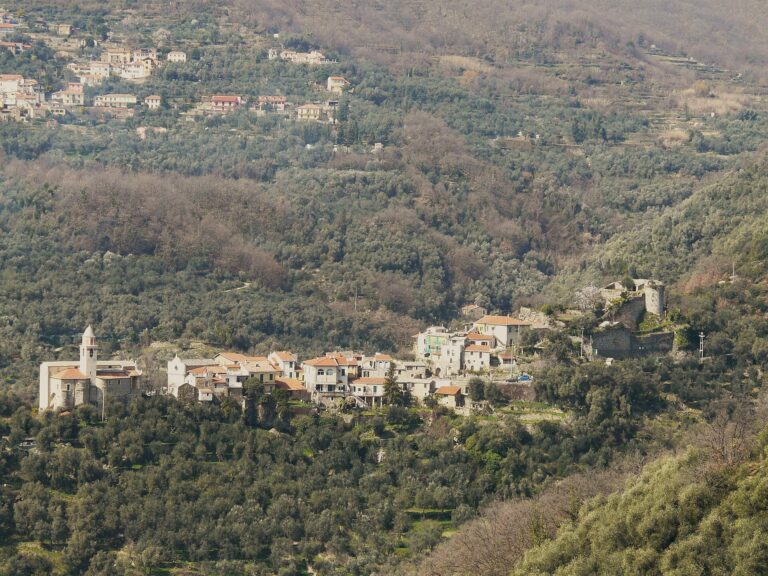
Riviera di Ponente › Riviera dei Fiori
Valloria
Village at 437 m in the Val Prino: painted doors, three fountains, museum of forgotten things, San Giuseppe. How to…
Discover →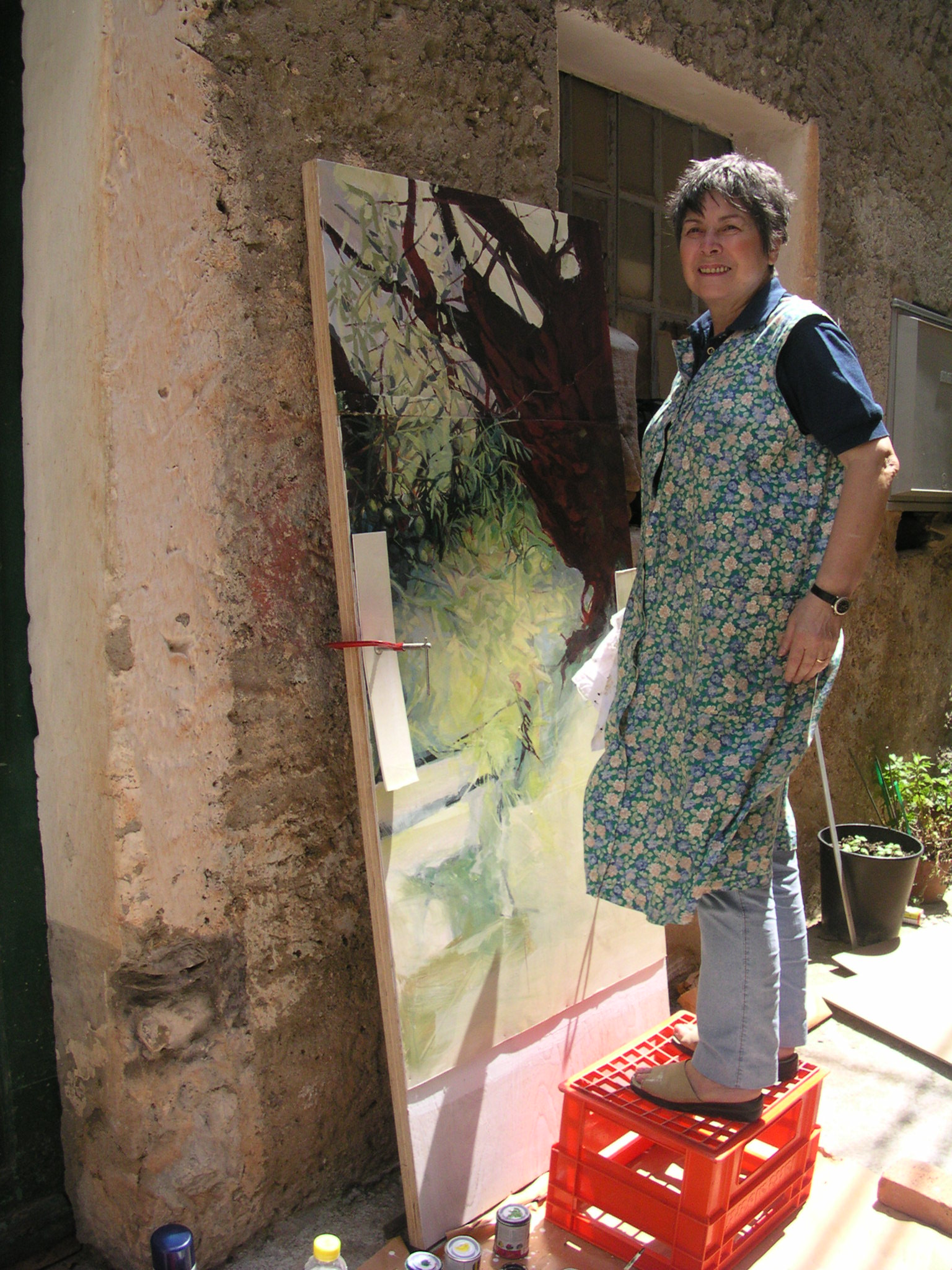
How many there really are, how to walk the route and what to ask before you go: painted doors, mural, museum and festival in Valloria.
The painted doors are the reason people look up Valloria, a village in the Val Prino at 437 metres, about 15 kilometres from Imperia. Since 1994 Italian and foreign painters have decorated the old doors of stables, storerooms and cellars in the village lanes. Guides repeat different, often outdated figures: here is what is confirmed, how to walk the route and what to ask before you go.
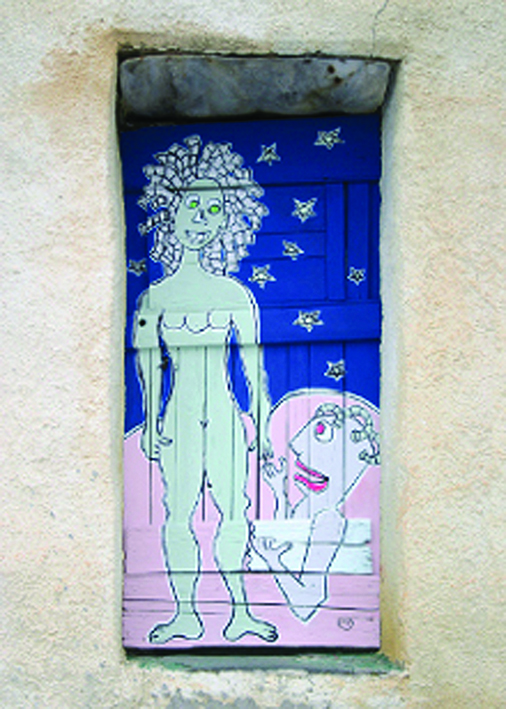
In the late 1980s a few people from Valloria who had moved to town began meeting to bring the village back to life; it had shrunk to about thirty inhabitants after the olive-oil crisis of the 1950s and 1960s. In 1991 the Amici di Valloria «Le Tre Fontane» association was founded, with a fair in the olive grove and the slogan «A Valloria fai baldoria». In 1994 the association restored the oratory of Santa Croce, to turn it into the museum, and began inviting painters to decorate the old doors.
On 2 June 2007 the first hundred doors were celebrated. Today Valloria belongs to ASSIPAD, the Italian association of painted villages.
They are wooden doors of houses, stables, storerooms and cellars, interpreted by artists in very different styles: portraits of women, landscapes, sacred and everyday scenes, dancers, fishermen, poets, musicians, fantastical figures. Some works are bas-reliefs. Filippo Biagioli is among the names cited by sources, but the full list of artists is not confirmed: a plaque beside the door usually gives author, year and subject, and many guides speak of «one artist per door».
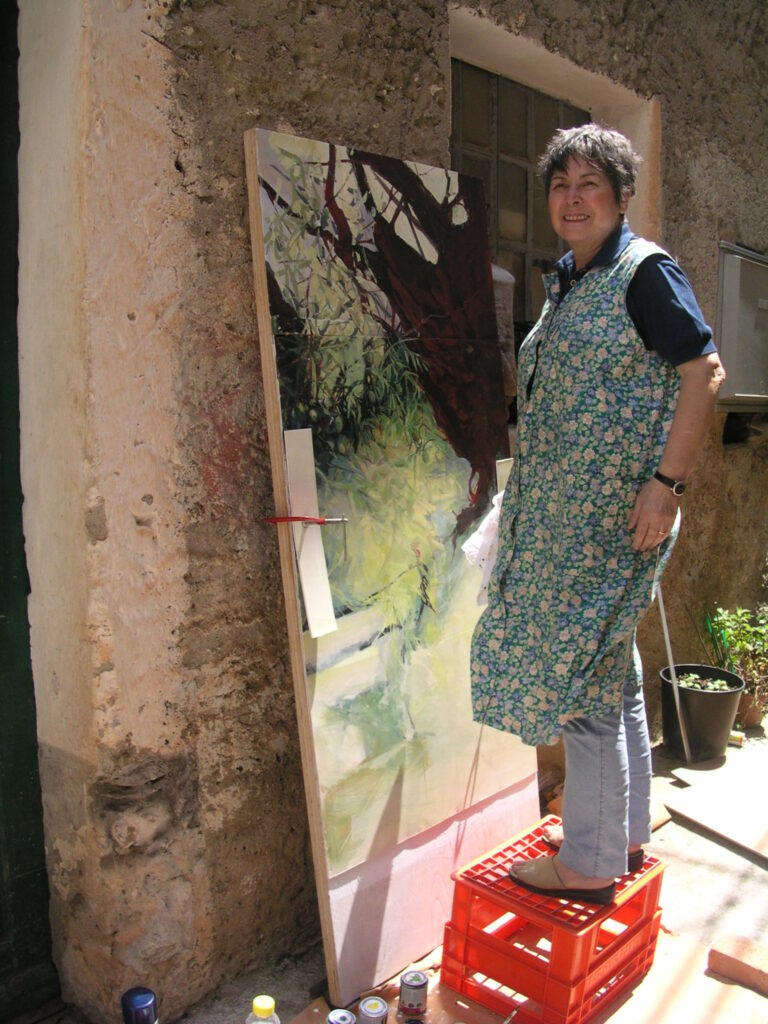
Leave the car in the small car parks at the entrance and continue on foot. The first thing you see is the mural «La raccolta delle olive» by students of the art school in Imperia (if you read about a mural by Mario Carattoli, it has been replaced). Then you reach the square with the three fountains, and from there you follow the blue «suggested route» signs.
The doors are numbered along a route that goes through all the lanes. The lanes are narrow and stepped, and the maze is confusing: it is normal to pass the same spot more than once. Wear comfortable shoes, avoid heels, and bring water in summer. Some guides say there is no map; the association produced a leaflet with a plan, but it is not confirmed that it is still available ⚠️.
The doors belong to real, partly lived-in houses, in a village of a few dozen people. Look and photograph, but do not touch the doors, open gates or enter courtyards. Keep your voice down in the lanes. If you want a souvenir, buy something from local producers or eat on the square.
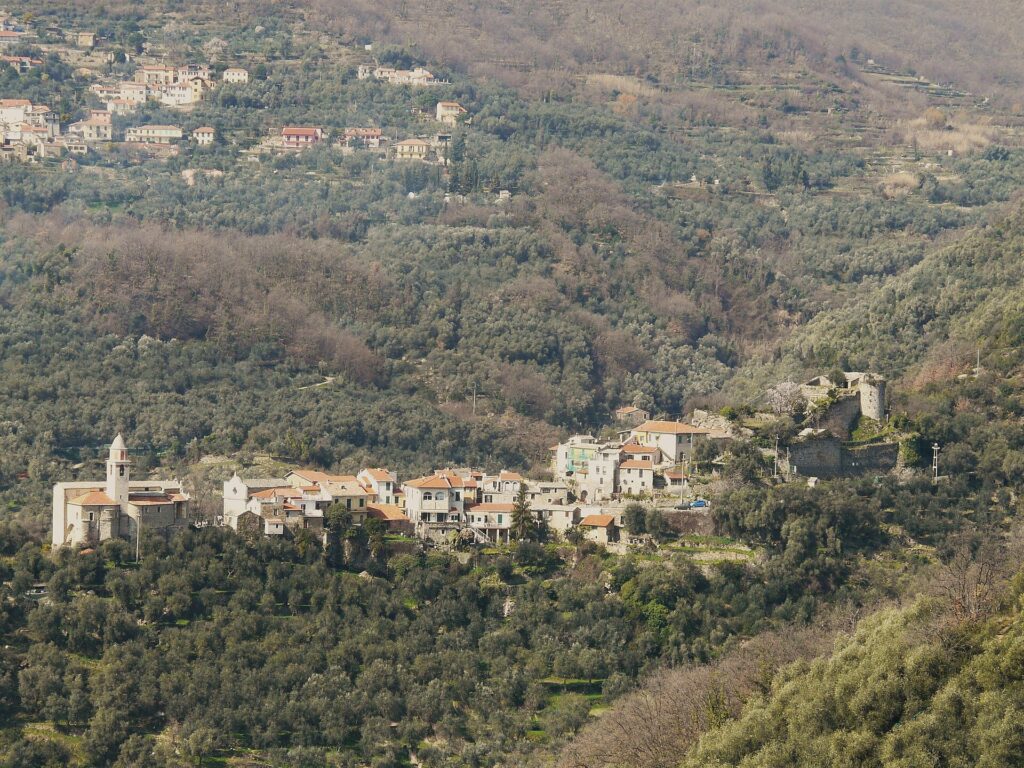
From the fountains a climb of about ten minutes leads to the little church of San Giuseppe, with a view over the valley and, according to the association, the outline of Corsica on clear days. On the square, the Museum of Forgotten Things is in the former oratory: there are no opening hours, it is visited on request and it is best to call the restaurant on the square first (+39 0183 282742) ⚠️. For the list of sights and walks go back to the guide to Valloria.
The «A Valloria fai baldoria» festival is the event that for years added new doors: painters painted live while people ate among the olive trees. The dates are uncertain: in 2014 there were two festivals (July and August), some sources mention the first weekend of July or August, and a recent guide says they are no longer held. The 2026 edition is not confirmed: ask the association.
The number varies because sources are from different years: 100 doors in 2007, 145 in 2014, 158 and 167 on the association’s website (not updated in recent years), 144 according to a 2022 article. Some doors are also restored and others replaced. That is why we write «between 150 and 170»: if you count fewer or more, you have not made a mistake.
Nearby
Riviera di Ponente › Riviera dei Fiori
Village at 437 m in the Val Prino: painted doors, three fountains, museum of forgotten things, San Giuseppe. How to…
Discover →Guide
The weather in Valloria today, tomorrow and for the next 10 days: hourly forecast, wind, rain and the climate month…
Discover →