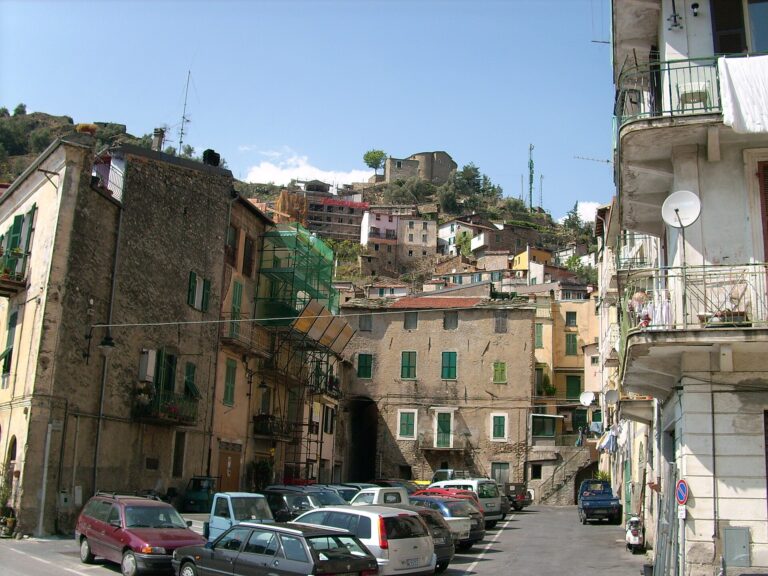
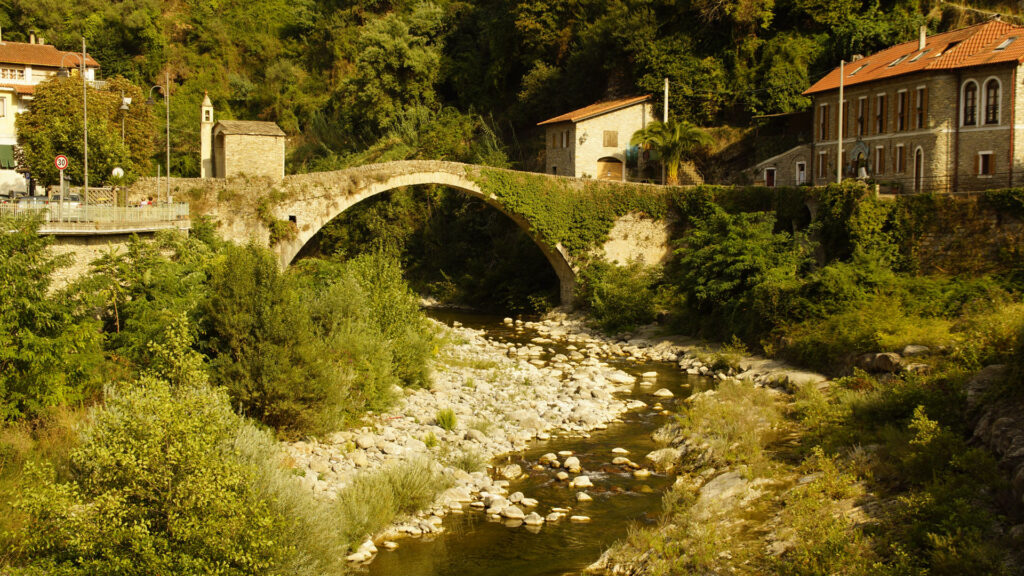
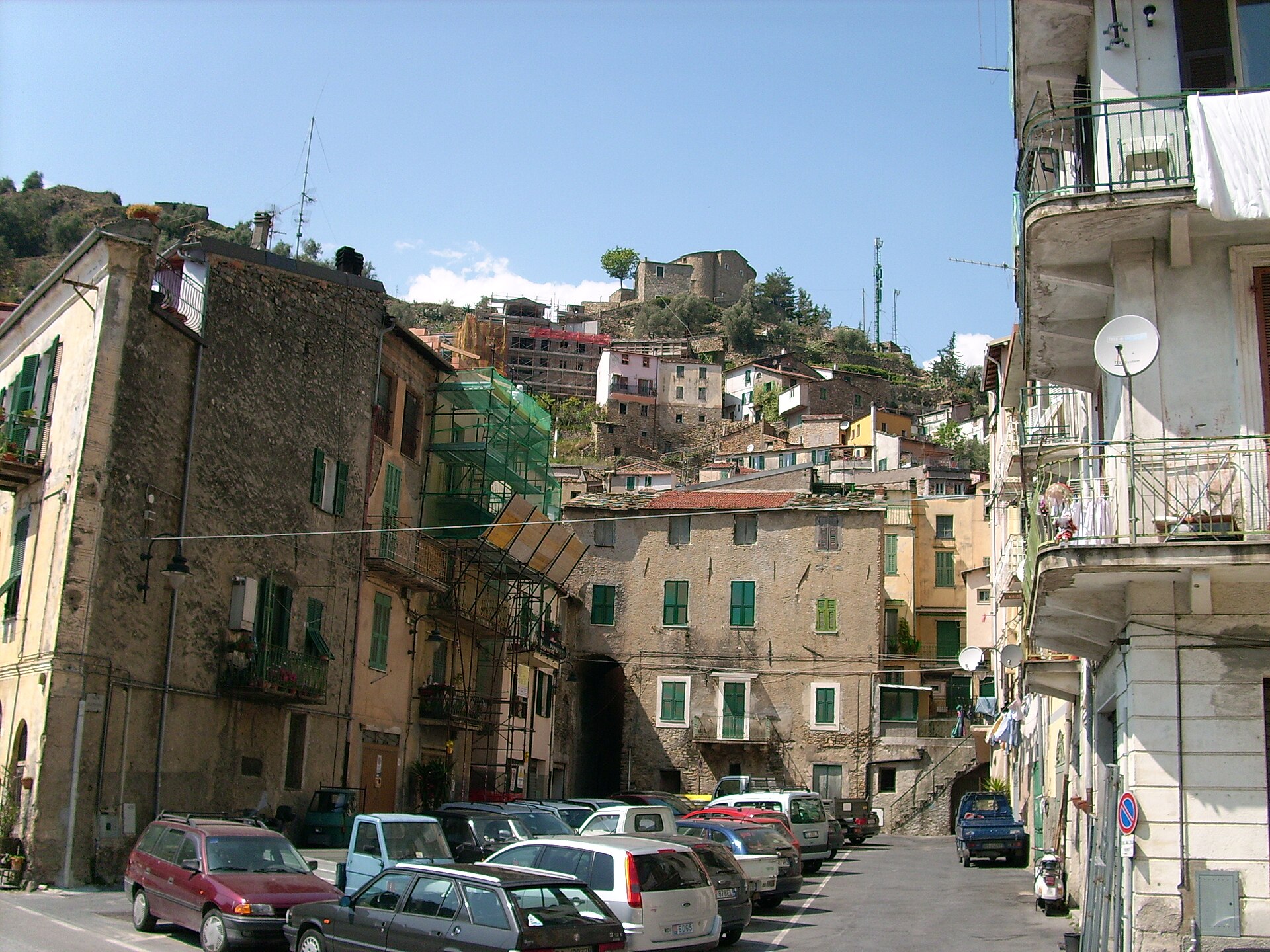
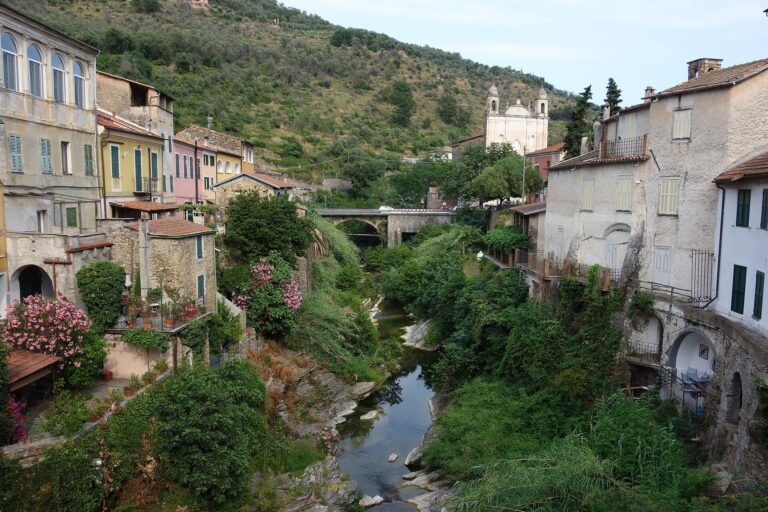
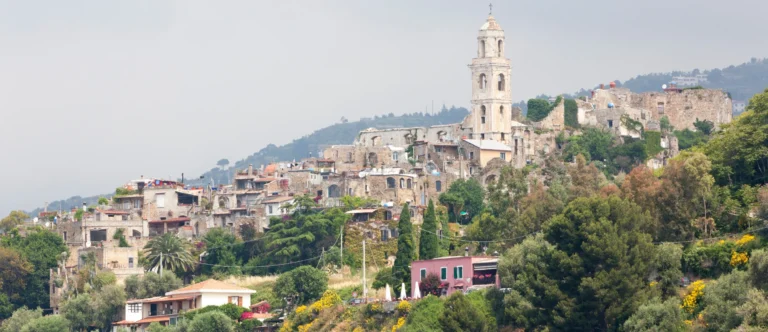
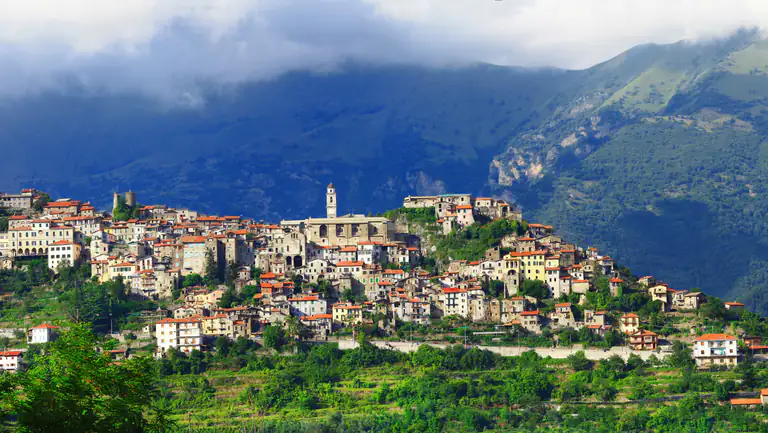
Badalucco is a stone village in the middle Argentina valley, in the hills behind Imperia, at 179 metres above sea level and about ten kilometres from the sea. It has just over a thousand inhabitants, two arched stone bridges over the torrent, five gates that once marked the entrances to the village, narrow lanes and, on the walls, murals painted since the 1990s. It belongs to I Borghi più belli d’Italia (the “most beautiful villages in Italy”), holds the Touring Club’s Orange Flag and is a member of the Italian association of painted villages and of the Olive Oil Towns network.
The village began as a fief of the counts of Ventimiglia and passed to Genoa in the mid-13th century. For centuries it was the trading centre of the valley: dried fish arrived at Porto Maurizio (now part of Imperia) and muleteers carried it up here. That history gave Badalucco its signature dish, stockfish, which has its own festival every September. You can read the whole story in our guide to Badalucco’s stockfish.
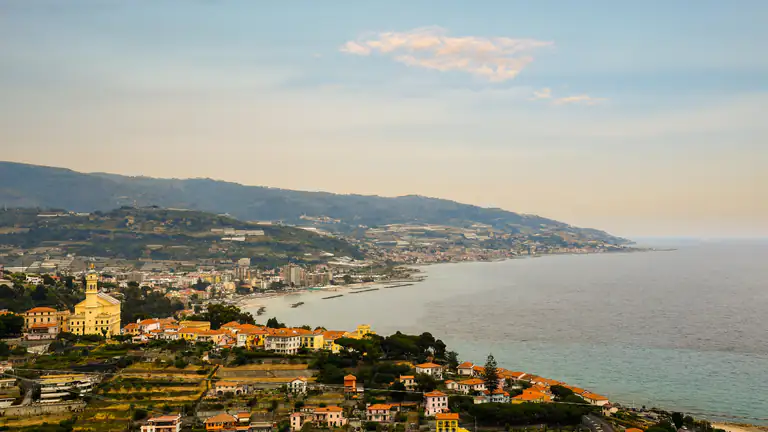
It works as a half-day or full-day trip, easy to combine with the beach at Arma di Taggia and with Triora, further up the same road. It is not a place for beaches or nightlife: it is a village to explore on foot, slowly, with stone, olive oil and food.
By Italian Riviera editorial team·Updated on ·11 min read
Where is Badalucco?
Badalucco is in Liguria (Riviera di Ponente, Riviera dei Fiori, province of Imperia).
You can walk around the village in a couple of hours, including stops. The lanes climb and are partly stepped, so wear comfortable shoes. A simple order: arrive over the Santa Lucia bridge, pass through the gates, climb to the parish church square, come back down past the murals and ceramics, and finish at the Madonna degli Angeli bridge.
Santa Lucia bridge
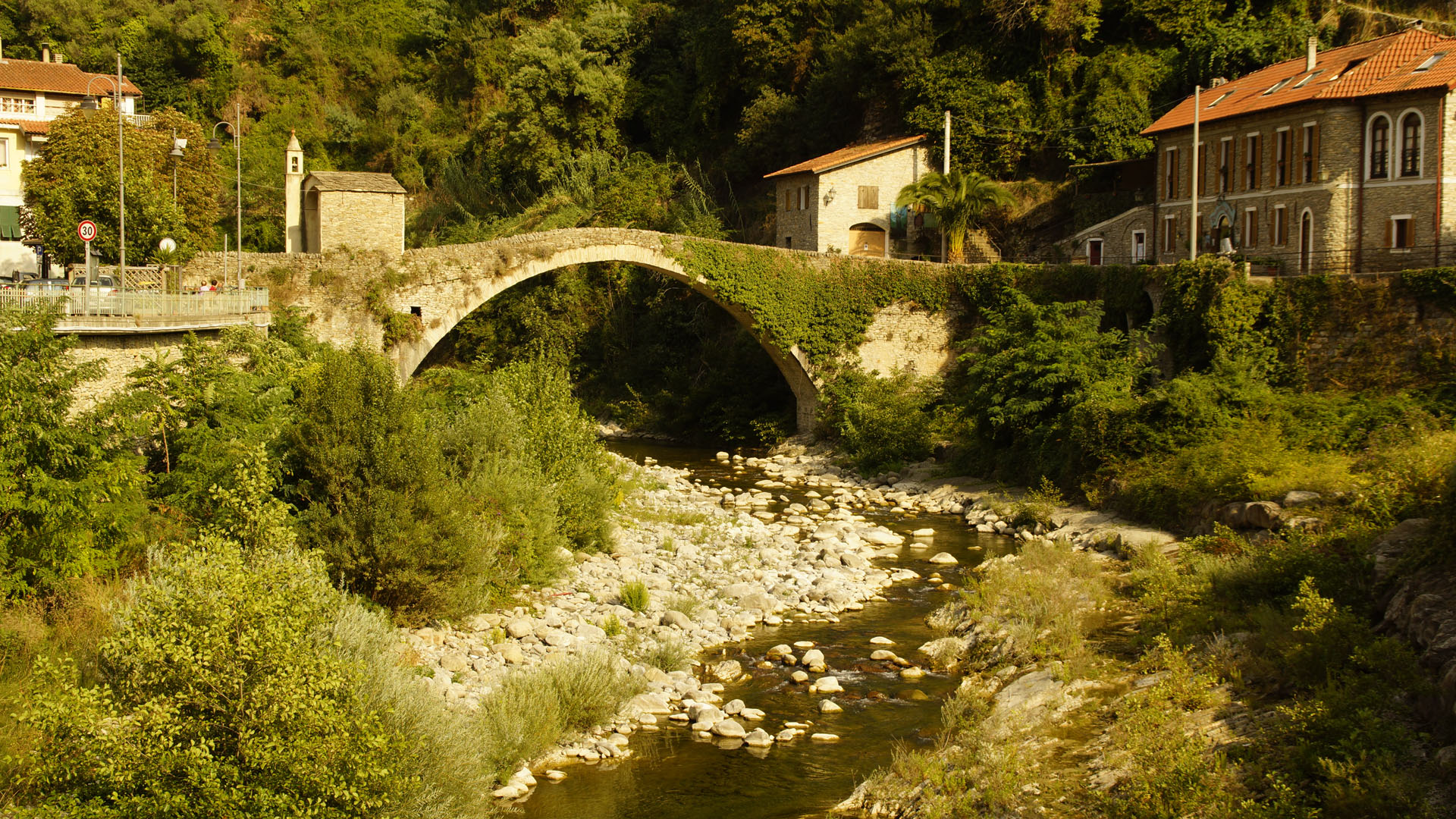
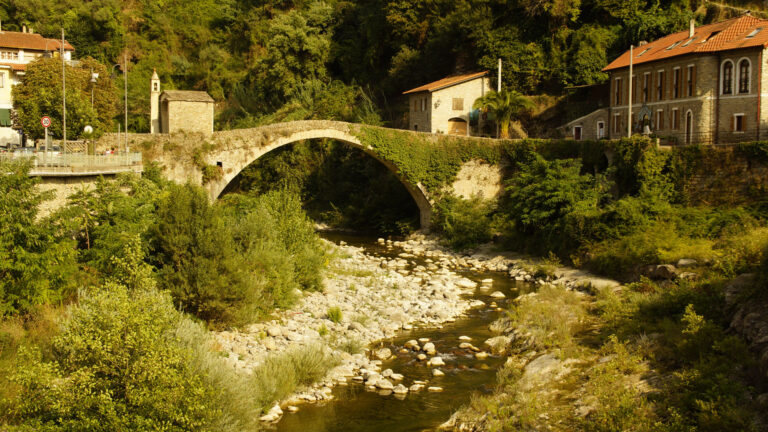
This is the historic entrance to the village if you arrive along the valley road: a humpback stone bridge over the Argentina torrent. One of the village’s five gates, Santa Lucia, stands on the bridge, with a small chapel. Sources disagree on its age (late Middle Ages or early modern), so we give no date. The view is the same either way: clear water running under the arches.
The five gates and the lanes
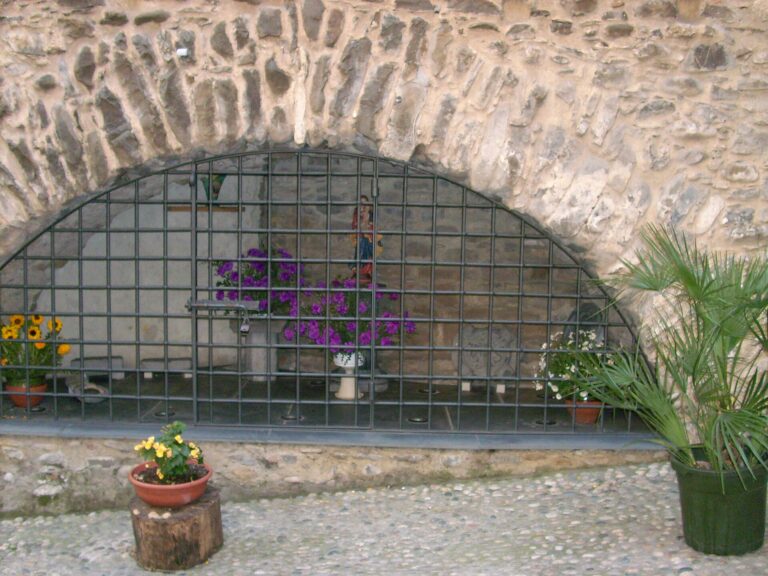
The medieval village runs along the torrent, with exposed-stone houses, narrow lanes (caruggi) and small squares. You once entered through five gates: San Rocco (a guard post survives, now a small chapel to Saints Sebastian and Roch), Poggetto, Santa Lucia, Beo and Castella, recognisable by the triangular bell tower of a former chapel of Our Lady of Laghet. They are not monuments to photograph one by one; they help you understand how the village was closed and organised.
The square and the church of Santa Maria Assunta and San Giorgio
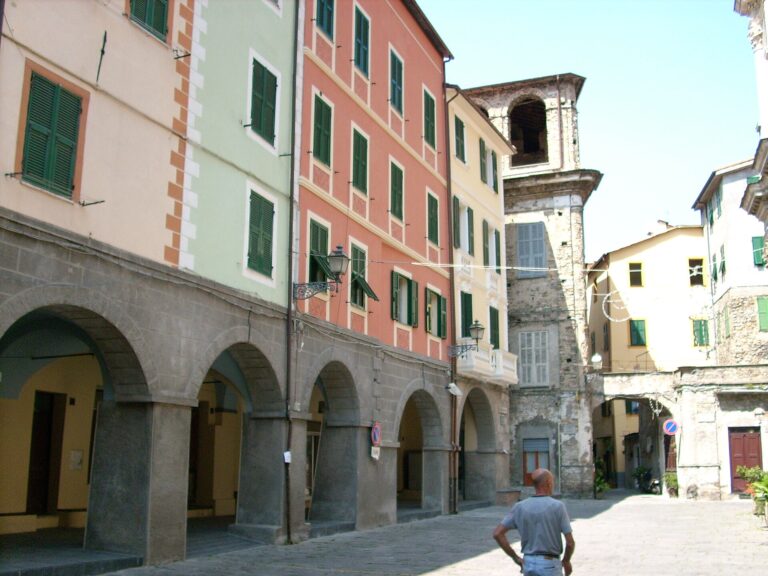
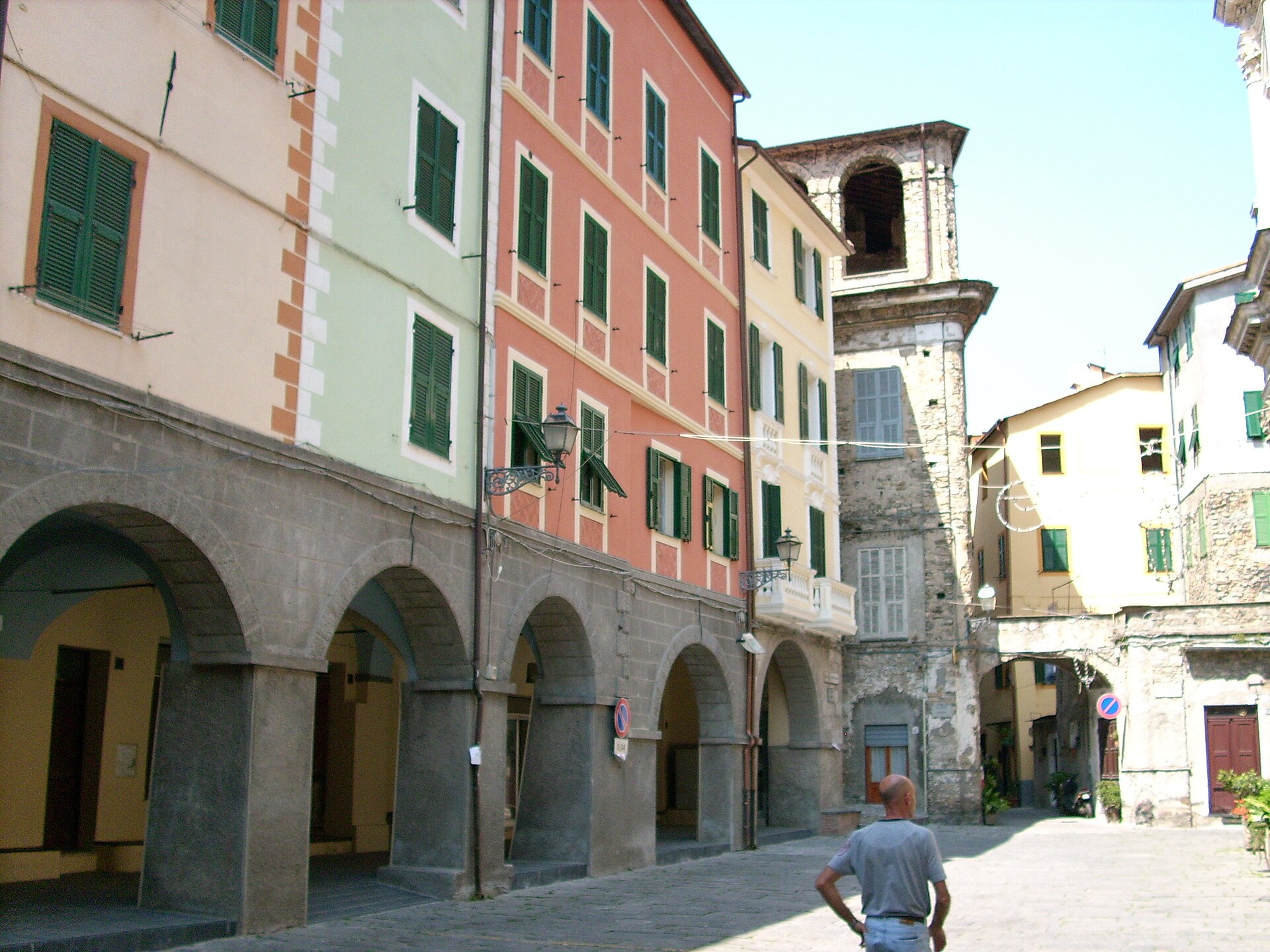
The centre is the parish church square. The church is baroque, built in the late 17th century and dedicated to the Assumption and to Saint George, the patron saint. Its bell tower is visible from almost everywhere and works as a landmark in the lanes. Around it you will find the arcades, a few cafés and the tourist office (IAT “Galleria UpArte”, piazza Duomo 1).
Oratory of San Francesco
The oratory of San Francesco is a small church decorated with stucco and frescoes. There are no official opening hours: if it is closed, ask at the tourist office or the town hall and treat the visit as a bonus. Other churches include Santa Maria della Teglia, from the 14th century, and Nostra Signora della Misericordia, from 1701.
Murals: the painted village
Badalucco is a “painted village”: the first murals appeared in the 1990s, by Ligurian and Roman artists, and show local traditions and history. One of the best known is called “La raccolta delle olive” (the olive harvest). There is no official map listing the number of works or their authors: the best way to see them is to wander the lanes and look up.
A useful clarification, because many searches mix the two up: the murals are in Badalucco, not in neighbouring Montalto.
Ceramics and the Badalucco Art Gallery
The streets also host a small open-air ceramics museum, with statues, plaques and plates permanently installed, by ceramists of the Ligurian, Umbrian and Tuscan schools. In the town hall building, since 2003, the Badalucco Art Gallery is a ceramics museum-workshop with exhibitions through the year and courses in drawing, photography and ceramics. Opening hours and programme are not confirmed: ask at the IAT in piazza Duomo (tel. +39 0184 407007) or see the town’s tourism website.
Rocca and church of San Nicolò
At the top of the hill, where the castle of the counts of Ventimiglia stood, is the little church of San Nicolò, already mentioned in the 15th century. You climb a flight of steps, and the reward is the view over the village and the valley. It is the right stop if you have seen the village and still have energy.
Madonna degli Angeli bridge and Montalto Ligure
At the upstream end of the village, the second humpback stone bridge, Madonna degli Angeli, marks the boundary with Montalto. Its historic name is Montalto Ligure, but since 2018 it is no longer a municipality: it merged with Carpasio to form the municipality of Montalto Carpasio, and today it is the former main village of that municipality. English-language sources still often call it a separate comune, which is out of date. It is about 1.4 km away as the crow flies; the walking time is not verified, so allow extra and remember the way back. There you will find the parish church of San Giovanni Battista, with a polyptych attributed to Ludovico Brea, and other old churches.
The Argentina torrent
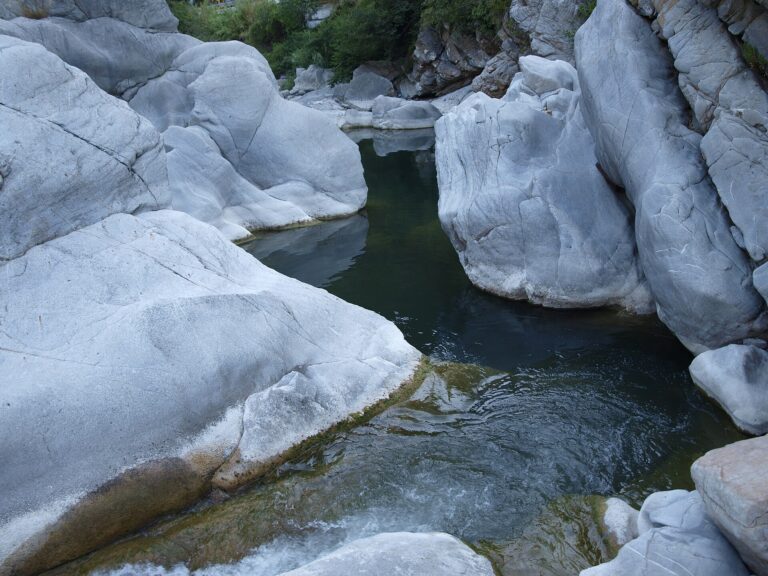
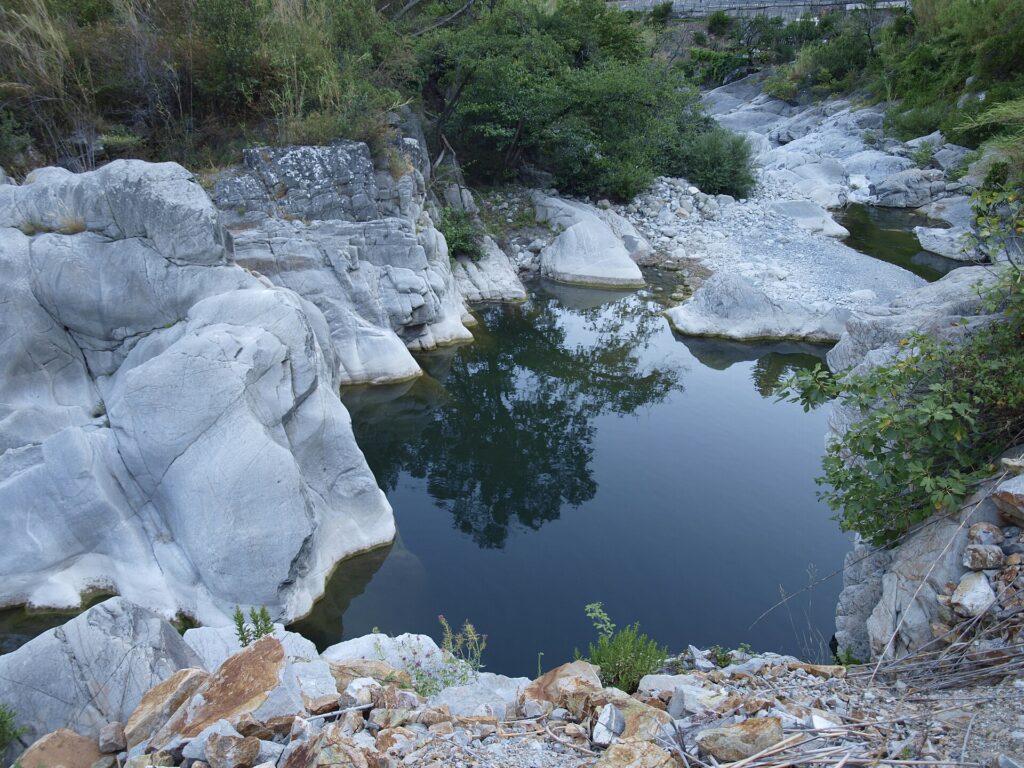
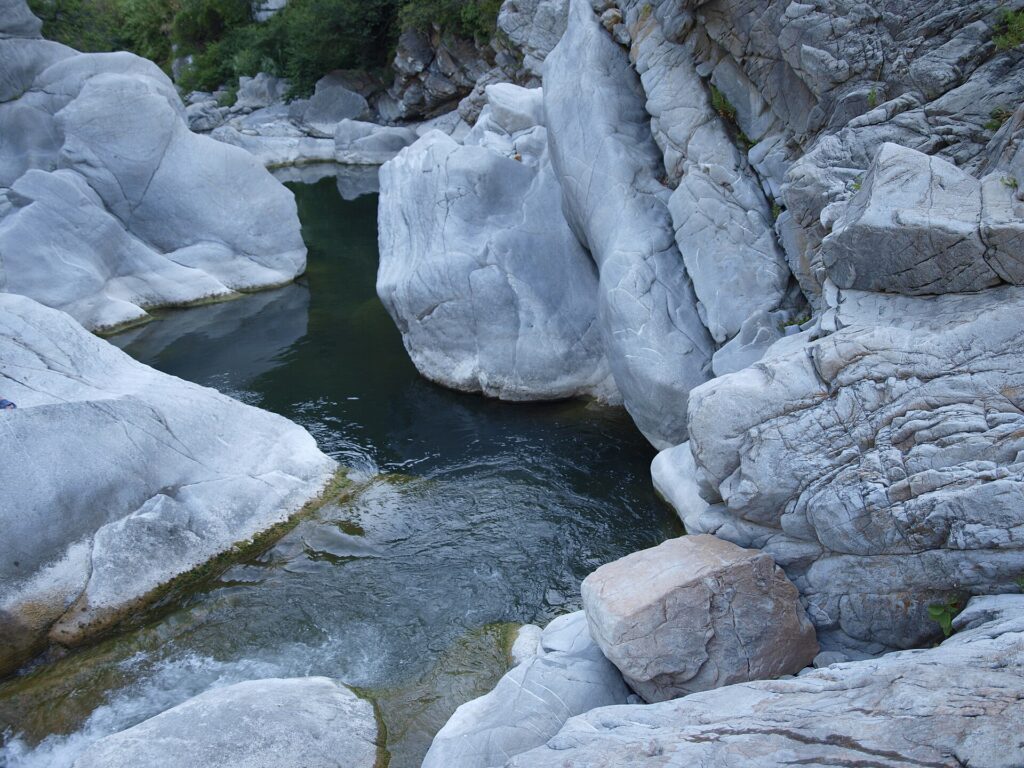
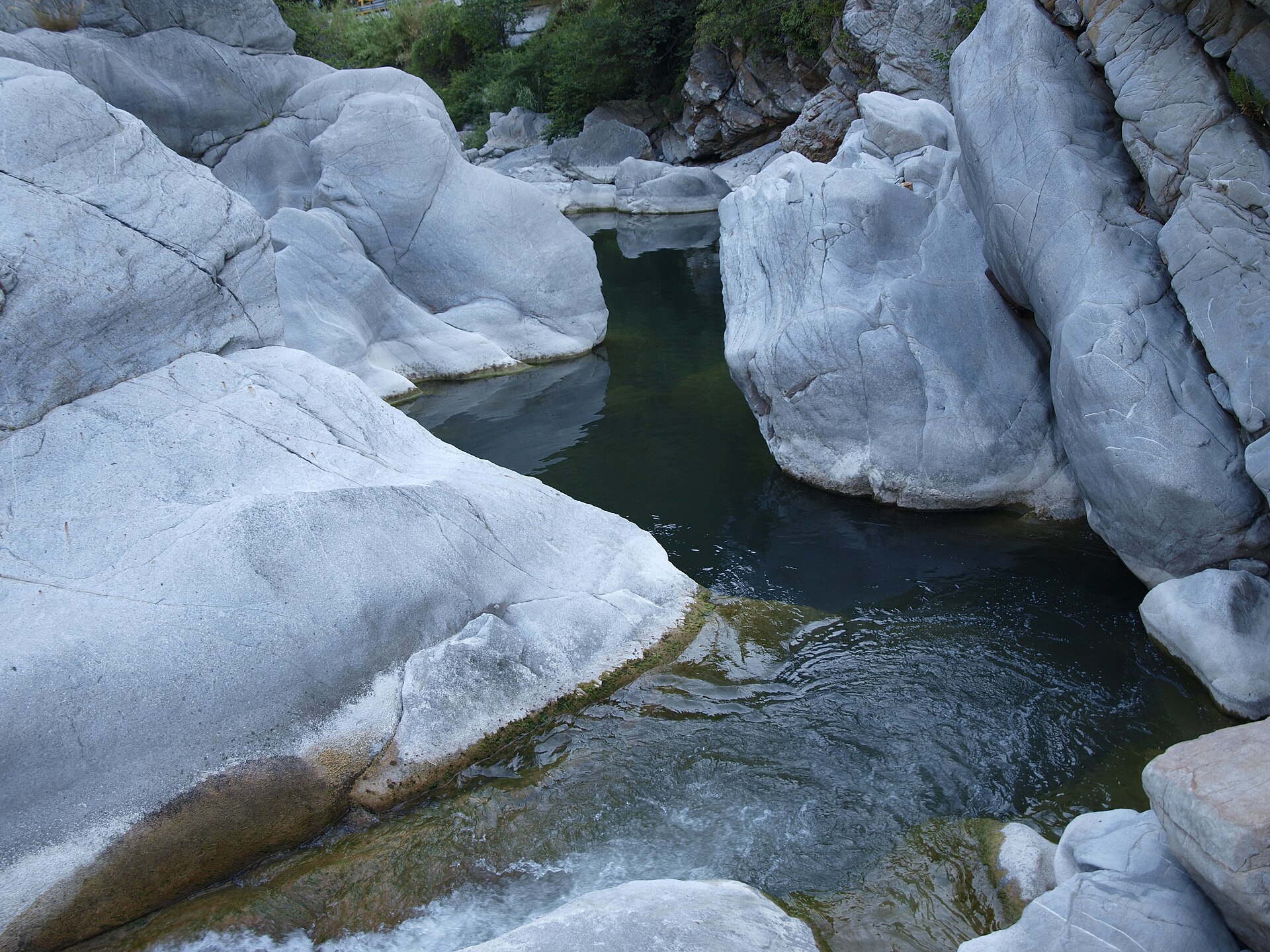
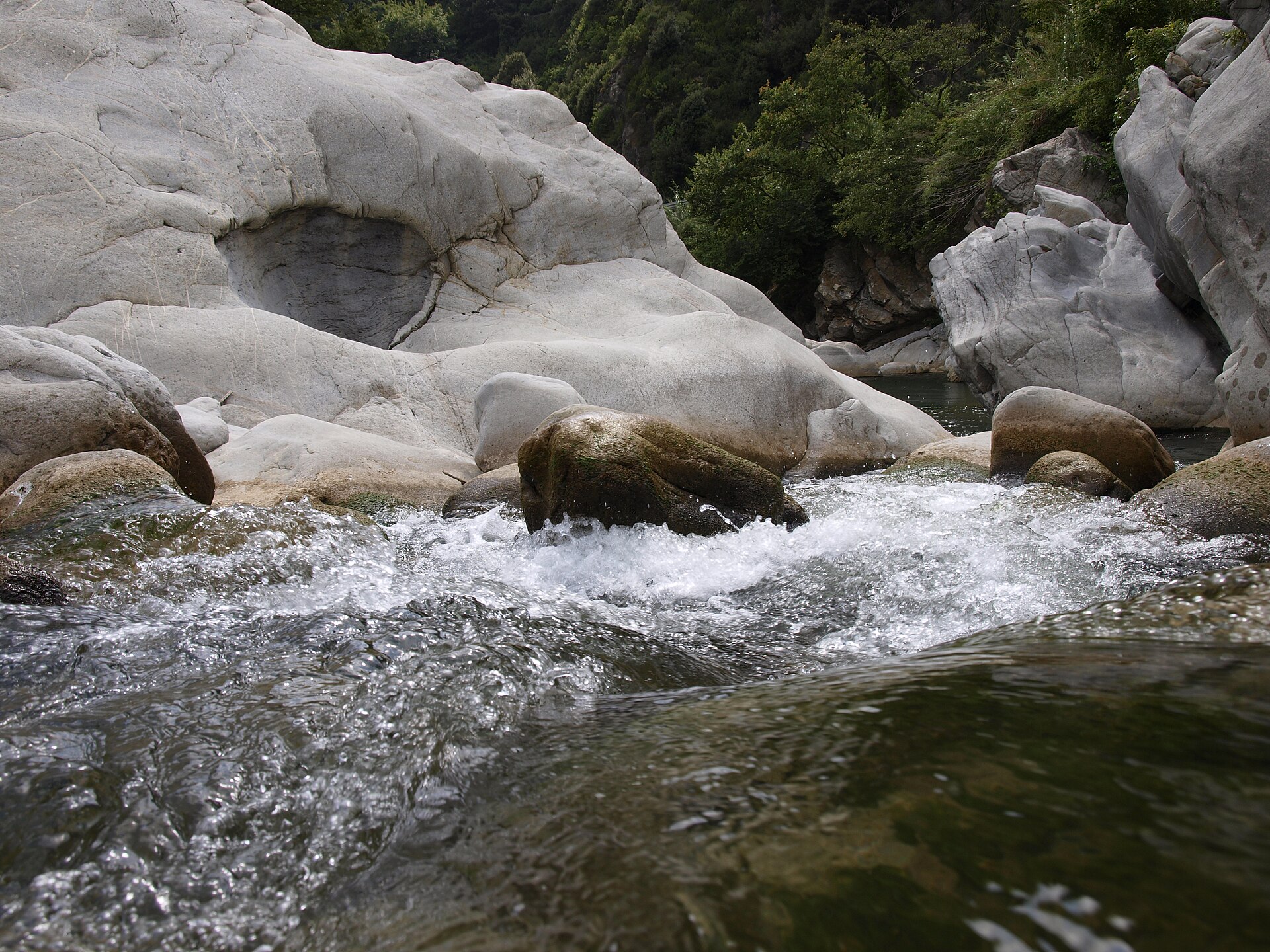
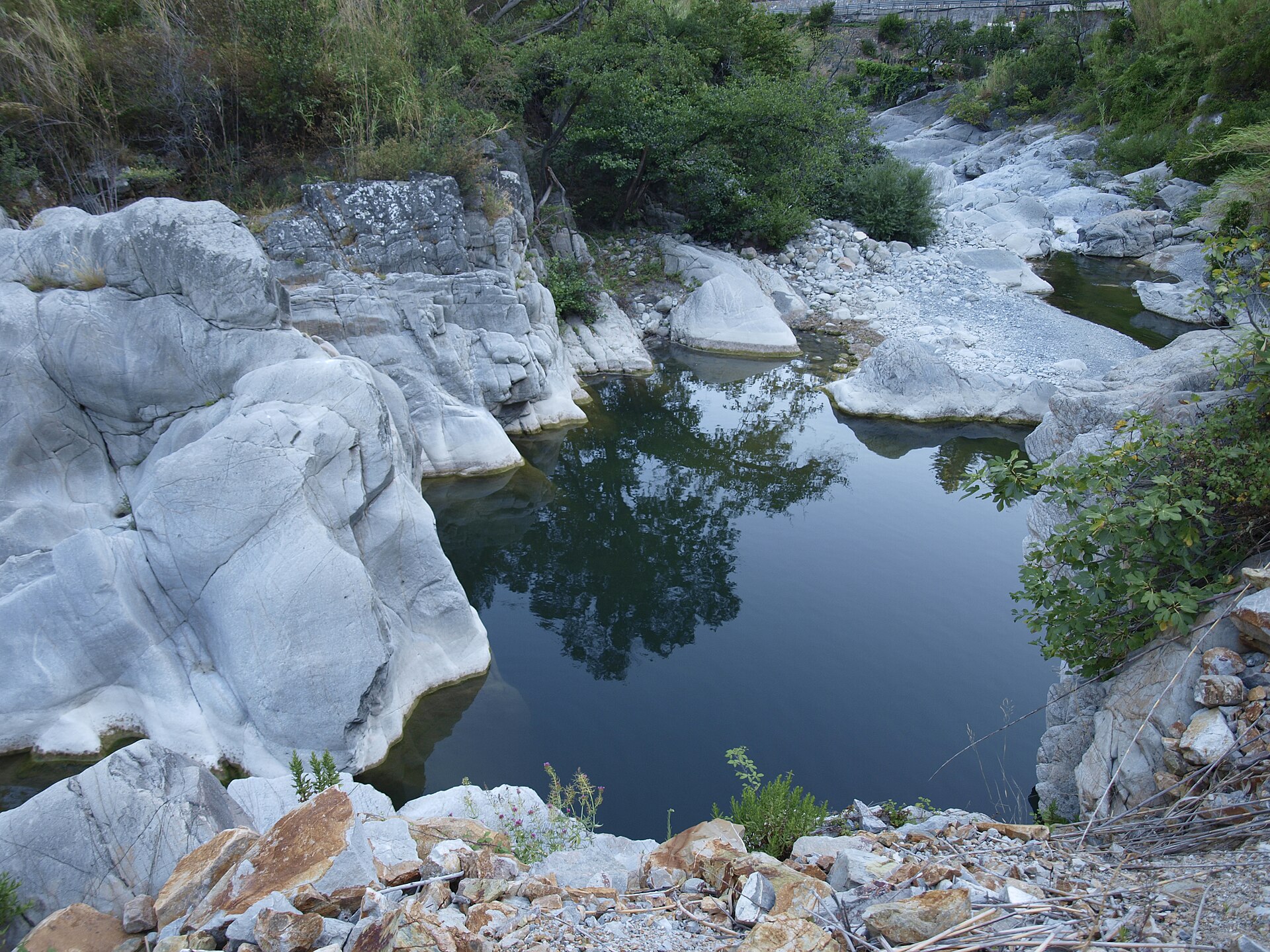
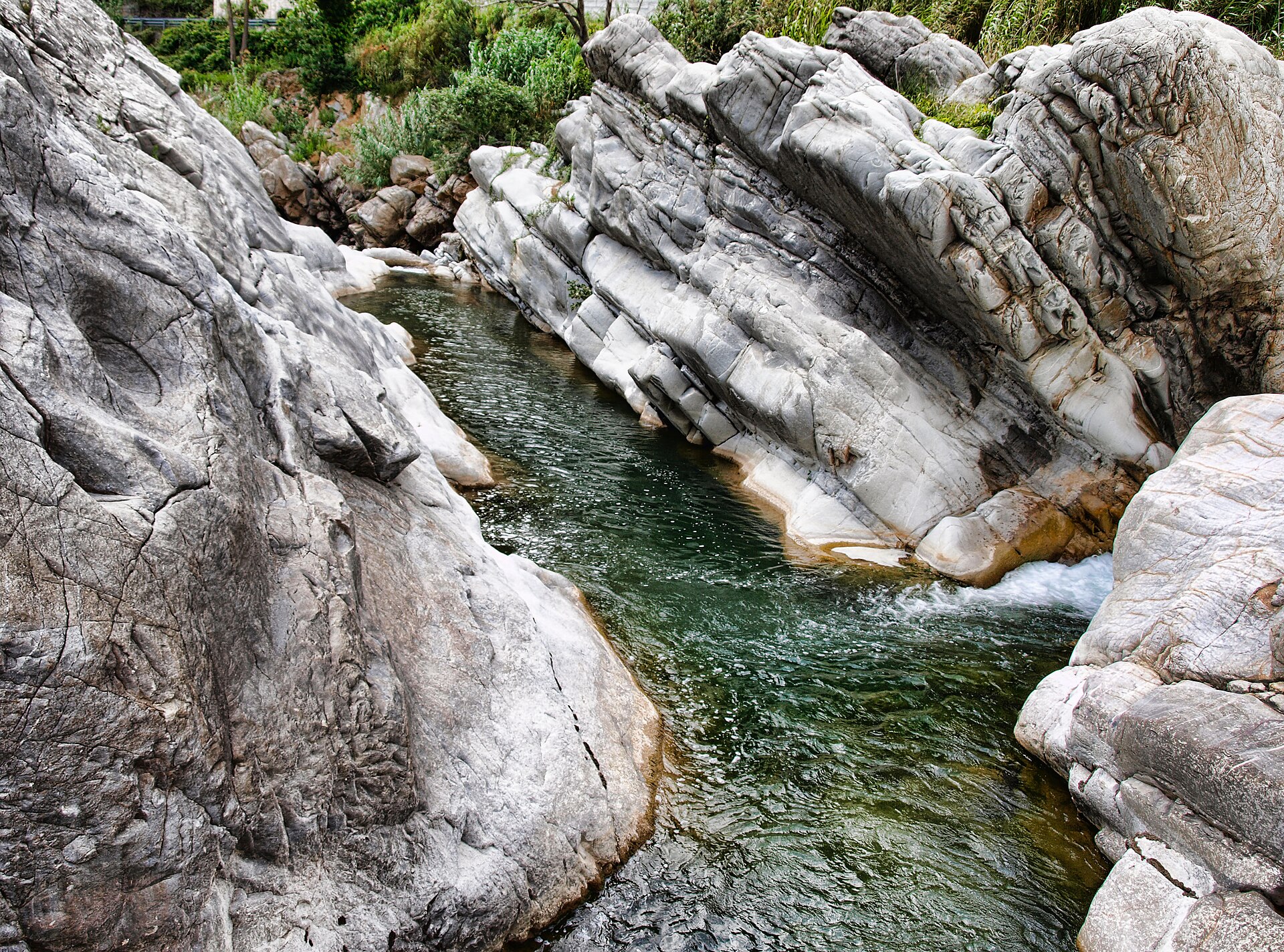
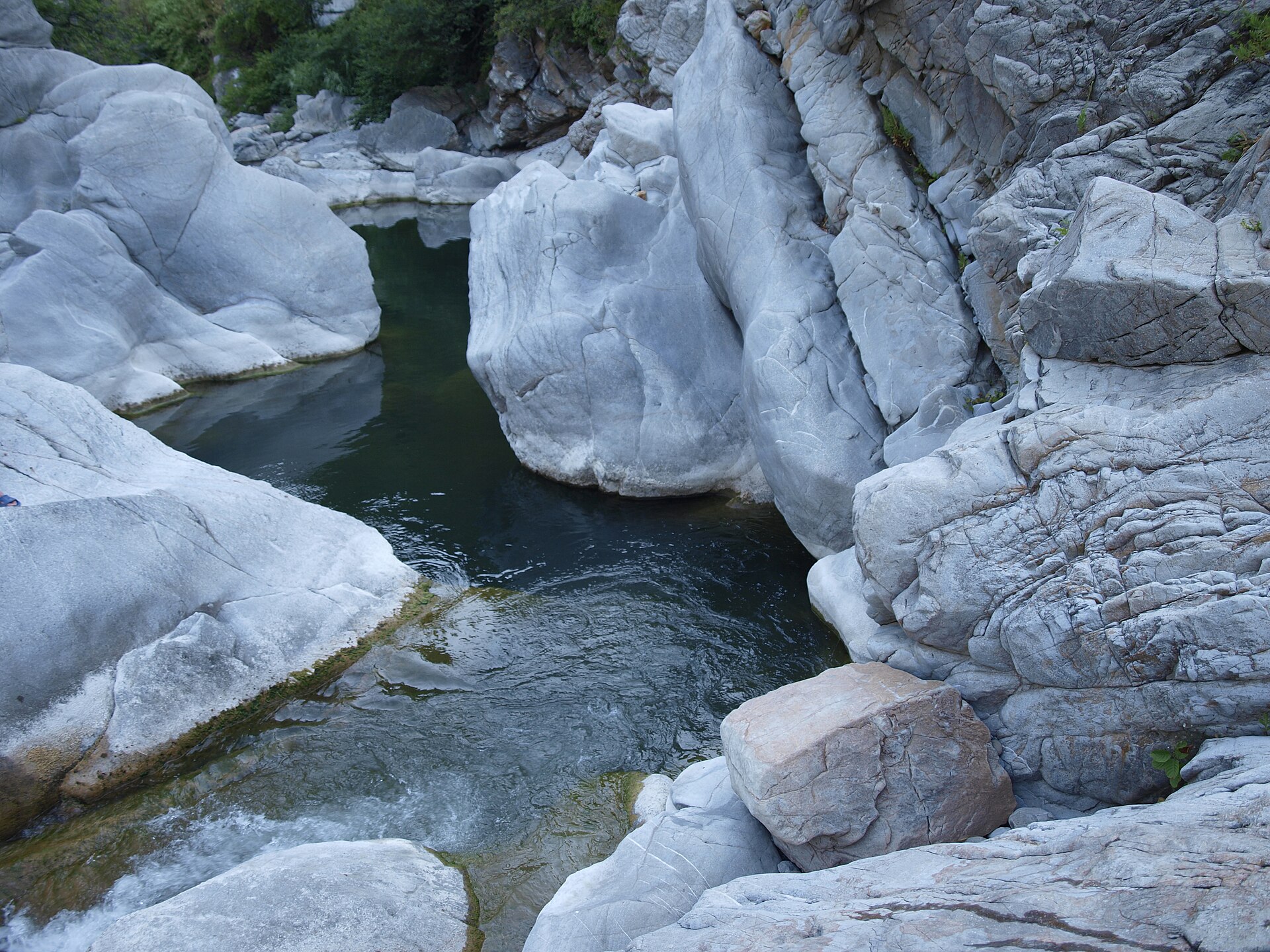
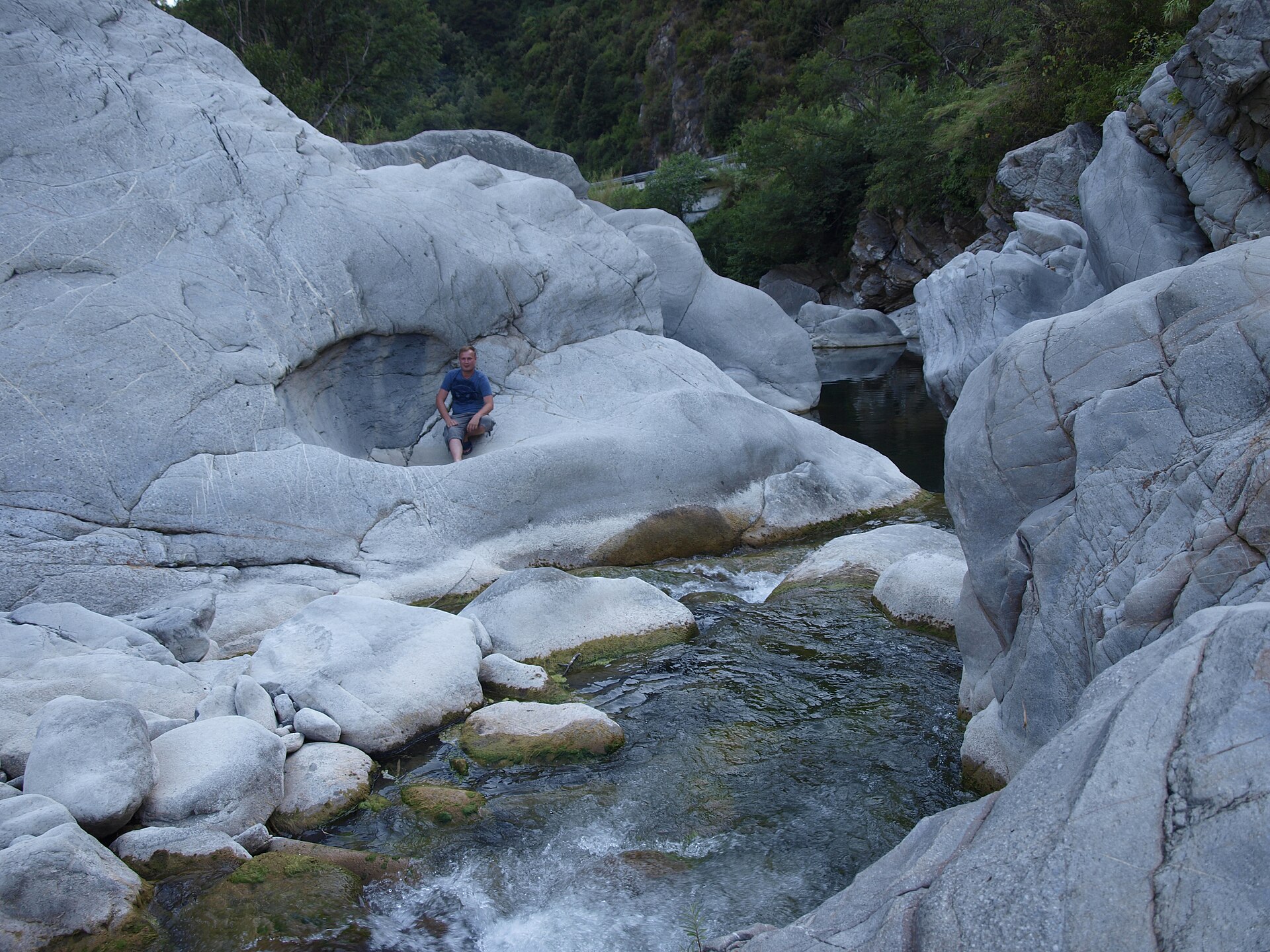
The torrent runs a few steps from the village between pale, smooth rocks, with pools and stretches of green water. It is where people cool off in summer. The water level drops a lot from June. There is no official bathing classification, so swim at your own risk, check the level and conditions, and never go in after heavy rain or with the torrent in spate.
Olive mills and olive oil
The local oil is extra virgin from Taggiasca olives. Some old water-powered mills are now restaurants or “museum businesses”. According to the town’s tourism site, two mills can be visited by booking, selling oil and products such as pesto, olives in brine and dried tomatoes. The Museo Frantoio Panizzi is mentioned by the Touring Club, but hours are not confirmed: call first. The historic Roi mill, at the entrance of the village, was opened to the public during the 2025 FAI Spring Days; regular opening in 2026 is not confirmed.
Where to stay
Where to stay in Badalucco
Accommodation in Badalucco is limited. You can stay in three areas, depending on what you want.
In the village and around it: apartments and holiday homes, a few farm-stay rooms with pool or spa, B&Bs in the countryside among the olive trees. Best if you want to wake up in the valley and be back for dinner without driving.
On the coast, at Arma di Taggia: more choice, the beach about twenty minutes away ⚠️ and higher summer prices. If you want the sea, sleep here and come up to Badalucco in the daytime.
In Sanremo: a bigger town, more frequent trains and evening life, about 30 minutes ⚠️ from Badalucco.
Book early for the Stockfish Festival weekend and for August. Below you will find links to check availability and current prices.
Leave the A10 at Arma di Taggia and follow the SP 548 of the Argentina valley towards Triora: Badalucco is the first sizeable village as you go up the valley. It is about 10 km from the sea as the crow flies; by car allow about twenty minutes from Arma di Taggia ⚠️ (estimated, not measured). The SP 54 leads instead towards Bajardo and Ceriana.
By train
The nearest station is Taggia-Arma on the Genoa-Ventimiglia line, then take a bus or a car. Regional trains reach Sanremo in a few minutes, Imperia and Ventimiglia in about half an hour.
By bus
The Riviera Trasporti valley line (Taggia-Triora) serves Badalucco, but with few runs a day and fewer on public holidays ⚠️. Line number, timetable and stop are not confirmed: check the Riviera Trasporti website (switchboard +39 0183 7001) before planning your day, and do not count on the last afternoon bus.
By air
The most convenient airport is Nice Côte d’Azur, about one hour by car (about 70 km from Arma di Taggia). Then continue by rental car or by train and bus.
Parking
There is a public car park at the entrance of the village, after the bridge over the torrent, near the Roi mill. Number of spaces, fees and any restrictions are not confirmed ⚠️. On Stockfish Festival days arrive early: the village fills up.
A10, exit Arma di Taggia, then the SP 548 of the Argentina valley: about 20 minutes ⚠️
By train
Taggia-Arma station, then a Riviera Trasporti bus (few runs) or a car ⚠️
By plane
Nice Côte d'Azur (about 70 km from Arma di Taggia); about 1 hour by car
The guide
What to eat in Badalucco
Badalucco is above all a food village. Put three tastes on your list: stockfish, beans and olive oil.
Stoccafissu a baucogna
The signature dish is stockfish (dried cod) cooked “the Badalucco way” to an old recipe. You find it above all at the Stockfish Festival, held on the third weekend of September. History, legend and festival are covered in our stockfish guide.
Badalucco bean and zemin
The Badalucco bean, called “rundin” for its oval shape, is a Slow Food Presidium together with the beans of Conio and Pigna. It grows on dry-stone terraces; harvest runs from mid-September to mid-October. It goes into zemin, the Ligurian soup of beans, vegetables and meat. If you buy it dried, soak it the evening before.
Where to eat
Among restaurants, the only one we can name with a verified source is Umami, in a former kindergarten, with contemporary cooking and regional influences and a terrace by the river. Book ahead and check days and hours before you go up. For a traditional dish, ask the tourist office or local producers: we have no verified trattorias to recommend for stockfish and zemin.
Walks and hikes
Trails of the Ligurian hiking network (REL) leave from the village. The two most useful for a half day here:
Madonna della Neve on Monte Carmo: a climb of a couple of hours with a serious elevation gain, through chestnut woods to a panoramic view over the valley. This is not a stroll: bring boots, water and a clear day.
Sentiero Balcone: links Badalucco to Ceriana and passes the walk among the olive trees at San Rocco, as far as the Roi olive grove. Length and times are not verified. Do not confuse it with the trail of the same name at Rocchetta Nervina, which is a different route in a different valley.
The Sentiero degli Alpini, with sections cut into the rock, was reported closed for safety works in 2024 and we do not recommend it until reopening is confirmed.
Badalucco in half a day
A simple route, without rushing: park at the entrance of the village, after the bridge, and cross at Santa Lucia; climb to the lanes and the parish church square; tour the murals; if it is open, visit the Badalucco Art Gallery; go down to the torrent for a break; have lunch (book); at the end of the day cross the Madonna degli Angeli bridge and look at the other side. With a full day, add a mill by appointment or the trail to Monte Carmo.
When to go and what is on
Spring and autumn are the best seasons: clear air, walkable trails, olive harvest and stockfish. Summer is hot, but the torrent helps. Winter is very quiet.
Easter: “Lo scotezzo”, a hard-boiled-egg clashing contest after Easter Sunday Mass. Check the programme for the year.
23 April: feast of Saint George, the patron saint.
Third weekend of September: the Stockfish Festival “A Baucogna”, organised by the Pro Loco and the town. In 2026 it was on 19-20 September.
Summer: book, music and open-air cinema events by local associations, with no fixed dates.
October: olive harvest; the date of the “walk among the olive trees” is not confirmed.
Day trips from Badalucco
Triora, the “village of witches”, further up the SP 548, about 10 km as the crow flies.
Arma di Taggia, for the pale sandy beach and the seafront.
Sanremo, for the old town of La Pigna and the seafront.
Bussana Vecchia, the village wrecked by the 1887 earthquake and resettled by artists.
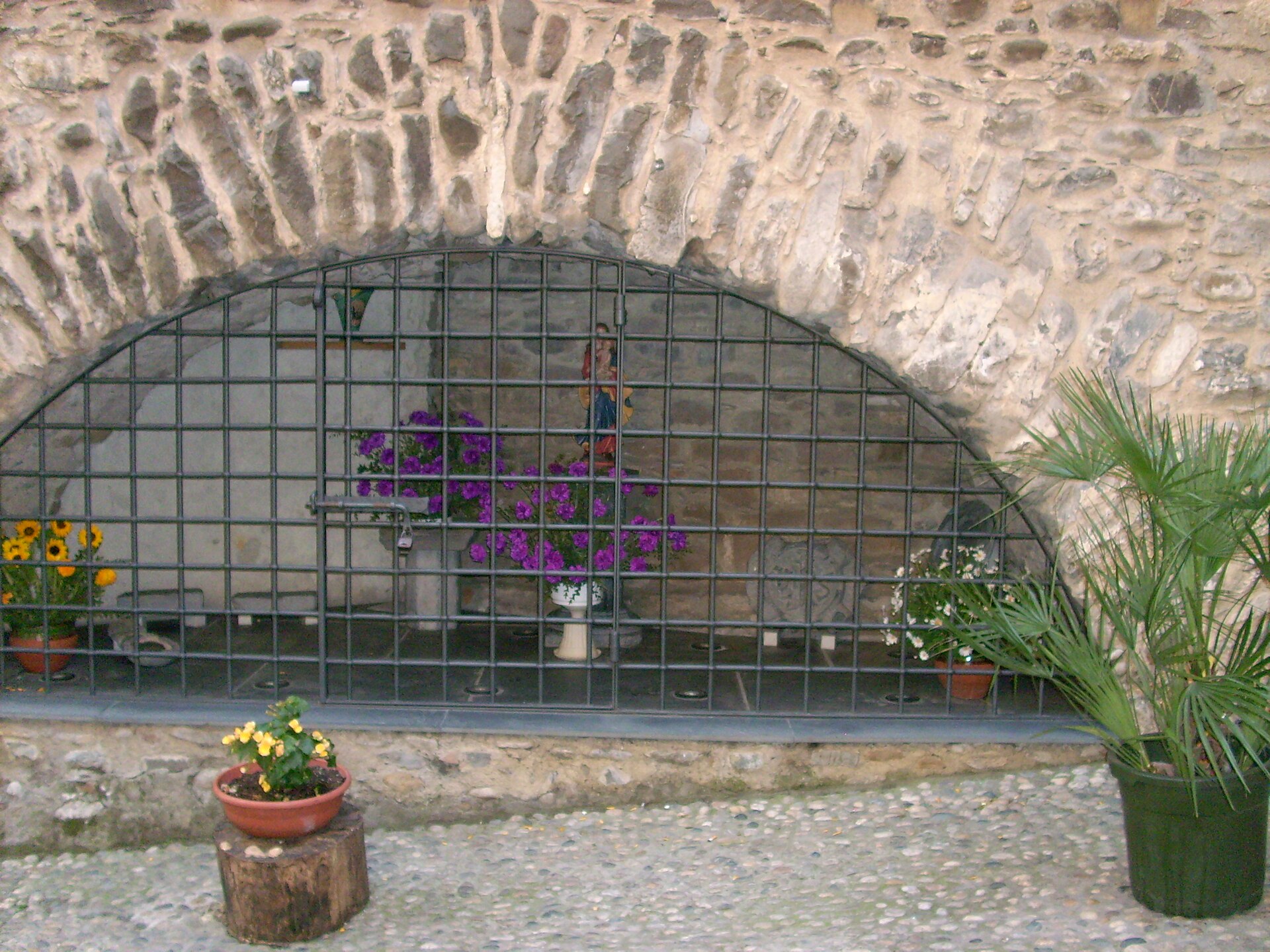
Il ponte di pietra sul torrente Argentina a BadaluccoLe case del borgo di BadaluccoI portici nel centro di BadaluccoUn angolo del centro storico di BadaluccoLe rocce bianche del torrente Argentina a BadaluccoIl torrente Argentina tra le rocce a BadaluccoUna pozza del torrente Argentina a Badalucco
FAQ
Frequently asked questions about Badalucco
How far is Badalucco from the sea?
About 10 km as the crow flies. The nearest beach is Arma di Taggia, about twenty minutes by car ⚠️.
How do I get to Badalucco without a car?
By train to Taggia-Arma, then the Riviera Trasporti bus of the Argentina valley. There are few runs and timetables must be checked.
How long do I need for Badalucco?
Half a day for the village, the murals and lunch. A full day if you add a mill by appointment or a trail.
Can you swim in the Argentina torrent?
There are pools to cool off in, but there is no official bathing classification and the level drops a lot in summer. Swim at your own risk and do not go in after heavy rain.
Is Badalucco one of the Borghi più belli d'Italia?
Yes. It also holds the Touring Club Orange Flag and is a member of the Italian painted-villages association and the Olive Oil Towns network.
Are there murals in Montalto?
No: the murals are in Badalucco. Montalto Ligure, now part of the municipality of Montalto Carpasio after the 2018 merger, is not known for murals.
When is the Stockfish Festival?
On the third weekend of September. In 2026 it was 19-20 September; check the Pro Loco and town programme for the current year.
What is the "rundin" bean?
It is the oval Badalucco bean, a Slow Food Presidium together with those of Conio and Pigna. It is harvested from mid-September to mid-October.
Where can I eat stockfish in Badalucco?
Mainly during the September festival. The rest of the year ask the tourist office; we have no verified places to recommend.
Can I visit an olive mill?
Yes, by appointment, according to the town’s tourism site. Hours are not confirmed: call or write first.