Island history, Zone A, B and C rules, snorkelling, the Sentiero Blu, kayaking, the Grotta Marina and diving in the Marine Protected Area.
Bergeggi Island in the protected marine area
What it is
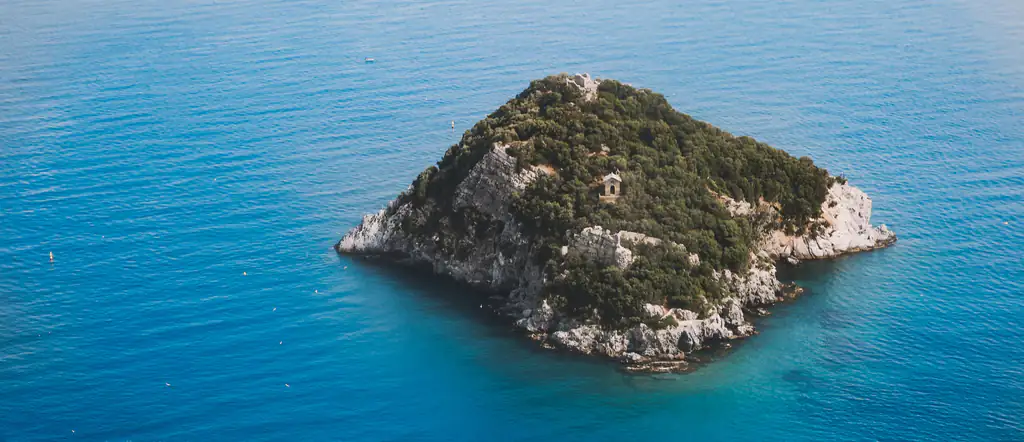
limestone island 53 metres highcovered in Mediterranean scrub
Protection
regional nature reserve since 1985Marine Protected Area since 2007
Landing
not allowedvisit from the sea
Swimming and snorkelling
allowed in Zones B and Cforbidden in Zone A
Sentiero Blu
2.5 km sea trail marked by 27 buoysMay to end of September
Information
official website of the Bergeggi Island MPArun by the town council
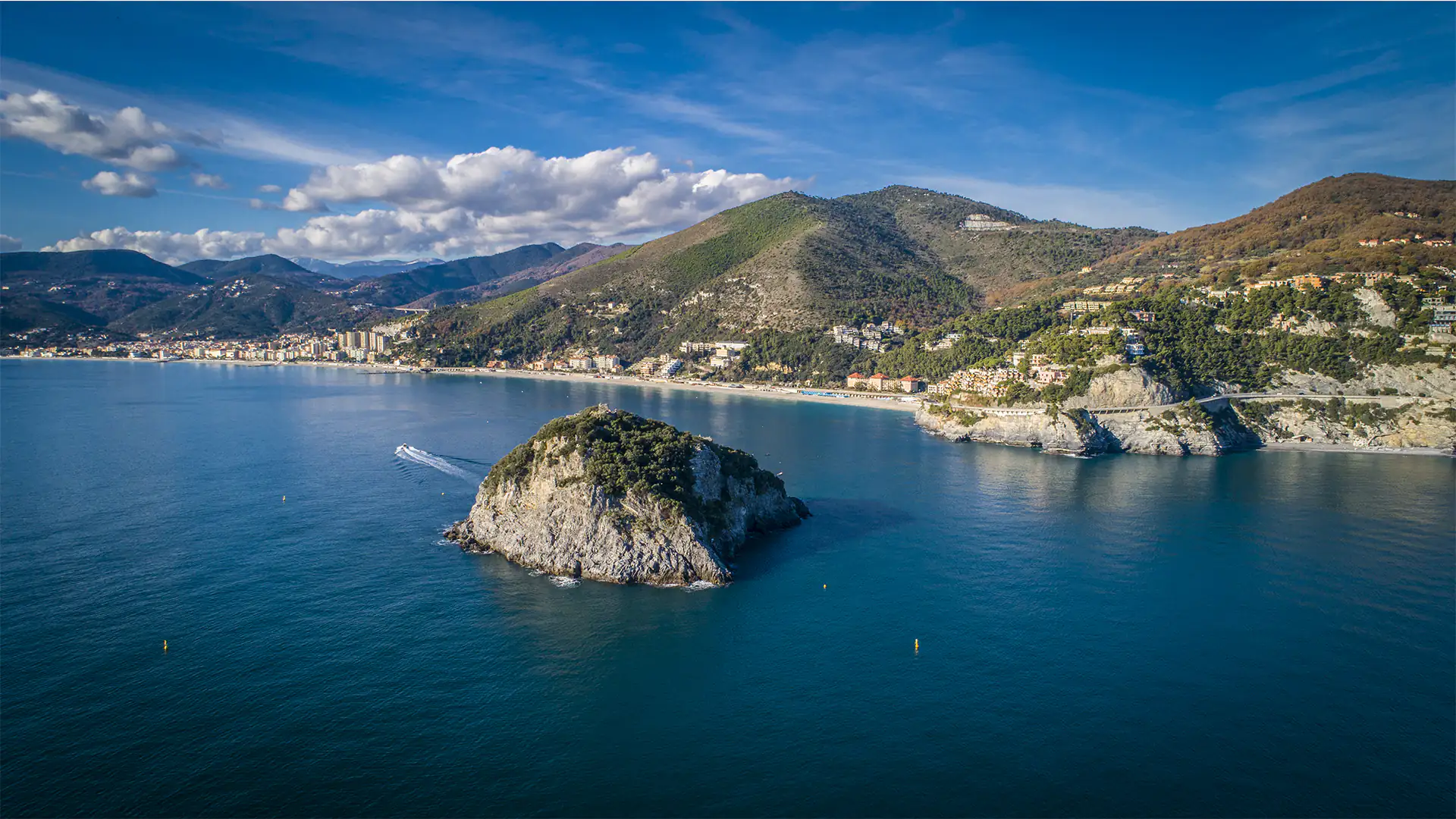
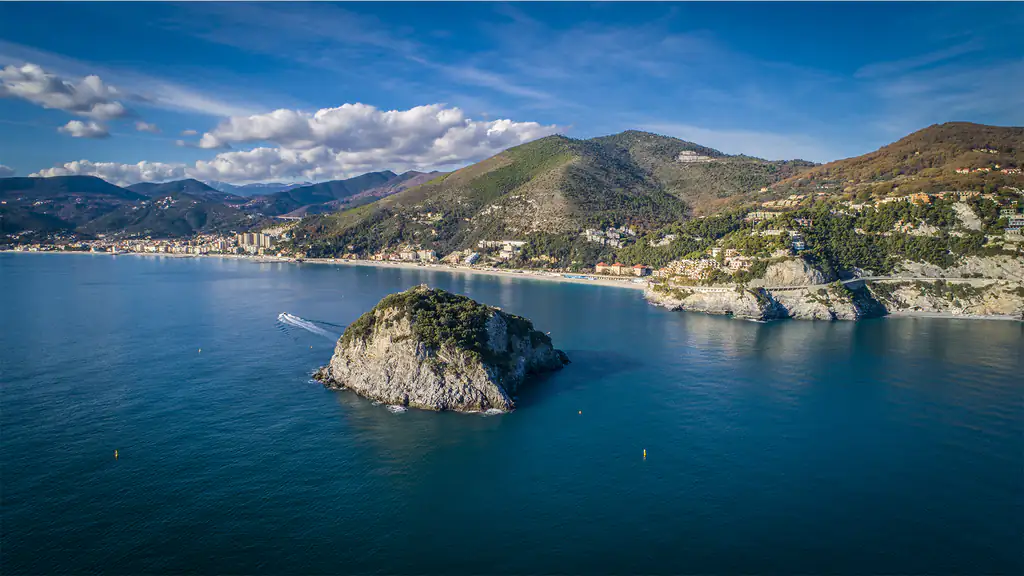
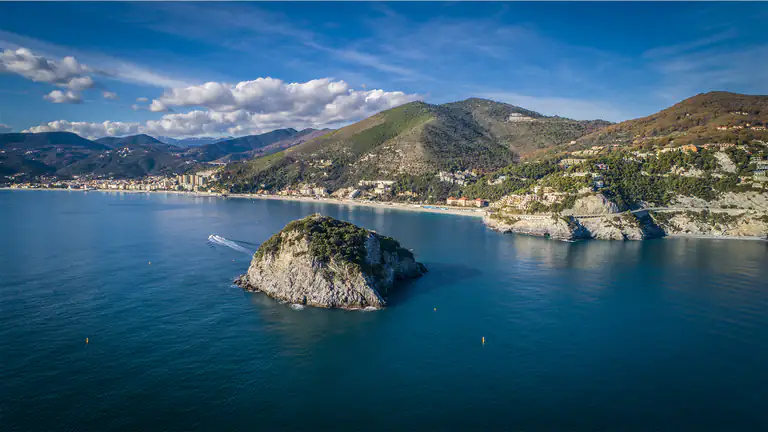
Bergeggi Island is a limestone rock just over 200 metres off the coast of Bergeggi, with Roman and medieval ruins on top and protected sea all around. You cannot land, but you can paddle round it by kayak, swim and snorkel in the permitted zones, enter the Grotta Marina by boat when the sea is calm and dive with authorised centres. This guide explains what you can do, where and how.
By Italian Riviera editorial team·Updated on ·4 min read
Two thousand years of history
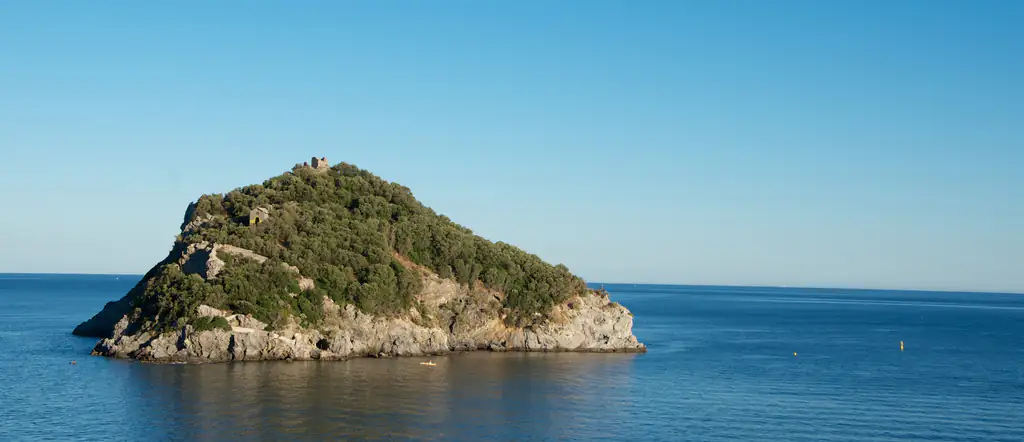
For the Romans the island was a landmark for ships heading to the port of Vada Sabatia, today’s Vado Ligure. On the summit stand the ruins of a round tower, interpreted as a lighthouse or watchtower: one of the oldest structures on the Ligurian coast.
In 992 the bishop of Savona founded a monastery on the island dedicated to Saint Eugene and entrusted it to the monks of Lérins Abbey, off Cannes. The monastery was abandoned in the Middle Ages and only stretches of wall remain, visible from the sea. The saint still gives the island its other name: you will sometimes see it called Isola di Sant’Eugenio.
The Marine Protected Area rules
The Bergeggi Island Marine Protected Area is divided into three zones with different rules, set by the 2007 ministerial regulation. Throughout the area jet skis, water-skiing, spearfishing, collecting marine life and open fires are banned.
Zone A: strict reserve
This is the stretch of sea off the island’s south side. Swimming and boating are not allowed. Only dives authorised by the managing body, in limited numbers, and guided dives run by dive centres, with at least one guide for every four divers, are permitted.
Zone B: general reserve
It covers the sea around the island and off Punta Predani. You can swim and snorkel, sail, row, kayak or paddleboard. Motorboats may pass at no more than 5 knots and moor only at authorised buoy fields. Access to the Grotta Marina is also in Zone B, subject to authorisation and limited numbers.
Zone C: partial reserve
The rest of the protected area. The speed limit for boats rises to 10 knots and anchoring is allowed only at points set by the managing body.
Detailed rules and harbour office ordinances can change from year to year: check them on the Marine Protected Area website before heading out.
Snorkelling and the Sentiero Blu
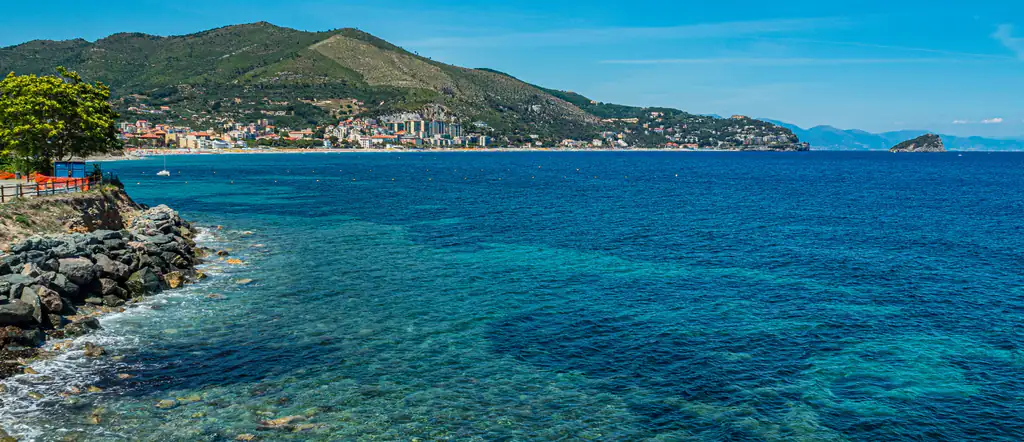
The protected area treats snorkelling as swimming: you can do it in Zones B and C, with mask, snorkel and fins, and always with a surface marker buoy. Under the surface you will find seagrass meadows, boulders and rock walls; the cove at Punta Predani is the easiest starting point from land.
The Sentiero Blu is a 2.5 km sea trail marked by 27 buoys, set aside for swimming, snorkelling, kayaking and SUP. It runs from May to the end of September and motorboats cannot enter, which makes it the safest way to swim away from the shore.
Kayaking round the island
A kayak is the best way to see the island up close. Rent one from a beach club on the coast or join a guided tour from Bergeggi or Spotorno, usually with snorkelling stops and a pass along the caves in the cliffs.
Go early in the morning, when the sea is calmer and there are fewer people.
Check the sea from the cliff at Torre del Mare before renting: with waves or wind, stay ashore.
Keep away from the island’s south side, which is Zone A.
Wear a life jacket and bring water: there is no shade on the open sea.
The Grotta Marina
On the coast, below the Via Aurelia, lies the largest sea-flooded cave in Liguria. Above water there is a large chamber where the sea flows in; below it continue tunnels and brackish pools. Neolithic finds have been recovered inside and, more recently, submerged traces from the Palaeolithic. You can only enter from the sea, by kayak or on a guided trip, when conditions allow and within the limits set by the protected area.
Diving
The seabed here has been monitored since 2010. You can only dive with the authorised dive centres listed on the MPA website, which also run the guided dives in Zone A. The innermost submerged parts of the Grotta Marina are closed to divers.
For beaches, trails, parking and getting there, read our full guide to Bergeggi. A few kilometres away, Noli and Finale Ligure round off a day on the coast.
FAQ
Frequently asked questions about Bergeggi Island
Can you visit Bergeggi Island?
Not on foot: landing is not allowed. You can see it from the shore or up close by kayak or boat.
Where can you swim in the Marine Protected Area?
In Zones B and C, around the island, off Punta Predani and in the rest of the area. In Zone A, off the island’s south side, swimming is forbidden.
Do you need a permit to snorkel in Bergeggi?
No. Snorkelling counts as swimming and is free in Zones B and C. A surface marker buoy is compulsory.
Can you kayak into the Grotta Marina?
Yes, in calm seas and following the protected area’s rules, which regulate and limit access. Many visitors prefer a guided tour.
When is the Sentiero Blu open?
From May to the end of September. It is reserved for swimming, snorkelling, kayaking and SUP, with no motorboats.
Where to stay
Where to stay in Bergeggi
All places to stay in Bergeggi on Booking: compare prices and availability.