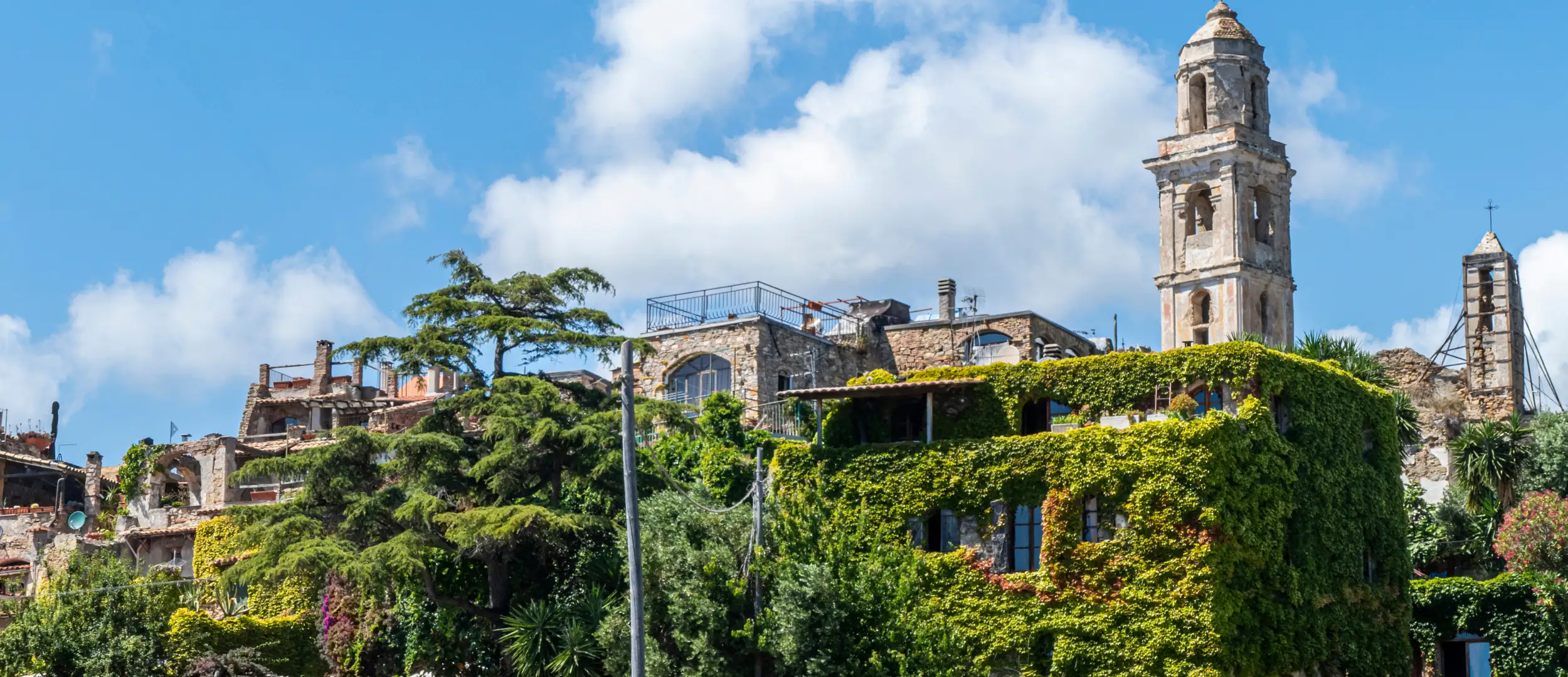
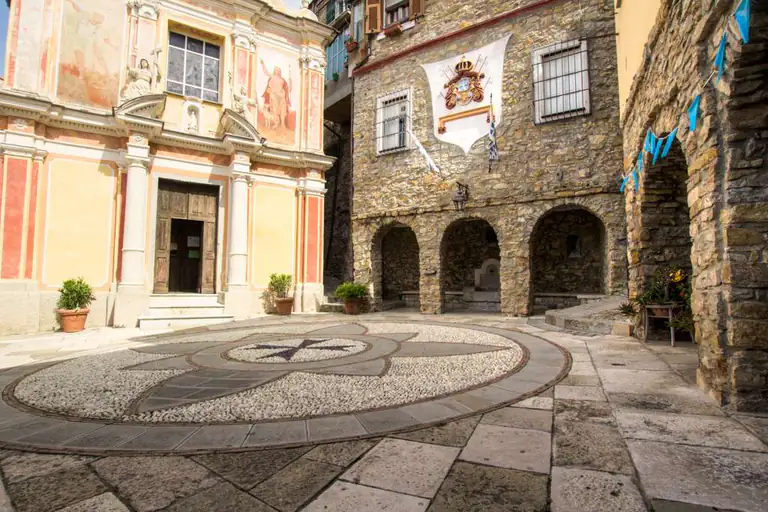
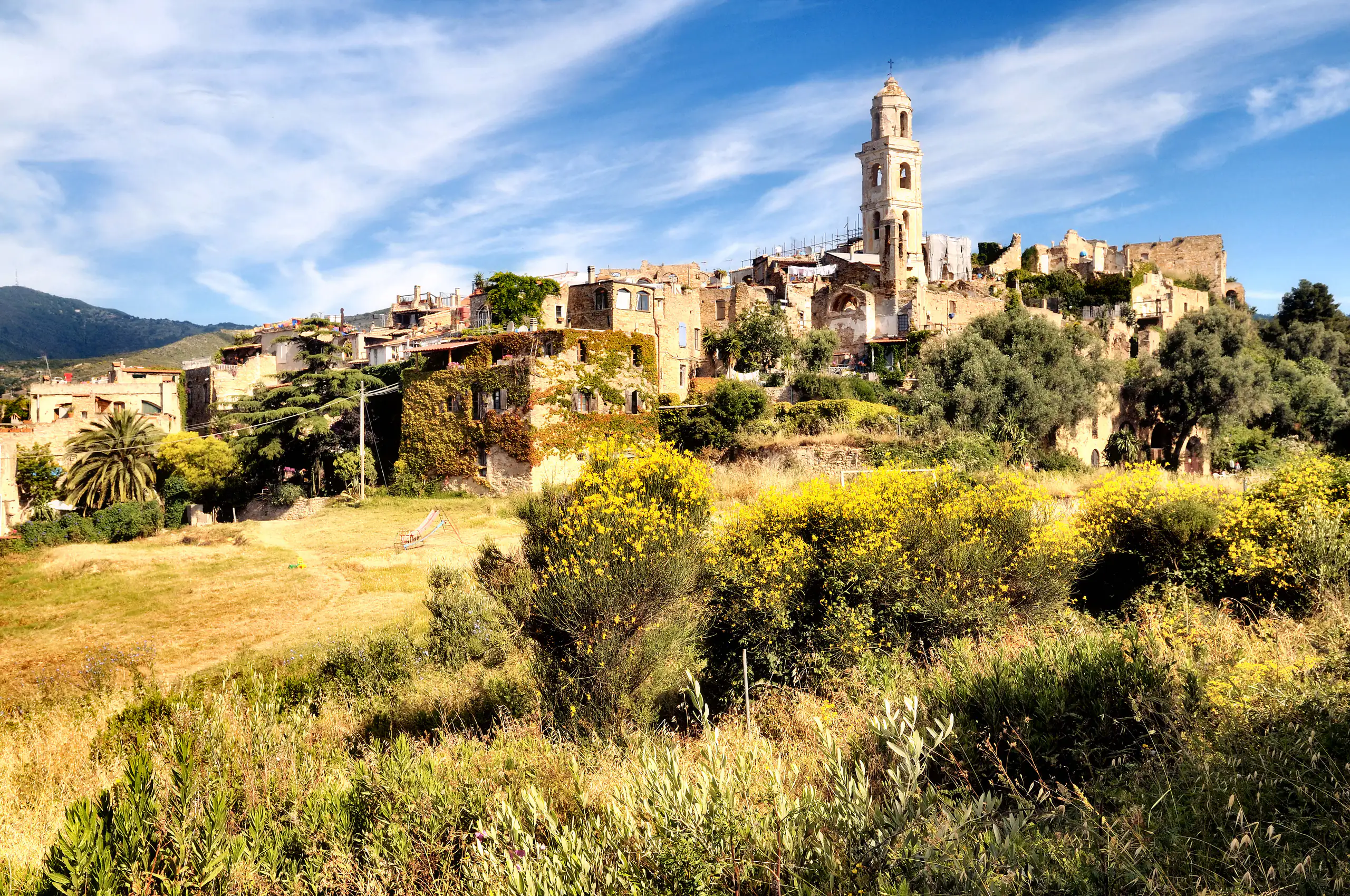
The village of Bussana Vecchia on its hill

Bussana Vecchia

The village destroyed by the 1887 earthquake and reborn as an artists' village: roofless Sant'Egidio, castle, studios and carruggi above Sanremo.

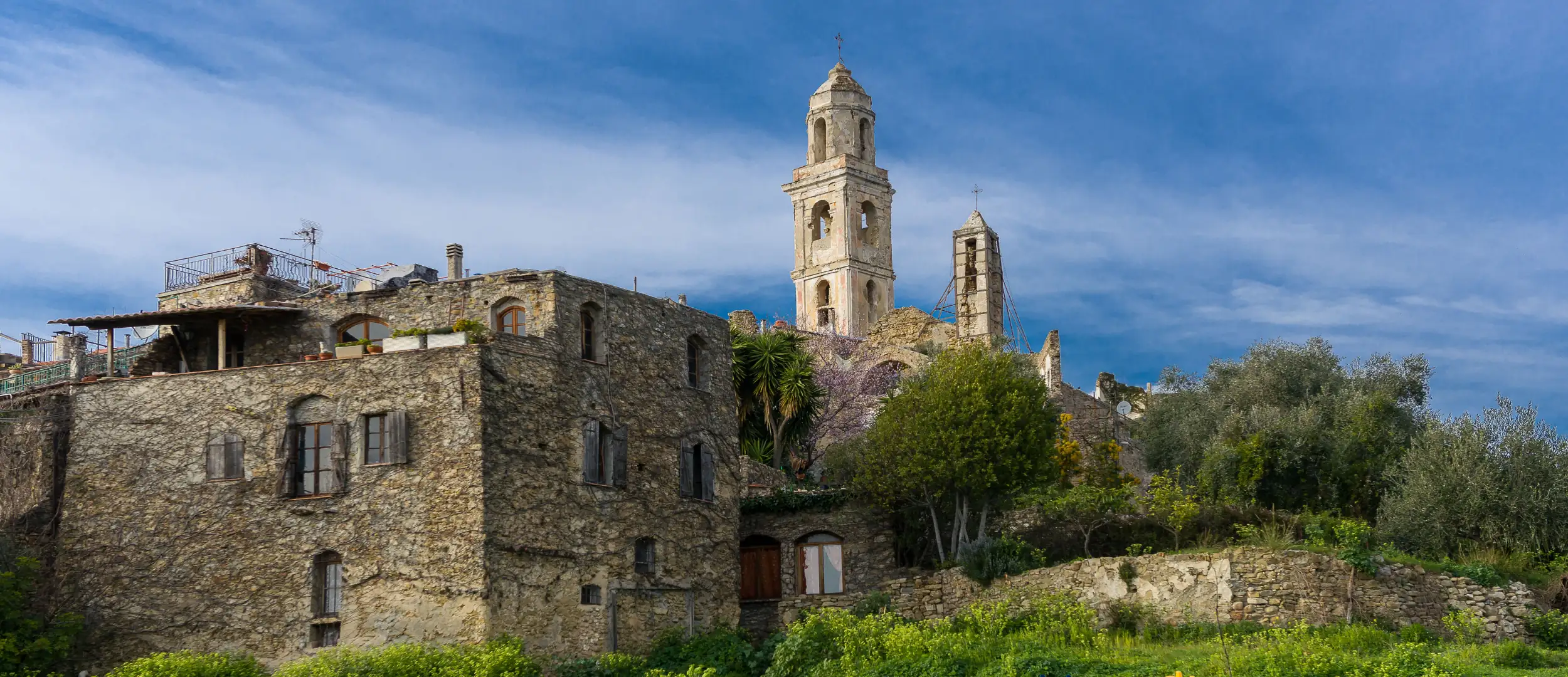
The village of Bussana Vecchia on its hill
Area
Riviera dei FioriRiviera di Ponente · Province of Imperia
Ideal for
Art and craftsphotography, history, villages
Beaches
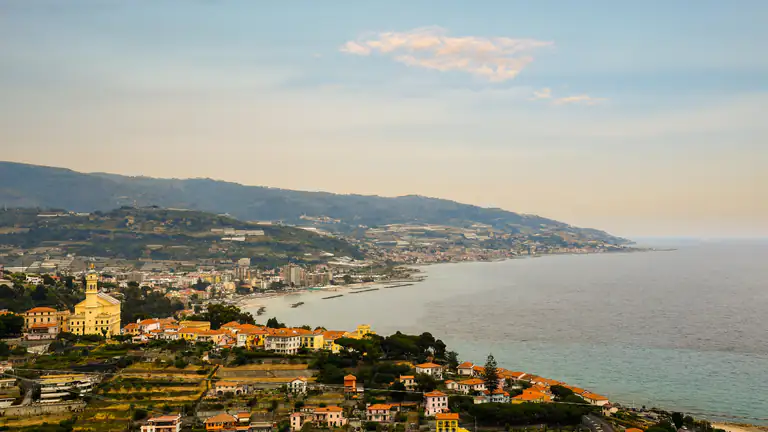
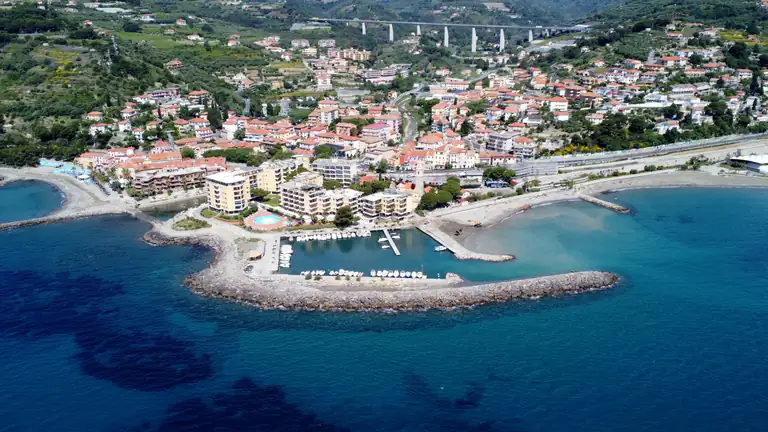
Spiaggia di BussanaSanremo), Blue Flag, about 3 km below
Best time to go
Spring and autumnin summer studios are open but busier
By train
Sanremo or Taggia-Arma stationsthen bus to Bussana or taxi
By car
A10, Arma di Taggia exitpedestrian village, parking at the entrance
Airport
Nice Côte d'Azurjust over an hour by car
How long to stay
half a dayan hour or two

Welcome to Bussana Vecchia

The artists’ village

Bussana Vecchia is a medieval village on the hillside behind Sanremo, about 200 metres above sea level. On 23 February 1887 an earthquake made it uninhabitable, and for more than sixty years it was a ghost town. From the late 1950s a group of artists moved in and rebuilt the houses among the ruins: today it is the “artists’ village”, with studios, workshops and galleries along its stone carruggi.

It is a district of Sanremo, about 8 kilometres from the town centre and a few minutes from Arma di Taggia. The village is entirely pedestrian and you can walk round it in an hour or two, but it deserves an unhurried morning or afternoon: the roofless church of Sant’Egidio, the castle ruins and the views over the Armea valley and the sea are the real reasons to come.

The village dates back to the Middle Ages. In the 11th century Bussana belonged to the Counts of Ventimiglia, who built the castle here, and in the 13th century it passed to the Republic of Genoa. After the earthquake the inhabitants founded Bussana Nuova about three kilometres further down, near the sea; in 1928 Bussana became a district of Sanremo.

Where is Bussana Vecchia?

Bussana Vecchia is in Liguria (Riviera di Ponente, Riviera dei Fiori, province of Imperia).

Map: where Bussana Vecchia is in LiguriaPIEDMONTLOMBARDYEMILIA-ROMAGNATUSCANYFRANCERIVIERA DI PONENTERIVIERA DI LEVANTELIGURIAN SEASavonaImperiaLa SpeziaBussana Vecchia
Boundaries: ISTAT, Natural Earth · Interactive map →

What to see

What to see in Bussana Vecchia

Bussana Vecchia, the artists' village

There is no set route through Bussana Vecchia: the lanes climb and drop between arches, steps and rebuilt houses, and getting lost is half the fun. These are the places not to miss.

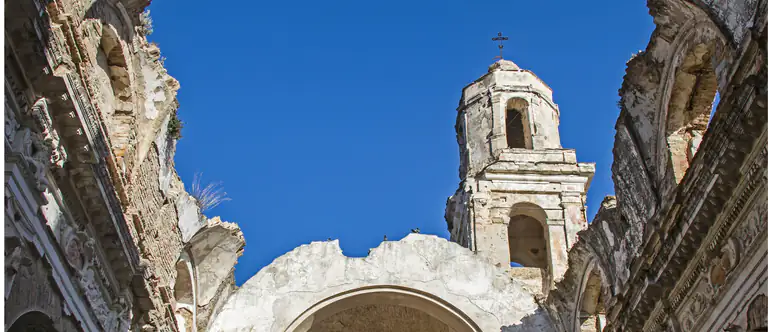
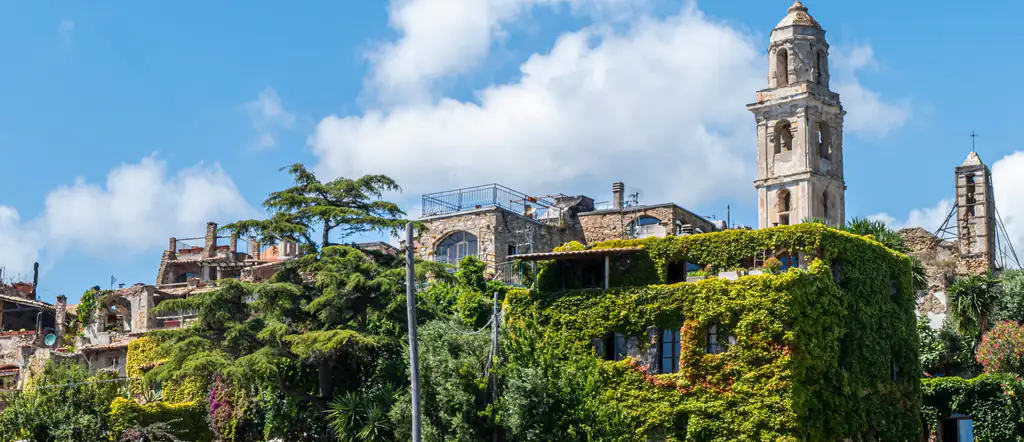
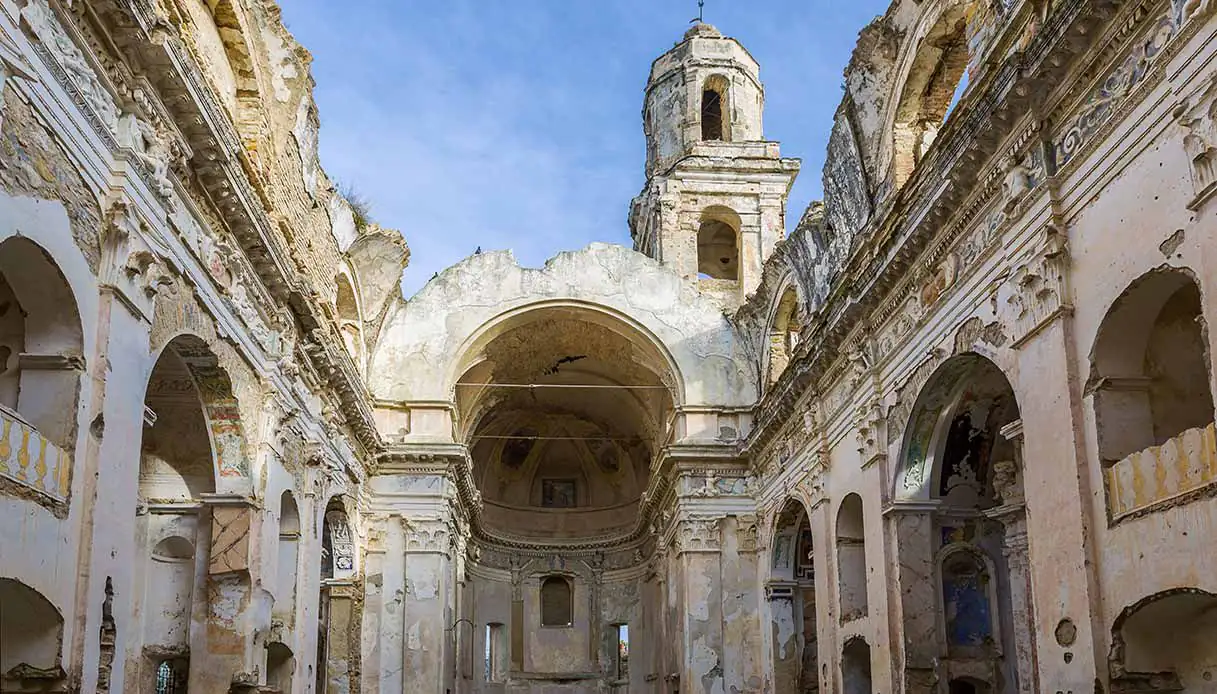
Bell tower and baroque façade of Bussana Vecchia church

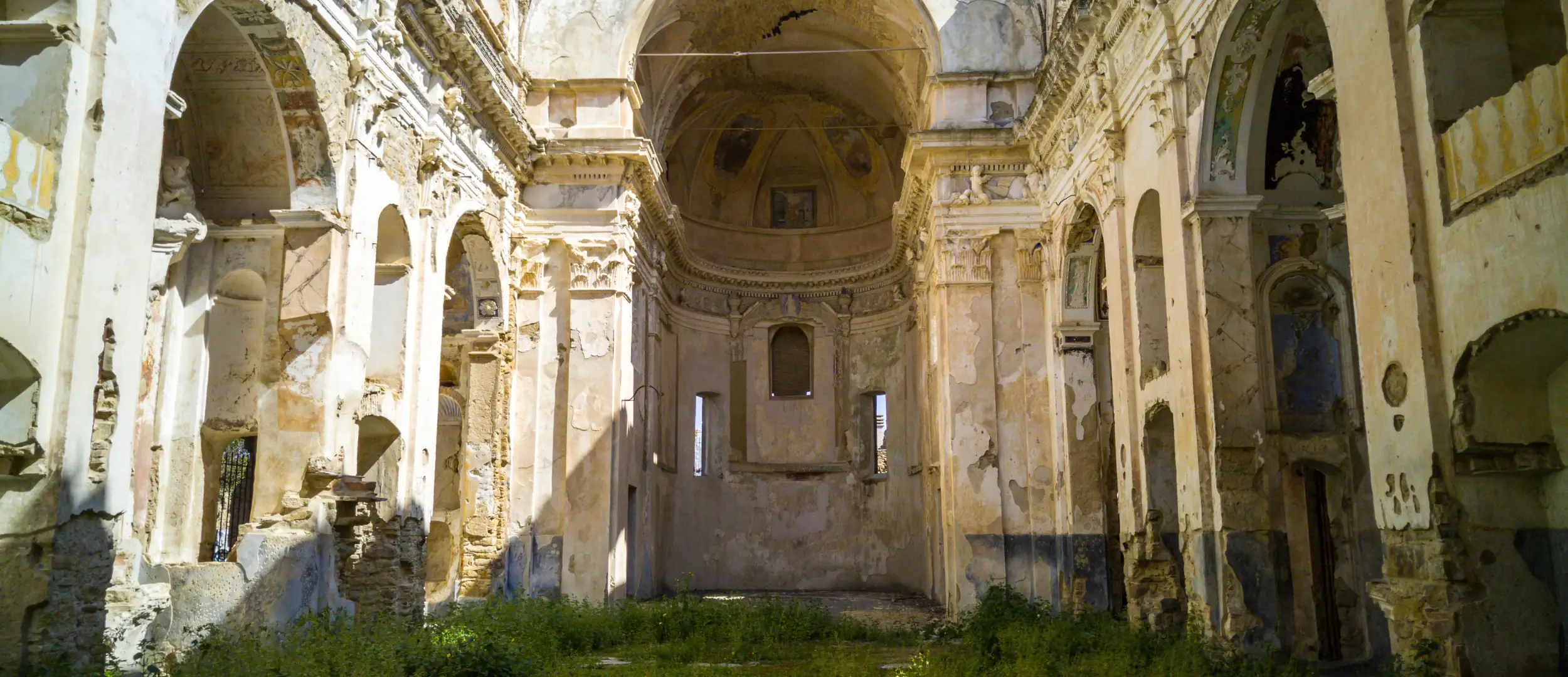
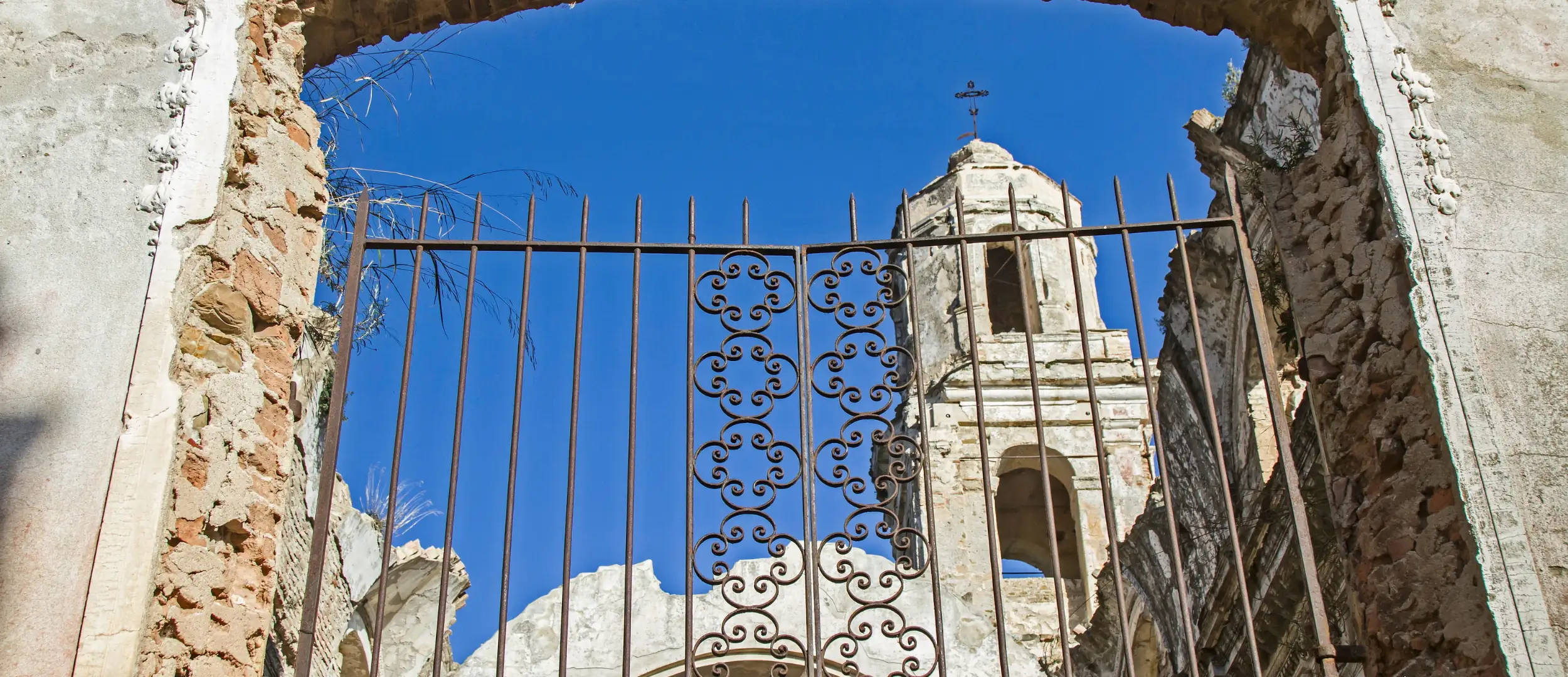
Church of Sant'Egidio and the bell tower

The parish church is the symbol of the village. Built in the early 15th century and enlarged in the 16th, it was remodelled in Baroque style in the 17th century. On the morning of 23 February 1887, Ash Wednesday, many villagers were inside when the tremor brought down the vault: 53 people died in Bussana.

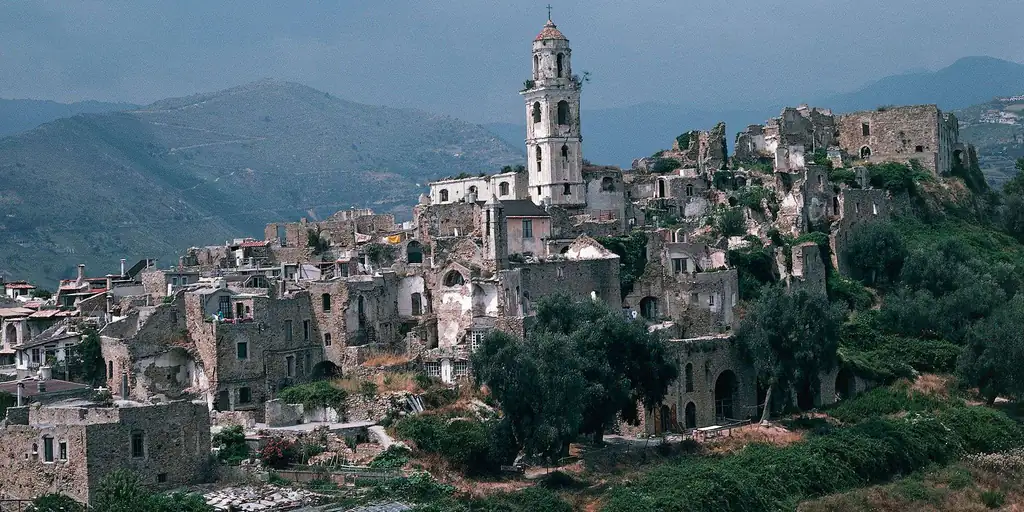
What remains today is the Baroque façade, the outer walls with traces of stucco and an open-air interior overgrown with plants. The bell tower survived the earthquake and still stands. The church is unsafe: you can look at it from outside and through the doorway, but you cannot go in.

Ruins of Bussana Vecchia castle

Castle ruins

In the upper part of the village stand the walls of the medieval castle of the Counts of Ventimiglia, around which the village grew. The 1887 earthquake also badly damaged the houses surrounding it. From the ruins the view opens over the terraced hills and, on clear days, the sea.

Oratory of San Giovanni Battista

A short distance from the church is the 17th-century oratory of San Giovanni Battista, also left without a roof after the earthquake, its walls covered in ivy. The Ministry of Culture has begun restoring it, the first direct intervention by the State in the village, so you may find the area affected by works.

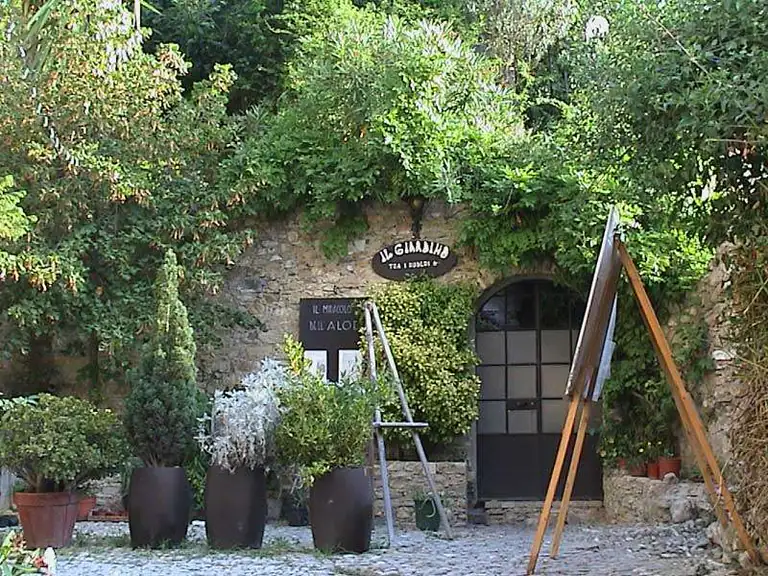
Artist's studio with paintings and flowers in Bussana Vecchia

Artists' studios and galleries

The studios are the heart of the visit. Painters, ceramicists, sculptors and craftspeople work and exhibit in houses they restored with their own hands, often using materials salvaged from the rubble. You can go in, watch the artists at work and buy ceramics, paintings, prints and handmade jewellery.

Workshop opening hours are flexible and change with the season: in the warmer months and at weekends most spaces are open, in winter far fewer.

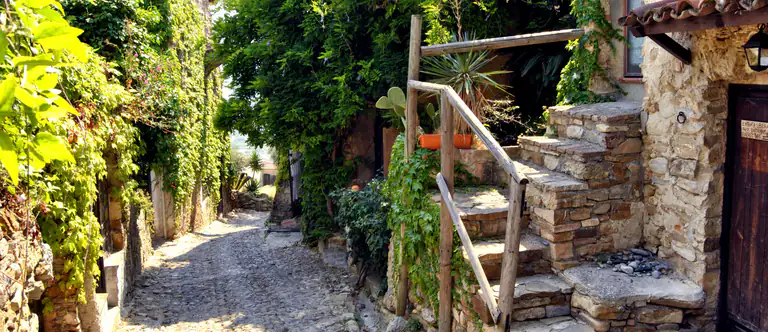
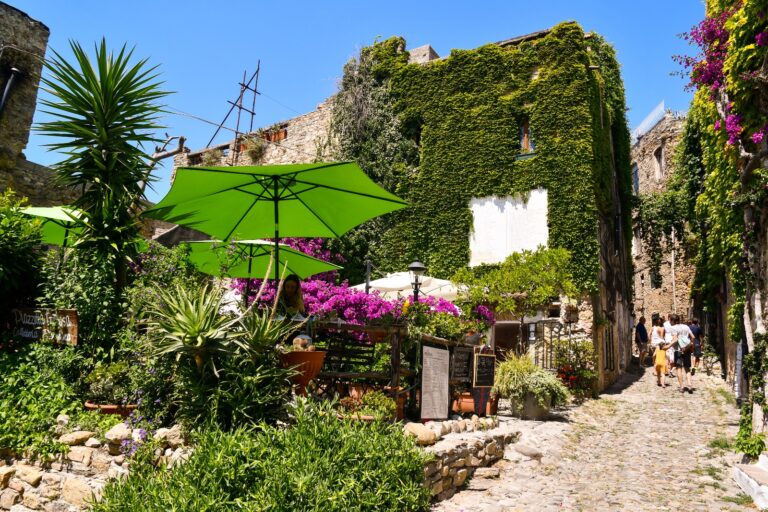
Alley with plants and steps in Bussana Vecchia

Carruggi and rebuilt houses

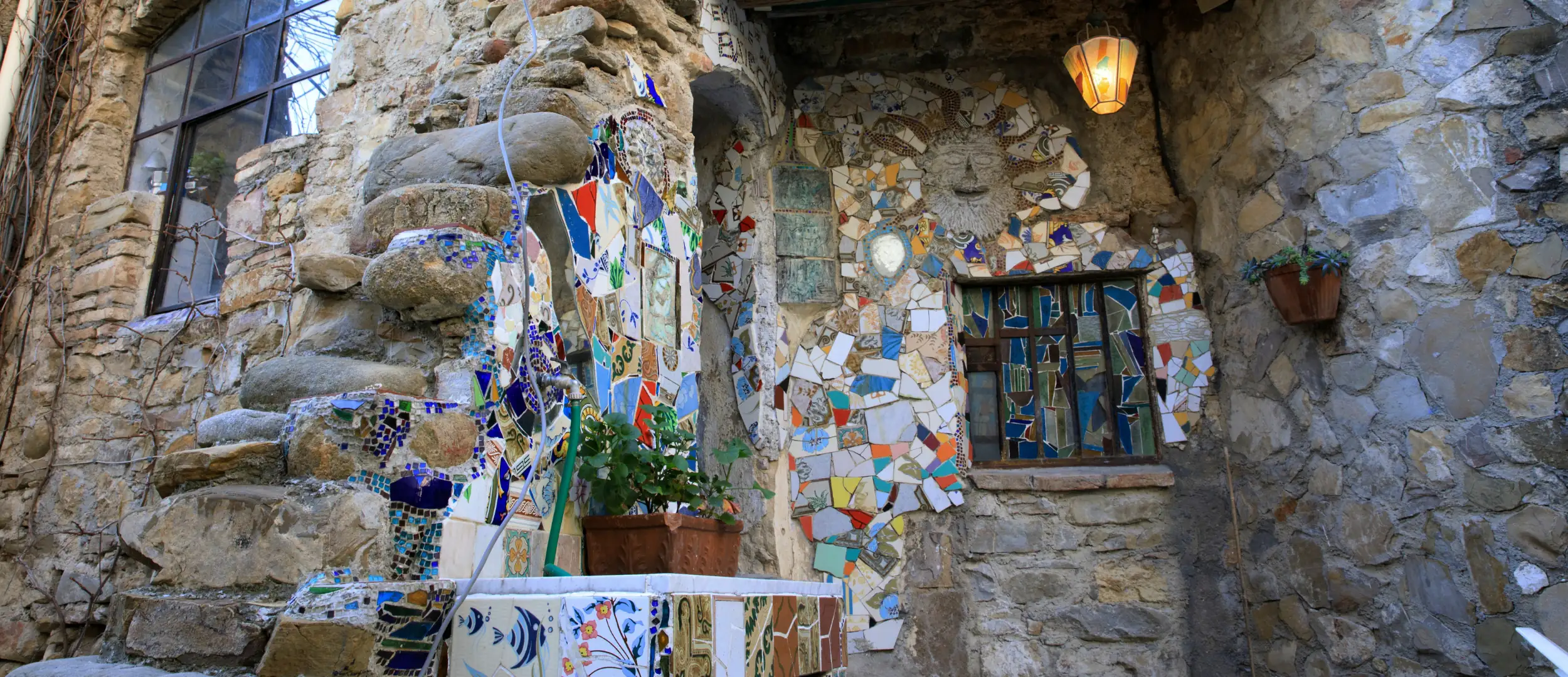
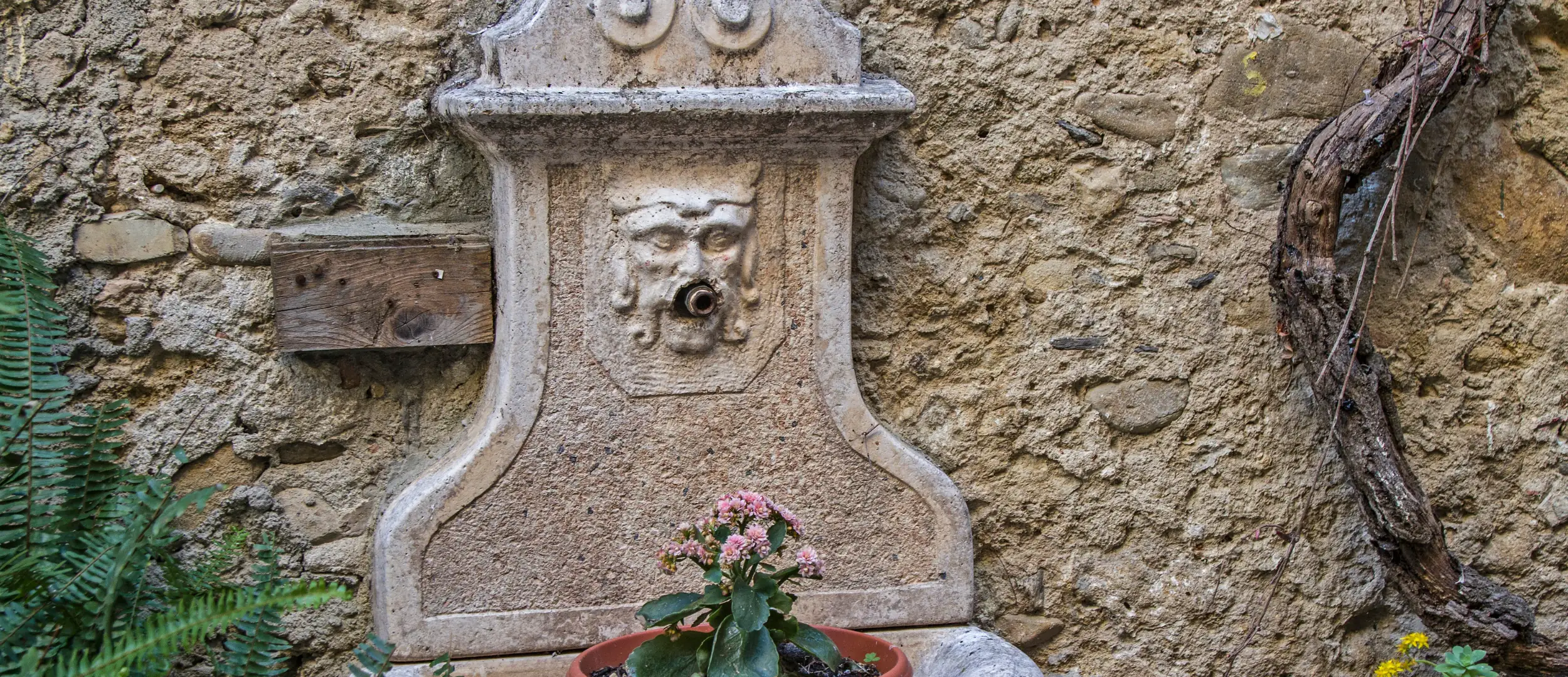
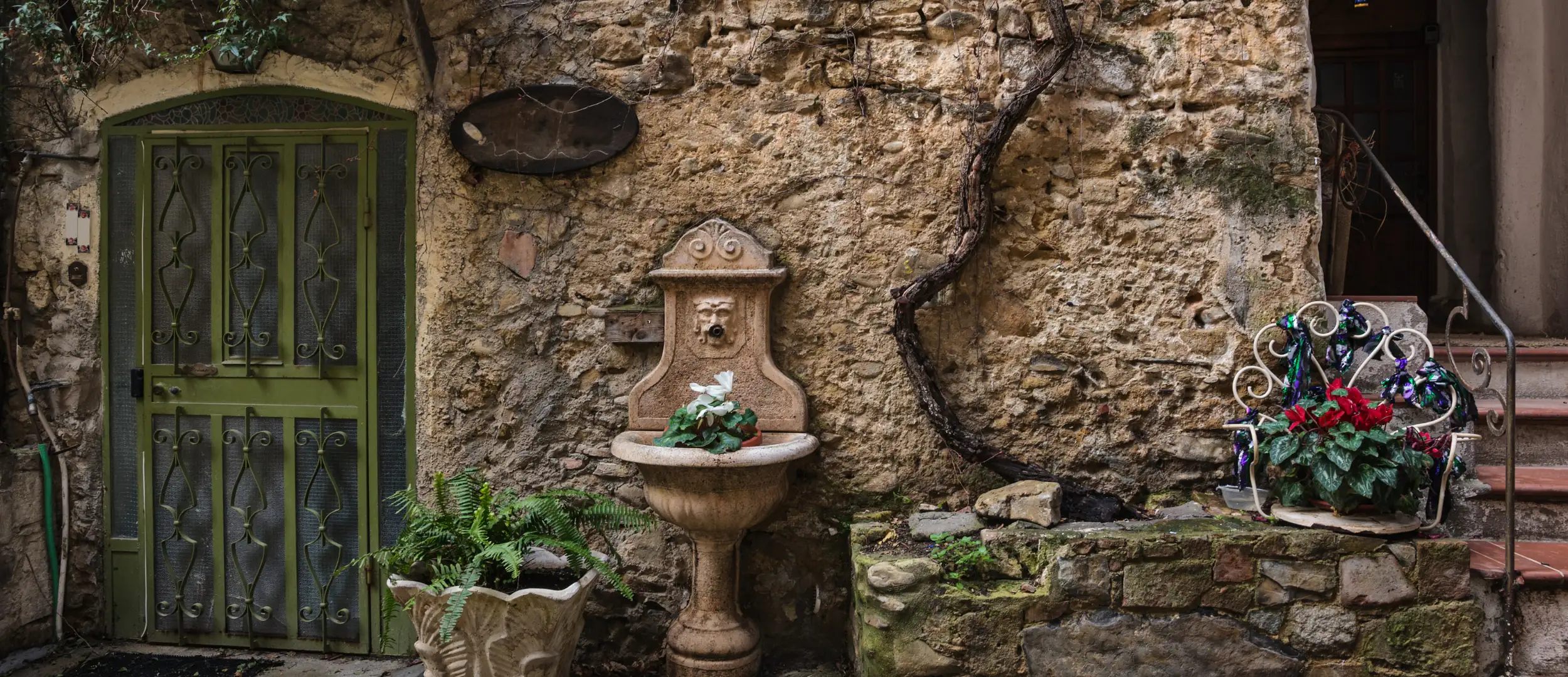
Walking through the alleys you notice how the village has grown spontaneously: houses brought back to life next to ruins left as they are, painted doors, mosaics, sculptures and climbing plants. Water and electricity only arrived in the 1970s, in 1974 and 1977, and some homes still look much as they did then.

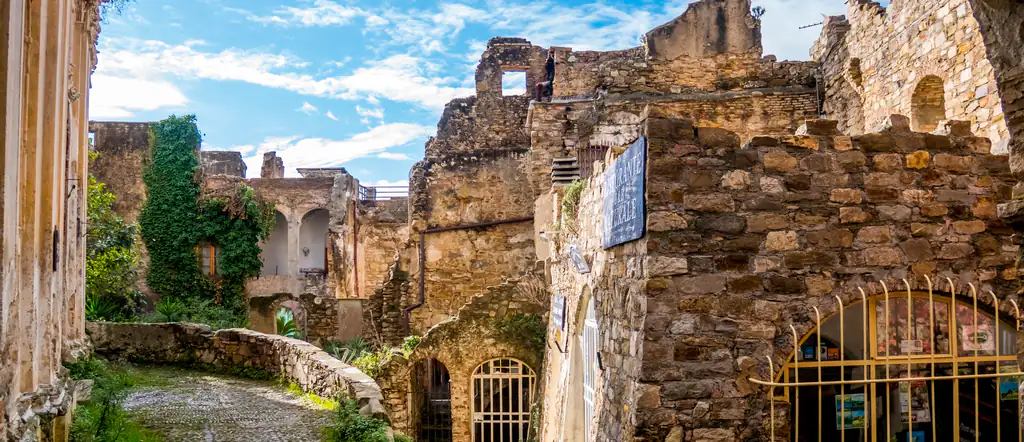
Ruined houses of Bussana Vecchia

Respect the people who live here: many of these are private homes, and an open door is not always an invitation to come in.

Garden among the ruins of Bussana Vecchia

Giardino tra i ruderi

Beyond the castle remains, at the top of the maze of lanes, lies the Giardino tra i ruderi (“garden among the ruins”): a garden on several levels, with flowers and succulents planted among the collapsed walls and panoramic terraces over the village and the countryside. Access depends on the people who look after it, so check on the spot whether it is open.

Tavern with flowered terrace in Bussana Vecchia

Osteria degli Artisti

A long-standing meeting place in the village, the Osteria degli Artisti was one of the first venues to open when the village was resettled. It is the place to stop for a glass of wine or a meal on the terrace and, on some evenings, to listen to live music.

Model railway

Three rooms of an old village house hold a large model railway, with about 350 metres of track, recreating railway scenery of the Riviera di Ponente. It is usually open on public holidays at set times: ask in the village before counting on it.

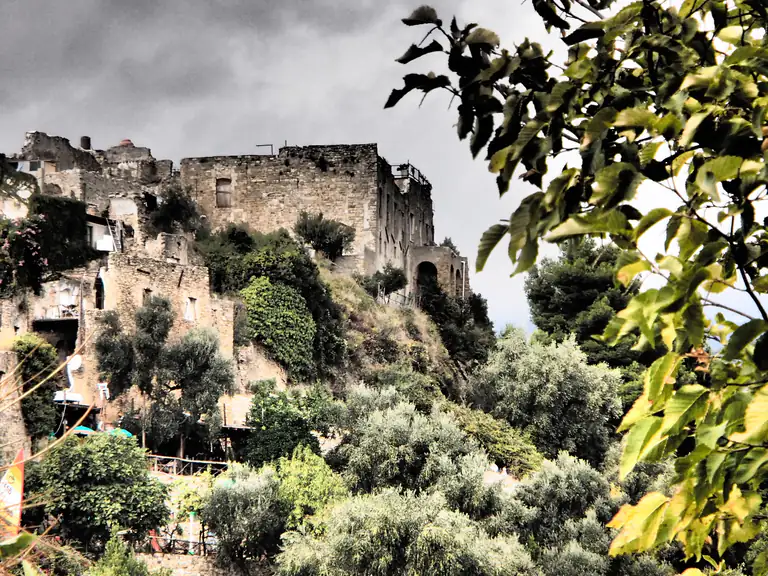
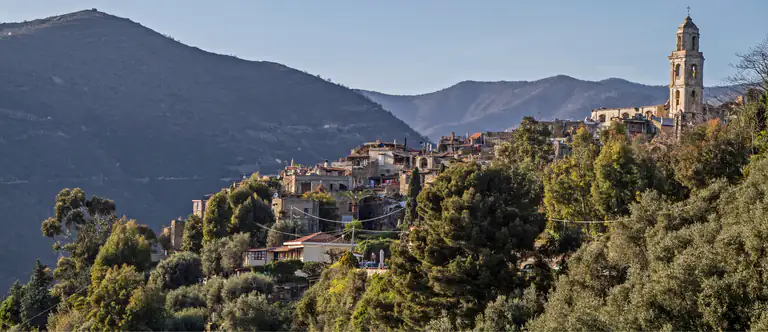
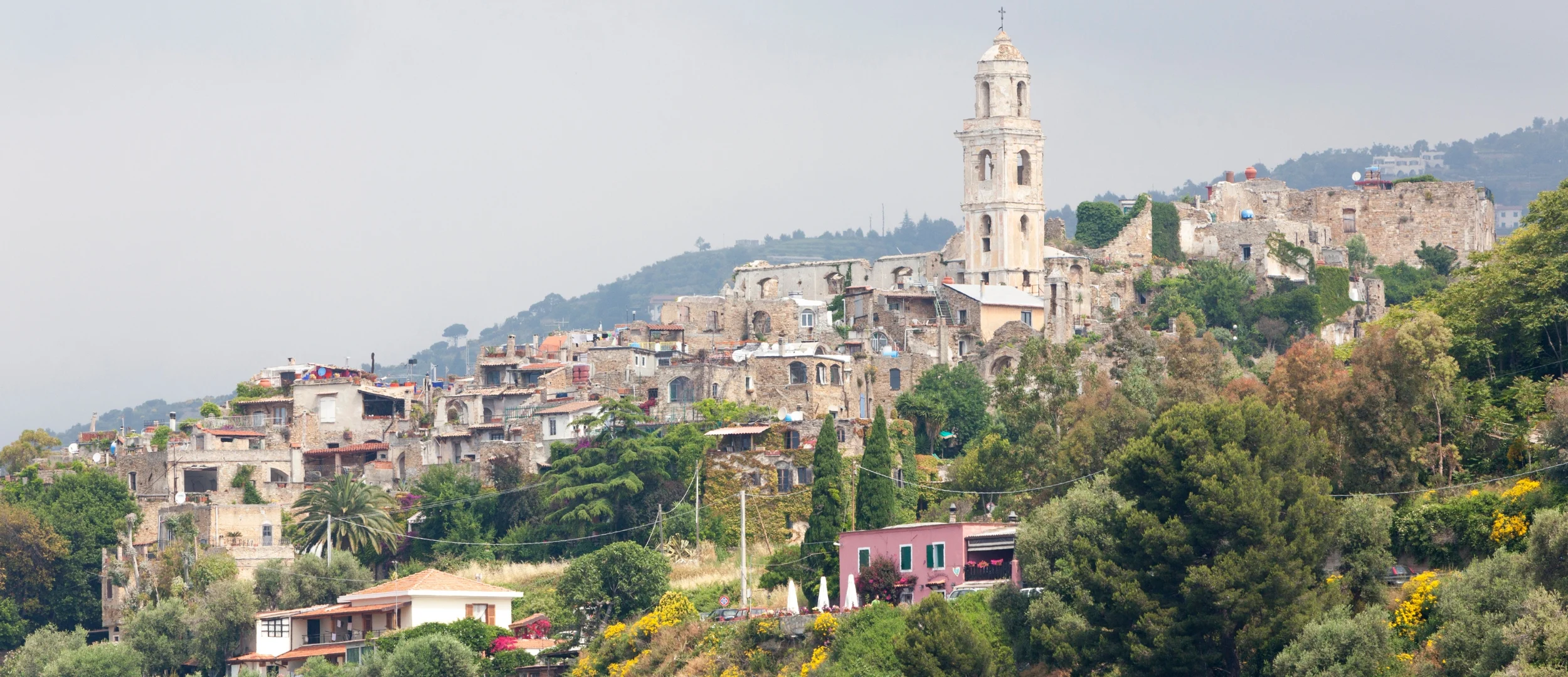
Bussana Vecchia on its hill among olive trees

The mule track to Bussana Nuova

An old mule track runs down through the greenery from the village towards Bussana Nuova and the sea. Walking it, even just part of the way, gives you the best view of the village walls perched on the hill among the olive trees.

Bussana Vecchia with its bell tower among the greenery

Where to stay

Where to stay in Bussana Vecchia

There are very few beds in the village: a handful of rooms and apartments run by the residents themselves, which need booking well in advance. Staying here means quiet evenings and having the village to yourself once the visitors have left, but also no car outside the door and steps to climb with your luggage.

For a wider choice it is better to stay in Sanremo, with hotels in every category and train connections, or in Arma di Taggia, more convenient if you are after the sea and the beach. From either you can reach Bussana Vecchia in a few minutes by car.

Getting there

How to get to Bussana Vecchia

By car

From the A10 Genoa–Ventimiglia motorway take the Arma di Taggia exit, head down to the Via Aurelia towards Sanremo and at Bussana follow the signs for Bussana Vecchia, which climb up the hill. From Sanremo, follow the Aurelia east as far as Bussana.

By train

The nearest stations are Sanremo and Taggia-Arma, on the Genoa–Ventimiglia line. The railway has not run through Bussana since 2001. From the station, continue by bus or taxi.

By bus

Riviera Trasporti buses link Sanremo and Arma di Taggia along the Aurelia with stops at Bussana, and there is also an urban line from Sanremo to Bussana. From Bussana Nuova to the old village it is about three kilometres uphill: on foot you will need fit legs. Check current routes and timetables on the Riviera Trasporti website.

By plane

The nearest airport is Nice Côte d’Azur: Sanremo is about 65 kilometres away, just over an hour by car along the A8 and A10. Further away, to the east, is Genoa airport.

Parking

The village is closed to cars: you park along the road and in the small areas at the entrance to the village. Spaces are few, so on fine weekends and in summer arrive early in the morning or late in the afternoon. With a motorhome the narrow road and limited parking are a problem: better to leave it down in the valley.
Bussana Vecchia43.8378, 7.8293
Open in Google Maps →Interactive map →

By car

A10, Arma di Taggia exit; pedestrian village, parking at the entrance

By train

Sanremo or Taggia-Arma stations, then bus to Bussana or taxi

By plane

Nice Côte d'Azur (just over an hour by car)

The guide

History of Bussana Vecchia: from earthquake to artists’ village

The earthquake of 23 February 1887 struck western Liguria at 6:21 am, with a tremor lasting about twenty seconds. In Bussana the church vault collapsed and many houses were destroyed. The villagers lived in temporary housing for years, then in 1889 the first stone of Bussana Nuova was laid; in 1894 the last Palm Sunday Mass marked the final abandonment of the village.

The village stood empty for decades, and in 1954 the municipality had the roofs pulled down to discourage new settlers. In 1959 the Turin ceramicist Mario Giani, known as Clizia, and the Sicilian painter Vanni Giuffrè saw it as a place to found an artists’ community. In the 1960s the Comunità Internazionale degli Artisti (International Community of Artists) was born, with its own constitution governing communal life and the restoration of the houses.

The buildings formally belong to the State property office (Demanio), and for decades the residents were treated as squatters, facing eviction orders and compensation claims. In 2019 the court of Imperia ruled in favour of the inhabitants, and in 2024 the Council of State recognised their status as residents. Today artists of around twenty different nationalities live in Bussana Vecchia.

Bussana Vecchia in half a day: an itinerary

  • Morning: park at the entrance to the village and walk up to the church of Sant’Egidio and the oratory of San Giovanni, then carry on to the castle ruins and the Giardino tra i ruderi.
  • Late morning: wander slowly back down through the carruggi, stepping into the open studios; this is the best time to chat with the artists.
  • Lunch: stop at the Osteria degli Artisti or one of the village’s small eateries.
  • Afternoon: head down to the sea at Bussana and take the cycle and pedestrian path towards Sanremo or Arma di Taggia, or relax on the beach.

Day trips from Bussana Vecchia

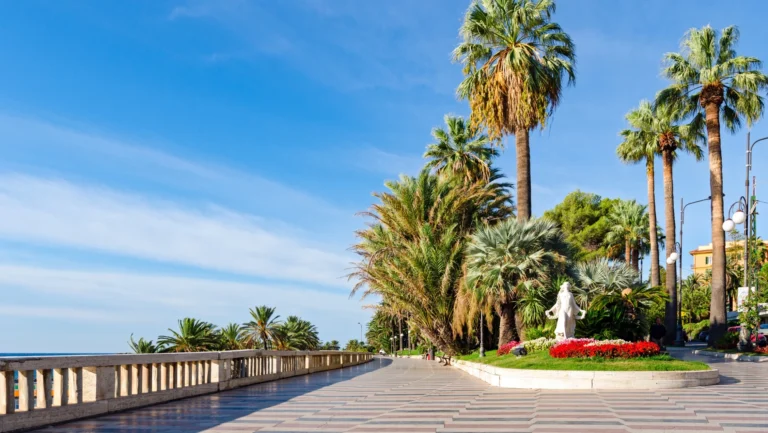
  • Sanremo: about 8 kilometres, a quarter of an hour by car; La Pigna, the Casino and the seafront promenade.
  • Spiaggia di Bussana: at the foot of the hill, Blue Flag 2026; you will find the details in the guide to Sanremo’s beaches.
  • Arma di Taggia: the nearest seaside resort to the east, with wide beaches and the historic centre of Taggia behind it.
  • Triora: the witches’ village in the upper Valle Argentina, for a day inland.
  • Seborga: the little village of the “principality” in the hills between Sanremo and Bordighera.
  • Dolceacqua: the medieval bridge and the Doria castle in the Val Nervia.

Weather

Weather and best time to visit Bussana Vecchia

Spring and autumn; in summer studios are open but busier

⛅
13°CNow · wind 11 km/h
  1. Sat 10🌤️21° 13° 
  2. Sun 11⛅22° 13° 
  3. Mon 12🌤️23° 13° 
  4. Tue 13⛅21° 13° 
  5. Wed 14⛅20° 13° 
  6. Thu 15☀️23° 13° 

Forecast: MET Norway (Yr), CC BY 4.0 licence. Updated hourly.

Weather across Liguria →

MonthJanFebMarAprMayJunJulAugSepOctNovDec
SeaOff seasonOff seasonOff seasonPossiblePossibleGoodIdealIdealGoodPossibleOff seasonOff season
Sightseeing and hikingPossibleGoodGoodIdealIdealGoodGoodGoodIdealIdealGoodPossible
CrowdsFew peopleFew peopleFew peopleBusyBusyBusyVery busyVery busyBusyFew peopleFew peopleFew people

IdealGoodPossibleOff season

Crowds:QuietFew peopleBusyVery busy

Gallery

Photos of Bussana Vecchia

FAQ

Frequently asked questions about Bussana Vecchia

What is there to see in Bussana Vecchia?

The roofless church of Sant’Egidio with its bell tower, the castle ruins, the oratory of San Giovanni Battista, the Giardino tra i ruderi, the artists’ studios and the village carruggi.

Why was Bussana Vecchia abandoned?

Because of the earthquake of 23 February 1887, which made the village uninhabitable and killed 53 people. The inhabitants founded Bussana Nuova further down, and the village stood empty until the artists arrived in the late 1950s.

Do you have to pay to enter Bussana Vecchia?

No, the village is freely accessible on foot. The studios can be visited without a ticket; for private spaces such as the model railway, ask on the spot.

Where can you park in Bussana Vecchia?

At the entrance to the village, along the road and in the small parking areas: the village is pedestrian and spaces are few, especially at weekends.

Can you go inside the church of Sant'Egidio?

No, the church is unsafe and can only be seen from outside and through the doorway.

How long do you need to visit Bussana Vecchia?

An hour is enough for a quick look round; to go into the studios and walk up to the castle, allow half a day.

How do you get to Bussana Vecchia without a car?

By train to Sanremo or Taggia-Arma, then by bus to Bussana and on foot uphill for about three kilometres, or by taxi.

Is Bussana Vecchia close to the sea?

Yes, the sea is a few kilometres away: below the hill is the Spiaggia di Bussana, which belongs to Sanremo and has a 2026 Blue Flag.

When is the best time to visit Bussana Vecchia?

In spring and autumn, with soft light and fewer people. In summer and at weekends almost all the studios are open, but the village is busier.

Nearby

What to see near Bussana Vecchia

2 km as the crow flies

Arma di Taggia

Blue Flag 2026 sandy beach, the cave of the Madonna dell'Arma, the cycle path and the medieval centre of Taggia…

Discover →

5 km as the crow flies

Sanremo

The town of the Festival and flowers: La Pigna, the Liberty-style Casino, the Russian Church, the Passeggiata Imperatrice, Blue Flag…

Discover →

11 km as the crow flies

Seborga

The Principality village above Bordighera: Piazza San Martino, Palazzo dei Monaci, sentry boxes, mimosa and views over the Côte d'Azur.

Discover →

11 km as the crow flies

San Lorenzo al Mare

The smallest municipality in Liguria: a fishing village, Blue Flag 2026 beaches, a marina and a seafront cycle path between…

Discover →
Scroll to Top